Welcome to KEMING Blog

KEMING share information, tips and things we’ve learned from our years in the Metal Casting and CNC Machining industry.

What are the disadvantages of sand casting?

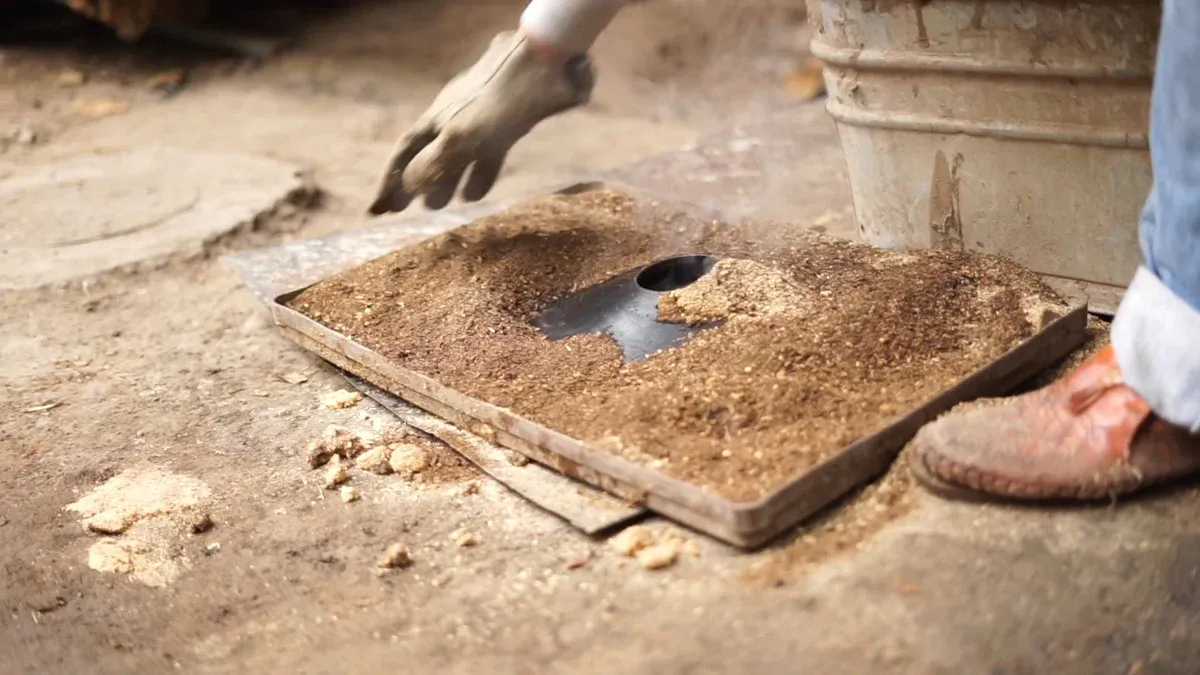
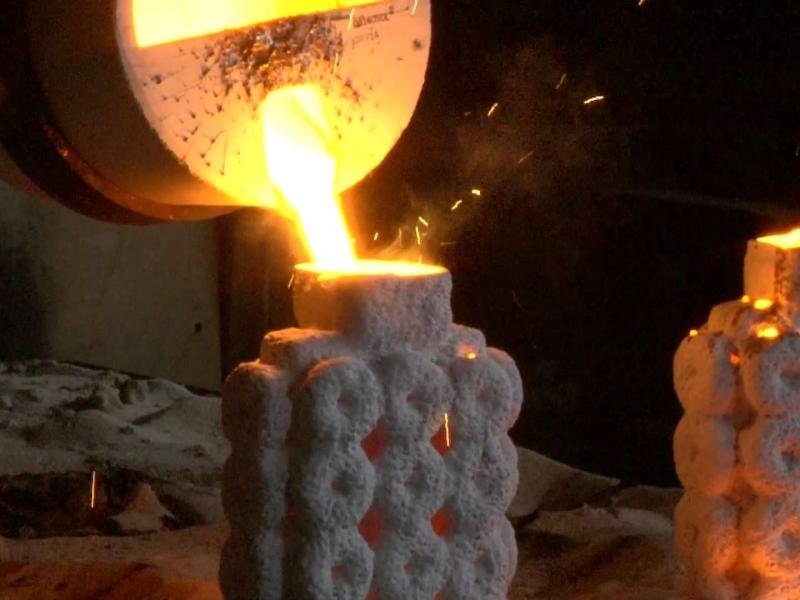
Engineers weigh the advantages and disadvantages of sand casting and other alternatives before choosing a manufacturing method for metal parts. Its main disadvantages include rough surface finish, large dimensional tolerances, and the

Read More »

How to cut aluminum on CNC?

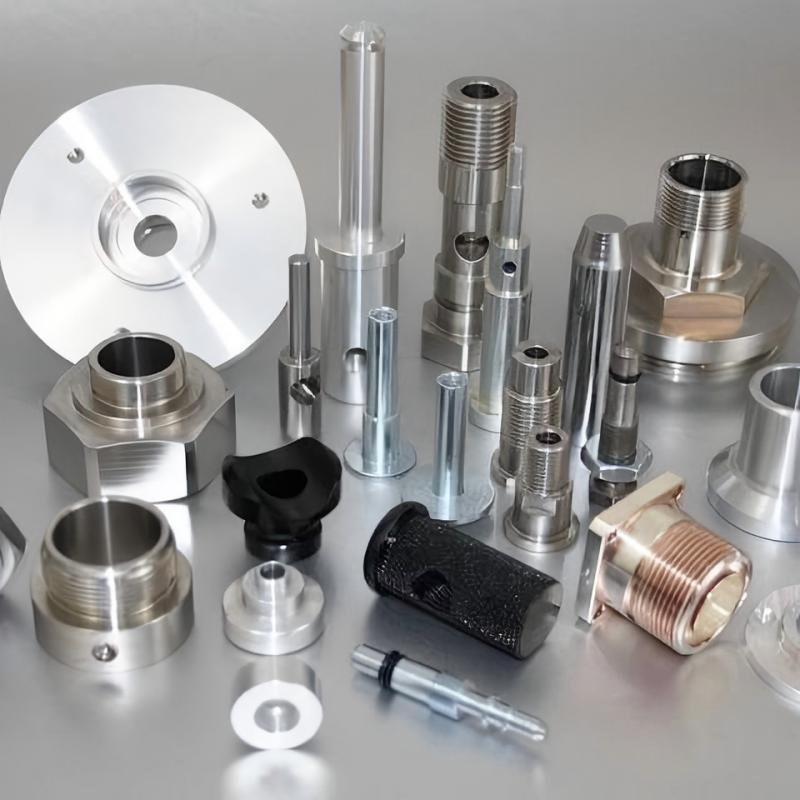
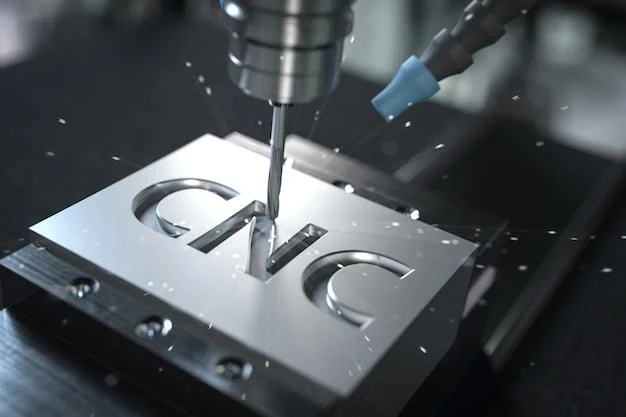
Machinists successfully process aluminum on CNC engraving and milling machines by using short, single-flute carbide end mills, secure workpiece clamping, and appropriate feed and cutting speeds. Friction generated during cutting rapidly produces

Read More »

What is 0.04% carbon steel?

This type of low-carbon steel offers excellent cold-forming properties, good ductility, and ease of joining. It is characterized by a very low carbon content; the alloy’s internal structure sacrifices some strength to

Read More »

What is the best steel for CNC machine?

Selecting the optimal steel for CNC machining requires careful consideration. Engineers evaluate key properties including tensile strength and hardness, alongside machinability. Referring to a material selection guide helps reduce overall production costs.

Read More »

What is mill-turn machining?

Mill-turn machining combines power-driven milling and turning with a single system. Modern CNC mill-turn machines can quickly machine parts without manual intervention. Two synchronous spindles drive milling and turning, ensuring extremely

Read More »

Is it better to mill aluminum fast or slow?

Manufacturers choose high-speed milling to remove material quickly, especially when milling aluminum. High-speed milling also helps with better chip removal, ensuring a smoother machining process. Low-speed milling, on the other hand, prevents

Read More »

Leave Your Message