What is the process of shell and investment casting?
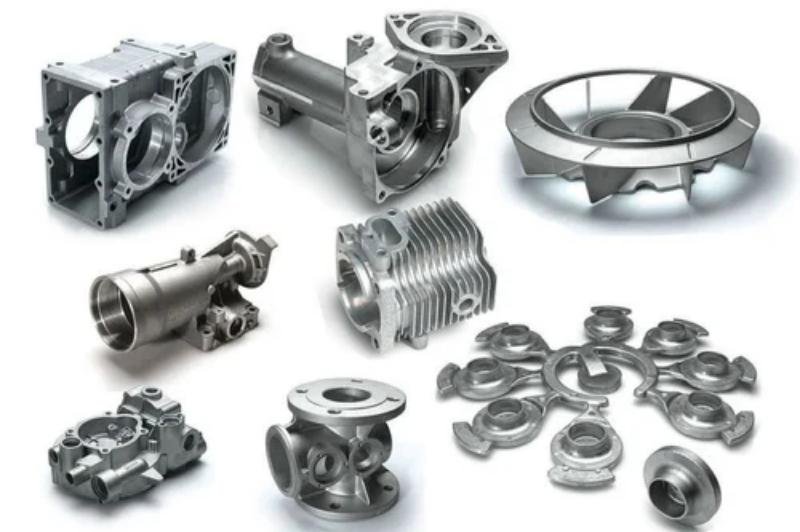
Investment casting uses wax patterns and ceramic shells to create precise, complex metal parts. Shell casting offers speed and cost savings for large batches.

Investment casting uses wax patterns and ceramic shells to create precise, complex metal parts. Shell casting offers speed and cost savings for large batches.

The investment casting process typically takes 4-8 weeks, with timelines varying by part size, complexity, and production requirements.

The three main types of sand molds casting are sand casting, investment casting, and die casting, each offering unique benefits for various industries.

Investment Casting supports materials like steel, aluminum, copper alloys, cast iron, super alloys, and titanium for precise, durable parts.

Step-by-step lost foam cast guide: materials, tools, safety, and troubleshooting for high-quality metal parts.

Lost wax cast uses wax for precise, detailed parts; lost foam casting uses foam for larger, complex shapes. Each suits different manufacturing needs.

A kiln is crucial for lost wax casting, ensuring complete wax removal, mold strength, and casting quality. Learn why alternatives often fall short.

The coating for lost foam casting protects foam patterns, prevents defects, and ensures smooth, high-quality metal castings in foundry processes.

Lost foam casting stands out for design flexibility, smooth surfaces, reduced waste, and efficient production using foam patterns without sand cores.
Capability
Leave Your Message