EN
EN  DE
DE  ES
ES  FR
FR  PT
PT  RU
RU 
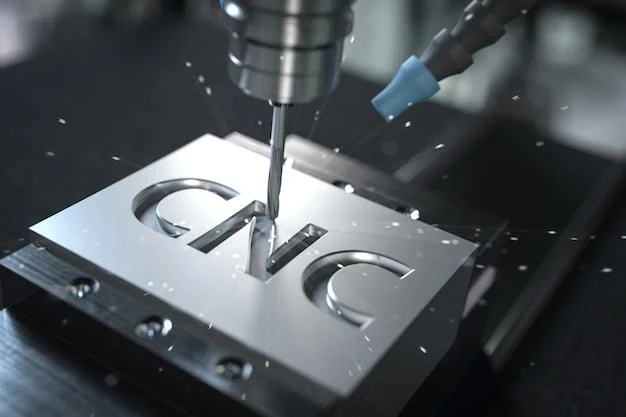
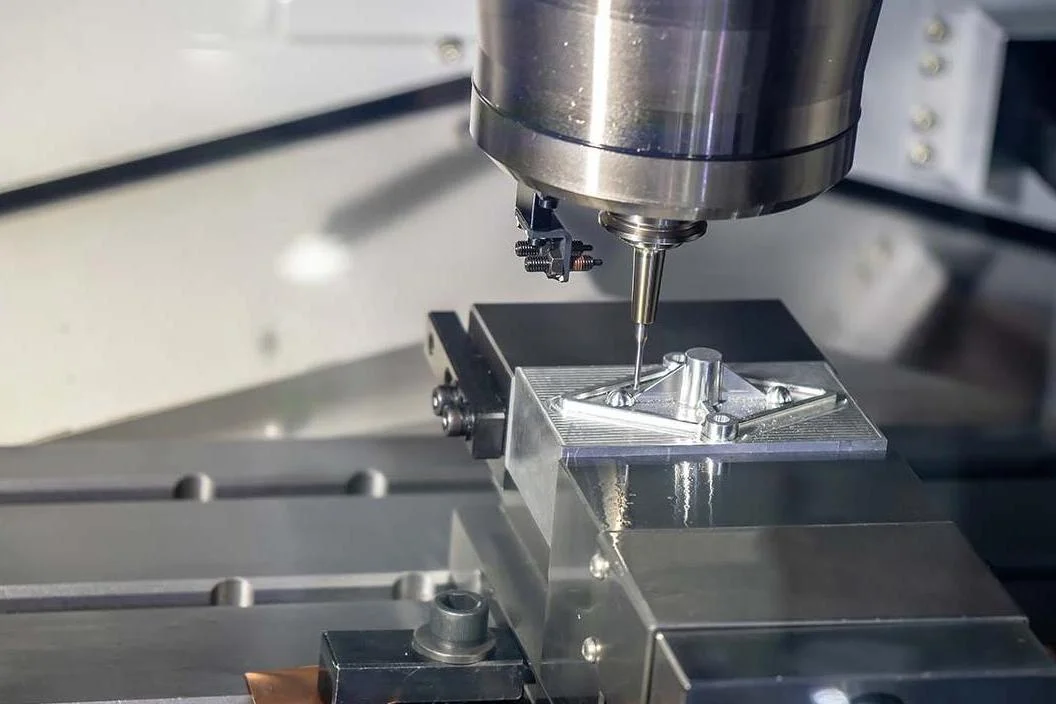
Mill-turn machining combines power-driven milling and turning with a single system. Modern CNC mill-turn machines can quickly machine parts without manual intervention. Two synchronous spindles drive milling and turning, ensuring extremely high machining accuracy. A single setup significantly improves machining efficiency, saving 30% to 50% of the time. Automated tooling reduces the defect rate to below 2% and effectively avoids the high costs caused by fixture errors.
Key Takeaways
- Mill-turn machines combine two tasks into one system.
- One setup stops human mistakes and saves time.
- Production time drops by up to 50 percent.
- Big industries use this technology for high accuracy.
Understanding Mill-Turn Machining Capabilities
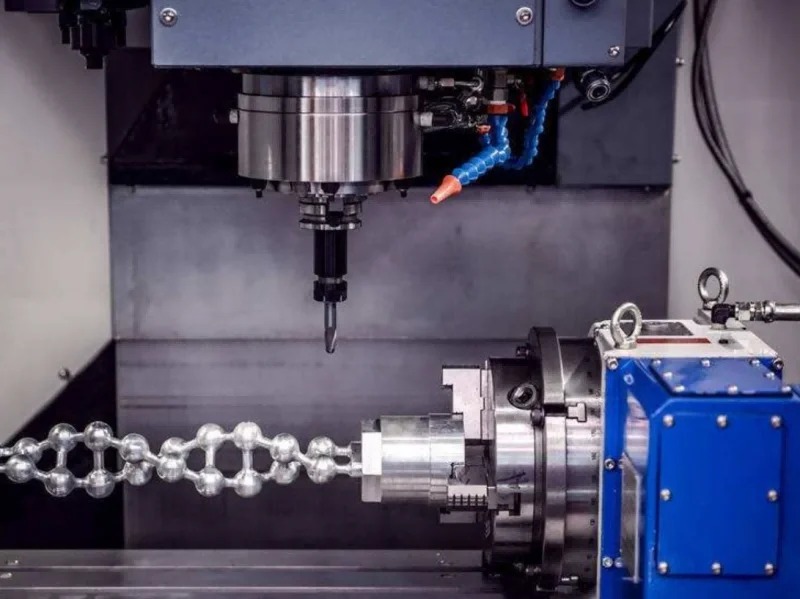
Today, factories require mill-turn machining. It combines turning and milling techniques, enabling the machining of complex shapes with extremely high efficiency.
The Mechanical Structure of Modern Mill-Turn Machine Tools
A powerful CNC mill-turn machine tool can complete machining quickly and efficiently. It perfectly combines a rotating cutting tool with the workpiece, integrating two core functions into one, and completing the machining process in a single setup. Today, machining centers utilize intelligent parts, further improving the accuracy of mill-turn machining.
| System Component | Operational Feature | Primary Capability |
|---|---|---|
| Milling Architecture | B-axis tilting head | Continuous 5-axis contouring |
| Secondary Processing | Main and sub-spindle sync | Automated rear-face processing |
| Tooling Axes | Off-center Y-axis, C-axis | Off-center drilling and tapping |
Synchronized Main and Counter Spindle Operations
Dual-spindle systems move parts easily. They improve mill turning jobs.
- Front-Side Completion: The main spindle holds parts. It makes primary turn milling cuts.
- Sub-Spindle Engagement: The second spindle moves forward. It acts automatically.
- Dynamic Synchronized Gripping: The sub-spindle grabs spinning parts. It takes them quickly.
- Retraction for Rear Machining: The sub-spindle pulls back. It finishes the rear side.
This auto path aids mill turning. Workers skip manual resets.
Five-Axis Mill-Turn Machining
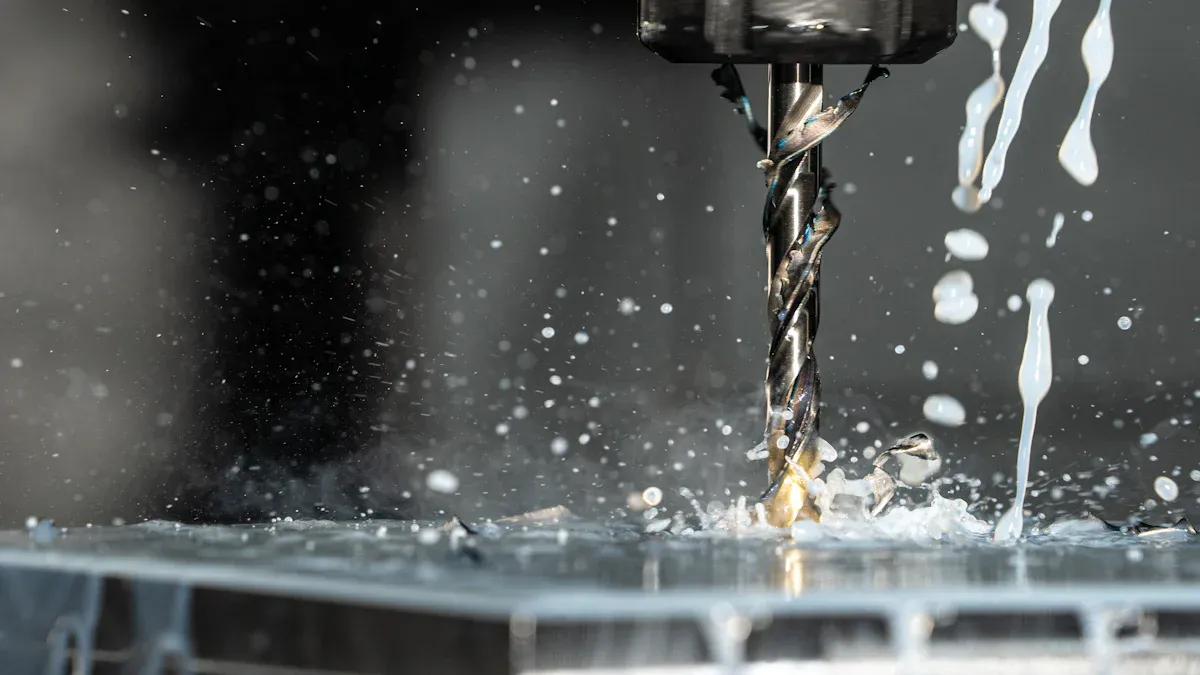
Mill-turn machining is frequently used in workshops. It can machine complex circles. The multi-axis system controls the rotation of the C-axis and also handles the movement of the Y-axis. The B-axis allows for smooth tilting of parts. The rotating tool can machine moving parts. Spindle speed controls the milling depth, thus reducing tool wear. Operators can easily perform mill-turn machining. It can repair eccentric holes and smooth rough surfaces. Continuous toolpaths facilitate mill-turn machining. It can machine carbide. Mill-turn machining is chosen daily in factories. It can quickly remove excess metal.
Key Advantages of This CNC Machining Technology
New factories can gain significant advantages. Modernized gears bring huge efficiency gains. Mill-turn machining improves workshop efficiency.
Eliminating Fixtures and Accumulated Errors
High precision can be achieved in a single clamping. Traditional methods require multiple fixtures. Each additional clamping increases errors. Machining workshops avoid these problems by fixing parts in place.
| Machining Scenario | Multiple 3-Axis Setups Tolerance | Single Setup Fixture Tolerance | Stack-Up Error Reduction / Impact |
|---|---|---|---|
| UAV Full-Curved Frame (Profile Tolerance) | Adds up to ±0.04 mm error | Meets drawing goal (±0.02 mm) | Cuts up to 0.02 mm error. It stops part failure. |
| Angled Curved-Surface Holes (Position Tolerance) | Fixed at ±0.03 mm minimum | Hits ±0.008 mm to ±0.012 mm | Cuts position shifts by 0.018 mm. It avoids stack-up risk. |
Significantly Reduced Delivery Time and Processing Volume
Mill-turn machining centers enable rapid delivery. Combined cutting increases production speed. Workers no longer need to manually handle parts, nor do they need to use two machines. This automation reduces labor costs, and factories can quickly reduce inventory.
Exceptional Precision for Complex Geometries
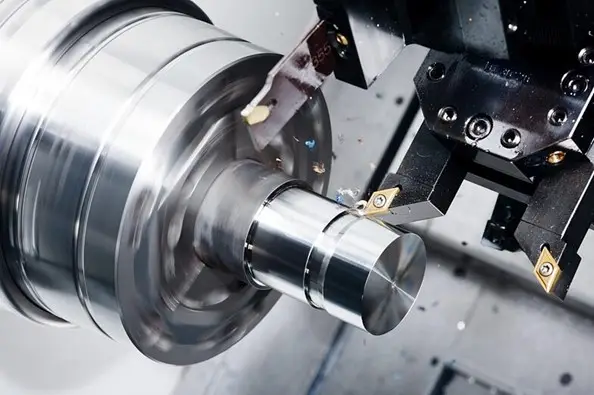
The choice of integrated CNC machining technology facilitates complete design freedom. Manufacturing complex parts helps engineers build advanced components. Synchronous mill-turn machining centers can cut metals and handle high-hardness alloys well. Operators can confidently perform mill-turn cutting. Continuous mill-turn toolpaths ensure tight geometric tolerances.
Industrial Applications of Mill-Turn Machining Centers
Top industries use these machines to manufacture very hard parts. Multi-axis systems provide extremely high precision, helping busy factories improve efficiency.
Aerospace and Automotive Drive Components
Automotive and aircraft manufacturers need these machines to manufacture very precise parts. Engine parts require multiple cuts. Factories produce long drive shafts, often using single clamping. Intelligent tools enable milling and turning operations, such as machining keyways and holes.
High-Precision Medical Implants and Devices
Medical suppliers make joint implants. They follow strict quality rules. Workers use turn milling tools. They cut safe, strong metals.
| Category | Material / Feature | Specification |
|---|---|---|
| Biocompatible Metals | Titanium alloys, cobalt-chromium, 316LVM steel | High corrosion resistance |
| Critical Dimensions | Modular hip stem tapers and trauma plates | Tolerances within ±0.0002 inches |
Industrial Castings and Heavy Hardware Finishing
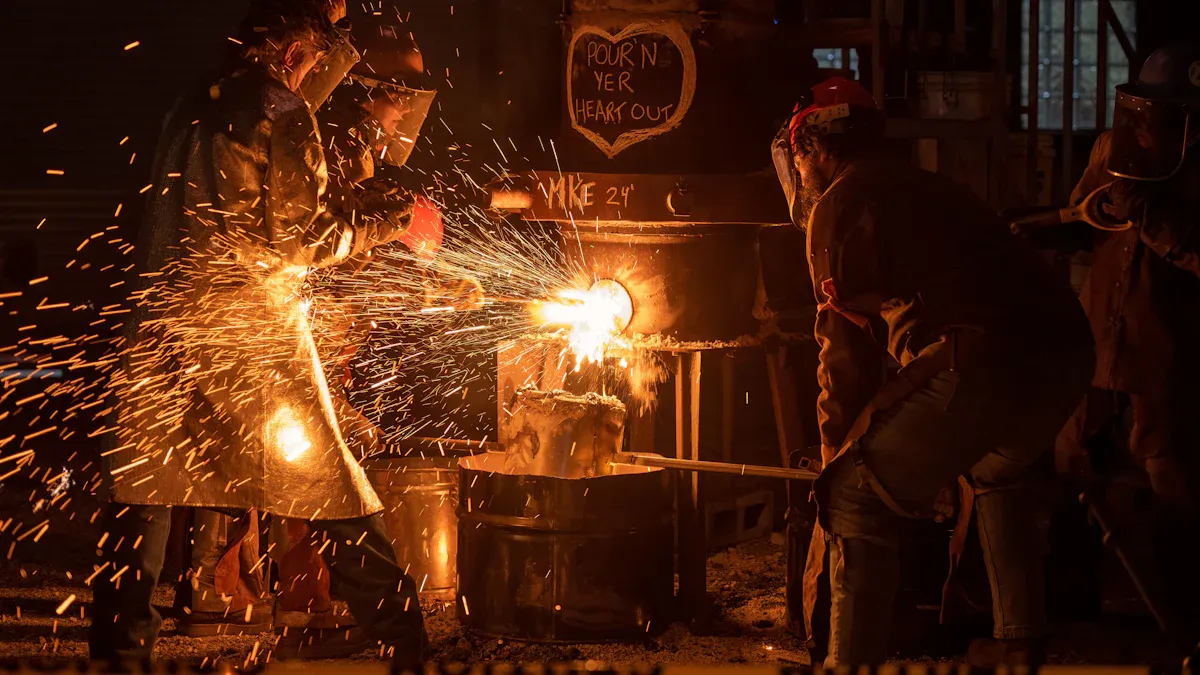
Hardware groups pair rough casting. They add fine secondary cutting. KEMING joins investment casting. It uses mill turning finishing steps. Rough shapes save raw metal. They also lower tool wear. Matching casts with machine points works. It keeps parts centered well. This cuts extra fix work. It helps speed up sales.
New mill-turn machining changes factories now. It joins turning with milling. It uses one setup. This cnc machining technique builds big growth. It aims for 11.1% CAGR. Grouped shops like KEMING work well. They mix custom casting with mill turning. This speeds up output.
Makers must use smart rules:
| Design Rule | Recommendation |
|---|---|
| Single-Setup | Cut main parts in once. |
| Aspect Ratio | Keep free $L/D \le 4:1$. |
FAQ
What are the main advantages of mill-turn machining?
Highly complex parts can be easily machined in a single setup. This simplified method avoids additional manual operations, allows for quick correction of clamping errors, and significantly improves factory productivity.
How do mill-turn machining centers reduce production costs?
A single intelligent tool can perform both turning and milling operations. Special parts require fewer fixtures, saving valuable labor time and rapidly reducing tooling costs.
Which materials are best suited for mill-turn machining?
Excellent machining workshops utilize mill-turn machining. It can machine steel and high-hardness aluminum, efficiently machine cemented carbide, and precisely repair precision castings.