EN
EN  DE
DE  ES
ES  FR
FR  PT
PT  RU
RU 
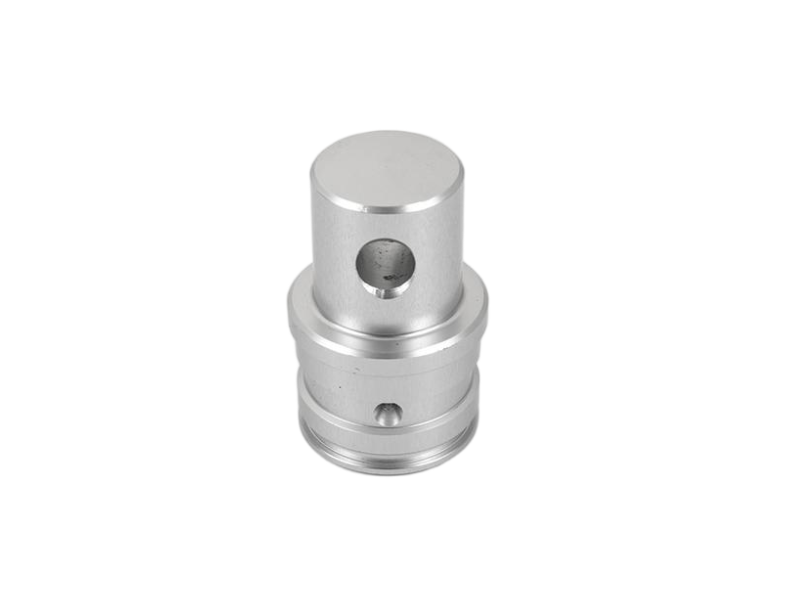
A356 is the best aluminum alloy for sand casting because of its 7% silicon content, excellent flowability, high fatigue strength, and pressure resistance. Engineers select the ideal aluminum alloys for sand casting based on their needs. A360 offers the highest rust protection, whereas 357-T6 and A201-T7 endure high temperatures well. Metal factories avoid die-cast aluminum alloys such as ADC12. Choosing the correct alloy helps create better aluminum components.
Key Takeaways
- Engineers select A356 aluminum for sand casting because silicon allows liquid metal to move easily into detailed mold shapes.
- A360 aluminum gives the best rust protection for ocean equipment and makes tight, leak-proof custom metal parts.
- Special alloys like A201-T7 handle extreme heat and stop engine parts from warping during high-temperature uses.
Key Factors in Selecting Aluminium Alloys for Sand Casting
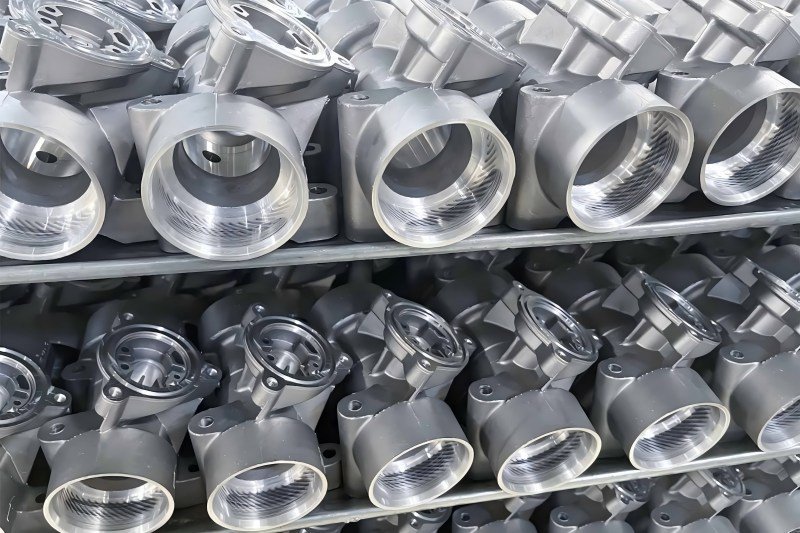
Engineers study how materials act while liquid metal flows and cools into solid shapes. This liquid movement shows if hot metal can fill detailed mold spaces completely.
Fluidity and Shrinkage Control
The silicon level in aluminium alloys guides metal flow and lowers shrinking as it cools. Pure aluminium flows poorly into molds and shrinks a lot when hardening. Mixing in silicon shrinks the cooling temperature gap, which stops flaws as the metal sets.
Adding silicon helps metal fill molds better while cutting down total cooling shrinkage:
| Silicon content | Fluidity vs pure Al | Volumetric solidification shrinkage |
|---|---|---|
| 0% (pure Al) | baseline | ~6.6% |
| 7% (A356) | ~50% improved | ~4.5% |
| 12% (A413) | ~100% improved | ~3.8% |
Extra silicon helps when making detailed parts with thin walls. These extra materials help metal fill whole molds before hardening completely.
Machinability and Mechanical Strength
Steps after casting require picking the right sand casting aluminium alloys with care. Sand molds cool hot metal slowly. This slow cooling creates rougher internal patterns, making parts weaker than those from reusable metal molds. Metal shops usually add grain refiners to boost strength and rebuild lost toughness.
Picking aluminium alloys for sand casting means balancing part strength with easy cutting. Silicon helps metal flow but makes shaping much harder. High-silicon metals like LM6 create cutting problems, but A356 cuts easily while keeping great strength. Makers like KEMING Machinery build precise parts from aluminium casting alloys that follow global standards like ASTM, DIN, and JIS. Reviewing common aluminium alloys used for factory needs helps you find the best aluminium alloy for your job. Choosing the right aluminium alloy for sand casting guarantees sturdy finished parts.
Top Best Aluminium Alloy Choices for Sand Casting
A356 and LM25 Alloys
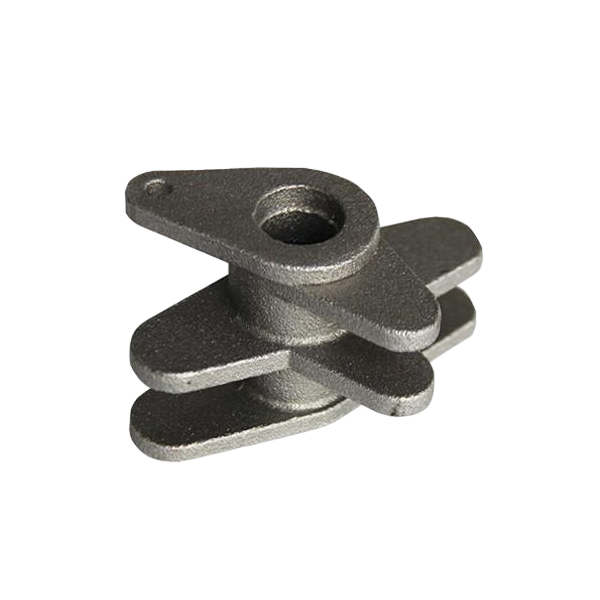
Engineers view A356 as the top choice among sand casting aluminium alloys for structural jobs. This flexible metal gives strong physical results after a complete heat treatment process. Metal shops use standard T6 heating methods to increase surface hardness, pulling strength, and overall part durability. This solid material delivers a great strength-to-weight ratio along with good metal flexibility. These useful aluminium alloys help modern foundries build dependable load-bearing parts for heavy factory jobs across many big industries.
Foundries pour these melted metals into detailed sand mold spaces every day. Car makers choose this trusted metal group to produce high-volume structural parts like cylinder heads, engine blocks, and alloy wheels. Defense builders craft heavy tank track wheels and important missile parts from T6 treated LM25 and A356 metals to meet tough military rules. Boat equipment makers build sturdy pump bodies and open deck parts using these rust-resistant lightweight aluminium components.
| Industry / context | Application example | Material role |
|---|---|---|
| General engineering | Structural machinery frames | LM25 serves as the industry standard alloy. |
| Automotive | Engine blocks and cylinder heads | A356 delivers structural strength under stress. |
| Defense | Tank track tensioner wheels | Heat-treated LM25 withstands safety-critical loads. |
| Marine | Pump bodies and deck fittings | Natural corrosion resistance protects parts. |
A360 and 357-T6 Alloys
Engineers study different aluminium alloys carefully before starting new factory production runs. Regular 319 metal works fine for basic building shapes. However, tough factory jobs need better material strength and longer working life. Picking top sand casting aluminium alloys ensures parts last a long time under hard conditions. High-silicon A360 alloy gives maximum rust protection and flows better as liquid metal inside deep mold spaces. This special material forms detailed, pressure-tight custom aluminium parts for rough ocean settings.
Modern metal shops melt aluminium alloys often to pour high-grade aluminium shapes for business clients. Very hot working settings require special metal choices made with exact chemical blends. The 357-T6 heat-treatable alloy provides higher yield strength than standard 356 metal because it reacts better to heating. Aircraft engineers pick A201-T7 when key structural parts must handle extreme heat during high-temperature operations.
KEMING makes precise custom metal parts to satisfy many different customer needs. The business offers shell mold sand casting together with detailed CNC milling and lathe turning work. This casting method creates tight fits and smooth surface finishes for tough automotive, ocean, and industrial markets. Factory plants make custom OEM parts that follow ASTM, DIN, and JIS global engineering rules strictly. KEMING turns the best aluminium alloys into long-lasting factory products that work well in hard conditions.
Specialized Sand Casting Aluminium Alloys
Engineers pick special sand casting aluminium alloys to solve different engineering problems across industrial jobs.
High-Temperature and Thermal Alloys
High working heat ruins regular metals fast. Engine parts and exhaust pipes feel intense heat cycles during normal vehicle use. Special aluminium alloys keep good pulling strength under high working temperatures. Advanced aluminium alloys resist heat bending under steady stress. Adding copper or nickel boosts heat strength over long work shifts.
Engineers choose heat-resistant metals for tough hot spaces. For instance, A201 alloy gives high pulling strength at hot temperatures. Metal shops pour liquid aluminium into molds using regular sand casting to make heavy turbocharger covers. Proper heating sets the inner grain layout of the finished part. This exact heating step stops shape twisting during extreme heat exposure.
Marine and Corrosion-Resistant Alloys
Ocean water settings cause fast rust and metal damage. Boat hardware needs great chemical defense to survive rough ocean conditions. Some special aluminium alloys for sand casting have high magnesium levels to stop bad ocean rust. Other tough aluminium alloys work very well in salt spray tests. Every special alloy gives specific defense perks.
535 alloy offers great rust defense and strong hit toughness. Boat tool makers use light aluminium for ship steering setups, deck mounts, and underwater parts. Strong aluminium alloys give long working lives without extra outer protective coats.
Foundries pick custom casting methods for hard boat hardware. Melted aluminium flows easily during sand casting to make thick structural walls. Today’s sand casting plants check each metal part using smart testing tools. Good makers turn raw aluminium into strong parts using careful pouring steps.
Foundries prefer A356 because it works well for many sand casting jobs. Engineers select A360 to stop ocean rust and pick A201-T7 to handle extreme heat. Comparing different aluminum choices helps factory managers choose the best aluminum alloy for your application. Every real manufacturing job needs careful testing of raw aluminum purity, sand casting fluidity, aluminum strength, aluminum durability, and total alloy cost before full production starts.
FAQ
Why do engineers select A356 for sand casting?
Engineers choose A356 because its 7% silicon helps liquid metal flow smoothly into molds. This process creates strong metal frames and solid aluminum parts that last long.
Which metal works best in marine environments?
A360 aluminum gives the highest rust defense for hard ocean uses. The melted metal easily fills tight mold spaces, helping finished gear survive rough saltwater conditions.
Should manufacturers use die-casting materials for sand molds?
Metal shops avoid die-cast metals like ADC12. Instead, workers select special sand-casting alloys to build sturdy parts. Clean aluminum castings easily meet strict safety rules.