EN
EN  DE
DE  ES
ES  FR
FR  PT
PT  RU
RU 
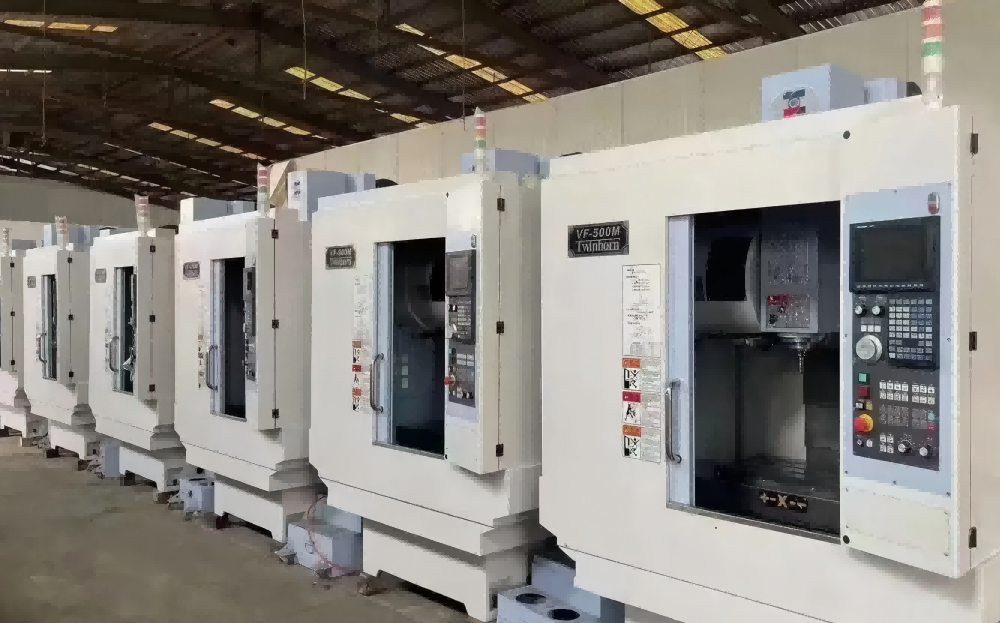
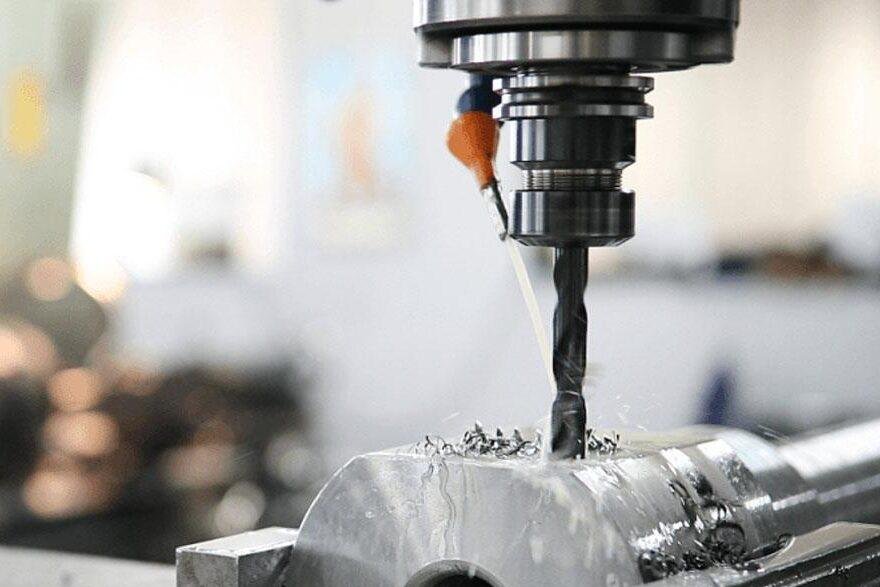
Selecting the optimal steel for CNC machining requires careful consideration. Engineers evaluate key properties including tensile strength and hardness, alongside machinability. Referring to a material selection guide helps reduce overall production costs. Suppliers and manufacturers also assess material suitability and potential cutting tool wear when choosing steel grades.
Key Takeaways
- Pick specific steel types for your needs.
- Choose steel based on strength and speed.
- It also helps stop rust.
- Use easy-to-cut steels like 12L14.
- This helps you cut parts much faster.
- It saves your expensive tools from damage.
- Mix custom metal casting with CNC machining.
- This plan will cut down on waste.
- It will also save you lots of money.
The Best Steel Choice for Precision CNC Machining
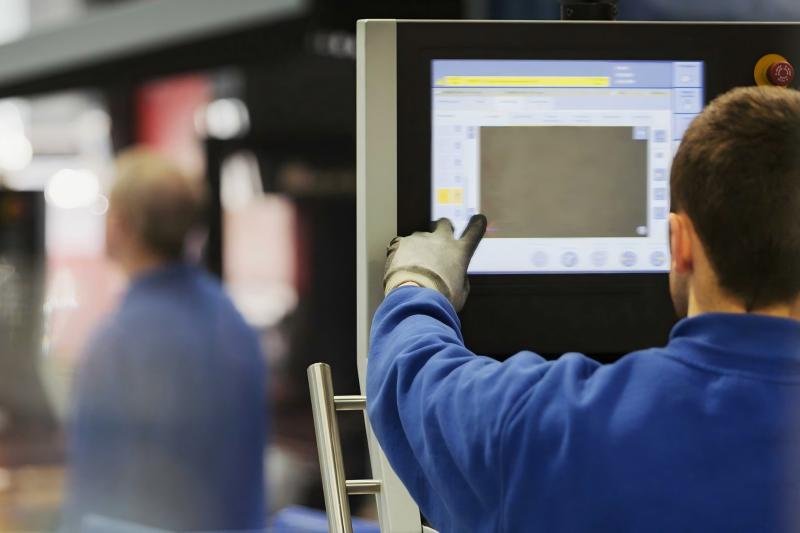
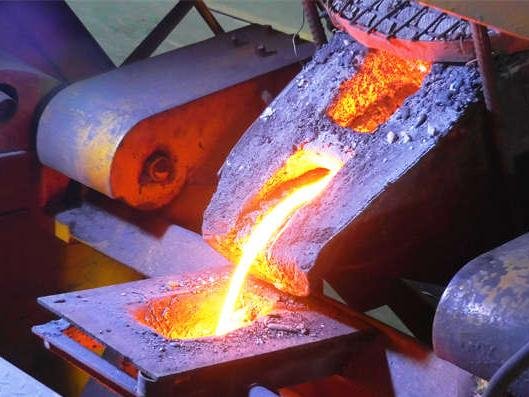
Engineers control chip breakage by adjusting carbon content and alloy composition. Special chemical compositions make the metal easier to cut. Comming’s factory uses intelligent casting processes combined with CNC machining technology to quickly manufacture complex metal parts, reducing scrap and increasing processing speed.
12L14 Free-Cutting Steel, Suitable for High-Speed Machining
12L14 steel has added lead, making it faster to cut. This metal is ideal for high-speed CNC turning.
| Lathe Operation | Recommended Cutting Speed (SFM) |
|---|---|
| General Turning | 1740 – 2360 |
| Milling | 1080 – 1475 |
1018 Mild Steel for Versatile Machined Parts
1018 mild steel cuts well. It works for basic everyday jobs.
- Common applications: Shafts, fixtures, and hardware parts.
- Weldability benefits: Low carbon keeps welds strong.
4140 Alloy Steel for Toughness and Strength
4140 alloy steel stays very strong. It handles big loads and hard stress. Heat treating boosts metal strength:
- Heat metal to 1550°F.
- Cool it quickly in oil.
- Warm it to 600°F.
304 and 316 Stainless Steel for Corrosion Resistance
Stainless steel stops rust very well. It lasts in harsh places. Quick surface hardening wears down tools fast.
| Grade | Work-Hardening Challenge | Recommended CNC Machining Solution |
|---|---|---|
| 304 | Rapid surface hardening | Keep a steady feed rate |
| 316 | High cutting pressure | Cut without stopping the tool |
416 Stainless Steel: Excellent Machining Performance
The added sulfur in 416 stainless steel makes it easy to cut and readily CNC machined. Manufacturers choose this top-grade steel because of its high strength, good rust resistance, and ability to improve the precision of custom parts.
Guide to Steel Selection for Machinery Manufacturing
Engineers follow a step-by-step guideline for building heavy machinery. Machinery frames require high-strength steel to ensure their structural strength.
A36 Structural Steel: Building Robust Machinery Frames
A36 steel is ideal for building robust foundation structures and is well-suited for frame construction. Many factories choose this steel because it facilitates the manufacture of large structural components.
| Property / Feature | Technical Detail | Relevance to Machine Bases & Structural Frames |
|---|---|---|
| Weldability | Clean steel mixes well. It welds easily. | Welds do not crack easily. |
| Yield Strength | Strong load capacity starts at 36 ksi. | Bases hold very heavy loads. |
| Dimensional Stability | Warm heat treating reduces stress. | Final shapes stay very true. |
| Machinability & Ductility | Softer steel bends without snapping. | Holes drill out very smoothly. |
Warm heat treating stops warping. Do this before final milling:
| Process Stage | Specification | Operational Details |
|---|---|---|
| Heating Ramp | Heat under 400 °F hourly. | Slow heating stops heat stress. |
| Soak Temperature | Warm metal to 1100 °F. | Soft heat drops inner tension. |
| Soak Duration | Wait 1 hour per inch. | Long soaking spreads heat well. |
| Controlled Cooling | Cool under 400 °F hourly. | Cool metal stays very stable. |
Alloy Tool Steel for Spindles and Linear Guides
Spindles require high-strength core materials. Tough steels such as O1 can withstand weight and have good fatigue resistance. These metals can withstand high friction. Hardened guides ensure linear machining of parts. Rapid cutting requires precise alignment. High-quality alloys have excellent machinability. Roughing is followed by finishing and then reheating.
Applications of Precision Casting and Bar Machining in Machined Parts
Machining workshops compare solid bars and consider custom metal molds. Commin offers intelligent metal casting services. Molds reduce metal waste.
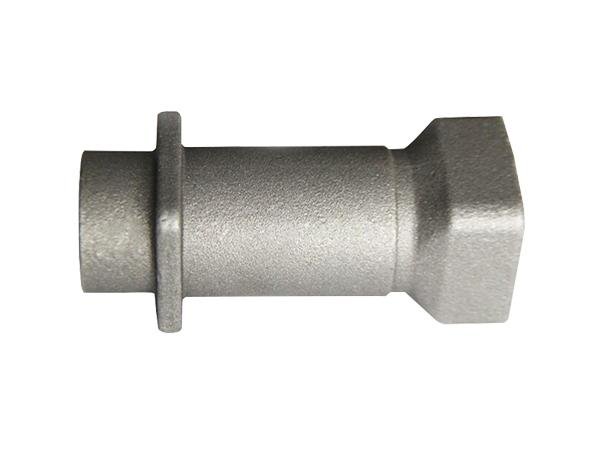
This intelligent approach saves metal. Machining workshops can obtain parts with extremely high strength. Molds can shorten overall machining time. Castings are suitable for large motor housings and can be used to manufacture robust mounting brackets. Intelligent metal casting processes can save tooling and reduce the overall cost of parts. Efficient machining processes help increase output.
Key Factors in Material Selection for CNC Processing
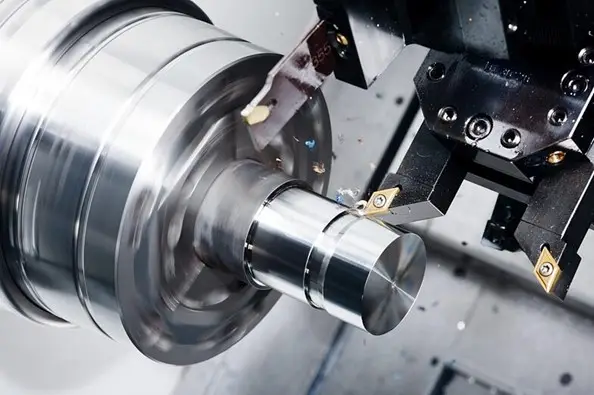
Shop leaders need a clean guide. Selecting candidate materials takes extra care. Metal selection balance cuts shop costs. It also boosts performance. KEMING factory engineers check every steel grade. They want to streamline cnc operations.
Machinability Rating and Cutting Tool Wear
Machinability shows tool ease. Lower ratings increase tool wear. It causes long downtime during precision cnc machining.
| Coating Type | Wear Reduction Mechanism | Optimal Conditions |
|---|---|---|
| TiAlN | Forms a protective alumina ($Al_2O_3$) thermal barrier at high temperatures that self-regenerates during operation. | Hardened steel (45–65 HRC), high-speed dry milling, aggressive heat environments. |
| AlTiN | Utilizes a higher aluminum ratio to achieve increased hardness and superior oxidation resistance at extreme thermal limits. | Machining hard steels at maximum cutting speeds and extreme heat levels. |
Coated tools reduce bad friction. They suit demanding machining applications. Advanced custom coatings keep tools sharp. They work well across intense applications.
Heat Treatment, Hardness, and Tensile Strength
Heat treatment alters the internal structure of steel. Higher hardness increases ultimate tensile strength, particularly beneficial for dynamic applications.
Conversion tables based on ASTM A370 provide approximate relationships between hardness and tensile strength for different steels. These estimates apply to both ferritic and martensitic stainless steels, but specific heat treatments or compositions can lead to different results. Furthermore, these general relationships do not explicitly apply to austenitic stainless steels.
High-strength core materials offer good bending resistance. Surface hardening provides excellent abrasion resistance. Through-body hardening increases overall strength, suitable for a wide range of industrial applications.
Manufacturability-Oriented Design and Machining Costs
Manufacturability-oriented design reduces shop floor costs, thereby lowering total production costs and facilitating the production of precision parts. Choosing the right materials allows for control over raw material costs, which is especially important for large-volume orders.
Trusted wholesale manufacturers adhere to global standards, including ASTM, DIN, and JIS. All suppliers conduct hardness testing and magnetic particle inspection. They also perform X-ray defect inspection. These quality control steps ensure reliable performance and are applied in the automotive and marine industries. Carefully selected materials guarantee perfect CNC machining efficiency and extend tool life, thus contributing to everyday structural applications. Custom casting combined with secondary precision CNC machining reduces material waste and helps cope with demanding manufacturing applications. The factory team meticulously optimizes CNC speeds and protects precision CNC tools, thus contributing to heavy-duty manufacturing applications. High-strength parts serve critical industrial applications. Robust steel parts undergo rigorous testing and remain intact throughout the entire machining production process. Each precision CNC machine tool delivers a smooth surface and plays a role in standard custom metalworking cycles.
Engineers pick steel carefully. They check strength and costs. They study weather risks too. This quick guide simplifies choices.
Smart steel choices improve strength. They build better parts. Factories use steel wisely. Special cnc tools shape parts. Easy cnc machining ensures accuracy. Smart cnc machining cuts waste. It helps long runs. Tailored cnc machining keeps output high. Custom cnc machining keeps fits tight. It helps strong builds.
FAQ
Which steel is best suited for high-speed CNC machining?
Machining workshops typically choose 12L14 steel for rapid machining. Lead helps break chips quickly, effectively protecting the cutting tools, resulting in extremely fast machining speeds.
How do manufacturers choose steel for high-strength CNC machining?
Manufacturers choose 4140 alloy steel. This steel has extremely high strength, and its toughness is enhanced at high temperatures, allowing high-strength parts to withstand high stress.
Why combine precision casting with secondary CNC machining?
Casting processes result in more compact parts and reduce raw material waste. Rapid milling can finish edges, allowing buyers to quickly obtain parts at a lower cost.