EN
EN  DE
DE  ES
ES  FR
FR  PT
PT  RU
RU 
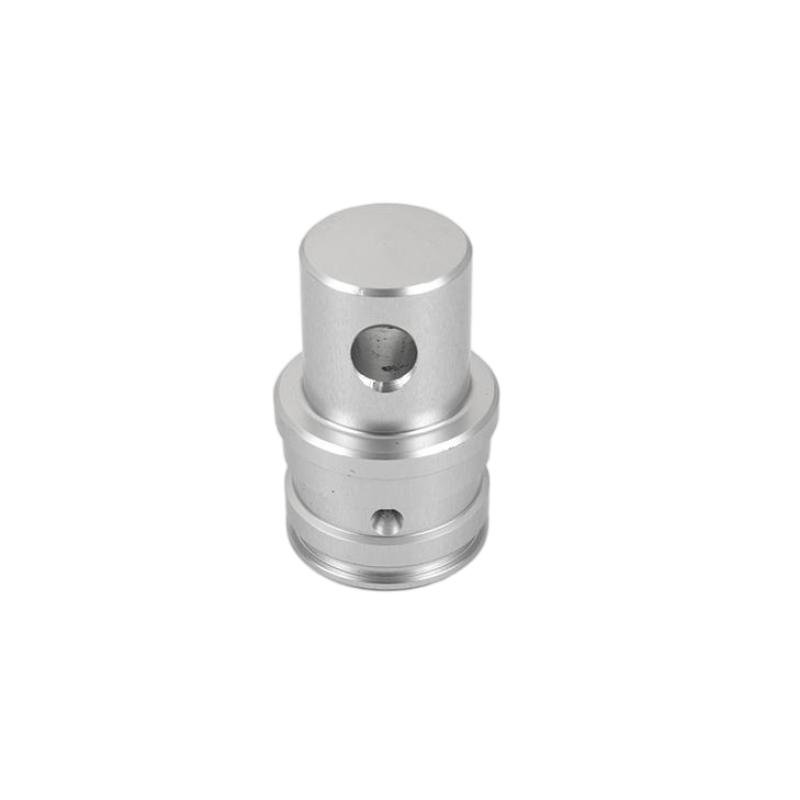
Manufacturers choose high-speed milling to remove material quickly, especially when milling aluminum. High-speed milling also helps with better chip removal, ensuring a smoother machining process. Low-speed milling, on the other hand, prevents defects and extends tool life. Milling aluminum alters the surface smoothness, which directly affects machining quality and the probability of defects.
Key Takeaways
- Choose the appropriate milling speed based on the type of aluminum alloy. Softer aluminum alloys can be milled faster, resulting in a smoother surface. Harder aluminum alloys require lower milling speeds, which helps reduce defects.
- Use carbide tools for high-speed milling. Carbide tools improve milling efficiency and have a longer service life. High-speed steel tools are better suited for slow-speed milling.
- Observe the machine tool closely to ensure stable operation. Adjust the feed rate and spindle speed as needed. This helps reduce defects and maintain a smooth surface finish when milling aluminum.
Milling Speed Factors
The Impact of Aluminum Alloy Machining
There are many types of aluminum alloys, each with different properties. Some alloys are softer and easier to cut; others are harder and require lower machining speeds. Manufacturers choose the appropriate alloy based on different machining requirements. Softer alloys can be milled quickly, resulting in smoother, flatter surfaces. Harder alloys require lower milling speeds, which helps reduce tool wear and defects. Understanding these basics helps suppliers choose the optimal aluminum alloy milling method.
Tool Material Selection
Tool material is crucial in aluminum alloy milling. Carbide tools offer high machining speeds and long lifespans and are often used for machining custom parts. High-speed steel tools are better suited for low-speed milling. Tool selection depends on the type of alloy and the desired surface finish. Many factories use carbide tools to achieve good machining results. Choosing the right tool can result in smooth surfaces and longer tool life.
Machine Tool Stability
Machine tool stability is critical to milling speed. Problems arise if the machine tool shakes or becomes unstable. High-speed milling is prone to chatter marks and rough spots. Factories typically use large supports to maintain the straightness of parts, rather than point clamping. Staged machining and heat equalization help maintain high quality. Stable machines allow factories to increase processing speed and reduce errors.
Feeds and Speeds Adjustment
Changing feeds and speeds is very important. The table below shows what works best:
| Parameter | Recommended Range | Impact on Tool Life |
|---|---|---|
| Cutting Speed | 300-500 m/min | Reduces heat generation |
| Feed Rate | 0.1-0.3 mm/rev | Prevents chip buildup |
| Depth of Cut | 1-3 mm | Controls cutting forces |
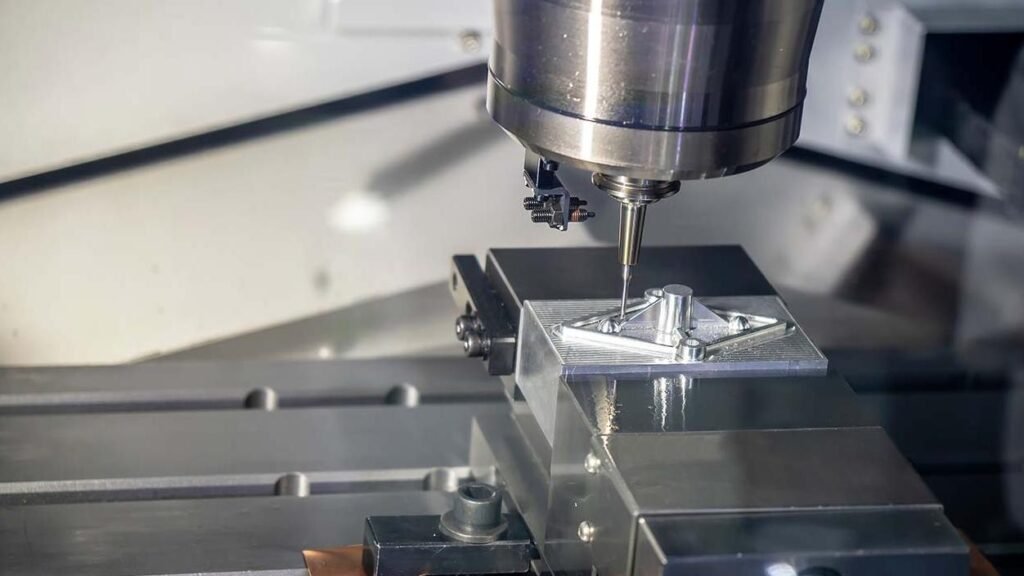
Fast vs. Slow Milling Effects
Surface Finish Results
Surface finish is crucial in aluminum milling. Manufacturers compare high-speed and low-speed milling to achieve optimal results. High-speed milling can produce a smoother surface, but this is only achievable with proper settings. The table below shows how different milling methods affect surface finish:
| Milling Method | Speed (RPM) | Feed Rate (m/min) | Stepover (mm) | Surface Finish (Ra) |
|---|---|---|---|---|
| Traditional | 8,000 | 3 | 0.5 | Ra 3.2μm |
| Pre-Optimized | 18,000 | 8 | 0.3 | Ra 1.6μm |
| Ultra-Fine | 24,000 | 6 | 0.15 | Ra 0.8μm |
| Speed-First | 20,000 | 12 | 0.4 | Ra 2.0μm |
Factories using high-speed milling typically achieve lower surface roughness (Ra value), meaning smoother surfaces. Custom parts for automobiles and aircraft require fine surface finishes. Suppliers select the appropriate milling speed for each machining task. Lower-speed milling is more effective when alloys are hard or when extending tool life is required. Large orders for aluminum parts require consistent surface quality. Factories adjust milling speeds based on actual needs.
Tool Life Considerations
Tool life depends on cutting speed and feed rate. While high-speed milling removes more material, it also generates more heat, which accelerates tool wear. Manufacturers must strike a balance between increasing machining speed and extending tool life. The following points illustrate how tool life varies with milling speed:
- Changing feed rates keeps chip load steady and lowers tool wear.
- Using good speeds and feeds makes surfaces better and stops tool chatter.
- Staying in the right settings keeps tools strong and reduces wear.
- Higher cutting speed can make tools wear out faster because of heat.
- Picking the best cutting speed for the material and tool helps balance work speed and tool life.
Factories and suppliers use carbide cutting tools for high-speed milling. These tools have longer lifespans and are ideal for machining aluminum. High-speed milling of aluminum accelerates tool wear. Factories frequently inspect tool condition. Custom machining may require reduced spindle speeds to protect the tools and maintain machining quality.
Efficiency and Heat Dissipation
Efficiency is critical for factories and manufacturers. High-speed milling removes more material and shortens cycle times. This helps suppliers complete large orders quickly. The table below compares the differences between climb milling and conventional milling in terms of heat dissipation and chip removal:
| Aspect | Climb Milling | Conventional Milling |
|---|---|---|
| Chip Width | Starts at maximum and decreases | Starts at zero and increases |
| Heat Transfer | Transfers heat to the chip, minimizing workpiece heat | Generates heat at the workpiece, leading to work hardening |
| Tool Wear | Less tool rubbing, enhanced tool life | Faster tool wear over time |
| Chip Evacuation | More effective due to reduced chip recutting | Less effective, higher chance of chip recutting |
| Coolant Usage | High pressure coolant enhances chip evacuation | Flooding may be necessary for temperature control |
High speed milling helps chips move away and keeps the workpiece cooler. Factories use high pressure coolant to control heat and stop defects. Suppliers change axial depth of cut, radial depth of cut, and feed rate to get more material removed. Even small increases in material removal rate help productivity and lower costs per part. Makers of car and plane parts benefit from these efficiency gains.
Tip: Good chip removal and heat control are important for keeping tool life and surface quality during aluminum milling.
Defect Risks
Defects such as burrs and surface tears may occur during aluminum milling. Maintaining an appropriate cutting speed can prevent material adhesion. For 6061-T6 aluminum alloys, a cutting speed of 800–1200 SFM helps reduce burrs. Excessively high feed rates may cause surface tears, thus affecting surface quality. These risks should be closely monitored by the factory and suppliers.
- Slow milling lowers the chance of defects and helps tools last longer.
- High speed milling can make more heat and cause more burrs if not handled well.
- Custom parts need careful speed changes to avoid defects.
- Big orders need steady quality, so factories use stable speeds.
Manufacturers pick the best speed based on the alloy, tool, and machine stability. They change settings to balance efficiency, surface finish, and tool life. KEMING’s factory uses advanced CNC milling speed controls to make high-quality aluminum parts for every order.
Mill Aluminum Fast: Pros and Cons
Benefits of High-Speed Milling
Factories and suppliers often pick high speed milling to remove more material and work faster. This helps them finish big orders quickly, which is important for car and airplane parts. High speed milling can go up to three times faster than old methods. For softer aluminum alloys, the speed can even double, making the job much quicker.
The table below shows the main good things about high speed milling for aluminum:
| Advantage | Description |
|---|---|
| Improve Efficiency | High-speed milling can achieve cutting speeds up to three times that of traditional milling. |
| For softer aluminum alloys, speeds can be doubled, significantly enhancing productivity. | |
| High Surface Quality | High-speed milling achieves processing accuracy of 10μm or better, with surface roughness Ra < 1μm. |
| Minimal temperature rise (about 3°C) prevents the formation of metamorphic layers and micro-cracks. |
When milling aluminum at high speeds in a factory, chips are better removed from the workpiece surface. The faster cutting speeds allow chips to fall off cleanly and efficiently. This means chips don’t adhere to the tool, reducing machining problems. High-speed milling also slightly increases the temperature in the cutting zone. This softens the aluminum, making it easier to cut. Simultaneously, it prevents the formation of built-up edge, the metal adhering to the tool and compromising surface finish.
Custom manufacturers and large suppliers leverage these advantages to produce high-quality aluminum parts with precise dimensions. By selecting appropriate CNC milling speeds, they achieve both rapid machining and excellent surface finishes.
Challenges and Risks
While high-speed milling offers many advantages, it also presents some challenges. The factory must closely monitor the machining process to prevent tool damage and part defects. The table below lists the main risks and issues when high-speed milling aluminum:
| Risk/Challenge | Description |
|---|---|
| Built-up edge | Can occur if not monitored properly, leading to tool degradation and quality issues. |
| Excessive heat | Can soften the aluminum, causing premature tool wear and affecting edge quality. |
| Chip control issues | High-speed milling can complicate chip evacuation, leading to potential operational challenges. |
Excessive cutting speeds can lead to excessive heat buildup. This heat can soften the aluminum and accelerate tool wear. If chips cannot be removed promptly, they can become stuck on the workpiece surface, damaging the workpiece or tool. Even though high-speed milling helps reduce built-up edge (BUE), it can still occur if the machining process is not monitored.
Shops also need to balance feed rate and cutting speed. Higher feed rates remove more material quickly during roughing. Lower feed rates result in smoother surfaces during finishing. High-speed milling can lead to tool breakage or dimensional deviations if the machine vibrates or the tool is unsuitable.
Understanding the basic principles of aluminum milling helps shops and suppliers avoid these problems. By monitoring chip removal, heat, and tool wear, they can mill aluminum quickly and maintain high quality.
Optimal Milling Speed Tips
Choosing the Appropriate Milling Speed
Manufacturers and suppliers follow these steps to select the optimal milling speed. They first consult machining manuals and online guides. These guides provide initial milling speeds for aluminum alloys and cutting tools. Aluminum milling speed tables help factories compare milling speeds for different materials. These tables recommend milling speeds of 200–500 m/min for aluminum. The spindle speed for aluminum milling is higher than for steel. Custom machining may require adjustments based on part shape and clamping method. The Coming factory uses advanced CNC systems to improve machining efficiency. Operators listen for unusual sounds and check the coolant to control temperature during high-speed milling.
| Material Type | Recommended Cutting Speed (m/min) | Spindle Speed (RPM) |
|---|---|---|
| Aluminum | 200–500 | Higher than steel |
| Ferrous Metals | 60–150 | Lower than aluminum |
Common Mistakes to Avoid
Factories sometimes make mistakes with feeds and speeds. Using too many flutes on aluminum can clog chips and slow work. Picking the wrong tool, like high-speed steel for tough jobs, wears out tools faster. Not checking machine limits can overload tools. Bad speed settings make tool marks and raise costs. Suppliers stop these mistakes by using the speed chart and watching tool condition.
Practical Advice for Feeds and Speeds
Manufacturers start with suggested values and change them as needed. For aluminum, faster speeds and shallow cuts help remove chips and make surfaces smoother. Coolant keeps things cool and helps tools last longer. KEMING’s quality checks make sure every project meets world standards. Big and custom orders use smart CNC systems that adjust settings in real time. Good tool paths and feed changes help factories get steady results.
Tip: Always use the aluminum milling speed chart and tool maker rules for best results.
Factories get the best results when they pick the right milling speed for the alloy, tool material, and how steady the machine is. Fast milling helps them work faster. Slow milling helps tools last longer and keeps the surface smooth. Important things to think about are chip load, feed rate, and cutting speed. Suppliers can count on KEMING for good investment casting and CNC machining.
FAQ
What is the optimal milling speed for aluminum?
Most factories use speeds between 200 and 500 meters per minute. Komin recommends starting milling speeds of 300 meters per minute for custom parts. This speed helps balance rapid machining with extended tool life.
How does tool material affect milling speed?
Carbide tools allow factories to mill aluminum faster. High-speed steel tools are better suited for lower-speed milling. Factories select tools based on the type of alloy and the desired surface finish.
Does high-speed milling cause defects in aluminum parts?
Excessive milling speed can lead to increased burrs or roughness. Suppliers monitor chip evacuation and heat generation to avoid these problems. Komin conducts quality checks to ensure the quality of large orders.