EN
EN  DE
DE  ES
ES  FR
FR  PT
PT  RU
RU 
Is 304 or 316 stainless easier to machine?
304 stainless steel is easier to machine than 316 stainless steel. Machinability will affect your budget and spending habits. 304 stainless steel causes less wear on tools and requires less machining time,
304 stainless steel is easier to machine than 316 stainless steel. Machinability will affect your budget and spending habits. 304 stainless steel causes less wear on tools and requires less machining time,
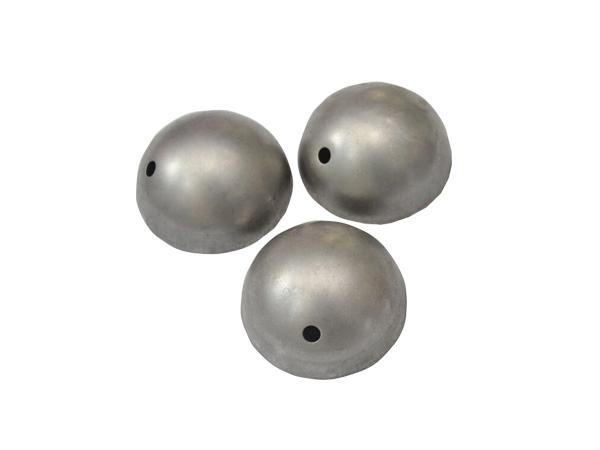
When making wax casting, crafting a wax model requires following these steps. First, choose a sturdy and precise material. A suitable mold material helps control shrinkage to below 1%, ensuring a
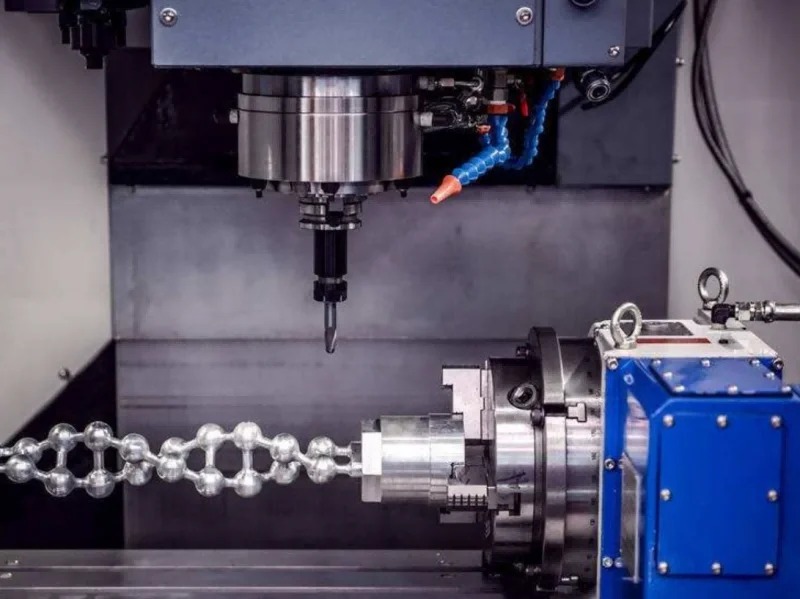
CNC machined parts are manufactured using computer-controlled machines. These parts are extremely precise. They are used in many industries; you can find them in products such as engines, implants, and electronic
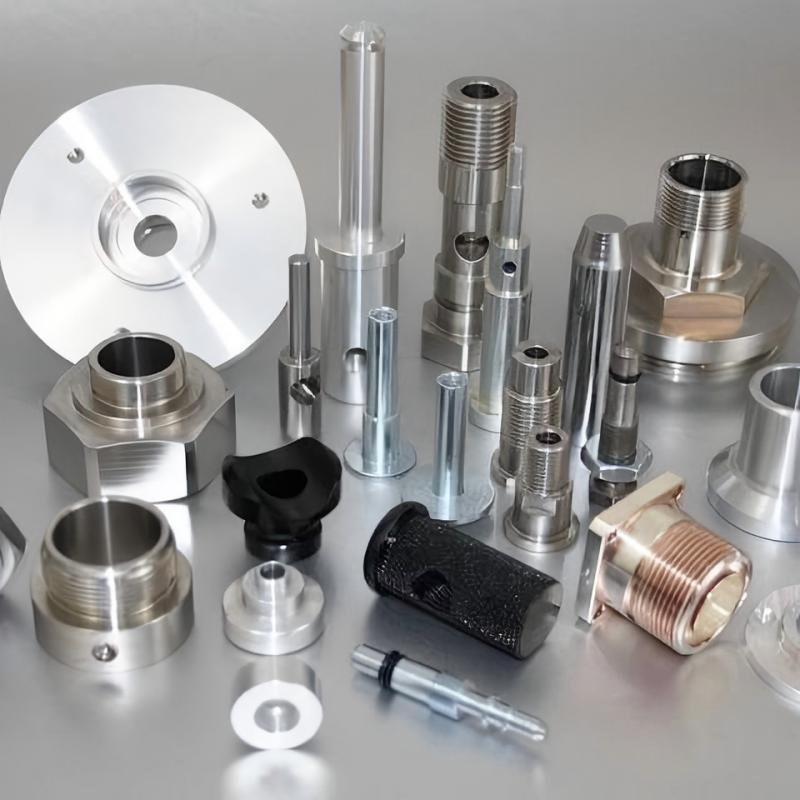
CNC turning is crucial in modern manufacturing, but operators frequently encounter numerous problems. The most common CNC turning issues include cutting burrs, tool leaks, bearing wear, feed problems, vibration, clamping malfunctions,
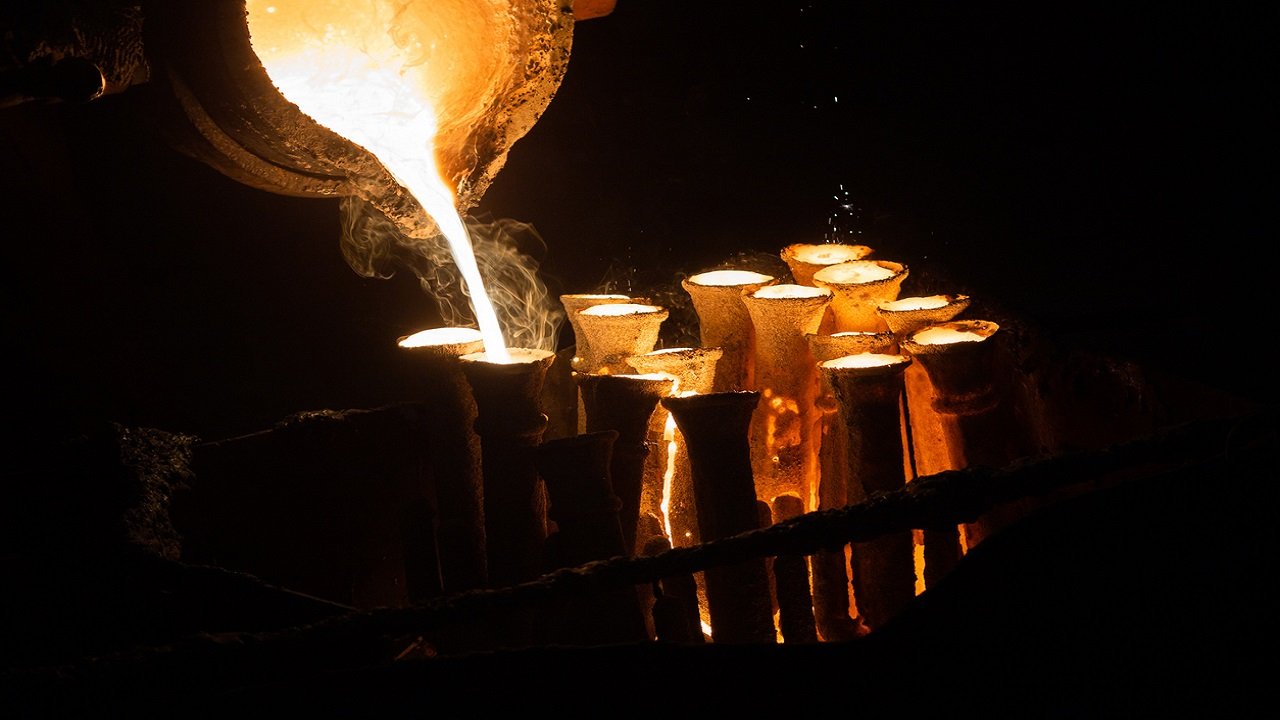
Lost wax casting is not the only way to make metal parts. Other ways include sand casting, die casting, 3D printing, Delft Clay Casting, centrifugal casting, and investment casting with different
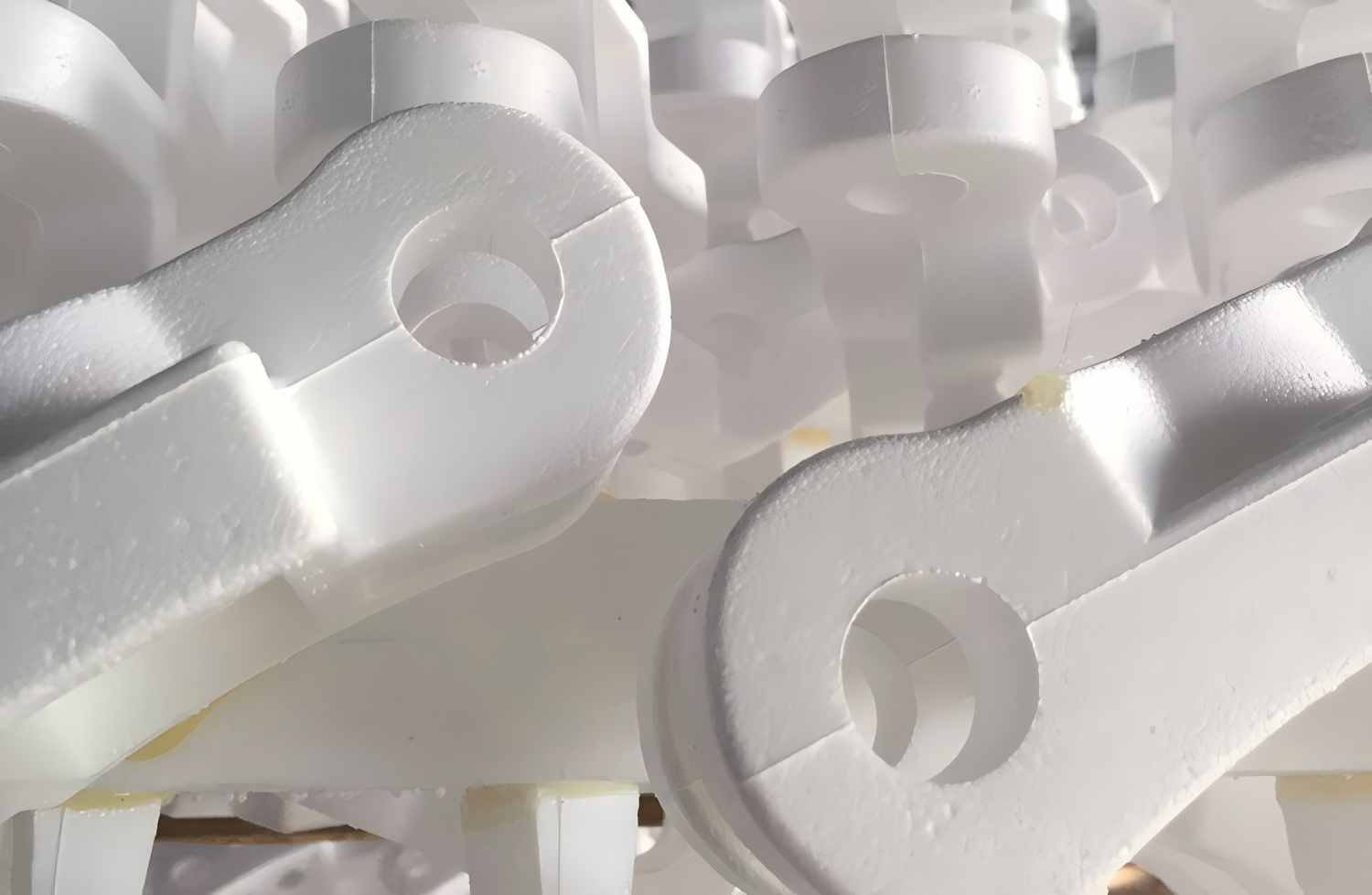
Fabricating patterns is an efficient method for producing complex castings via the lost foam process. Selecting the appropriate foam material and adhering to safety standards ensures the production of high-quality castings. KEMING
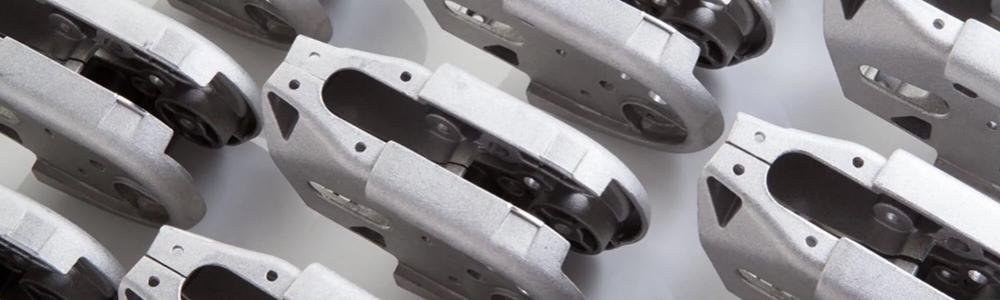
From aerospace turbine blades to medical implants, expendable casting produces the complex metal components that modern industry depends on. Also known as expendable mold casting, this manufacturing process uses single-use
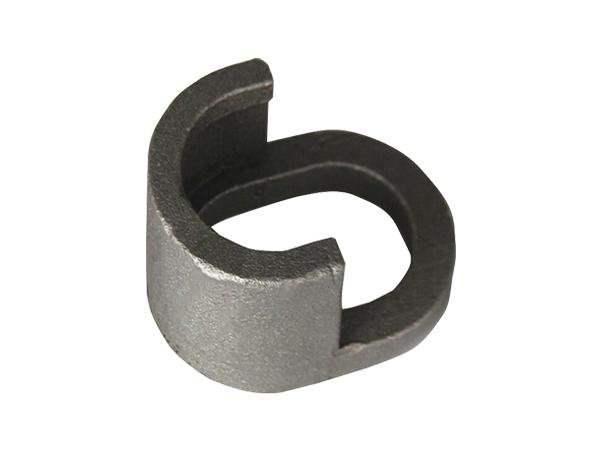
Sand mold casting — packing binder-treated sand around a pattern to form a disposable mold, then pouring molten metal into the cavity — is the most widely used metal casting
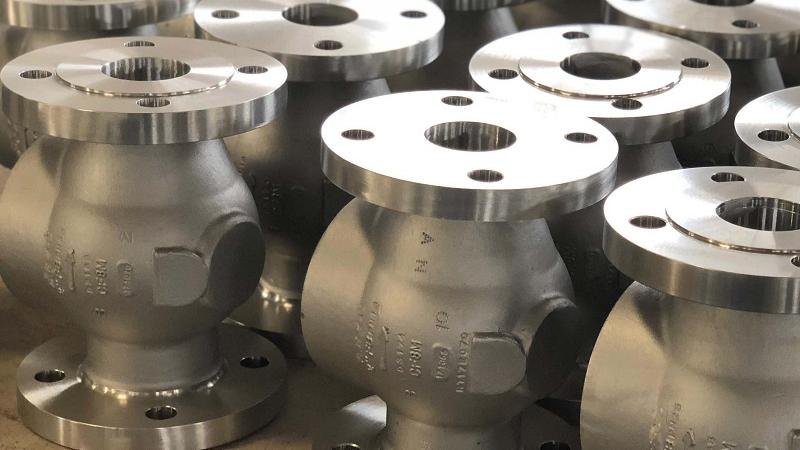
Stainless steel is one of the most versatile materials for investment casting (lost-wax casting). Its chromium content — a minimum of 10.5% by mass — forms a self-healing passive oxide