EN
EN  DE
DE  ES
ES  FR
FR  PT
PT  RU
RU 
Do you need a kiln for lost wax casting?
A kiln is crucial for lost wax casting, ensuring complete wax removal, mold strength, and casting quality. Learn why alternatives often fall short.
A kiln is crucial for lost wax casting, ensuring complete wax removal, mold strength, and casting quality. Learn why alternatives often fall short.
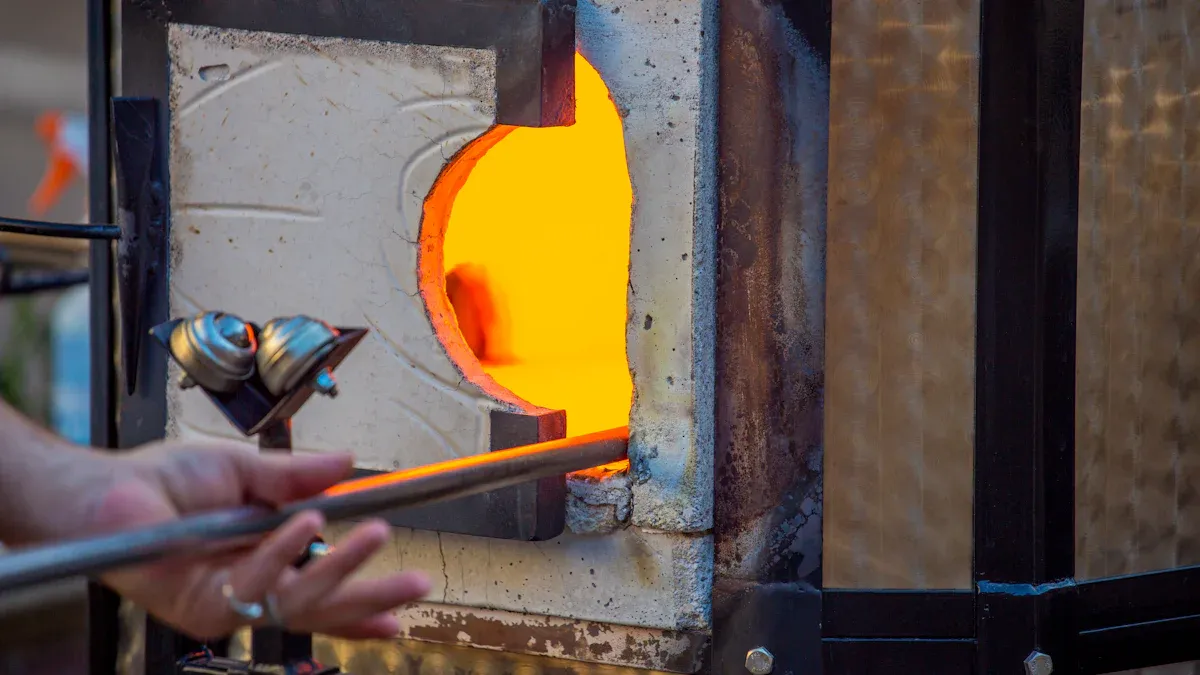
The coating for lost foam casting protects foam patterns, prevents defects, and ensures smooth, high-quality metal castings in foundry processes.

Lost foam casting stands out for design flexibility, smooth surfaces, reduced waste, and efficient production using foam patterns without sand cores.

Investment casting is a process where wax patterns form detailed metal parts by creating ceramic molds, ensuring precision and smooth surfaces.
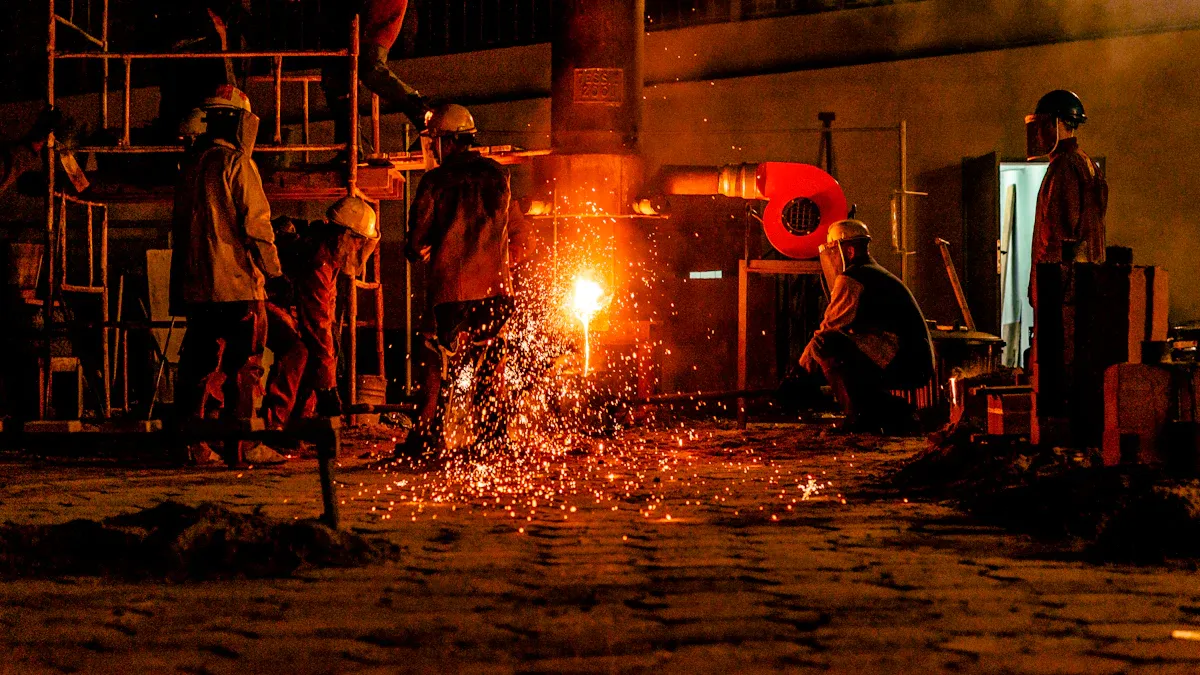
Sand casting uses sand molds to shape molten metal into parts for various industries, offering flexibility and cost savings.
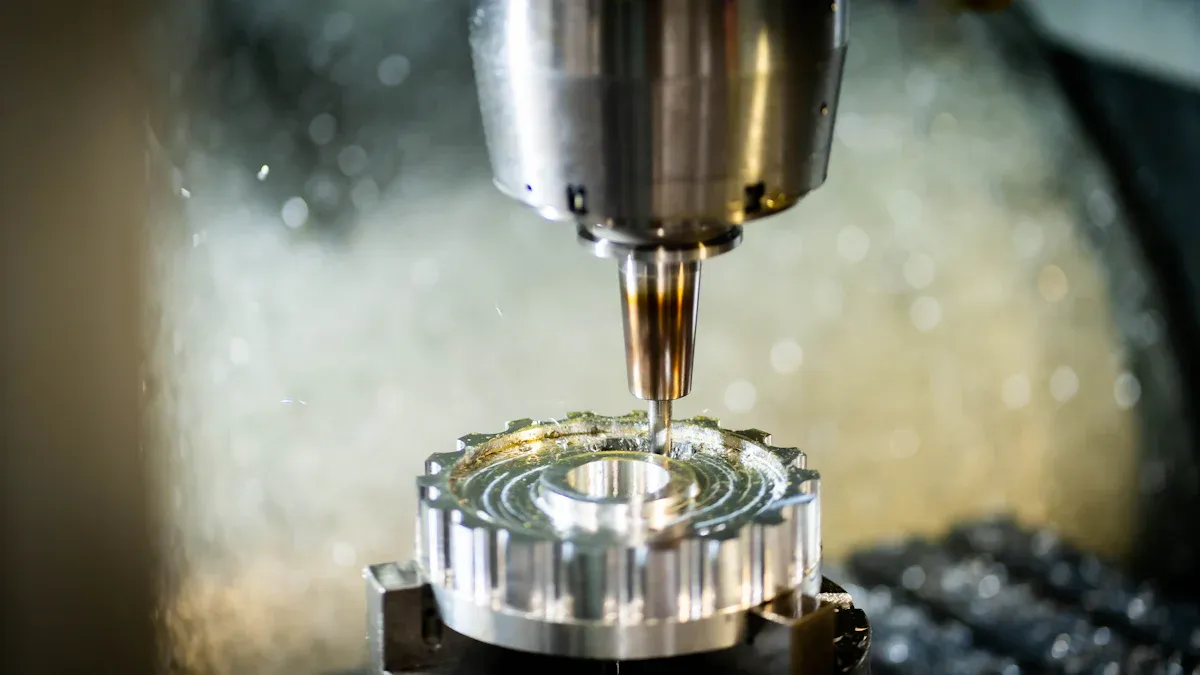
Aluminum CNC machining uses computer-controlled tools to shape aluminum into precise, lightweight parts for industries like automotive and aerospace.

Expanded polystyrene foam is the main material used in lost foam casting, offering clean burnout and smooth surface finishes for quality metal parts.

Lost foam casting uses foam patterns replaced by molten metal to create precise, complex parts. Learn the step-by-step process and key benefits.

CNC precision machining uses computer-controlled tools to produce highly accurate parts, ensuring consistent quality and tight tolerances for various industries.