EN
EN  DE
DE  ES
ES  FR
FR  PT
PT  RU
RU 
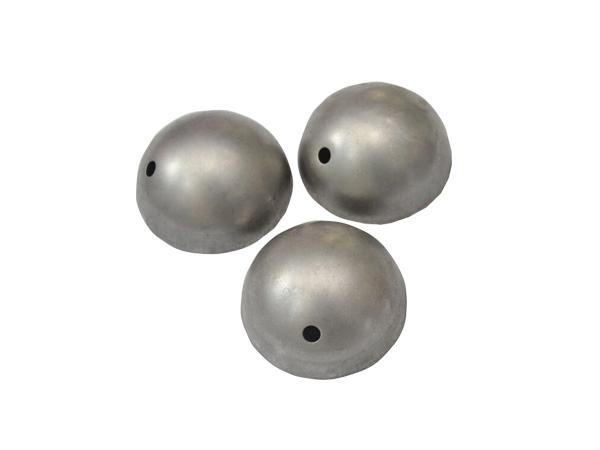
This type of low-carbon steel offers excellent cold-forming properties, good ductility, and ease of joining. It is characterized by a very low carbon content; the alloy’s internal structure sacrifices some strength to achieve superior formability. Custom manufacturers frequently select low-carbon steel for producing components with complex shapes.
Carbon Steel Material Profile and Microstructure
Classification within the Carbon Steel Category
Experts categorize metal alloys into three main groups. According to U.S. standards, low-carbon steel has a low carbon content, ranging from 0.05% to 0.15%, whereas general industry standards define it as having a carbon content of less than 0.25%.
| Steel Grade Category | Carbon Content Percentage (by weight) |
|---|---|
| Ultra-Low Carbon Steel | < 0.01% |
| Low Carbon Steel (General Range) | 0.03% to 0.25% |
This alloy, with a carbon content of only 0.04%, sits at the low end of the compositional range. Its extremely low carbon content gives the metal excellent ductility, making it easy to bend and shape. Steel mills produce various grades of metal by adjusting the composition ratios.
Each type of metal has a specific application. Low-carbon steel is easy to form and resistant to cracking; medium-carbon steel is chosen when a balance of strength is required, such as in large machinery where it helps minimize wear; tool manufacturers select high-carbon steel for its exceptional hardness, a property also essential for cutting tools. Low-carbon metals tend to bend under pressure; medium-carbon metals can withstand heavier loads; and high-carbon steel retains its sharpness for longer periods. Hardness levels vary across these different types of common steel.
Microstructural Characteristics
The low carbon mix guides inner grain growth. This tiny structure controls how metal acts. A 0.04% metal has mostly soft ferrite.
| Microstructural Feature | Morphology | Grain Size / Diameter | Relative Area Fraction |
|---|---|---|---|
| Polygonal Ferrite | Polygonal | 10–20 μm | 70% – 90% |
| Pearlite Phase | Spheroidized | N/A | 10% – 30% |
Low carbon blocks hard spots during welding. It keeps grain borders clean and smooth. Added titanium traps any extra carbon inside. This smart trick keeps the steel strong.
Key 0.04% Carbon Steel Properties
Mechanical Properties and Characteristics
Engineers test the metals used in precision metal stamping. Low-carbon steel with a carbon content of 0.04% is very soft and highly ductile; it can withstand significant stretching before fracturing, with tests showing an elongation rate exceeding 40%. This excellent ductility allows for easy processing of thin metal sheets and minimizes the risk of tearing when forming complex shapes.
This type of low-carbon steel is highly weldable. Its low carbon content prevents the formation of weak zones near the weld seam. Welding does not require workpiece preheating, nor is there a significant risk of cracking. Stress tests indicate highly stable strength characteristics. These properties make it ideal for deep-drawing applications.
The extremely low carbon content of this alloy ensures the material remains soft internally, allowing it to bend and deform easily under load. (In contrast, steels with higher carbon content are stronger, whereas steel with 0.04% carbon content bends under lighter loads.)
Material Advantages and Limitations
Understanding steel properties helps manufacturers produce robust components. Early in the design phase, engineers evaluate soft low-carbon steel—comparing it with medium- and high-carbon steels—to select the appropriate material for components subject to heavy loads.
The table below compares soft steel with medium-carbon steel:
| Property / Feature | 0.04% Low Carbon Steel | Medium Carbon Steel (0.30%–0.60% C) |
|---|---|---|
| Yield Strength | Lower baseline yield strength (~200–350 MPa) | Higher yield strength (~400–550 MPa) |
| Hardness & Wear Resistance | Significantly lower hardness | Higher strength and hardness |
| Ductility & Formability | Superior ductility and malleability | Reduced ductility and formability |
| Weldability | Excellent joinability without preheating | Moderate weldability (often requires preheating) |
| Heat Treatment Capabilities | Restricted to surface case hardening; cannot be through-hardened | Excellent response to quenching and tempering for bulk hardening |
Low-carbon steel possesses excellent thermal and electrical conductivity; heat travels rapidly through its atomic structure, and electric current flows through it with ease. It expands steadily in response to temperature changes. Machine shops often select carbon steel for high-speed cutting operations, and factories use it to manufacture custom metal components, as it is easily processed in modern industrial facilities.
However, certain limitations affect its use in large-scale industrial applications. Its relatively low strength restricts load-bearing capacity, and its lower hardness makes it prone to rapid wear; furthermore, exposed steel rusts easily in humid air.
Heat treatment is not particularly effective for low-carbon steel; factories cannot achieve through-hardening because the very low carbon content inhibits the formation of hard crystalline structures. Consequently, processing is typically limited to surface hardening. In contrast, medium-carbon steel is often used for heavy-duty machinery shafts, while high-carbon steel is employed for sharp cutting tools. Manufacturers make their selections based on specific material properties, as each grade of steel meets distinct production requirements.
Industrial Applications of Carbon Steel
Manufacturing facilities select specialized metal alloys tailored to specific operations. Due to its excellent bending properties, low-carbon steel is frequently chosen by designers for components requiring complex forming and is widely used in modern mass-production environments.
Deep Drawing and Metal Forming Applications
The deep drawing process requires metal materials with exceptional ductility. Manufacturers typically select steel with a carbon content of 0.04% for sheet metal production; this low-carbon composition allows the sheets to be easily stretched and formed. For instance, stamped steel panels are extensively used on automotive assembly lines to manufacture vehicle doors.
This type of steel is also highly suitable for the manufacture of heat exchanger tubes. Strict specifications, such as ASME SA179, establish clear standards for these materials:Hardness Limit: Tube hardness stays below 72 HRB. This stops cracks during hard bending steps.
- Heat Treatment: Workers heat tubes above 1200°F (650°C). This process relaxes metal after cold pulling.
- Surface Condition: Tubes arrive clean and free of scale. Clean ends help heat move much better.
The chart shows key SA179 rules for heat tubes:
| Category | Requirement Details |
|---|---|
| Dimensional Limits | Outer width spans 1/8 to 3 inches. |
| Chemical Composition | Carbon stays between 0.06 and 0.18 percent. |
| Mechanical Properties | Pull strength must reach 325 MPa minimum. |
| Mandatory Testing Methods | Mills run hardness and hydrostatic tests. |
Custom Carbon Steel Casting and Machining
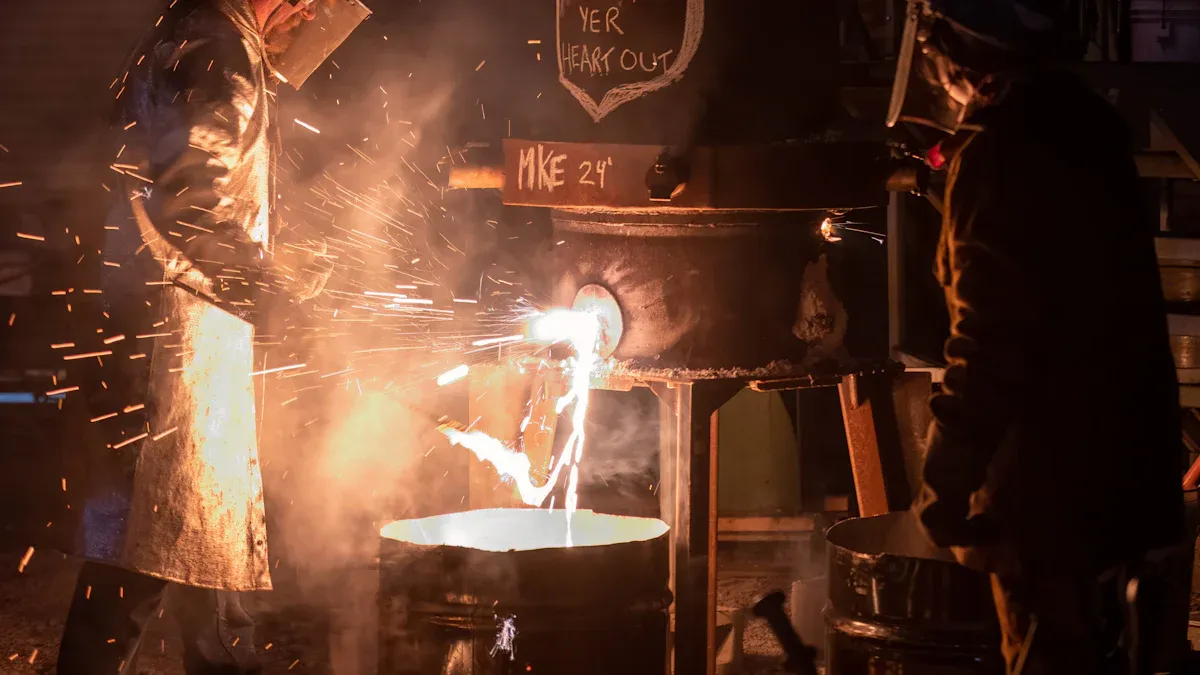
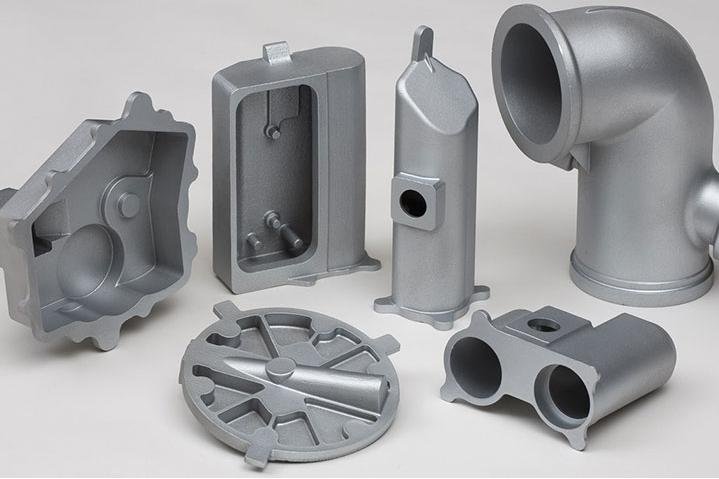
Global supply chains require precision metal components. KEMING utilizes the investment casting (lost-wax) process to manufacture carbon steel products with a carbon content of 0.04%; its foundry operates shell-mold casting lines daily to produce robust, durable components for heavy machinery.
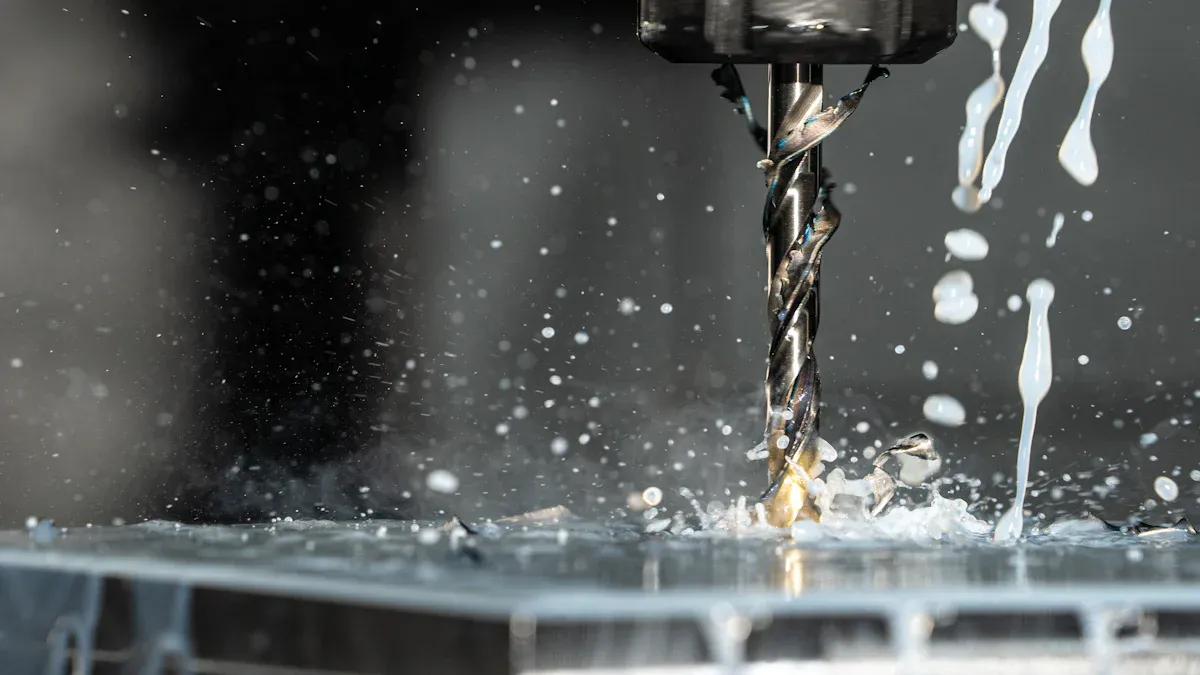
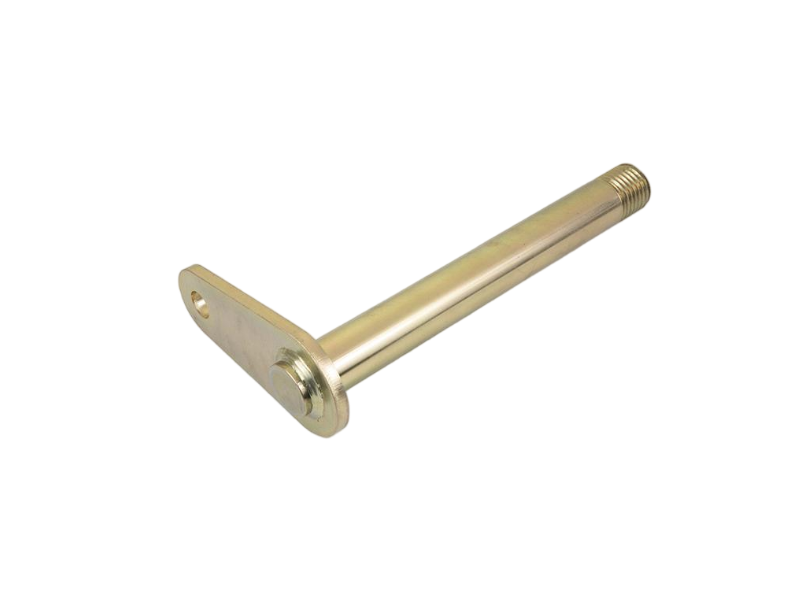
The facility integrates metal casting with CNC milling, transforming cast blanks into finished parts through machining while eliminating microscopic internal porosity.
Different industrial applications require various types of metal materials:
- Applications for mild carbon steel: Stamped car panels, heat tubes, and wires.
- Applications for medium carbon steel: Heavy machine shafts, forged gears, and axles.
This flexible metal handles heavy bending easily. Heavy equipment uses cast brackets for stability. Auto plants rely on accurate parts daily.
Engineers favor this type of mild steel because it is highly formable and easy to weld. Although strength is not its primary characteristic, the metal allows for the production of components with smooth surfaces, making it suitable for complex mechanical equipment.
FAQ
What is low-carbon steel?
This type of metal has a very low carbon content, whereas other types of steel contain significantly more carbon. Steels are classified based on their chemical composition, which determines their specific applications in construction and manufacturing.
How do the mechanical properties of different steel alloys differ?
Low-carbon steel offers excellent ductility, while medium-carbon steel—which is stronger—is commonly used for automotive parts and structural components. This softer metal is easy to shape when subjected to heavy loads or external forces.
Why choose a softer metal over high-carbon steel?
Softer metals are easily formed into complex shapes, whereas high-carbon steel is extremely hard. Each type of steel is suited to different demanding operating conditions.