EN
EN  DE
DE  ES
ES  FR
FR  PT
PT  RU
RU 
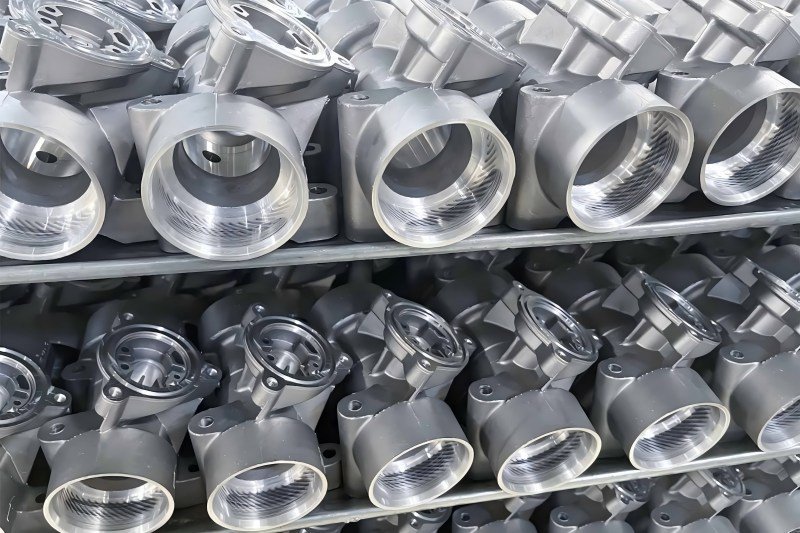
Forged aluminum is known for its strength and toughness. Machined aluminum, on the other hand, is suitable for machining fine, precise shapes. Understanding these differences helps manufacturers choose the material best suited for their work.
- Picking the right process makes sure the part is strong, lasts long, and fits the design.
- Forged aluminum is best for places with a lot of stress.
- Machined aluminum is good for parts that need to be very exact or have special shapes.
Key Takeaways
- Forged aluminum is tough and lasts longer. It works well for things that need to handle a lot of force, like wheels for cars and planes.
- Machined aluminum is good for making parts with exact shapes. It helps create pieces that need to fit perfectly.
- Picking forged or machined aluminum depends on how strong you need it to be. It also depends on how many parts you need and how much money you want to spend.
Forged Aluminum Overview
What is Forged Aluminum?
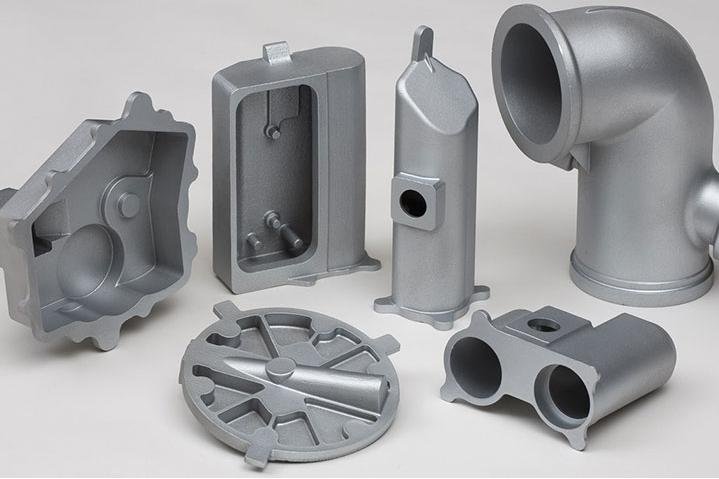
Forged aluminum is made by pressing metal under high pressure, unlike casting which involves melting and pouring. This process makes the metal extremely strong and durable. Many companies use forged wheels in cars and airplanes because they are safe, reliable, and durable.
The Manufacturing Process of Forged Aluminum
The wheel forging process uses high temperature and pressure to forge solid aluminum into shape. Here are some common forging methods:
| Forging Method | Description | Influence on Properties |
|---|---|---|
| Hot Forging | Heats aluminum until it is very hot. | Makes the metal easier to bend and stronger. |
| Cold Forging | Shapes aluminum without heating it up. | Makes smooth and exact parts with less waste. |
| Closed Die Forging | Uses special molds to make detailed shapes. | Helps control the size and makes the part stronger. |
Key Properties of Forged Aluminum
Forged aluminum is special because its grains line up in a certain way. This makes it much stronger and harder to break. The table below lists the main features:
| Characteristic | Description |
|---|---|
| High Strength | The grains make forged aluminum much stronger. |
| High Toughness | It can take heavy hits and loads without breaking. |
| Excellent Fatigue Resistance | The grain pattern helps it last through many uses. |
| Strong Impact Resistance | It soaks up energy when hit, keeping itself and other parts safe. |
Machined Aluminum Basics
What is Machined Aluminum?
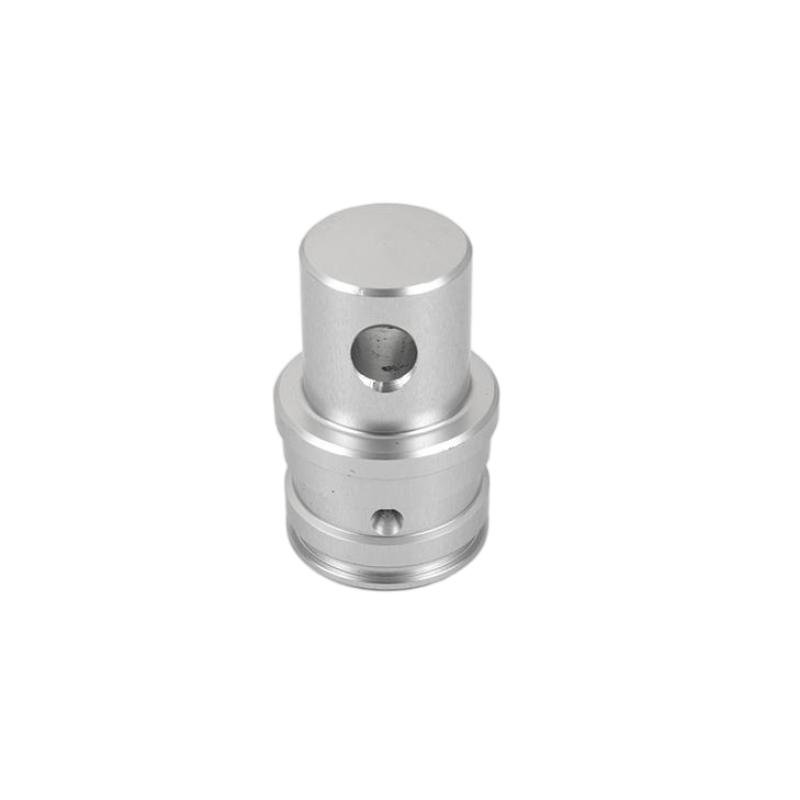
Machined aluminum begins as a solid aluminum billet. Factories use CNC machine tools to machine the billet into parts. This method facilitates the manufacture of dimensionally precise, complex-shaped parts. Machined aluminum is favored for its high precision and wide range of applications. Many fields, such as automotive casting and aerospace casting, use these parts because of their excellent performance and durability.
Machined aluminum is ideal for creating fine shapes and smooth surfaces. Suppliers choose this material when precision and design flexibility are required.
Machining Process Explained
Machining aluminum has a few main steps:
- Raw Material Selection: Factories choose the right aluminum alloy. They often mix new metal with scrap and add things like magnesium.
- Melting and Casting: Aluminum melts at over 660°C and is poured into billets.
- Extrusion and Finishing: Billets are pushed out, cut, and heat-treated before machining.
- Milling: Cutters take away material to make flat areas and holes.
- Turning: The part spins while a tool shapes it, good for round pieces.
- Drilling: Spinning tools make holes, and boring helps with accuracy.
- Advanced Processes: Mill-turn centers do many steps at once to save time.
KEMING uses three-axis and five-axis milling machines. These machines make custom aluminum parts very accurately.
Properties of Machined Aluminum
Machined aluminum has some important features:
- Hardness: Alloy 6061 can reach 95 HBW.
- Surface Finish: The roughness is about 1.77 μm.
- High thermal conductivity: 205 W/m·K.
- Dimensional accuracy: Parts fit together well.
- Design flexibility: Good for tricky shapes and exact sizes.
| Feature | Forged Aluminum | Machined Aluminum |
|---|---|---|
| Structural Integrity | Far superior in strength | High, but less than forged |
| Durability | Excellent | High |
| Tolerance | Not suitable for complex shapes | Can achieve tight tolerances |
| Design Flexibility | Low to Moderate | High |
| Production Volume | Best for Low to Medium Volume | Ideal for High Volume |
Machined aluminum parts from KEMING’s factory meet strict rules for quality. This makes them a trusted supplier for custom and wholesale orders.
Forged Aluminum vs Machined Aluminum
Strength and Durability
Forged aluminum boasts extremely high strength and a long service life. Many companies use forged wheels because the forging process creates a uniform internal grain structure. This makes the parts more resistant to stress and less prone to breakage. Forging also eliminates voids, making the metal denser. For example, forged 7075-T6 aluminum alloy can exceed 570 MPa in strength. Therefore, it is ideal for products such as aircraft and racing wheels.
Machine-machined aluminum also has high strength, but its grain structure is less uniform. The blanks used for machining differ in structure from those used forged aluminum. Therefore, machined parts may not be able to withstand repeated stresses like forged aluminum. In practical applications, forged wheels have a longer service life and perform better under heavy loads. Forged aluminum can withstand impacts and is less prone to fatigue, making it safer and performing better.
Weight and Density
Forged and machined aluminum parts use similar alloys, but their densities differ due to the different manufacturing processes. Forged aluminum is typically slightly heavier than machined aluminum because the forging process compacts the grains and eliminates voids, resulting in stronger and more reliable parts.
The table below lists the densities of commonly used aluminum alloys for forged and machined parts:
| Alloy Series | Specific Grade | Typical Density (lb/in³) | Primary Applications |
|---|---|---|---|
| 1xxx | 1100 | 0.0979 | General sheet metal, chemical equipment, food industry |
| 3xxx | 3003 | 0.0986 | Heat exchangers, cooking utensils, architectural panels |
| 5xxx | 5052 | 0.0968 | Marine structures, fuel tanks, pressure vessels |
| 6xxx | 6061-T6 | 0.0975 | Structural frames, aerospace fittings, automotive parts |
| 7xxx | 7075-T6 | 0.1015 | Aerospace components, high-stress parts, sporting goods |
| 2xxx | 2024-T3 | 0.1004 | Aircraft structures, rivets, transport applications |
In airplanes, forged aluminum often has higher density than machined aluminum. This is because forging makes the grains better. The table below shows the difference:
| Property | Forged Aluminum | Machined Aluminum |
|---|---|---|
| Density | Generally higher due to refined grain structure. | Lower density due to less optimized grain flow. |
Forged wheels are strong and light at the same time. This helps cars go faster because every bit of weight matters.
Cost and Production Time
The cost and production time of forged and machined aluminum parts depend on several factors. Forged wheels require specialized tools and high-performance machine tools. Although the initial investment is higher, forged parts have high strength and small tolerances. Production time for custom-made forged wheels can be longer, especially for limited quantities.
Machined aluminum parts are formed from aluminum billets using CNC machine tools. This method allows for design modifications and is suitable for small-batch orders. Machining can produce shapes that forging cannot achieve. However, cutting metal results in material waste, increasing the cost of larger parts.
Cast aluminum parts are another option, more suitable for mass production and at a lower cost. Factories can quickly produce large quantities of cast wheels, but their strength and toughness are inferior to forged wheels.
Tip: If you need the strongest and safest wheels, choose forged wheels. If you want special designs or only need a few, machined aluminum is a good choice.
Pros and Cons
Advantages and Disadvantages of Forged Aluminum Alloys
Forged aluminum alloys are commonly used to manufacture high-strength components. Manufacturers choose forged wheels because they are strong and durable. A protective layer forms on the surface of the aluminum alloy, preventing rust and extending the wheel’s lifespan. Forged aluminum alloys are lighter than steel, which contributes to better vehicle performance and lower fuel consumption. Factories also use forged wheels in high-stress applications, where they are safe, reliable, and have a long service life.
| Drawback | Description |
|---|---|
| Increased manufacturing costs | Forging aluminum costs more than casting or machining. |
| Limitations in design complexity | Forging cannot make very detailed or special shapes. |
Advantages and Disadvantages of Machined Aluminum
Machined aluminum is ideal for manufacturing precision parts. Suppliers favor it because it is less expensive than titanium alloys. Its light weight reduces transportation costs and can improve vehicle performance. Machined aluminum is easy to shape and recycle, making parts manufacturing quick and simple. It is resistant to rust, especially after special treatments. Furthermore, it has good thermal and electrical conductivity. Factories can produce smooth, tightly fitting parts, which is highly beneficial for industries such as electronics, automotive, and aerospace.
Note: Machined aluminum can be used for many designs and cast parts. But it is not as strong as forged wheels in very tough jobs.
Choosing the Right Aluminum Process
Key Considerations
Choosing the optimal aluminum processing technology depends on many factors. Manufacturers and suppliers need to check the following points to ensure good product performance and within budget. Here are the key considerations:
- Strength Requirements: Forged aluminum is much stronger. It is good for parts that carry heavy loads or face high stress. Forged wheels are picked because they hold weight well and keep people safe.
- Precision and Dimensional Accuracy: CNC machining makes parts very exact. It can be as close as ±0.01mm. Machined aluminum is best for parts that need a perfect fit and smooth finish. Forged parts are less exact, usually between ±0.2mm and ±0.5mm.
- Cost Efficiency: Forging saves money when making lots of parts. Machining is better for small or medium batches. It is also good for custom shapes or test pieces.
- Production Volume: If you need less than 500 parts, CNC machining costs less. If you need more than 1,000 parts, forging is faster and cheaper.
- Material Specifications: Different aluminum alloys change how parts work and cost. 6000-series alloys are strong and easy to shape. 2000-series alloys are used for tough jobs like in airplanes.
- Market Conditions: Aluminum prices can go up and down. Factories need to watch these changes to stay ahead.
- Processing Requirements: Making tricky shapes or needing high accuracy can cost more. Casting is helpful for making detailed designs.
Tip: Makers should pick the process based on how much load and performance is needed. Talking to a trusted supplier like KEMING helps you choose the best way for custom or big orders.
The table below shows how budget and performance needs affect the choice:
| Factor | Description |
|---|---|
| Material Specifications | Different materials can change the price a lot. |
| Market Conditions | Changes in the market can make aluminum cost more or less. |
| Processing Requirements | Special needs can make costs higher and change budget plans. |
Forged aluminum offers high strength, ensuring personal safety. Machining is suitable for manufacturing precision and flexible parts. Experts say forging is best suited for heavy-duty parts. Machining is suitable for parts with simple shapes. Casting is used for complex designs.
| Process | Advantages | Disadvantages |
|---|---|---|
| Forging | Very strong, keeps parts safe | Costs more |
| Casting | Saves money, makes parts quickly | Can have empty spots |
FAQ
Why is forged aluminum stronger than machined aluminum?
Forged aluminum has a more uniform grain structure during the manufacturing process, making the metal stronger and more durable. Manufacturers often use forged parts to withstand high stresses.
Can machined aluminum parts be customized to specific designs?
Machined aluminum allows factories to produce parts with special shapes and precise dimensions. CNC machine tools can help suppliers meet the needs of each project.