EN
EN  DE
DE  ES
ES  FR
FR  PT
PT  RU
RU 
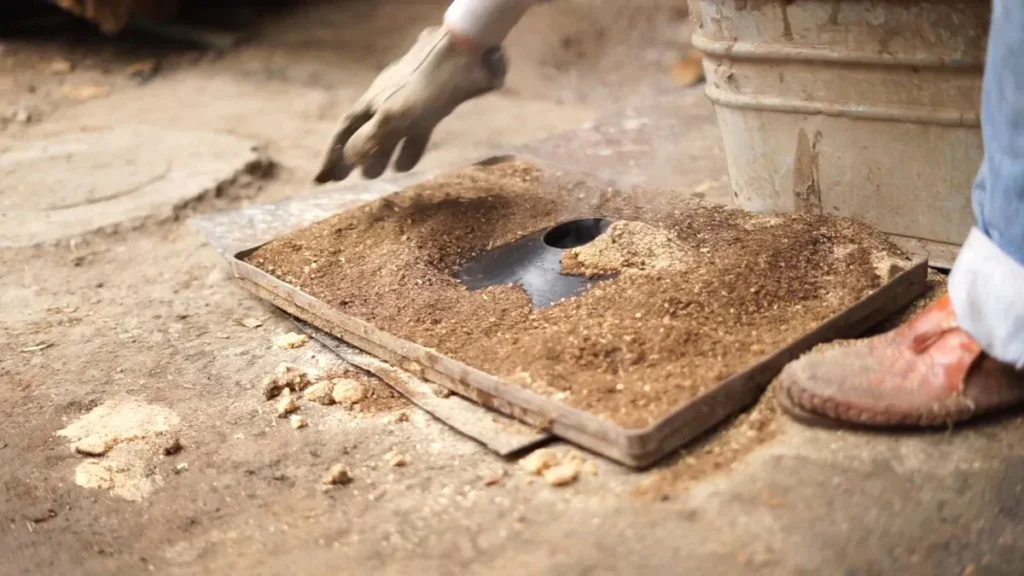
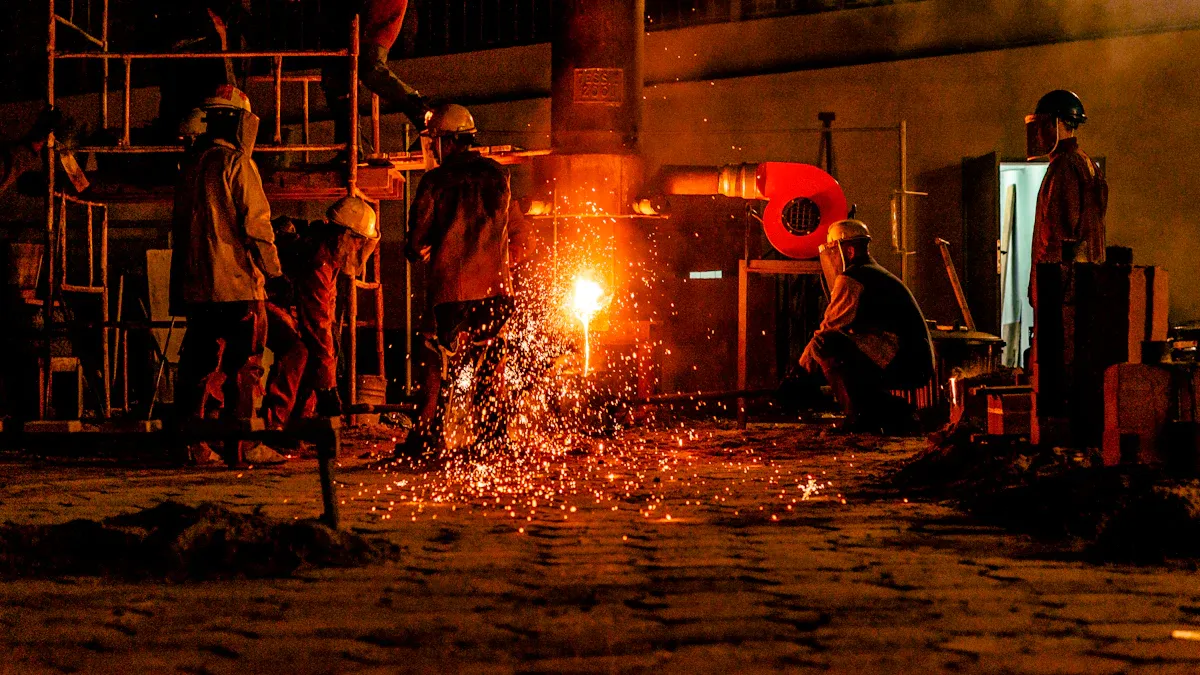
Engineers weigh the advantages and disadvantages of sand casting and other alternatives before choosing a manufacturing method for metal parts. Its main disadvantages include rough surface finish, large dimensional tolerances, and the presence of internal air bubbles. Furthermore, sand casting results in slower production speeds. While inexpensive equipment may attract buyers of large‑part purchasers, technical challenges often necessitate additional machining.
Key Takeaways
- Sand casting creates rough surfaces that need extra smoothing work, and this raises total manufacturing costs.
- Liquid metal shoves against weak sand boundaries and creates size errors, which reduces item accuracy throughout big manufacturing jobs.
- Trapped air and steam create inside gas bubbles, making final metal pieces weaker and increasing waste rates.
Primary Disadvantages of Sand Casting Surface Finish
Poor Surface Finish in Sand Casting
The main problem with surface texture defects in sand casting stems directly from the mold material. Fine silica grains create a rough surface inside the mold. During the cooling and solidification process of the high-temperature molten metal, this uneven texture is replicated.
The size and shape of the sand grains determine the final feel of the cooled metal product.
| Factor | Mechanism & Effect on Surface Roughness | Supporting Detail |
|---|---|---|
| Sand Grain Size | How the texture of the mold moves directly onto the cooling metal part. | Smaller grains make a smoother mold wall, which creates a smoother metal part. Larger grains leave deeper marks, making the metal surface much rougher. |
| Grain Distribution | Helps control how smooth the mold wall is and prevents surface flaws. | Even spacing of sand grains lowers surface flaws to help make the metal part look better. |
| Binder System | Helps the mold hold its shape and stops liquid metal from soaking inside. | Better glue keeps the sand strong so the metal stays smooth. Using the right glue amount is key for good parts. |
This shaping method leaves visible marks on plain metal parts. Standard sand casting leaves behind very rough surface texture readings.
| Casting Method | Typical RMS Roughness | Surface Characteristic |
|---|---|---|
| Traditional Sand Casting | 250 to 500 RMS | Rough surface that needs extra grinding work to make it smooth. |
| V-Process Sand Casting | Approximately 125 RMS | Smoother surface that needs much less extra cleaning work later. |
Post-processing and machining requirements
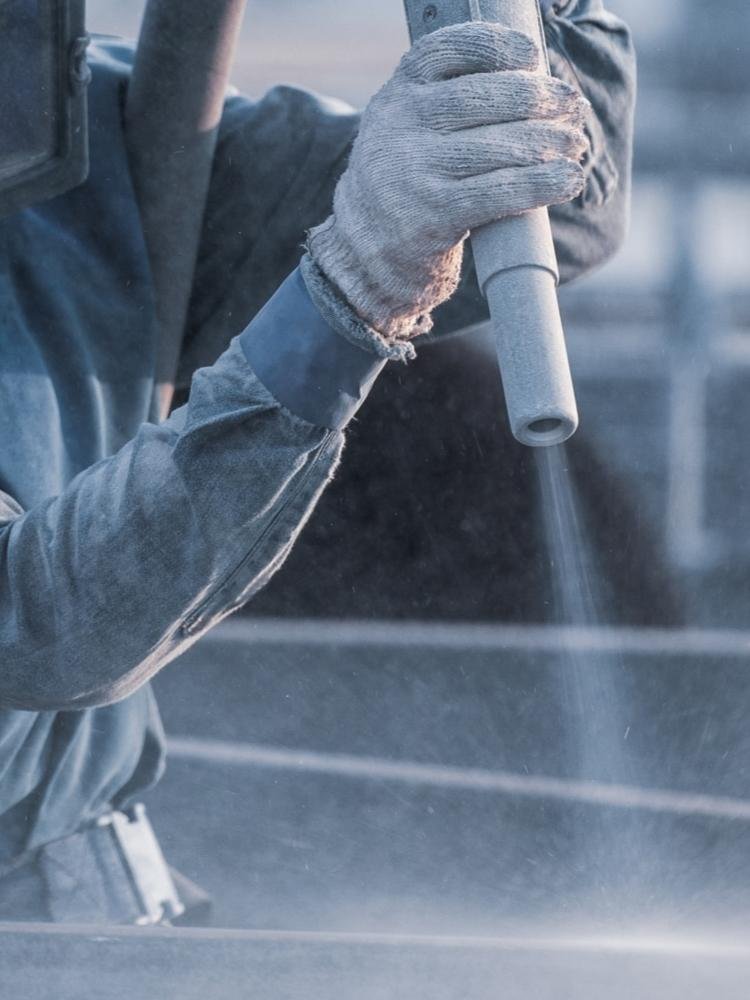
These rough surface textures cause numerous problems during factory production. Unfinished metal parts cannot be tightly fitted or assembled with engine blocks and gearboxes. Factory workers must take additional steps to clean the rough metal surfaces. They need to use sandblasting machines, grinding machines, and sharp forming tools. These additional manual processes increase the final price of each part.
Factories leave extra metal thickness on rough parts so workers can trim away surface flaws, shrinkage marks, and small bends:
- Typical Overall Range: 1 to 5 mm extra thickness, based on the metal type and job rules.
- External Faces: About 3 mm extra thickness to shave away rough outer flaws.
- Internal Bores (Radial): 2 mm extra thickness inside holes to fix size differences.
These extra cleaning steps create large price differences over time when comparing factory methods.
| Cost Category (per 1,000 parts) | Sand Casting | Die Casting |
|---|---|---|
| Tooling (pattern/mold) | $4,000 | $35,000 |
| Machining | $22,000 | $5,000 |
| Labor & Finishing | $5,000 | $1,000 |
| Scrap | $1,000 | $500 |
| Total Cost | $32,000 | $41,500 |
Creating a lightweight aluminum casing using sand casting would require $12 for pouring, $18 for cutting, and $5 for cleaning, resulting in a final product price of $35.
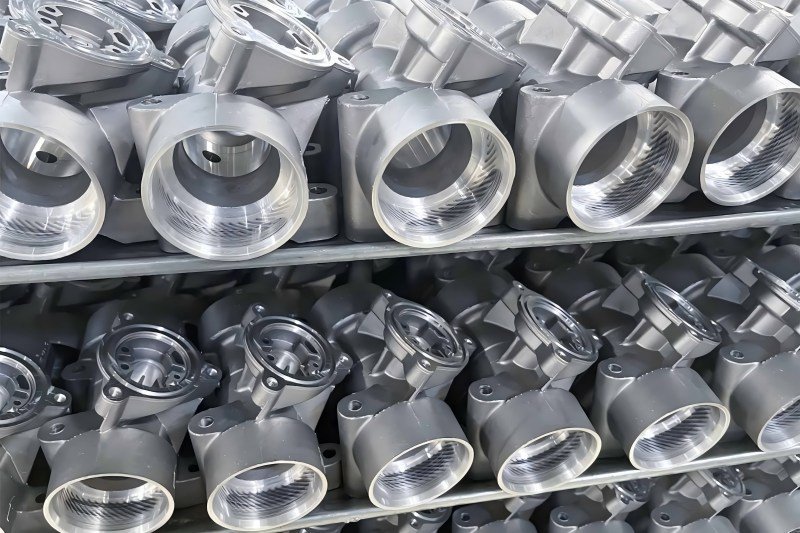
The designers solved these problems by using a full suite of factory equipment. KEMING combines advanced metal casting technology with a precision CNC cutting and turning workshop.
Dimensional Inaccuracy in the Sand Casting Process
Loose Tolerances and Mold Deformation
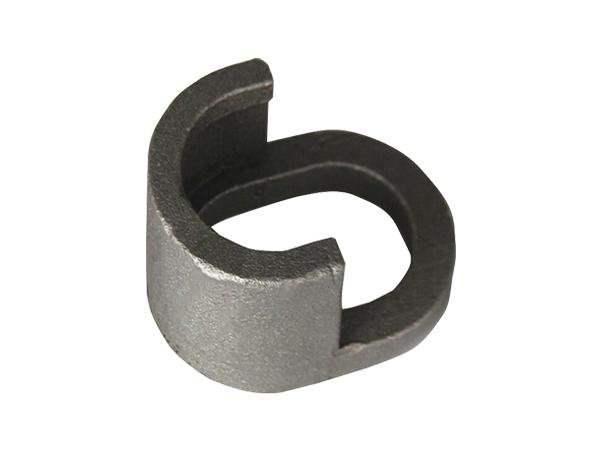
Molten metal shrinks as it cools in the mold. Heavier liquid metal can also compress softer sand walls, causing sand grain movement. These mold-related constraints result in lower dimensional accuracy of the finished parts. Variations in the moisture content of wet sand can cause unpredictable mold displacement during cooling. Uneven cooling in different areas can lead to part warping.
Standard wet sand casting has loose tolerances, conforming to ISO 8062. Fine aluminum sand casting follows tolerance grades CT9 to CT11. Small parts smaller than 100 mm can maintain a linear tolerance of ±1.5 mm at CT9 grade. Parts between 101 mm and 250 mm can achieve a tolerance of ±2.0 mm. Larger parts between 251 mm and 400 mm require a tolerance of ±2.5 mm. Parts between 401 mm and 600 mm can achieve a tolerance of ±3.0 mm. Compared to precision investment casting, basic wet sand casting has lower dimensional accuracy.
Die Wear and Repeatability Issues
Physical damage to the mold can cause serious problems in large-scale factory production. A solid mold is used to form the sand mold cavity before molten metal is poured into it. After repeated use, the rough friction wears down the mold edges. Scratches, notches, and micro-dents alter the mold dimensions over time.
This slow mold wear affects batch-to-batch repeatability in long-term production operations. As tools wear down, workers gradually lose control over the precise shape of the parts. Traditional sand casting processes require regular mold inspection and tooling repair to prevent dimensional changes. Tests at Western Michigan University showed that non-bake casting reduced the critical dimension standard deviation by 45% compared to wet sand casting. Non-bake casting also exhibits better process capability, with Cpk values between 1.33 and 1.67, while wet sand casting has lower Cpk values, between 1.00 and 1.33.
Material Disadvantages and Internal Defect Risks
Gravity casting of metal leaves tiny voids inside hardened parts. Cold air and hot steam from the damp sand mold become trapped in the unpressurized liquid metal. Poorly designed pores in the sand mold exacerbate this gas trapping problem. Porosity causes 15% to 30% of scrap metal parts to be discarded in different factories. Aluminum parts are prone to breakage because the hot liquid metal rapidly releases gas at 660°C. At 660°C, 100 grams of liquid aluminum retains 0.65 cubic centimeters of gas. Cooled solid aluminum retains less than 0.034 cubic centimeters of gas per 100 grams. As the hot liquid cools, the trapped gas forms round bubbles. When the top gating system cannot replenish fresh liquid in time, the shrinking hot metal forms voids. Over 65% of scrap metal parts are caused by gas trapping problems.
Porosity and Fatigue Strength
Shrinkage and gas trapping cause two main defects inside finished metal parts:
| Porosity Type | Appearance | Location | Formation Stage | Typical Size |
|---|---|---|---|---|
| Macroshrinkage | Large, smooth voids | Near feeders and hotspots | Begins solidification | Millimeter to centimeters |
| Microshrinkage | Dendritic, fine voids | Isolated, late freezing zones | Final solidification | Microns to millimeters |
Hidden porosity can create stress weaknesses within heavy machinery parts. Larger internal pores, reaching depths of 3 to 5 millimeters, can be found within the soft sand mold. High porosity reduces the overall load-bearing strength of parts and weakens key supporting components. Metal parts with reduced strength have a machining strength limit of only 60 to 90 MPa. These hidden internal defects shorten the lifespan of parts during routine high-intensity use. Manufacturers must consider reducing machining efficiency when designing new metal parts. High defect rates result in more parts being deemed unacceptable during factory X-ray inspections. Factory workers constantly face the risk of defects when using sand molds to manufacture heavy machinery parts.
Environmental Disadvantages of Sand Waste
Handling dirty waste sand creates huge problems for metal factory owners. Chemical glue inside sand molds releases bad fumes during hot metal pouring steps. Factories must clean up giant piles of dirty sand after making metal parts. The United States Environmental Protection Agency checks waste safety with special leaching tests. Tests prove used sand from iron, steel, and aluminum plants stays mostly safe. But sand from other metal plants brings bigger danger to local areas.
Factories must clean dirty waste sand carefully to meet tough green nature laws. Trash dump rules force plant bosses to run regular tests on old sand. Sand cleaning setups and trash dump fees raise total running costs for big plants. Checking waste safety rules helps plant bosses keep factory spending under tight control. Bad waste problems push modern factory owners to find cleaner metal making ways.
Comparing Pros and Cons of Sand Casting Alternatives
Checking the good and bad points of different metal shaping methods helps companies pick the best process. Sand casting offers cheap starting tools, but other choices remove later quality problems.
Sand Casting vs. Investment Casting
Engineers test investment casting with wax or glass ways to fix original bad quality issues. Investment casting gives top precision for tricky shapes that need smooth outer skins.
| Metric | Investment Casting | Sand Casting |
|---|---|---|
| Surface Roughness (Ra) | 1.6–3.2 μm | 6.3–25 μm |
| Dimensional Tolerance | ±0.1 mm (up to ±0.05 mm) | ±0.5 mm or more |
| Tooling Cost | High | Low |
| Finishing Cost | Low | High |
Sand casting misses small detail on complex shapes because sand grains are rough. Investment casting needs higher starting tool prices. Even so, investment casting cuts pricey extra cutting costs during big factory runs.
When to Choose a CNC Machining Solution
CNC machining is ideal when parts require extremely high dimensional accuracy. Machinists can cut parts directly from solid metal blocks or finish castings with minimal metal removal.
ChemMing provides comprehensive manufacturing partnership services to businesses worldwide. The company offers precision investment casting and modern CNC machining services. ChemMing manufactures solid parts in strict accordance with international standards such as ASTM, DIN, and JIS, effectively avoiding quality issues.
Engineers check all good and bad points before choosing metal shaping methods. Low tool costs draw buyers to sand casting. But high trash rates and extra cutting show the main disadvantages of sand casting. Creators skip sand casting for thin boat parts. Builders look at investment casting and exact CNC machining options from KEMING instead.
FAQ
What causes porosity in sand casting?
During normal gravity casting, trapped steam and air form tiny bubbles inside the cooling metal. Wet sand molds also release steam, which forms tiny bubbles in the molten metal.
Why does sand casting lead to excessive dimensional tolerances?
The hot molten metal shrinks during cooling. The heavier liquid also compresses the softer sand walls, forcing sand grains to move, and the mold also wears down over time.
How do manufacturers address the poor surface finish in sand casting?
Plants employ additional cleaning steps such as grinding, sandblasting, and precision CNC machining. Companies like Commin combine CNC machining with sand casting to provide smooth, precise final parts.