EN
EN  DE
DE  ES
ES  FR
FR  PT
PT  RU
RU 
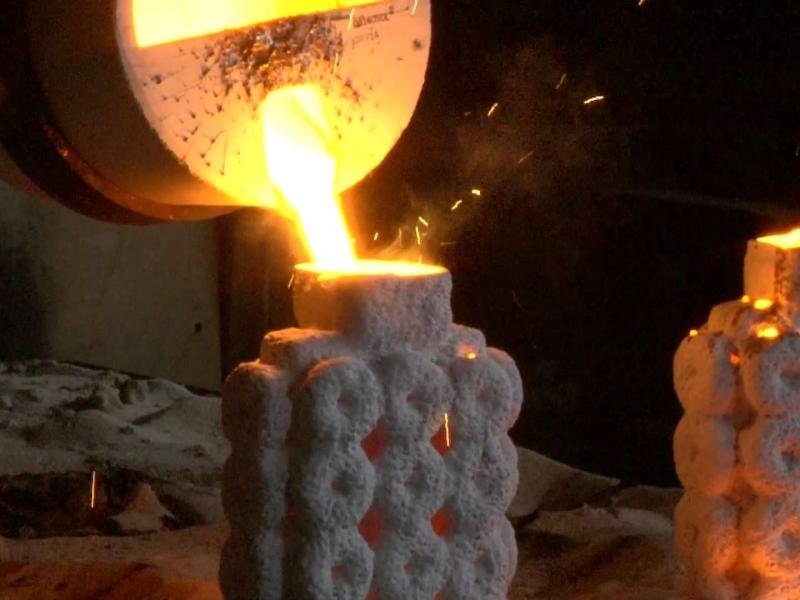
The lost wax process, also called lost wax, has five main steps:
- Wax model creation
- Mold making
- Wax removal
- Metal pouring
- Finishing
Lost-wax casting helps makers get exact shapes and sizes. Many industries, like car and boat makers, use investment casting for accurate parts. KEMING’s new methods give steady and good results.
Key Takeaways
- The lost-wax process comprises five key steps: creating the wax pattern, mold making, dewaxing, metal casting, and finishing. Each step is crucial for producing parts that are dimensionally accurate and aesthetically refined.
- Creating high-quality wax patterns is essential; it ensures that the final metal product captures every detail, thereby enhancing quality and minimizing material waste.
- New technologies, such as 3D printing, combined with rigorous quality inspections, facilitate the production of superior molds. This results in stronger, more reliable parts that meet the demands of various industries.
Wax Model Creation in the Lost Wax Process
Creating the Wax Pattern
The process begins with the shaping of the wax pattern, which serves as the basis for the metal casting. Molding rubber is used to capture intricate details; polyurethane is typically employed for large components, while room-temperature vulcanizing (RTV) silicone is used for smaller ones. The bronze casting wax is soft and pliable, retaining its flexibility at room temperature. The wax pattern must precisely match the design specifications, ensuring that every curve and feature is accurately reproduced in the final product.
Cleaning the wax pattern removes dirt and dust, resulting in a smooth surface; this not only facilitates better adhesion of the ceramic shell but also enhances the quality of the final investment casting.
The following issues may arise during the creation of the wax pattern:
| Challenge | Explanation |
|---|---|
| Air Bubbles | Bubbles can form when pouring wax. This can hurt the final cast. |
| Distortions | Cooling unevenly can change the shape. This makes it less exact. |
| Porosity | Trapped gas can make weak spots in the product. |
| Core Misalignment | Hollow casts can have mistakes that need fixing. |
The Importance of Precision Casting
Wax patterns are crucial for high-quality investment casting. They capture intricate details and shapes, which the investment casting process then reproduces in metal. This step ensures dimensional accuracy. Custom wax patterns help manufacturers reduce additional work and save on materials.
Mold Making in Lost-Wax Casting
Coating the Wax Pattern
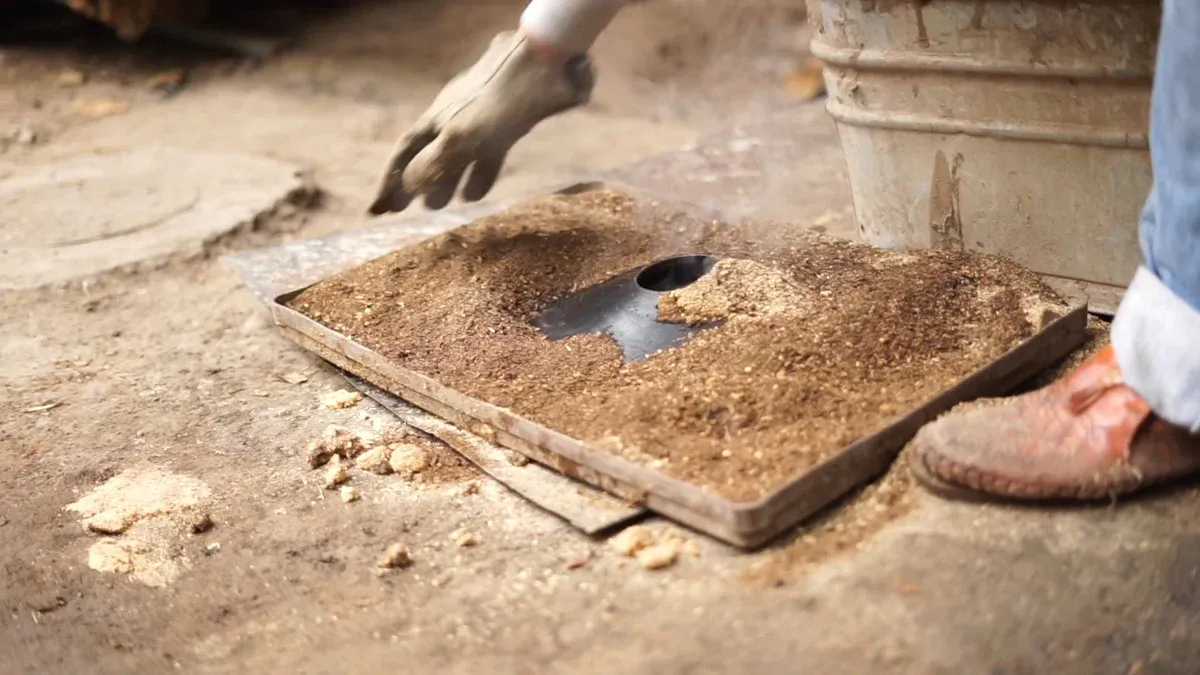
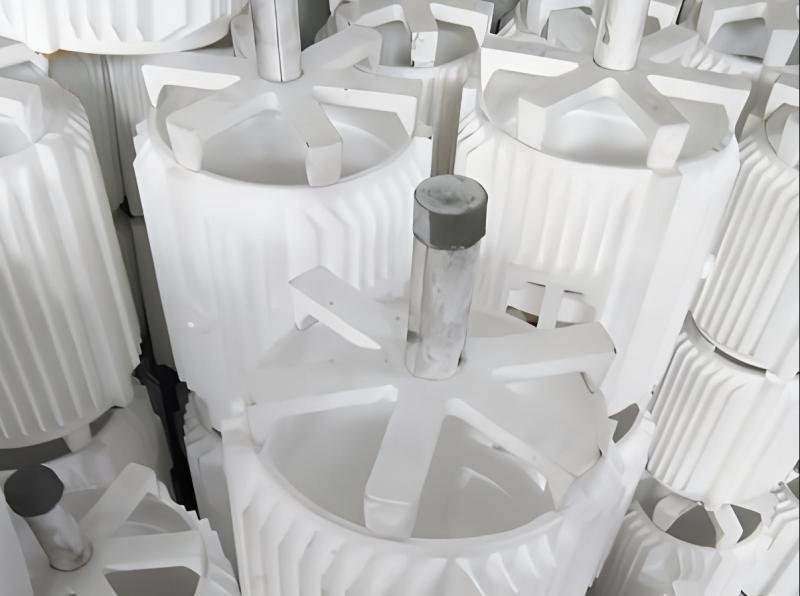
Technicians build the investment mold (shell) by coating the wax pattern—a crucial step in the lost-wax casting process. KEMING employs innovative methods to ensure the shell captures every detail with precision. The process begins by dipping the wax pattern into a ceramic slurry; workers then sprinkle fine sand over the surface and allow it to dry. These accumulated layers form a robust shell capable of withstanding the pouring of molten metal at high temperatures.
Modern lost-wax casting utilizes innovative concepts to produce superior-quality shells:
- 3D printing makes wax patterns from computer files. This lets people create special shapes and designs.
- Ceramic shell building uses many dips and drying steps for strong and exact molds.
- Robots help make each mold the same and stop mistakes.
These methods help factories make parts that need to be very exact.
Ensuring Mold Precision
In the investment casting process, the wax pattern requires extremely high precision. High-quality molds not only reduce defects but also enhance product quality. KEMING applies strict specifications to every mold, adhering to international standards and customer requirements, as detailed below:
| Quality Standard | Application |
|---|---|
| ISO | General quality management |
| Customer-specific | Tailored client needs |
| Mil-Spec | Military applications |
| FDA | Food and drug products |
High-quality molds help control the flow of molten metal at high temperatures, preventing air entrapment while ensuring uniform cooling. To avoid defects, manufacturers incorporate features such as risers and vents into the mold design. The use of premium mold materials—such as specialized ceramic shells or wax mixtures—results in stronger castings with smoother surface finishes. The lost-wax casting process leverages these advanced techniques to produce high-quality components for sectors such as the automotive and marine industries.
Wax Removal in Lost-Wax Casting Process
Wax Pattern Burnout
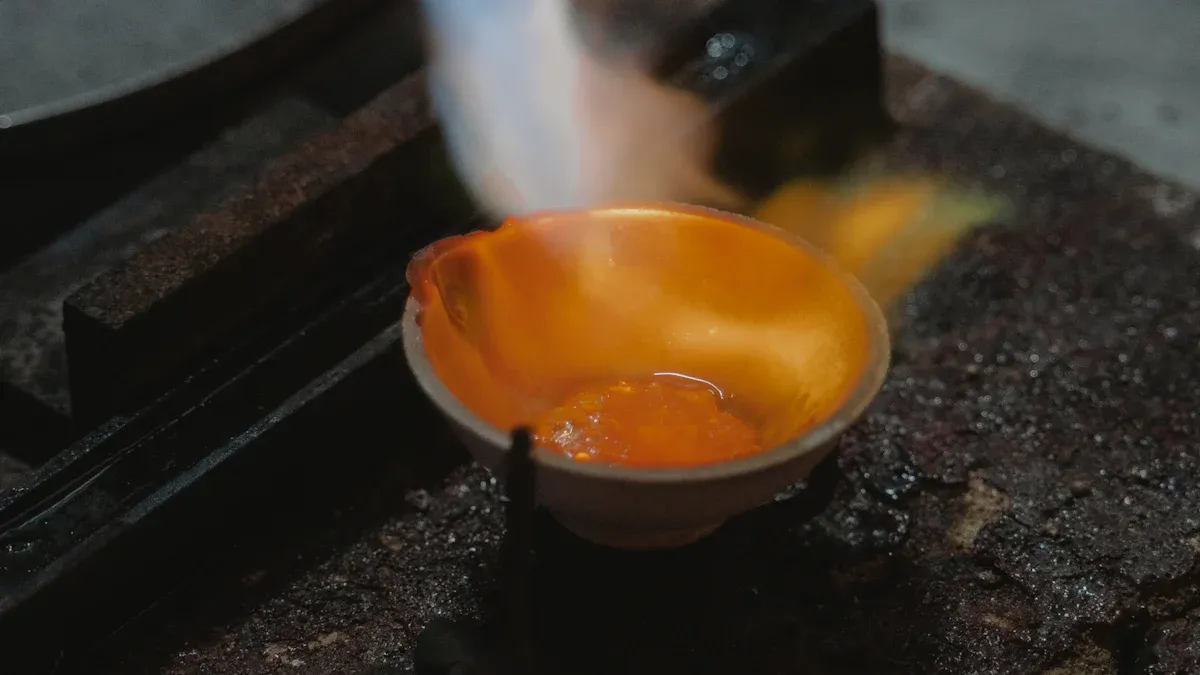
Manufacturers use kilns to remove wax from molds, a process known as “burnout.” Workers must heat the molds carefully: the casting flask is placed with its sprue end facing downward on refractory bricks, and the kiln’s high heat melts and burns away the wax. Small jewelry castings require a slow heating cycle of seven hours, while larger castings need twelve to twenty-four hours—with an extended period at high temperature—to ensure the complete removal of carbon residue from within the mold. Slow preheating helps maintain the stability of the mold walls prior to metal pouring, while mold vents and vacuum processing help reduce stress during the wax removal process.
Tip: Good burnout schedules stop defects and help make strong parts for wholesale and custom orders.
Creating the Casting Cavity
Following the dewaxing stage of the investment casting process, a cavity is formed within the ceramic shell that perfectly matches the shape of the wax pattern. The quality of this cavity directly determines the quality of the casting, making quality control crucial. Inspecting the wax patterns allows for the early detection and elimination of issues that could lead to casting defects; maintaining dimensional stability in the wax patterns helps ensure the final product meets dimensional specifications. Conducting a thorough inspection prior to shell creation enables the timely identification and rectification of defects.
| Impact Type | Description |
|---|---|
| Material Waste | Lots of waste happens because ceramic molds are used once. |
| Emission Intensity | More emissions come from this method, which hurts the environment. |
| Volatile Organic Compounds (VOCs) | VOCs are released during burnout and can cause breathing problems. |
| Hazardous Waste Management | Burnout leftovers must be handled carefully to keep people safe. |
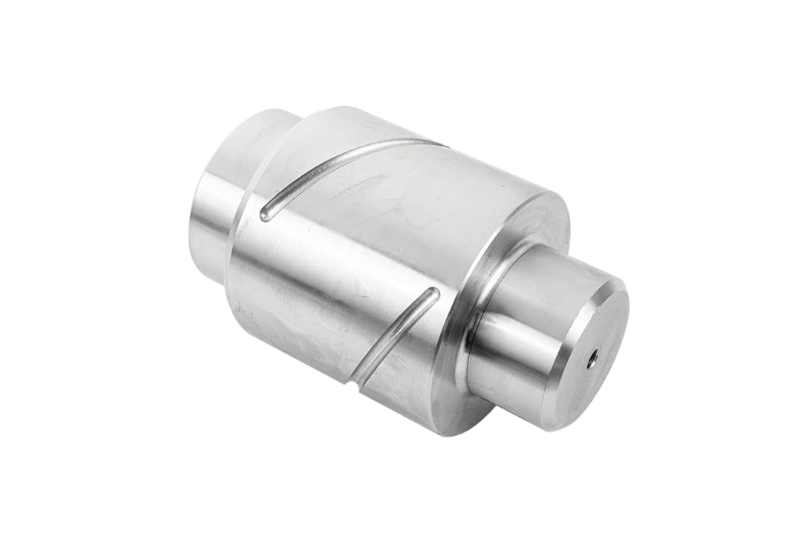
The lost-wax casting process enables the production of components with precise dimensions and smooth surfaces. Manufacturers implement rigorous quality checks during the dewaxing stage to avoid the need for additional processing or assembly issues later on. This process provides strong support for industries requiring high-precision components, such as automotive and marine manufacturing.
Metal Pouring in Lost Wax Casting
Filling the Mold with Metal
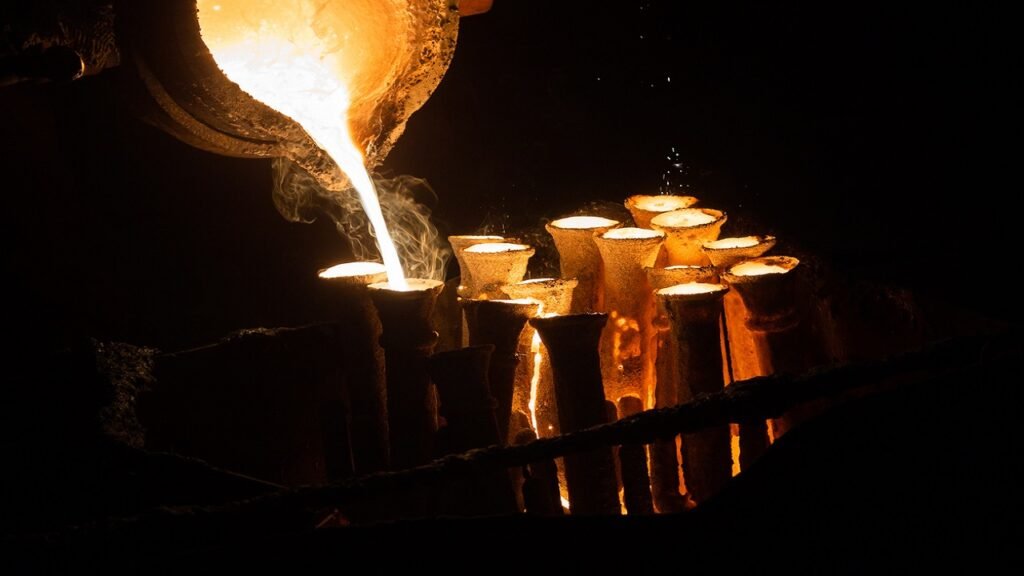
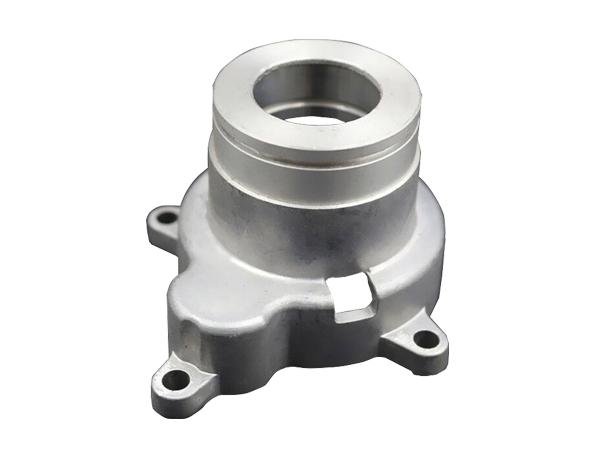
Factories use lost-wax casting to pour hot metal into molds. KEMING pours carbon steel, stainless steel, and iron for many orders. This method helps make parts for cars, boats, and trains. The metal picked changes how strong and tough the part is. Some metals used in lost-wax casting are:
- Stainless Steel
- Steel
- Ductile Iron
- Beryllium Copper
- Aluminum
- Cobalt
- Brass
- Bronze
- Nickel
Factories choose metals based on what each project needs. Bronze is used for parts that look nice and last long. Workers must control pouring so the metal fills every detail and stops mistakes.
| Metal Type | Properties | Applications |
|---|---|---|
| Aluminum | Light, easy to shape, not as strong as copper alloys | Used for housings and parts that do not need much strength |
| Copper | Very strong and conducts electricity well, heavier and costs more | Used for parts that need to be strong or carry electricity |
| Ductile Iron | Strong and bends without breaking, has a special carbon structure | Used for tough parts like crankshafts |
| Steel Castings | Strongest and lasts the longest | Used for parts that get lots of stress, like valves |
Achieving Dimensional Accuracy
Getting the right size is very important in lost-wax casting. Factories control how hot the metal is and how fast it cools. They watch the dewaxing step and check sizes often. Factories handle how the mold grows with heat and use special ways to build shells. Keeping things steady helps factories make good parts every time.
Good pouring and cooling make each part strong and reliable. If cooling is not even, parts can crack or have mistakes. Factories use smart systems to check quality.
Investment casting makes parts with exact shapes and sizes. Pouring metal gives each part the strength and dependability needed for hard jobs.
The lost wax process has five main steps. These are wax model creation, mold making, wax removal, metal pouring, and finishing. Each step helps makers get the right shape and a smooth surface. This process is used in investment casting to make strong and exact parts. Factories use this method because it gives steady results for many jobs.
| Measurable Outcome | Description |
|---|---|
| Dimensional Consistency | Parts fit well and do not cause assembly issues |
| Surface Condition | Smooth parts need less fixing or extra work |
| Structural Integrity | Strong parts break less and last longer |
FAQ
Which industries use the lost-wax casting process?
Manufacturers of automobiles, ships, trains, and agricultural equipment utilize the lost-wax casting process. They employ this method to produce specialized components that require extremely high precision.
How does lost-wax casting ensure component precision?
Factories meticulously craft wax patterns and conduct rigorous inspections to ensure the resulting components have precise dimensions and smooth surfaces.
Can factories handle both small-batch and large-batch orders using the lost-wax casting process?
Yes. Lost-wax casting is suitable for both small and large production runs, meeting the needs for bulk procurement as well as specialized components.