EN
EN  DE
DE  ES
ES  FR
FR  PT
PT  RU
RU 
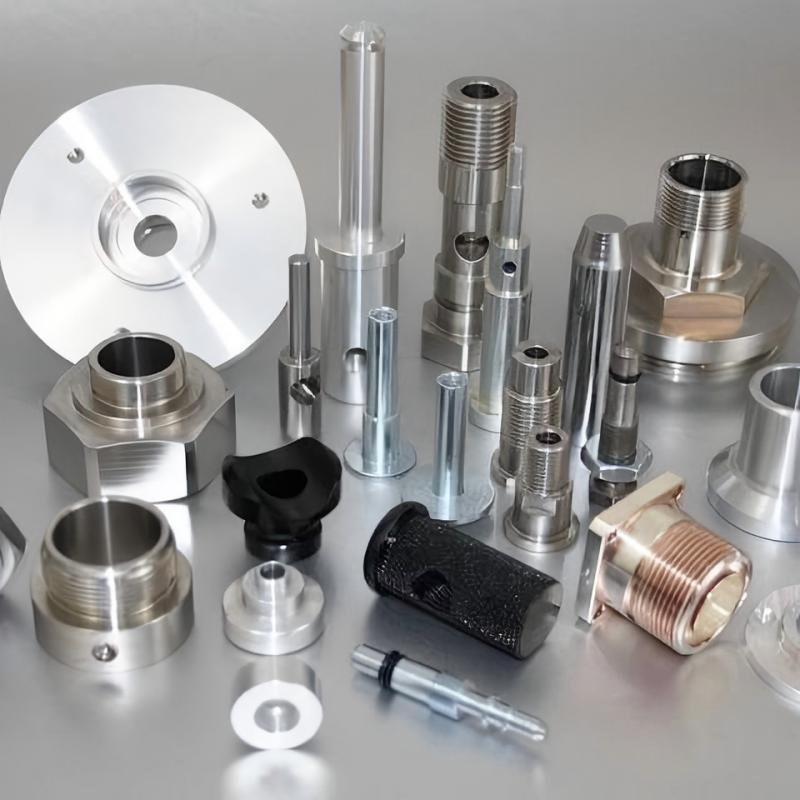
Precision products are high-precision mechanical parts manufactured with precise dimensions to ensure reliable operation under harsh conditions. Manufacturing these high-precision parts requires higher precision and more stringent quality control than standard manufacturing. Advanced precision parts production relies on top-of-the-line equipment to produce durable mechanical components. These reliable parts help reduce failures in critical systems.
Key Takeaways
- Precision products are top-quality machine parts made with exact sizes to ensure they work reliably.
- Factories use CNC machining and investment casting to create these durable parts.
- Big industries like aerospace, medicine, and automotive rely on precision parts to stop machines from breaking down.
Precision Products and High Precision Manufacturing
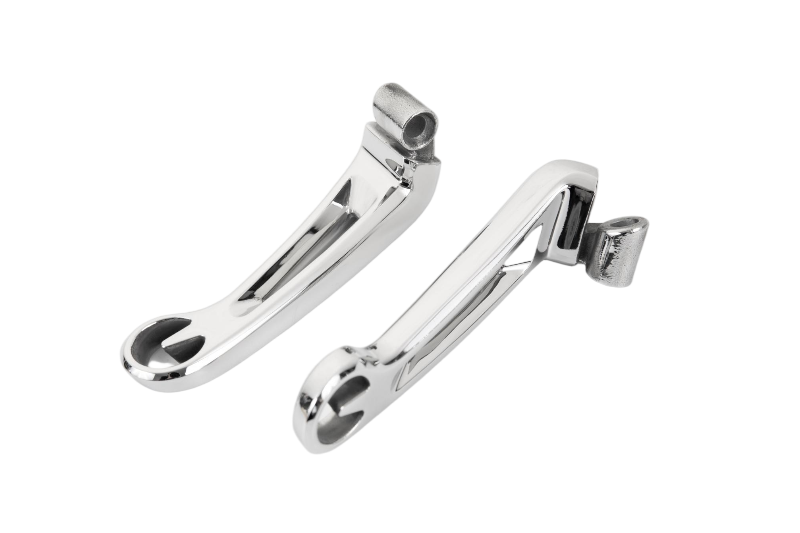
Tight Tolerances in Precision Parts Manufacturing
Today’s high precision manufacturing depends on exact physical features. This physical stability helps precision mechanical components handle heat, shaking, and daily wear. To ensure long-term mechanical stability, design engineers choose tough metals like stainless steel or aluminum. Meanwhile, high tolerance manufacturing reaches exact dimensions needed for heavy-duty industrial uses. Standard machining creates smooth surface finishes for precision components, as displayed in the Ra chart below.
Advanced precision parts manufacturing promises great accuracy across thousands of matching parts. To check these exact dimensions, modern metrology uses coordinate measuring machines. Specialized quality control systems also track each step during tight-tolerance production. Thanks to this strict build process, precision mechanical components fit together smoothly inside complex machines. Careful testing and checks catch any flaws before critical mechanical components start real-world work.
Key Processes: CNC Machining and Investment Casting
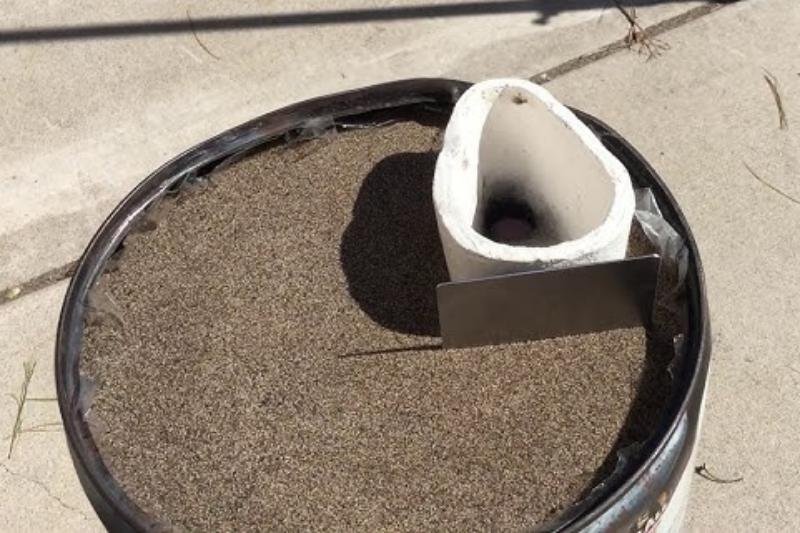
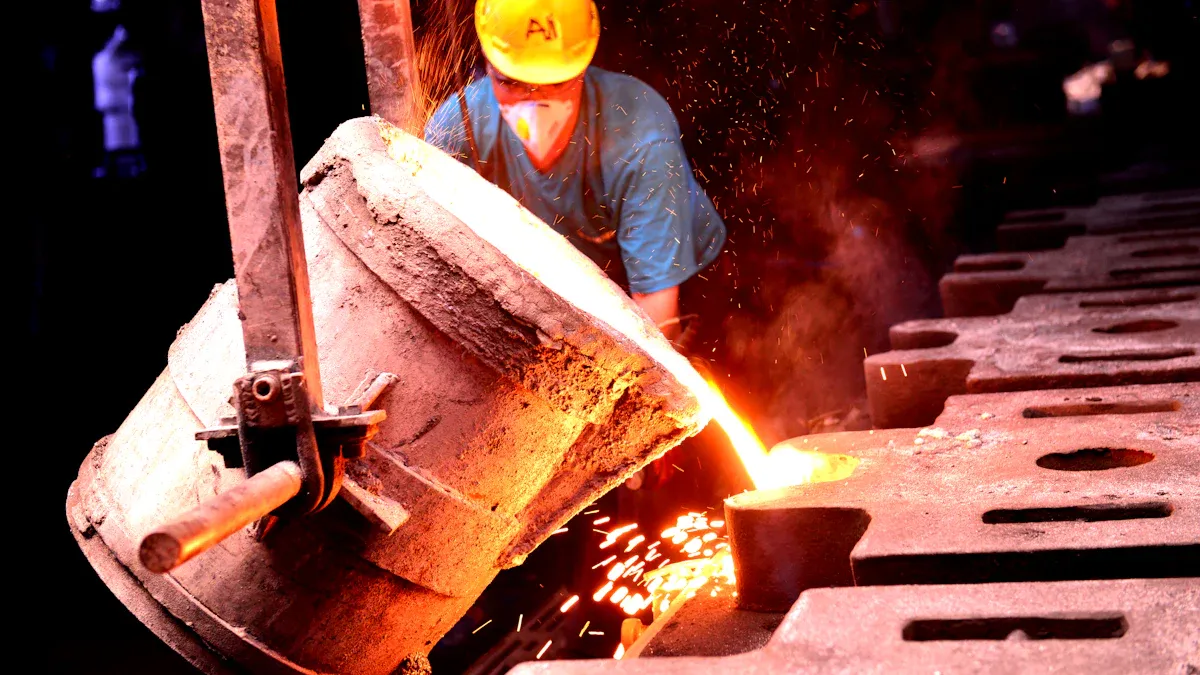
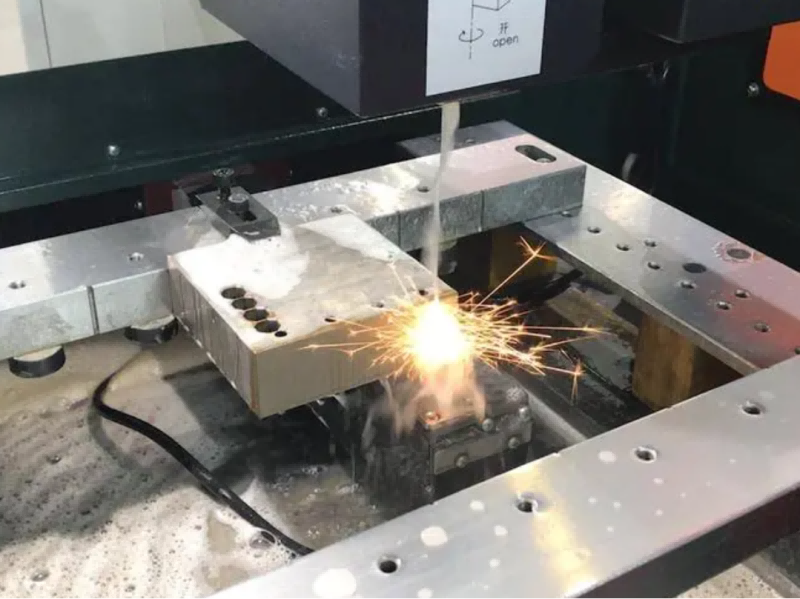
Modern factories rely on two main methods for high precision parts manufacturing. First, advanced cnc machining cuts raw metal using computerized tools. These multi-axis cnc tools build complex custom precision components with very tight margins. Additionally, specialized industrial plants use investment casting methods like lost wax, shell mold, or water glass casting to form strong metal parts.
Top suppliers like KEMING merge custom casting with cnc machining. They craft precision mechanical components from stainless steel, light aluminum, and strong steel alloys. Workers also run hardness tests, magnetic particle checks, and X-ray scans to guarantee high quality without any defects. This complete factory process creates trustworthy precision mechanical components for heavy machinery. In the end, high precision manufacturing guards precision products from breaking down early. Excellent precision parts manufacturing ensures lasting success for essential precision products and critical precision mechanical components.
Key Applications of Precision Products
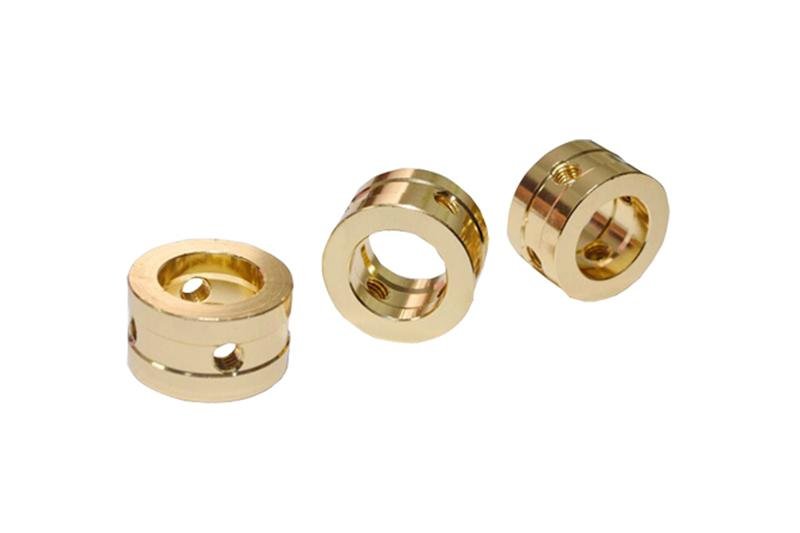
Aerospace, Automotive, and Defense Systems
High-stress hardware requires exact construction for safe operation. In aerospace, modern plants use precision tools to make fuel-efficient equipment. Airfoil surfaces on turbine blades must meet strict limits of ±0.005 mm to stay accurate during flights. Defense systems rely on exact parts during tough missions. Military rules require a tight ±0.025 mm margin for control valves. Specialized machining creates these tough defense parts.
Engineers in the car industry design modern vehicles for high efficiency. Car makers cut weight without losing strength. New manufacturing methods help CNC auto parts weigh 20% to 30% less than standard cast parts. Modern fuel systems use exact injection parts. These components spray fuel evenly under high pressure due to careful shaping. Vehicle setups run smoothly using tough parts with smooth finishes.
Medical Devices and Industrial Machinery
Important medical equipment requires strict material rules. Surgeons use titanium tools made to ASTM F136 guidelines. ASTM F86 rules guide surface cleaning to boost rust resistance for medical implants. Nitinol shape memory alloys follow ASTM F2063 standards for tools. Top-quality surface finishing ensures safe operation. Real-world uses of exact parts protect patients during delicate surgeries.
Heavy industrial fields rely on precision products. Marine, railroad, mining, and farm machines use high-stress parts. Standard manufacturing makes ball screws that match DIN and JIS rules. Careful machining builds tough items that endure heavy rubbing. Installing exact parts cuts wear on key mining gear components. Factories use these parts to protect inner pieces and extend tool life.
Modern projects depend on precision products for safe daily operation. Advanced CNC machining and casting build tough parts for rough conditions.
Working early during precision parts manufacturing cuts defect rates by 18–25%. Certified factories deliver precision mechanical components and OEM components. These precision mechanical components protect important hardware systems.
FAQ
Which sectors use precision components?
Precision components serve high-stress fields like aerospace and medicine. Both standard parts and vital pieces need exact crafting to work safely every day.
How does manufacturing build precision parts?
Specialized factories build these exact pieces using CNC machining and investment casting. Production lines make strong industrial hardware through reliable building steps.
Why do engineers select precision mechanical components?
Custom parts match complex machines perfectly. Factory workers craft exact hardware, inspect key parts, and polish heavy items with modern shop equipment.