EN
EN  DE
DE  ES
ES  FR
FR  PT
PT  RU
RU 
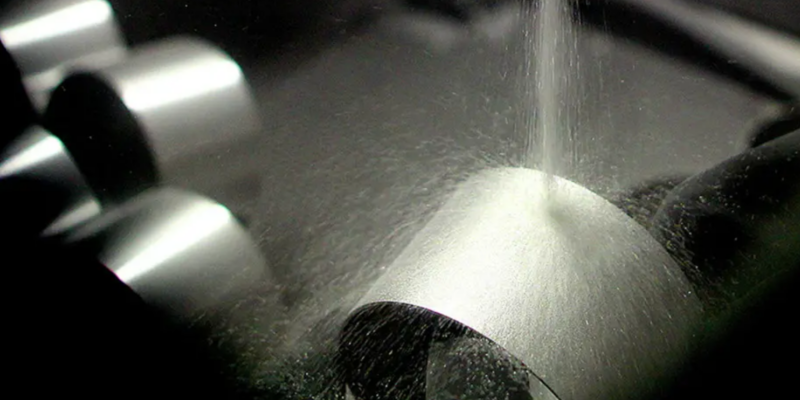
For most aluminum alloy casting projects, green sand is the optimal choice. Its low cost and reusability make it highly suitable for hobbyists and small foundries. However, the specific choice of sand depends on factors such as budget, surface finish requirements, and the complexity of the casting. This article compares green sand with sodium silicate sand (water glass sand) and resin-bonded sand, while also touching upon types such as Petrobond and calcium-based bentonite sand; different sand types impact mold quality and casting success rates in distinct ways.
Key Takeaways
- Green sand is the best choice for most aluminum casting projects. It is cheap and reusable.
- Other sands like sodium silicate, resin sand, and Petrobond have special perks. They cost more, but they make the surface much smoother.
- Investment casting works best for parts that need to be very precise. It is more expensive, but it gives accurate results.
The Best Sand for Aluminum Casting: Green Sand
Green sand earns its reputation as the best sand for most aluminum projects because it balances performance with affordability. This sand casting method uses a simple mixture that any small foundry can prepare. The material costs remain low, and the process tolerates mistakes well. For hobbyists and small shops, green sand delivers reliable results without requiring expensive equipment.
What is Green Sand and How It Works
Green sand combines high-silica sand, bentonite clay, and water—typically 6 to 8 percent moisture—plus performance additives. The clay acts as a binder, holding sand grains together. Water activates the clay’s stickiness, giving the mixture plasticity. This flexibility allows the sand to conform closely to a pattern’s shape and capture fine details. The mixture also stays naturally porous, so gases escape during pouring, reducing defects. Its thermal stability keeps the mold intact under molten aluminum’s heat.
The process follows clear stages. Workers compress the damp sand around a pattern to form a mold. For aluminum, they omit coal dust from the mix. After pouring molten metal and letting it solidify, they remove the casting and break apart the sand. Magnetic separators pull out metal particles, and screens filter debris. Reclaimed sand returns to storage for reuse. Foundries add fresh sand regularly and remove burnt material to maintain quality. This reclamation cycle means up to 90 percent of the sand gets reused, cutting waste and cost.
| Metric | Green Sand Advantage |
|---|---|
| Tooling Cost | 80–90% less expensive than high-pressure die casting tooling for small or mid-sized runs |
| Energy Use | 30–50% less energy per pound of finished product compared to die casting |
| Sand Reusability | Up to 90%+ of sand reclaimed and reused |
| Process Conditions | Lower operating temperatures and pressures than die casting |
Key Variations: Calcium Bentonite and Petrobond
Different types of sand serve different needs. Calcium bentonite is sometimes used in green sand mixtures. Petrobond is an oil-bonded sand available for casting, though specific performance data are not provided in the source evidence. Many hobby and educational settings prefer Petrobond because it does not dry out between sessions.
For detailed work like jewelry, ultra-fine 400 mesh sand reproduces intricate patterns with minimal surface flaws. This fine grain structure creates a smooth finish that standard sands cannot match. It works well with aluminum and other metals.
Green sand casting offers significant sustainability advantages. Sand is reclaimed and reused repeatedly, the process operates at lower temperatures and pressures, and foundries can incorporate closed-loop waste handling. These factors reduce raw material waste, energy costs, and environmental compliance burdens, further enhancing the economic case for green sand in low- to mid-volume production.
Green sand also provides design flexibility. Workers can modify patterns quickly without major tooling expenses. The process handles complex internal geometries and thick-walled sections easily. It supports a wider range of aluminum alloys than die casting, including high-strength and corrosion-resistant options. Slower solidification produces better grain structure and reduced internal stresses, giving castings greater mechanical strength.
Comparing Sand Casting Options for Aluminum
Green sand works well for many projects, but other types of sand serve specific needs. Sodium silicate and resin sand each offer distinct advantages and trade-offs. Understanding these differences helps a foundry choose the right material for each job.
Sodium Silicate and Resin Sand: Pros and Cons
Sodium silicate, also called water glass, cures quickly in 10 to 30 seconds. It produces a good surface finish around Ra 3 to 5 µm and generates less smoke than organic systems. This sand casting method works well for intricate cores and cavities. However, sodium silicate presents real challenges. The sand resists reclamation, requiring wet or thermal treatment at 600 to 800°C. Strength drops up to 15 percent after 10 cycles. Moisture absorption weakens the mold over time, and the short shelf life limits working time.
Resin sand offers a different balance. It delivers high bench strength up to 15 MPa and precise tolerances around ±0.2 mm. Surface finish reaches Ra ≤2 µm, making it excellent for detailed aluminum parts. The trade-offs include higher cost and slower production. Gas management becomes critical, and reclamation proves more difficult than green sand.
| Sand Type | Key Strength | Main Drawback |
|---|---|---|
| Green Sand | Low tooling cost, reusable 5–20 cycles | Tolerance ±0.5–1.5%, soft mold may shift |
| Sodium Silicate | Fast cure, good finish | Reclamation hard, moisture sensitive |
| Resin Sand | High strength, precise tolerances | Expensive, slower production |
When to Consider Professional Investment Casting
For high-precision components, investment casting outperforms traditional mold casting. The process achieves ISO 8062 tolerance grades CT4-CT7, compared to CT9-CT13 for sand methods. Typical tolerances reach ±0.003 to 0.010 inches per inch, while sand casting manages only ±0.030 to 0.060 inches. Surface finish improves dramatically as well, reaching 63 to 125 microinches Ra versus 250 to 500 microinches.
Investment casting suits complex geometries and demanding material requirements. Aerospace and defense sectors rely on this process for mission-critical parts. The initial tooling cost runs $5,000 to $50,000, far higher than sand’s $500 to $10,000. Large-scale production justifies this expense through near-net-shape parts that reduce machining. The casting mold produces exceptional accuracy that sand cannot match.
For most hobbyists and small foundries, green sand remains the practical choice. Professional investment casting serves those who need extreme precision and have the budget to support it. Each sand mold technique fills a specific role in aluminum production.
Selecting the Best Sand for Your Project
Picking the right material means thinking about two things: how much the project costs and how the final part should look. Each sand casting method balances these needs in its own way. A hobbyist making one prototype has different needs from a shop that makes hundreds of parts. Knowing these trade-offs helps a buyer find the best sand for their job.
Cost and Reusability Factors
Green sand is the cheapest choice for most aluminum jobs. The basic materials—silica sand, bentonite clay, and water—are very low cost. A small foundry can mix them with simple tools. The ability to reuse the sand saves even more money. Foundries recover up to 90 percent of the sand after each pour. They sift out trash, take out metal bits, and put the clean grains back. This process repeats many times until the sand can no longer hold its shape.
Resin sand and sodium silicate cost more at each step. The binders themselves are more expensive. Reclaiming them needs special steps, often with heat or chemicals. For example, sodium silicate must be heated to 600 to 800°C to break down the binder. That energy cost adds up fast. Resin sand also needs careful handling and throwing away. These materials work for certain jobs, but they do not save as much money as green sand for everyday use.
The time to make the mold also affects cost. Green sand packs fast around a pattern, so cycles are quick. Resin systems need mixing, hardening, and waiting. Slower work means more labor cost per part. For small shops and hobbyists, green sand is fast and simple, keeping costs low.
Quality and Surface Finish Requirements
Surface finish decides how much work a part needs after casting. A rough surface needs grinding, sanding, or machining before it meets the specs. These steps add time and money. The table below shows typical surface roughness numbers for different casting processes.
| Casting Process | Typical Ra Range (µm) |
|---|---|
| Green sand molding | 12.5 – 25 |
| Resin-bonded sand | 6.3 – 12.5 |
| Investment casting (standard) | 1.6 – 3.2 |
| Investment casting (premium) | — |
Green sand gives a good enough finish for most uses. The 12.5 to 25 µm Ra range works for structural parts, brackets, and housings where look is less important than function. Resin-bonded sand makes the surface better at 6.3 to 12.5 µm Ra, cutting down on finishing. For very smooth results, investment casting achieves a Ra range of 1.6 to 3.2 µm. Aerospace parts often need this level of precision.
A buyer should match the finish need to the part’s purpose. A decorative piece or a part that needs tight sealing may be worth the higher cost of resin sand or professional investment casting. A simple bracket that is not seen only needs the basic finish from green sand. The sand molds themselves decide this, so picking the material directly affects the final quality.
For complex shapes or high-volume production, professional investment casting services provide a good option. These services give great accuracy and surface quality that regular sand methods cannot match. A buyer with high requirements should talk to a casting specialist to look at the choices.
Green sand remains the best sand for most hobbyists and small foundries. Sodium silicate and resin sand serve niche needs with higher strength and smoother finishes. Ultra-fine sand handles detailed work. For high-precision or large-scale production, professional investment casting services deliver exceptional accuracy. Buyers should weigh budget, finish, and complexity before choosing a casting method.
FAQ
How many times can green sand be reused?
Green sand can be used again and again. After each pour, foundries recover up to 90 percent of it. They remove debris and mix in fresh sand to keep it working well.
Does Petrobond work better than traditional green sand?
Based on the available evidence, green sand is cost-effective and suitable for larger jobs. Petrobond is not covered in the evidence, so a direct comparison cannot be made.
When should someone choose investment casting over sand casting?
Investment casting is best for high-precision parts with complex shapes. It offers tighter tolerances and smoother surfaces than sand casting. The higher upfront cost is worth it for large runs or demanding uses.