EN
EN  DE
DE  ES
ES  FR
FR  PT
PT  RU
RU 
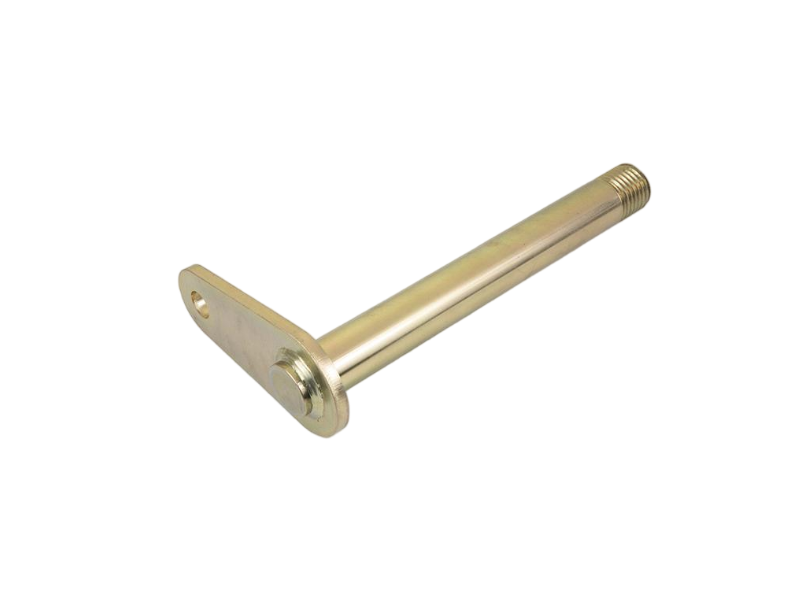
Metal casting relies on base silica sand mixed with special chemical glues as the standard molding material for shaping components. Factories group these glues into three main types: green sand, sodium silicate water glass, and resin sand. Industry reports predict sand casting will make up 35% of the global metal casting process segment by 2026. Manufacturers choose each mixture carefully to ensure precise metal casting results for high-performance industrial applications.
Key Takeaways
- Silica sand is the main material used to make most metal casting molds.
- Chromite and zircon sands can withstand extreme temperatures when making detailed steel objects.
- Tiny sand pieces make smoother metal parts for detailed engine pieces.
Common Types of Sand Used in Metal Casting
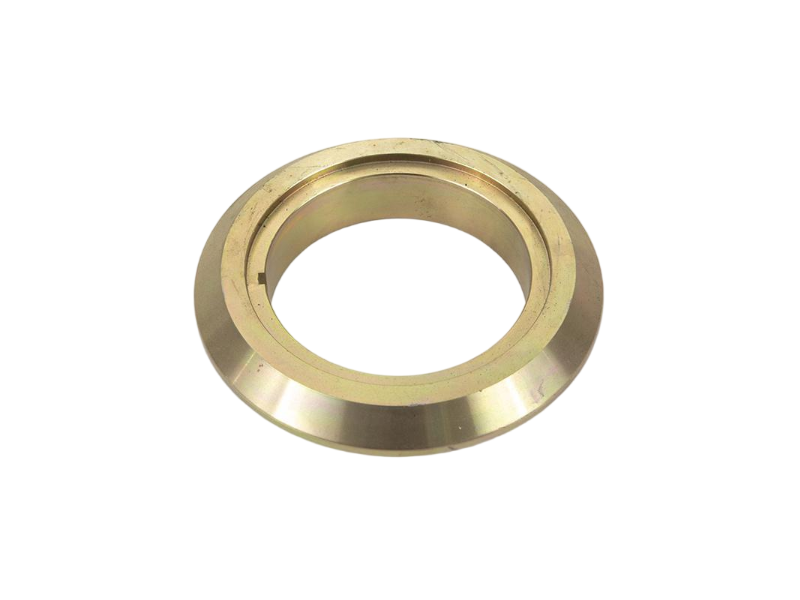
Foundry engineers select specific raw materials to build strong sand molds for precision metal casting applications.
Base Materials: Silica, Chromite, and Zircon Sand
Silica (SiO2) serves as the main heat-resistant material for standard metal casting molds. Regular sand mixtures use 75% to 85% silica because it is cheap and easy to find. A custom foundry supplier chooses chromite or zircon grains when a large job needs higher heat resistance. These special materials absorb intense heat without expanding or cracking while workers pour molten metal. Additionally, small workshop operators sometimes use pool filter sand with a 20/40 size for basic test projects.
Chemical Binders: Green Sand and Water Glass Systems
Foundries mix heat-resistant base materials with chemical glues to strengthen every sand mold casting. A green sand mixture stays the top choice for fast factory production. Mixing basic sand grains with 5% to 11% bentonite clay and 2% to 4% water builds solid strength without heat curing.
Advanced manufacturing plants also use sodium silicate water glass and synthetic resin mixtures to build stiff molds. A technician pushes carbon dioxide gas through a 2% to 4% sodium silicate mix to harden molds quickly. Meanwhile, plastic resin glues use chemical hardeners to keep exact mold shapes within ±0.2 mm. Efficient sand casting methods help a wholesale manufacturer create clean parts during the shaping process. Modern industrial plants rely on these flexible methods to ensure every sand casting setup passes strict quality tests.
Choosing the Best Sand for Metal Casting Molds
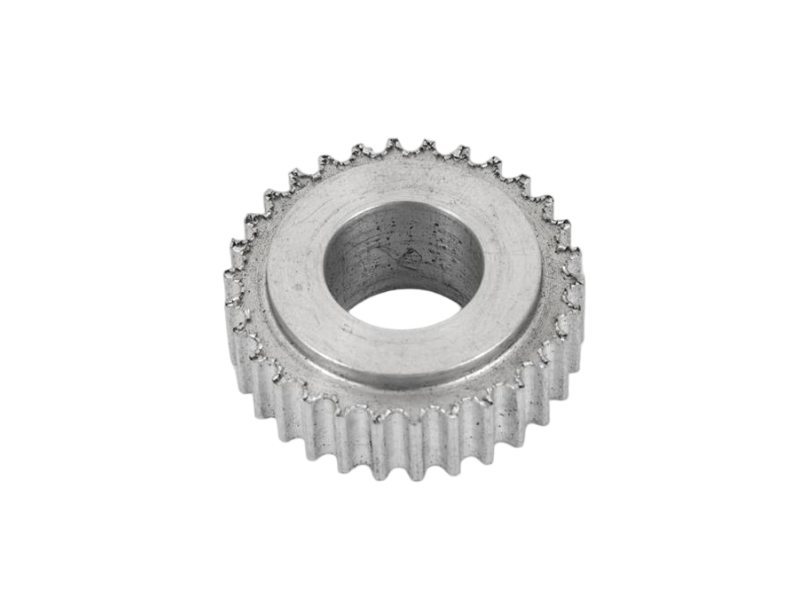
Heat Levels and Complex Part Shapes
Factory engineers pick specific raw materials based on the metal pouring heat and part shape. Regular silica sand swells by 1.2% to 1.5% under extreme heat. At 573°C, alpha-quartz turns directly into beta-quartz. This quick size increase creates strong internal pressure in sand molds and causes cracks during hot metal pours near 1600°C. Because of this, plant technicians pick chromite or zircon grains for detailed steel parts. Chromite handles heat up to 1900°C and shows very little heat growth. Its high heat movement creates a cooling action that hardens liquid steel fast.
Various sand types fit specific job sizes, exact measurements, and main building shapes. A wholesale supplier uses special core mixes to form detailed inner hollow paths for heavy pump cases. At the same time, big structural parts use dry molds to keep precise sizes under high heat stress.
Surface Smoothness and Factory Machine Work
Grain size directly impacts surface roughness in every single casting job. Large grains in normal green sand give a rougher finish between 250 and 500 RMS. On the other hand, small 70–140 mesh coated resin sand forms smoother mold surfaces for detailed, high-accuracy engine parts.
Many tough industrial uses need exact sizes on main sealing areas and moving bearing points. A custom maker like KEMING Machinery pairs water glass sand casting with top alloy steel pours to build strong parts. The modern plant uses CNC precision machining to trim rough parts to exact final specs. This full casting system fixes surface flaws, lowers extra cutting needs, and builds finished factory parts quickly.
| System | Cost and performance |
|---|---|
| Green sand | Inexpensive, quick, and reusable |
| Resin sand | Higher cost for detailed parts |
Engineers pick sand using budget, metal type, and finish goals. Buyers can ask a custom factory provider like KEMING Machinery to select top sand casting techniques for detailed metal pouring jobs with strong sand molds.
FAQ
What base sand material dominates standard industrial molds?
Silica sand forms 75% to 85% of normal blends. Plant workers pick chromite or zircon grains when heavy steel pours demand better heat resistance.
How do sodium silicate systems harden quickly?
Workers blow carbon dioxide gas into a 2% to 4% sodium silicate blend. This quick chemical reaction freezes the mold fast for detailed metal casting jobs.
Why do factories choose resin-bonded systems for complex parts?
Man-made resin glues use chemical hardening agents to set grain spots. This action holds tight size accuracy within ±0.2 mm for complex factory casting parts.