EN
EN  DE
DE  ES
ES  FR
FR  PT
PT  RU
RU 
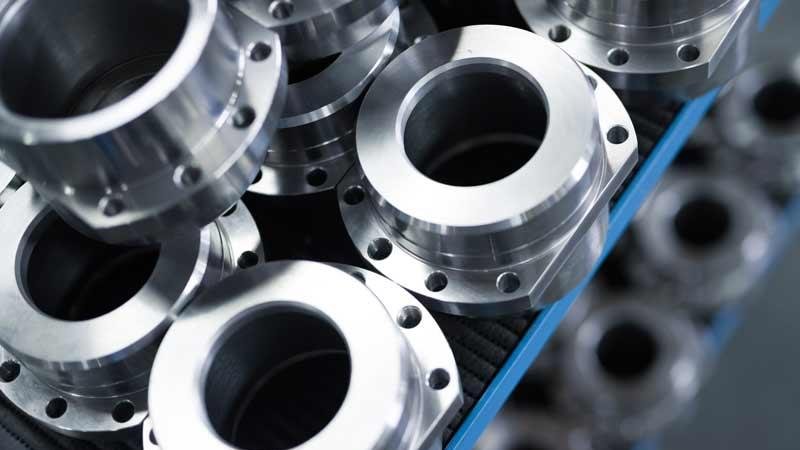
Precision investment casting, also known as lost wax casting, is a modern way to make metal parts. Factory workers pour liquid metal into ceramic molds to build detailed shapes with exact measurements. The word investment means coating a wax model with a heat-resistant liquid mixture. This technique creates every accurate metal piece quickly. It uses fewer raw materials and cuts down on the extra shaping work needed later.
Key Takeaways
- Precision investment casting creates complex metal parts with exact measurements and very little wasted material.
- This modern metal-shaping method creates smooth outer surfaces and lessens the need for extra tool carving.
- Many big industries use strong iron and aluminum metal parts for heavy-duty tools and engine pieces.
Step-by-Step Precision Investment Casting Process

This metal casting process turns 3D digital designs into real metal parts through set steps. Workers follow a step-by-step method to build these metal objects safely. This careful approach gives exact measurements for every custom order.
Wax Pattern Creation and Mold Shell Assembly
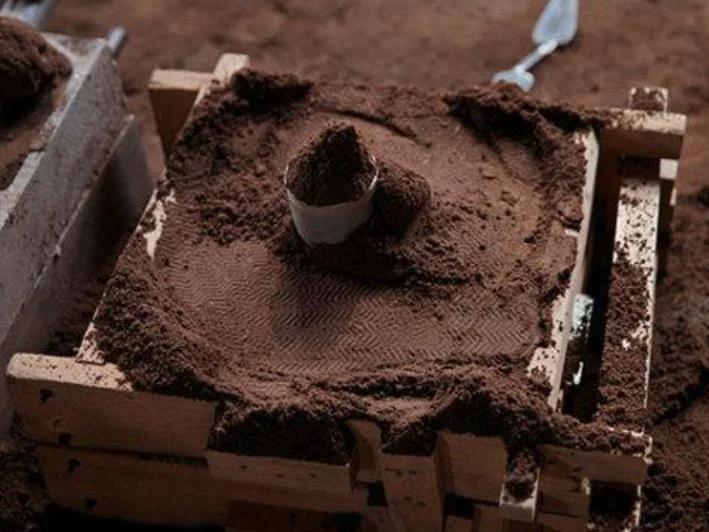
Workers push warm wax into a metal mold under pressure to make an exact copy. The mold size accounts for a small amount of wax shrinkage. Workers connect many wax pieces to a central wax bar using hot tools. This setup lets them cast several metal parts all at once.
Next, factory workers build a strong ceramic shell around the wax tree.
- Slurry dipping: Workers dip the wax tree into a liquid ceramic mixture.
- Sand stuccoing: Workers sprinkle fine sand over the wet ceramic coat.
- Controlled drying: Workers dry the coated tree in a room with steady temperature and air.
- Layer repetition: Workers repeat the dipping, sanding, and drying steps 5 to 8 times to build a strong shell.
Dewaxing, Metal Pouring, and Knockout
This method melts wax out of the ceramic shell to leave a hollow space inside. Workers put the dry shell into a hot steam tank under high pressure. The hot steam melts the wax fast so it flows right out.
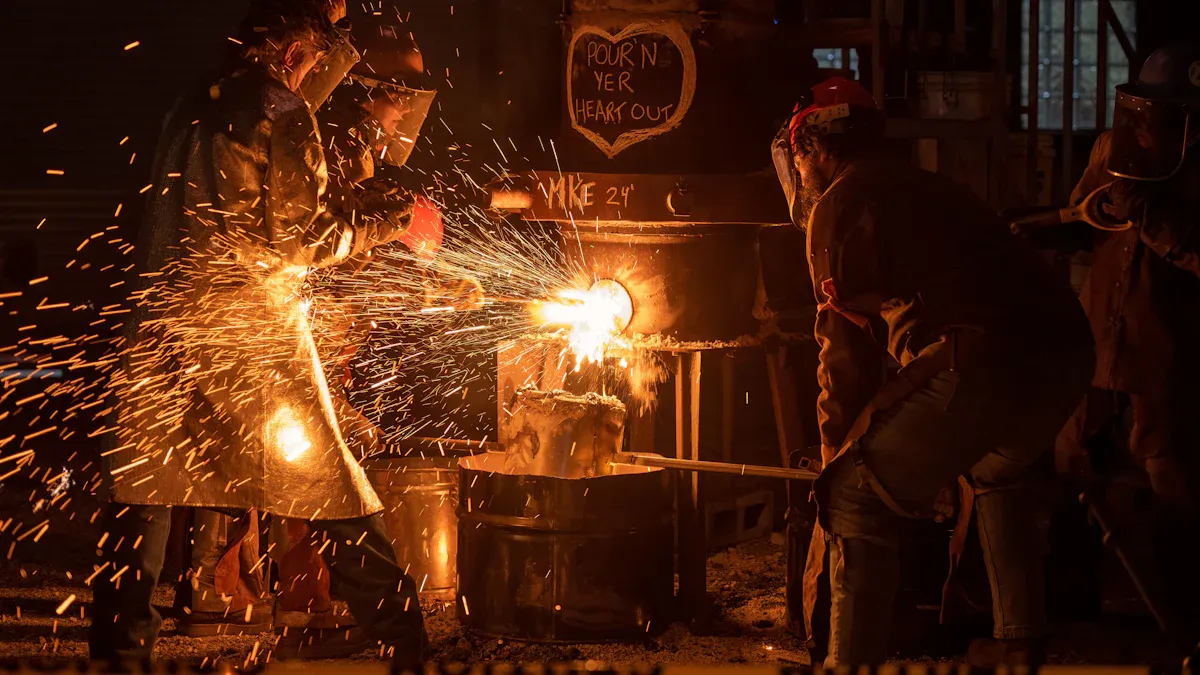
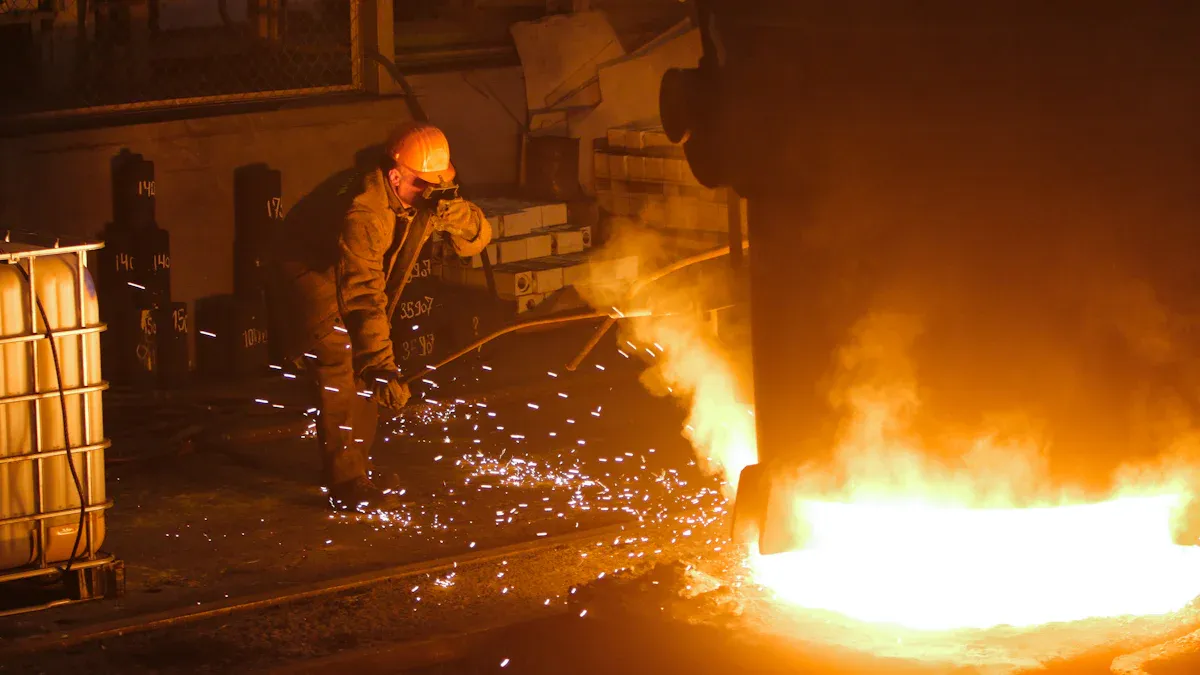
Workers heat the ceramic shell in an oven before pouring the hot metal. Steel molds reach very high temperatures before filling. Heating the shell stops it from cracking and helps hot metal flow easily. Workers pour liquid metal into the hot shell to fill every space.
The hot metal cools down and turns solid inside the hard ceramic mold. Machines use shaking or water streams to break away the outer shell after cooling. Workers cut metal parts off the main bar and smooth out the edges.
| Production Stage | Standard Tolerance | Primary Function |
|---|---|---|
| As-cast precision casting | ±0.25 mm to ±0.76 mm | Creates near-net shape metal components |
| Integrated CNC machining | ±0.025 mm | Refines critical mating surfaces and tight holes |
A trusted company uses precision investment casting along with precise machine cutting tools. This mixed manufacturing method makes complex parts with matching shapes every time. Extra machine cutting shapes smooth edges, screw threads, and tight holes to match exact plans. This complete work process creates accurate parts for tough factory jobs.
Benefits and Materials in Investment Casting
Tight Tolerances and Superior Surface Finish
This metal pouring method makes metal shapes so close to final designs that they need very little extra smoothing work. Product designers pick this building process to deliver high shape accuracy on tricky parts. Normal line measurement rules offer ±0.005 inch per inch, while base sizes under 1 in get standard margins of ±0.010 in (±0.25 mm) and top-grade margins of ±0.005 in (±0.13 mm). Precision investment casting handles base sizes up to 10 in with a top-grade margin of ±0.019 in (±0.48 mm). Also, makers reach smooth surface textures from a normal 125 micro-inches Ra down to 63 micro-inches Ra or better on top-grade parts.
Sleek cast outer layers cut down or remove pricey hand rubbing work in many factory setups. When blueprint drawings ask for tight margins on screw holes, flat bases, ring pads, or post spots, a main supplier relies on modern computer cutting, hole making, thread cutting, or surface grinding to complete those chief spots. This mixed factory plan helps a specialized shop cut metal scrap, lower machine costs, and hold exact part measurements.
Ferrous and Non-Ferrous Material Selection
This flexible metal process handles many iron and non-iron metal mixes to satisfy different strength needs. A special metal shop pours carbon steel, low blend steel, stainless steel, and iron molds for heavy-duty structural parts. Makers also use strong aluminum investment casting and zinc blends to build light, rust-proof parts for car, air, and shield uses. Special heat heating steps extra boost metal toughness, rub defense, and rust shield across these metal grades.
A custom maker uses strict checking rules across all work steps to confirm mix and body traits. Testing labs run metal mix checks with ray scanners on sample pieces right before metal pouring. Workers do rock or ball press checks on heat-treated parts to confirm metal power and cutting ease before sending pieces out for final assembly.
- X-ray inspection: Ray testing shoots high-energy beams right through key parts to find inner air bubbles, gas pockets, shrink holes, and trapped dirt pieces.
- Magnetic particle inspection: Workers send magnetic force through iron steel parts and sprinkle tiny iron dust to show top and near-top line cracks clear.
- Dye penetrant inspection: Bright liquid dye soaks into outer gaps to mark open surface spots clearly on smooth metal pieces.
- Ultrasonic testing: High-pitch sound waves bounce through thick, heavy-load parts to check inside for hidden flaws.
These safe checking steps help every accurate metal part meet global rules, including ASTM, DIN, JIS, and AAR guides. Strong material testing and safety checks ensure high part accuracy and safe use inside tough factory work areas.
Investment Casting Applications and Comparisons
Investment Casting versus Sand and Die Casting
Factory teams pick distinct metal shaping systems after viewing clear project goals. Their investment casting method builds almost-finished metal parts featuring smooth outer surfaces from Ra 1.6–3.2 µm. Sand casting leaves bumpy outer textures around Ra 6.3–25 µm, which forces extra machine trimming later. Die casting provides small item prices during huge runs, yet initial equipment setups demand major early spending.
Design experts choose precision investment casting to shape tricky forms avoiding extra metal cutting. An expert maker creates slim walls down to 0.5 mm having tight size control within ±0.1 mm per 100 mm. Sand casting prefers bulkier shapes while charging small tool fees near $200 up to $1,000 for designs. Investment casting demands wax tools pricing $5,000 to $20,000, but smart pouring cuts costly raw supply waste.
High-Precision Components for Key Industries
Countless commercial groups depend on precision casting to form main structural units. Shops make engine blocks, turbo wheels, plus gear shells across motor vehicle setups. Train equipment suppliers buy wheel frames, rail car links, and stop discs out of specialized production sites. Sea vessels apply rust-proof 3-, 4-, and 5-blade boat propellers to survive tough ocean waters daily.
Digging sites require tough steel mix items that survive rough digging zones. Pull ropes, scraper tools, plus mud pumps apply this flexible metal method toward longer working lives. Heavy building gear trusts steel alloy shape designs to support massive site weights safely. Each precision investment casting build supplies solid metal strength under demanding daily tasks.
Design teams choose precision investment casting to craft tricky parts while saving supplies. Paying for ceramic mold tooling early saves big money over time by stopping raw material loss and extra CNC machining. Buyers work with expert suppliers like KEMING to simplify all manufacturing steps. KEMING makes every precision metal component quickly from early samples to full orders.
FAQ
What tolerances can investment casting achieve?
Normal investment casting keeps straight size margins within ±0.25 mm. Combined CNC machine cutting helps smooth key outer spots to very tight margins of ±0.025 mm for special factory parts.
What materials can manufacturers use in lost wax casting?
A custom maker pours carbon steel, stainless steel, blend steel, cast iron, aluminum, and zinc. Special heating steps increase part power, rub shield, and rust defense.
How does investment casting improve surface finish quality?
This method makes smooth outer textures from 125 micro-inches Ra down to 63 micro-inches Ra. A smooth layer like this cuts down on extra hand rubbing work.