EN
EN  DE
DE  ES
ES  FR
FR  PT
PT  RU
RU 
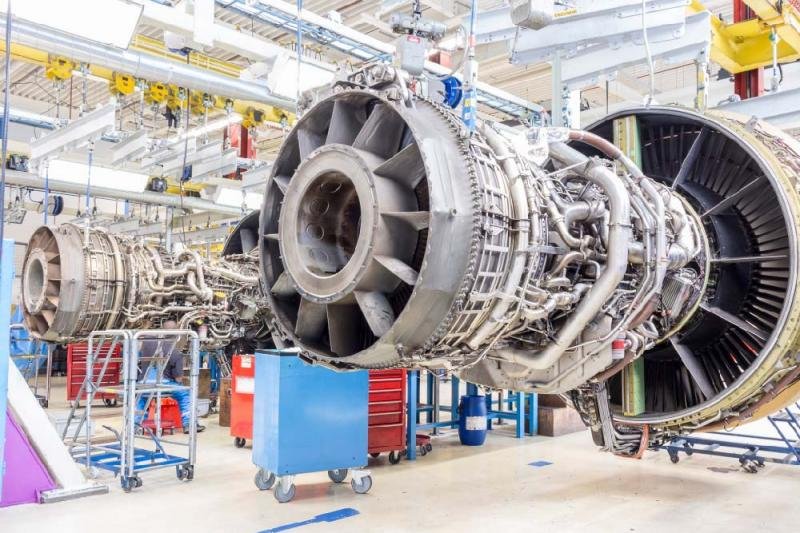
Investment casting (also known as lost-wax casting) is a precision metal-forming process with a history spanning thousands of years. Capable of achieving strict dimensional tolerances (ISO 8062 grades CT5–CT7) and surface finishes ranging from Ra 1.6 to 6.3 μm, the process is ideally suited for manufacturing components with complex geometries and smooth surfaces. In 2025, the global investment casting market reached a valuation of $17.61 billion, with the aerospace and automotive industries serving as key application sectors.
Key Takeaways
- Investment casting makes complicated metal parts with very smooth surfaces and very precise measurements, so you need less extra finishing work.
- This method wastes little material and works for many alloys, making it ideal for aerospace, medical, and automotive parts.
- It costs more and takes longer than some other ways, but it gives you amazing detail for parts that need to be very precise.
Understanding the Investment Casting Process
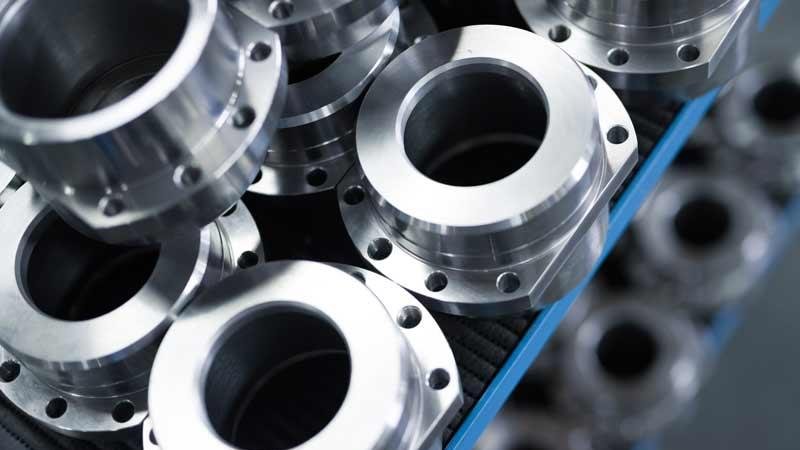
The Investment Casting Process Step by Step
The investment casting process follows a set of clear stages. Each step helps the final part’s precision and excellent surface finish.
- Molding for wax patterns: Workers make wax patterns using machined metal molds. They plan for shrinkage of metal, wax, and ceramic during this stage.
- Wax injection: Technicians put on a release agent, inject wax into the mold, and cool the pattern in cold water. Common materials include filled pattern wax for large parts and non-filled wax for smaller projects.
- Wax tree assembly: Workers attach multiple wax patterns to a central wax sprue. This tree structure allows casting 10 to 50 parts at once, improving efficiency.
- Shell making: The wax tree goes through repeated dipping cycles. Each cycle means dipping into ceramic slurry and coating with stucco, a fine refractory sand. The slurry contains colloidal silica binder and ceramic flour. Workers repeat this 6 to 8 times, building a shell 5 to 10 mm thick. Each layer dries for 4 to 12 hours under controlled humidity.MaterialDescriptionCeramic slurryA liquid mix of fine ceramic particles held in water or alcoholStuccoFine sand or ceramic grains applied after the slurry coating
- Shell drying and hardening: Each layer dries and hardens so the binder changes from sol to gel, joining the refractory materials.
- Dewaxing: Workers place the shell in a steam autoclave at 150 to 200°C and 7 to 10 bar pressure. The wax melts quickly and drains out. Foundries capture nearly 100% of the wax for recycling.
- Shell baking: The shell bakes in a furnace at 540 to 1,090°C. This firing burns out leftover wax, strengthens the mold, and gets it ready for hot metal.
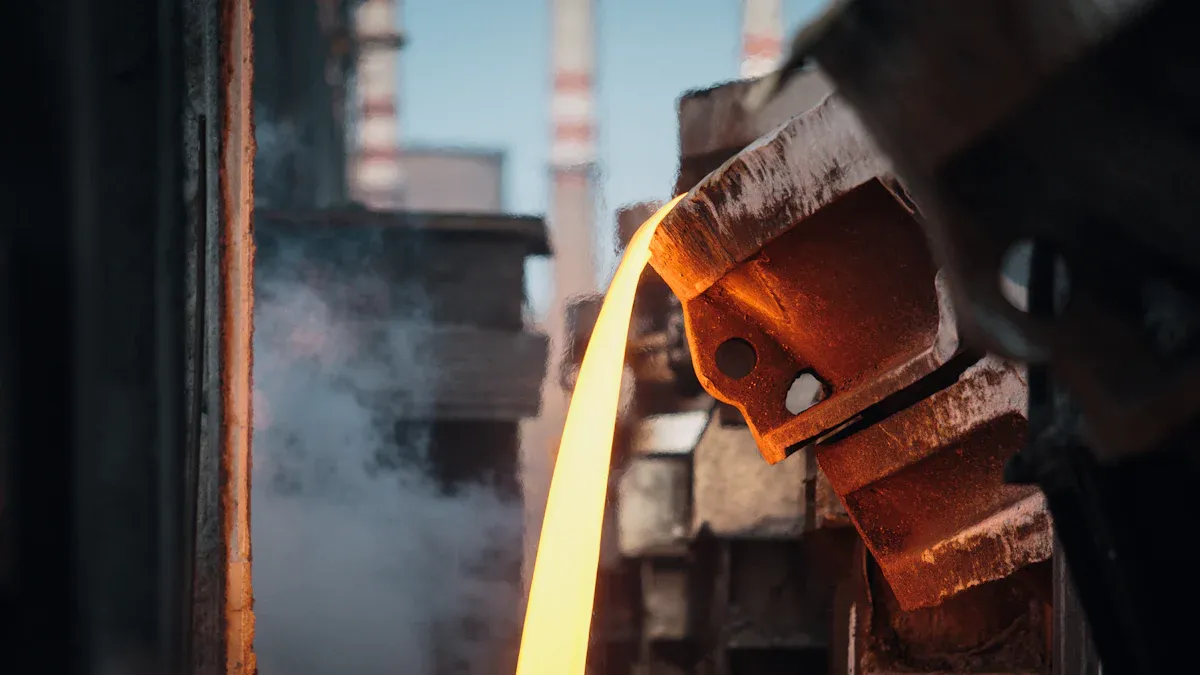
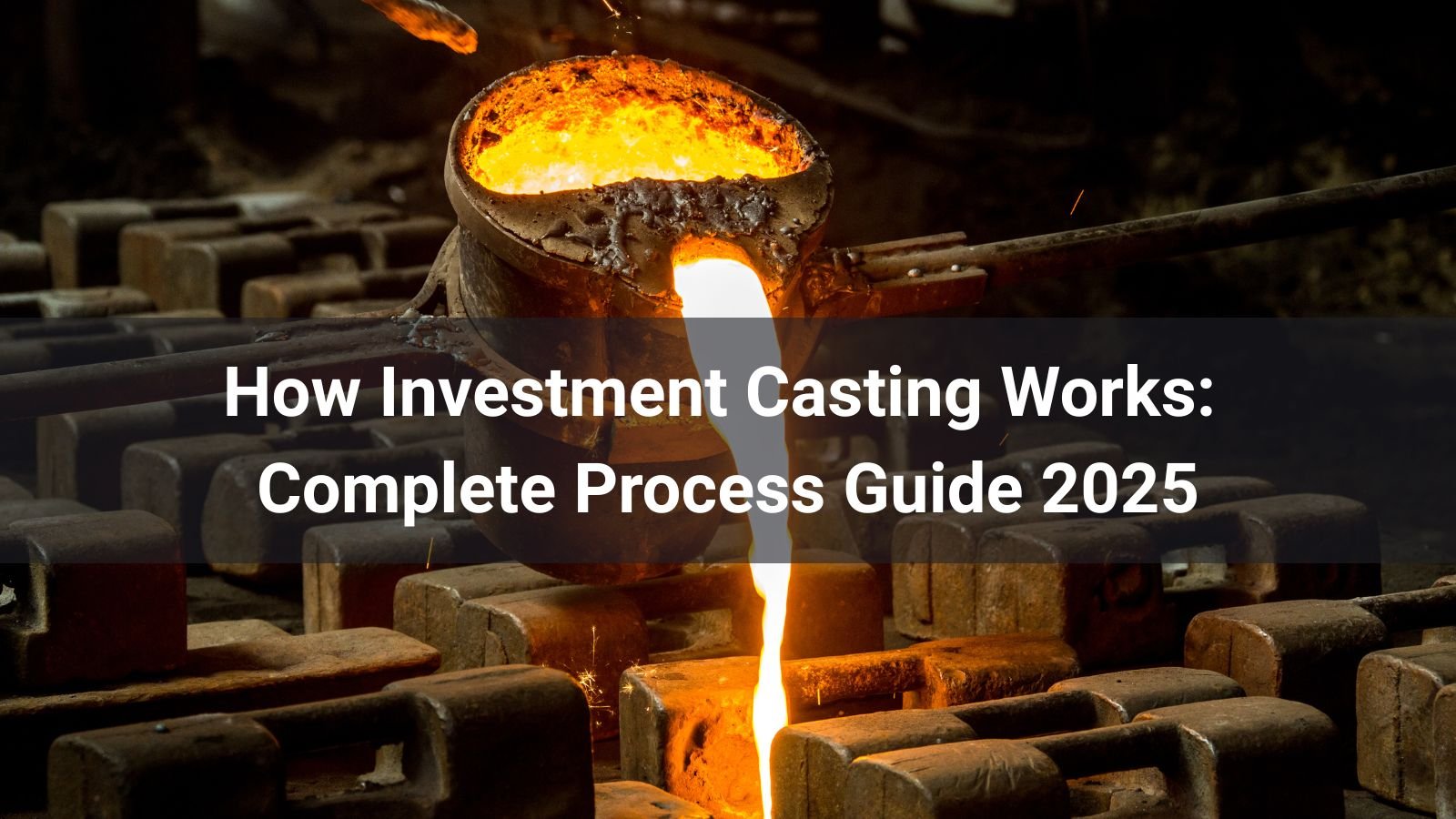
- Melting and pouring: Molten metal at 1,400 to 1,600°C enters the hot shell using gravity, vacuum, or centrifugal methods. The metal fills the cavity with high fluidity.
- Shell removing: After solidification, workers remove the shell using vibration or high-pressure water jets.
- Cut and remove casting ingates and risers: Each casting separates from the cluster. Workers grind off ingates and risers.
- Repairing and finishing: Technicians check for defects, repair acceptable ones through welding, and prepare parts for heat treatment or post-machining.
This careful investment casting process makes parts with tight tolerances and little extra work needed. The whole investment casting process shows how old techniques combine with modern technology to get great results.
Pros and Cons of Investment Casting
Key Advantages of Investment Casting
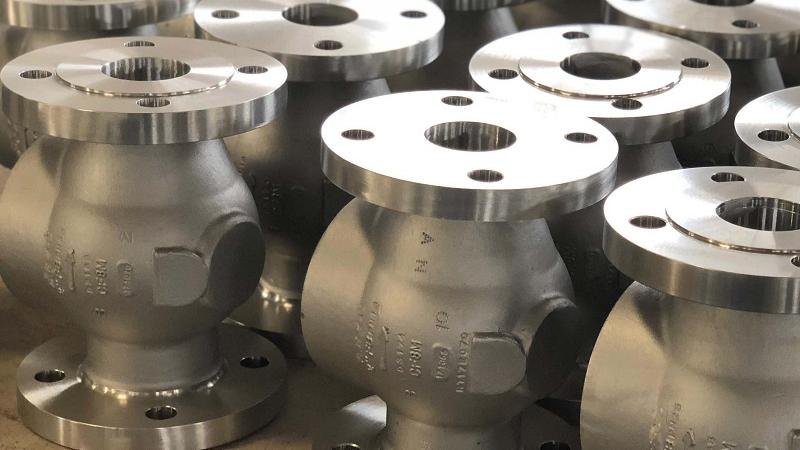
Investment casting achieves exceptional precision that is difficult to match with other processes. Castings produced via this method closely resemble the final product, boasting a material utilization rate exceeding 85%—meaning minimal metal waste. In contrast, machining from solid stock typically removes 60% to 80% of the material, resulting in significant raw material loss.
Superior surface finish is another major advantage. For common alloys, the as-cast surface roughness is typically below Ra 2.0 µm; specifically, A356 aluminum alloy can achieve Ra 0.8–1.0 µm, while 316L stainless steel reaches Ra 1.2–1.4 µm. This excellent surface quality often eliminates the need for subsequent finishing operations.
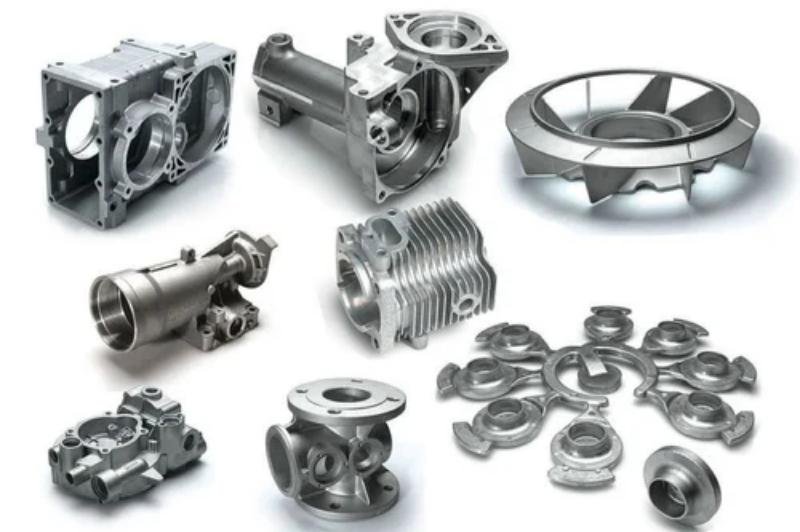
The process also easily accommodates complex geometries. Features such as curved vanes, thin ribs, internal flow channels, and integral bosses can be formed in a single step—shapes that would otherwise require extensive machining or assembly. This high level of precision effectively reduces the need for additional processing steps.
Limitations to Consider
Investment casting costs more upfront than some other options. Tooling for this process usually runs from $6,000 to $30,000, while sand casting tooling costs only $500 to $3,000.
Production cycles also take longer. Each shell needs many ceramic coating layers, with drying time between coats. The whole process takes days, not hours. Size limits exist too. Standard equipment handles parts up to 600 × 600 × 600 mm and 25 kg.
For parts that don’t need tight tolerances or complex shapes, simpler methods may be cheaper. Sand casting works well for large, simple parts. Die casting suits high-volume production of small non-ferrous parts. Investment casting gives the best value when precision matters most.
Applications of Investment Casting
Applications of Investment Casting
Investment casting technology serves a wide range of industries requiring high-strength, complex metal components. The aerospace sector utilizes this process to manufacture engine parts, thin-walled structural components, and precision parts with stringent dimensional tolerance and surface finish requirements; the medical field employs it for implants, prosthetics, and surgical instruments; the automotive industry relies on it to produce engine blocks, transmission components, turbocharger housings, and exhaust manifolds; in the marine sector, it is used for deck hardware, pump housings, valve bodies, and seawater-resistant sealing rings; meanwhile, railway and construction companies utilize these castings for heavy-duty, load-bearing components such as bogie frames and bulldozer assemblies.
| Industry | Common Applications |
|---|---|
| Aerospace | Engine components, thin-walled structures, tight-tolerance parts |
| Medical | Implants, prosthetics, surgical clips, clamps |
| Marine | Deck hardware, pump housings, valve bodies, seal rings |
| Automotive | Engine blocks, transmission parts, turbocharger housings |
| Railroad | Truck frames, heavy-load components |
Comparison of Investment Casting with Other Processes
Sand casting entails lower tooling costs but results in higher surface roughness. While sand casting typically yields a surface roughness of Ra 6.3–25 µm, investment casting can achieve Ra 1.6–6.3 µm. Parts requiring fine details or smooth surfaces often necessitate secondary machining when produced via sand casting; in contrast, investment casting delivers the required surface quality directly from the mold.
Die casting is suitable for high-volume production but has limitations. Tooling costs are extremely high, and the process is restricted to non-ferrous metals such as aluminum and zinc. By comparison, investment casting accommodates a wider range of alloys, including stainless steel, nickel-based alloys, and cobalt-based alloys. Investment casting is more cost-effective for small- to medium-batch production. Costs for both processes are comparable at a production volume of 25,000 units; beyond this threshold, die casting offers greater economic advantages.
For parts of moderate to high complexity, investment casting strikes the optimal balance between precision and cost. It enables the production of thin walls, sharp corners, and intricate internal structures without the need for additional processing steps. This high level of precision makes it the preferred process for parts featuring complex geometries, tight tolerances, and stringent surface quality requirements.
Investment casting delivers exceptional precision for complex geometries. Its main strengths include smooth surfaces, minimal waste, and broad alloy flexibility. Engineers choose this process when tolerances are tight and surface finish matters most. The method suits stainless steel and copper alloys particularly well. For a high-quality metal part requiring fine detail, KEMING provides rigorous testing and international standards compliance. Their quality control ensures reliable results across diverse applications.
FAQ
Why is it called “investment casting”?
The term “investment” stems from the ceramic coating process. During this stage, a ceramic material is applied over the wax pattern—effectively “investing” or encasing it—to precisely replicate every detail of the original model.
How precise is investment casting?
Investment casting offers extremely high precision. It can achieve tolerance grades of CT5–CT7 (per ISO 8062 standards) and surface roughness (Ra) values of 1.6–6.3 μm. This high level of precision reduces the need for subsequent machining.
Which industries use investment casting?
This process is widely used across industries such as aerospace, automotive, medical, marine, railway, construction, and mining. Typical applications include engine components, surgical instruments, and marine hardware.