EN
EN  DE
DE  ES
ES  FR
FR  PT
PT  RU
RU 
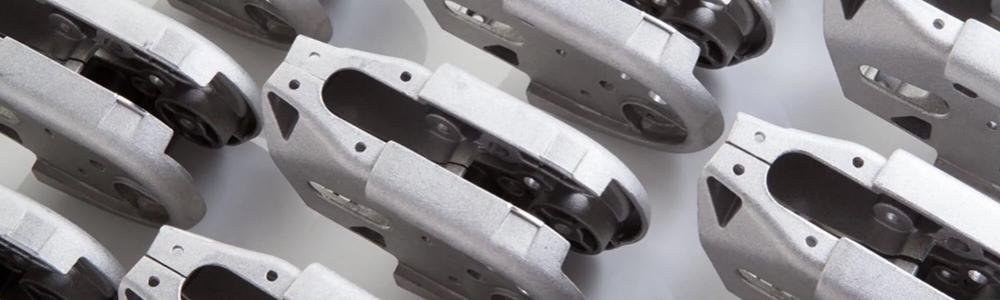
From aerospace turbine blades to medical implants, expendable casting produces the complex metal components that modern industry depends on. Also known as expendable mold casting, this manufacturing process uses single-use molds—typically made of sand, ceramic, or plaster—that are destroyed after each pour to release the finished part. Accounting for approximately 50% of all global metal casting tonnage, expendable methods offer unparalleled design flexibility for complex geometries, thin-walled sections, and internal cavities that permanent molds cannot replicate. This guide provides an authoritative walkthrough of the entire expendable casting workflow: pattern making, mold preparation, metal pouring, cooling, mold removal, and finishing—with detailed comparisons of sand, investment, shell, plaster, and lost-foam casting.
Key Takeaways
- Expendable casting uses single-use molds (sand, ceramic, plaster, or lost-foam) that are destroyed to release the finished part, enabling complex geometries — undercuts, internal cavities, and thin-walled sections — that permanent molds cannot achieve.
- Investment (lost-wax) casting achieves tolerances of ±0.1–0.3 mm and surface finishes as fine as Ra 0.4 µm, eliminating secondary machining for many applications. Sand casting, at the other end, delivers ±0.5–2.0 mm tolerances at significantly lower tooling cost.
- Tooling costs range from as little as $20 per sand mold to $10,000+ per wax die for investment casting — making method selection critically dependent on batch size and precision requirements.
- The five core process stages — pattern making, mold preparation, pouring, cooling, and mold removal/finishing — each introduce specific quality control variables that directly determine final part integrity.
- Cooling rate is a primary metallurgical control lever: faster cooling produces finer grain structures and higher strength; slower cooling yields coarser grains and improved ductility.
- Environmental reclamation rates vary significantly: up to 90% of sand, ≥95% of wax, and ~70% of ceramic shell material can be recovered and reused, though each cycle consumes additional binders and energy.
Expendable casting process
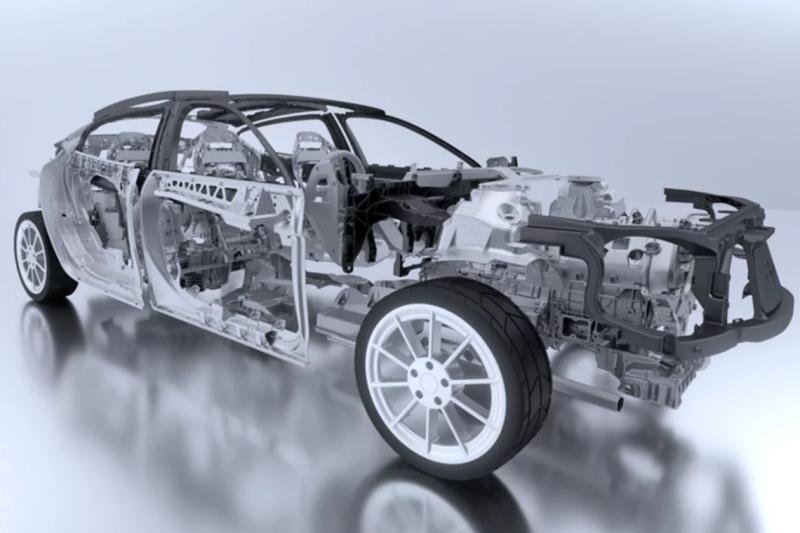
Expendable mold casting encompasses a family of metal-forming techniques in which the mold is consumed or broken away to retrieve the finished part. In contrast to permanent mold methods — where metal dies are reused for thousands of cycles — expendable casting sacrifices the mold to achieve greater design freedom, lower upfront tooling costs, and the ability to cast components ranging from a few grams (jewelry, dental brackets) to over 50 tons (pump housings, large valve bodies). The process follows five sequential stages:
(1) pattern creation,
(2) mold construction around the pattern
(3) molten metal pouring and filling
(4) controlled cooling and solidification
(5) mold destruction, part extraction, and finishing.
Each stage introduces quality-affecting variables — from pattern material selection to cooling rate control — that foundries must manage to produce defect-free castings consistently.
Pattern and mold making
The expendable casting process begins with pattern creation — a physical replica of the final part. Pattern material selection is the first critical decision point, as it directly affects dimensional accuracy, surface finish, and cost:
| Casting Method | Pattern Material | Typical Mold Material | Key Advantage | Tolerance (typical) |
|---|---|---|---|---|
| Sand Casting | Wood, metal, or 3D-printed polymer | Green sand + clay binder | Lowest tooling cost (~$20/mold) | ±0.5–2.0 mm |
| Investment Casting | Wax (injected at 40–80°C into aluminum die) | Multi-layer ceramic slurry (5-8 dips) | Best precision & surface finish | ±0.1–0.3 mm |
| Shell Molding | Heated metal pattern | Resin-coated sand (heat-cured) | Smooth surface + faster than sand | ±0.5 mm |
| Lost-Foam Casting | Expanded polystyrene (EPS) foam | Unbonded sand | No draft angles, near-zero waste | ±0.3–0.8 mm |
| Plaster Casting | Master pattern (metal or plastic) | Gypsum plaster slurry | Finest detail (Ra down to 0.8 µm) | ±0.25 mm |
In investment casting — the highest-precision variant — wax patterns are injected into aluminum dies at 40–80°C and assembled onto a central sprue to form a “tree.” The tree is then repeatedly dipped in ceramic slurry and stuccoed with refractory sand (typically 5–8 layers) to build a shell thickness of 6–12 mm. After air-drying, the assembly enters a steam autoclave at 100–200°C to melt out the wax (which is recovered at ≥95% rates), leaving a hollow ceramic cavity. The shell is then fired at 800–1100°C to achieve full strength and remove residual wax — at which point it is ready for metal pouring.
Common Pitfall: Inadequate shell drying between dips causes shell cracking during dewaxing or pouring. Strict controlled-environment drying is essential.
Pouring and cooling
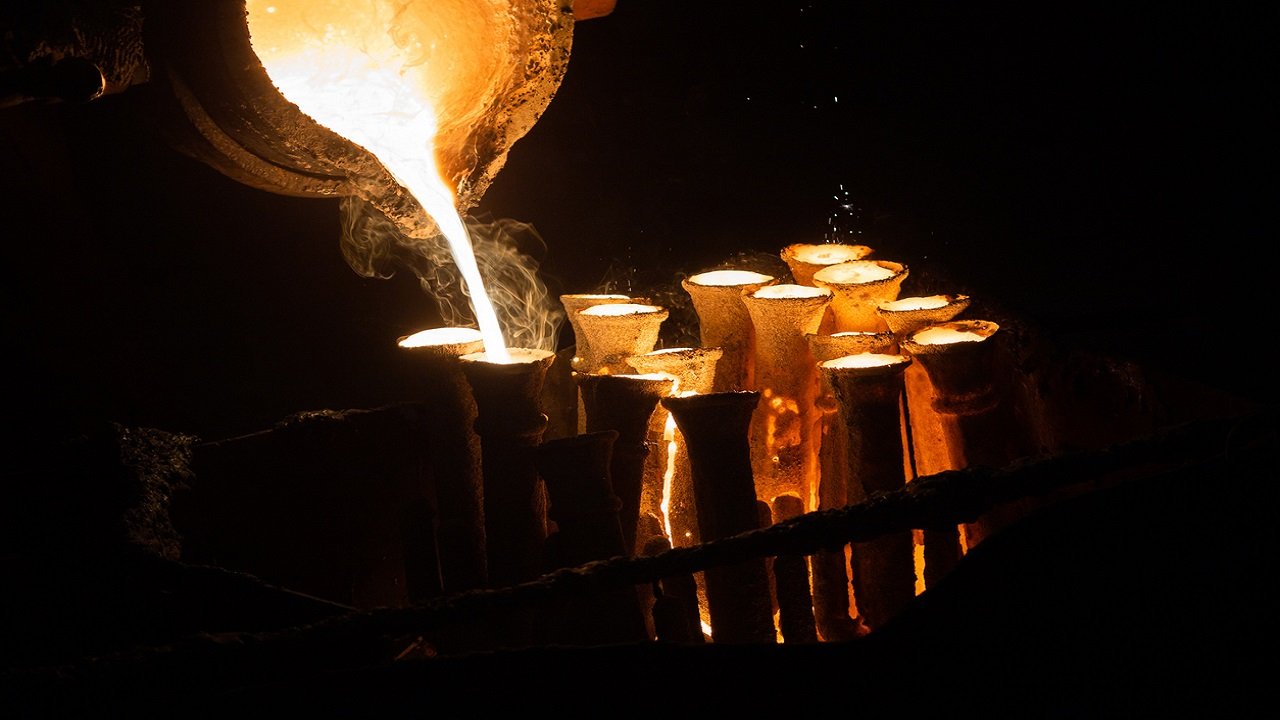
Once the mold is prepared and (for investment/shell casting) preheated to pouring temperature, molten metal is introduced into the cavity. The pouring method significantly impacts casting quality, metal yield, and defect rates:
| Filling Method | Description | Metal Yield (%) | Turbulence | Temperature Impact |
|---|---|---|---|---|
| Gravity Pouring | Metal flows under gravity into mold cavity | 15–50 | High | Rapid heat loss in sprue; risk of cold shuts |
| Vacuum Filling | Mold cavity evacuated; metal drawn in under vacuum | 60–95 | Low | Lower pouring temperature possible; finer grain structure |
| Low-Pressure Filling | Controlled pressure (0.3–1.0 bar) pushes metal upward into mold | 85–95 | Very Low | Consistent fill temperature; reduced oxidation |
Cooling and solidification is the most metallurgically critical stage. The cooling rate directly determines the metal’s microstructure — and therefore its mechanical properties:
- Fast cooling (thin sections, metal chills): Produces fine equiaxed grains → higher strength and hardness, lower ductility.
- Slow cooling (thick ceramic shell, insulated mold): Produces coarser columnar grains → improved ductility and toughness, lower hardness.
Pouring temperatures vary by alloy: carbon steels typically pour at 1,540–1,620°C; aluminum alloys at 680–750°C; and nickel-based superalloys at 1,400–1,550°C. The mold preheat temperature (typically 200–500°C for investment casting shells) further modulates the cooling curve — a hotter mold slows solidification and improves fill in thin-walled sections.
Common Pitfall: Pouring metal that is too hot accelerates mold erosion and gas pickup; pouring too cold causes misruns and cold shuts. Temperature control within ±10°C is standard practice in precision foundries.
Mold removal and finishing
After solidification, the mold is destroyed to extract the casting — hence the term “expendable.” The removal method differs by casting type and directly affects surface quality:
| Casting Method | Removal Method | As-Cast Surface (Ra) | Typical Post-Processing | Key Limitation |
|---|---|---|---|---|
| Sand Casting | Mechanical shakeout + shot blasting | 6.3–12.5 µm | Grinding, machining | Rough surface; suits large parts |
| Investment Casting | Mechanical vibration / high-pressure water jet | 0.4–1.6 µm | Gate cut-off, light polishing | Size limited by shell strength (~500 kg max) |
| Shell Molding | Shell cracking + knockout | 1.6–3.2 µm | Light grinding | Not suited for very complex internal geometry |
| Lost-Foam Casting | Sand drain; no mold breaking required | 3.2–6.3 µm | Minimal; pattern replication is direct | Foam pattern cost for low volumes |
Finishing operations include gate and riser removal (cut-off saw or arc-air gouging), surface cleaning (shot blasting, sandblasting), heat treatment (normalizing, annealing, or solution treating to relieve residual stress and refine grain structure), and dimensional inspection (CMM verification against engineering drawings). Common casting defects detected at this stage include porosity, hot tears, cold shuts, and inclusions. Foundries mitigate these through optimized gating design, adequate risering, and controlled pouring practices — not through post-cast repair alone.
Common Pitfall: Aggressive shot blasting can embed media particles into the casting surface, masking defects rather than eliminating them. Blasting parameters must be controlled by media type, pressure, and duration.
Types and features of expendable mold casting
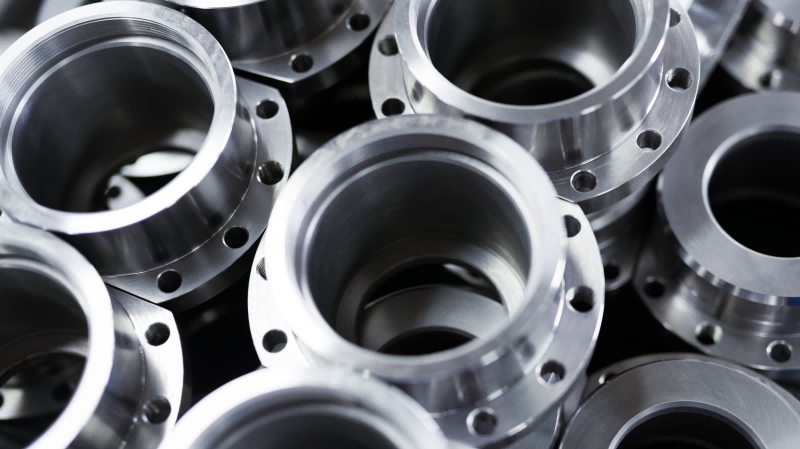
Foundries employ five principal expendable casting methods, each optimized for specific combinations of part size, complexity, precision, and production volume. The table below provides a comprehensive technical comparison to guide method selection:
| Parameter | Sand Casting | Investment Casting | Shell Molding | Lost-Foam Casting | Plaster Casting |
|---|---|---|---|---|---|
| Tolerance | ±0.5–2.0 mm | ±0.1–0.3 mm | ±0.5 mm | ±0.3–0.8 mm | ±0.25 mm |
| Surface Finish (Ra) | 6.3–12.5 µm | 0.4–1.6 µm | 1.6–3.2 µm | 3.2–6.3 µm | 0.8–1.6 µm |
| Max Part Size | 100+ tons | ~500 kg | ~100 kg | ~5 tons | ~50 kg |
| Min Wall Thickness | 3–5 mm | 0.8 mm | 2–3 mm | 3 mm | 1.5 mm |
| Tooling Cost (approx.) | $20–$5,000 | $10,000+ per die cavity | $5,000–$20,000 | $3,000–$15,000 | $500–$5,000 |
| Lead Time | Days–2 weeks | 2–6 weeks | 1–3 weeks | 2–5 weeks | 1–3 weeks |
| Batch Size Economics | Optimal >1,000 pcs or very large parts | Optimal 10–1,000 pcs; high-mix, low-volume | Optimal 500–5,000 pcs; medium volume | Optimal 100–10,000 pcs; complex shapes | Low volume; prototyping, art castings |
| Material Range | Cast irons, steels, Al, bronze | Superalloys, Ti, stainless, Co-Cr | Cast irons, steels, Al | Cast irons, Al, steels | Al, Mg, Zn, Cu alloys (low-melt) |
| Environmental Reclamation | Sand reclaimed ~90% | Wax ≥95%; ceramic ~70% | Sand reclaimed ~85% | Sand 95%+ (unbonded); foam burned | Plaster limited; mostly landfill |
Sand casting dominates global tonnage (70%+ of all cast metal by weight), favored for its low cost and large-part capability. Investment casting is the precision leader, delivering net-shape or near-net-shape parts that often require zero post-machining. Shell molding occupies a middle ground — better surface finish than sand, faster cycle times than investment. Lost-foam casting uniquely eliminates draft angles and cores by using a foam pattern that vaporizes on contact with molten metal. Plaster casting is restricted to low-melting-point non-ferrous alloys but achieves the finest detail reproduction.
Why Can’t Expendable Molds Be Reused?
Foundries destroy expendable molds to retrieve cast parts — this is inherent to the process design. The reasons are both geometric and material-driven:
Geometric entrapment: Complex parts with undercuts and internal cavities physically trap the mold material. In investment casting, the rigid ceramic shell cannot be removed intact from convoluted geometries without breaking either the shell or the part.
Thermal degradation: Molten metal at 1,400–1,650°C (steel) causes irreversible damage to mold materials. Ceramic shells develop microcracks during thermal cycling; sand binders (clay, resin) burn out or degrade chemically — losing their binding strength.
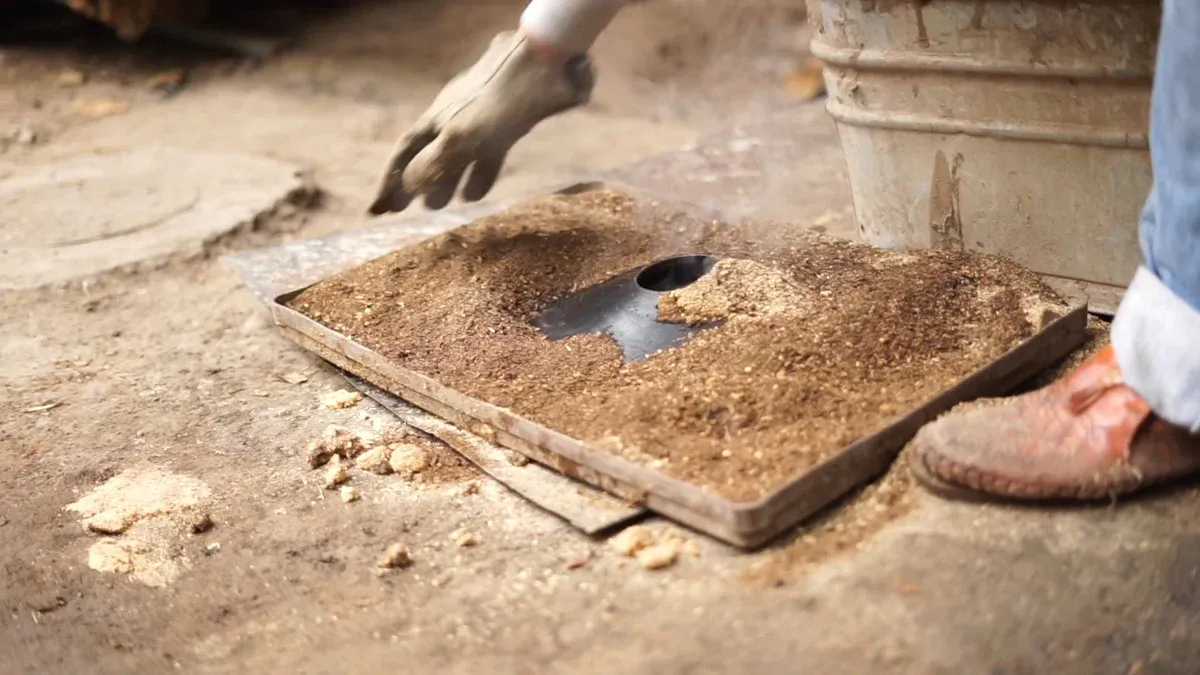
Mechanical destruction: In sand casting, the shakeout process uses vibration and impact to separate sand from solidified metal. The sand grains disintegrate from their compacted shape; while up to 90% of sand can be reclaimed, it must be re-bonded with fresh binder before reuse.
This one-time-use characteristic creates a fundamental trade-off: higher per-part material costs and longer cycle times, offset by unmatched design freedom and dramatically lower upfront tooling investment. For prototype development, complex aerospace components, or small-to-medium production runs, the economics remain compelling — a $20 sand mold or a reusable wax pattern tree can produce parts that would require a $20,000–$150,000 permanent die.
Expendable vs. Permanent Mold Casting
The choice between expendable and permanent mold casting is driven by four primary factors: part complexity, production volume, tolerance requirements, and budget. The table below summarizes the key decision parameters:
| Aspect | Expendable Mold Casting | Permanent Mold Casting |
|---|---|---|
| Tolerance | ±0.1–2.0 mm (method-dependent) | ±0.2–0.5 mm |
| Surface Finish (Ra) | 0.4–12.5 µm | 1.6–6.3 µm |
| Tooling Cost | $500–$5,000 (typical) | $20,000–$150,000 |
| Lead Time | Under 4 weeks | 6–12 weeks |
| Design Flexibility | Complex geometries, undercuts, internal cavities | Limited by mold parting line; cores required for internal features |
| Production Volume | Optimal: 1–1,000 pcs (high-mix, low-volume) | Optimal: 1,000–100,000+ pcs (high-volume) |
Expendable casting is the clear choice for custom parts, prototypes, and low-to-medium production volumes where design flexibility and fast turnaround outweigh per-unit cost. Permanent mold casting becomes economically dominant at high volumes where the tooling amortization makes the per-part cost lower — but it sacrifices the geometric freedom that defines expendable methods.
FAQ
What is expendable casting used for?
Expendable casting is used across aerospace (turbine blades, structural brackets), automotive (engine blocks, turbocharger housings), medical (orthopedic implants, surgical instruments), oil & gas (valve bodies, pump impellers), and defense industries. Its ability to produce complex internal geometries, thin walls, and near-net-shape parts makes it suitable for applications where machining from solid billet would be prohibitively expensive or geometrically impossible.
Why do factories choose expendable mold casting?
Three primary reasons:
(1) Design freedom — expendable molds accommodate undercuts, internal cavities, and complex geometries that permanent molds cannot.
(2) Low tooling investment — sand molds can cost as little as $20 versus $20,000+ for permanent dies, making it ideal for prototypes and small runs.
(3) Wide alloy compatibility — from cast irons and carbon steels to nickel superalloys and titanium, expendable methods handle nearly all casting alloys.
Can expendable casting make small and large parts?
At the small end, investment casting produces components as light as 1 gram (jewelry, dental brackets). At the large end, sand casting routinely handles parts exceeding 50 tons (pump housings, large valve bodies, ship propellers). The method selection — investment vs. sand vs. shell — is primarily driven by the combination of size, precision requirements, and batch quantity.