EN
EN  DE
DE  ES
ES  FR
FR  PT
PT  RU
RU 
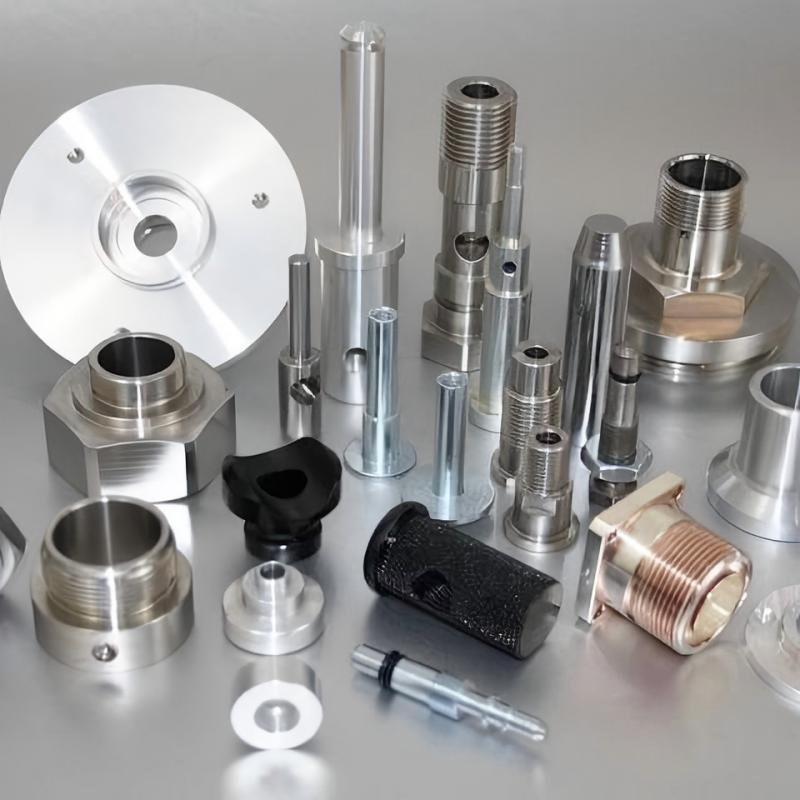
CNC turning is crucial in modern manufacturing, but operators frequently encounter numerous problems. The most common CNC turning issues include cutting burrs, tool leaks, bearing wear, feed problems, vibration, clamping malfunctions, power supply problems, incorrect tooling or settings, and overheating. The table below lists these CNC turning problems:
| Problem | Description |
|---|---|
| Rough Cuts | The tool is not lined up with the workpiece |
| Tool Leaks | Spindle seals are bad or bearings are worn out |
| Bearing Wear | Grease is dirty or surfaces are weak |
| Feeding Issues | Arms are bent, guides are worn, or gears are broken |
| Vibrations | Tools do not last long and work is less efficient |
| Clamping Problems | Bad clamping causes things to not line up or bend |
| Power Supply Issues | Wrong voltage makes cnc turning work badly |
| Improper Tools | Using the wrong tool makes the surface look bad |
| Overheating | Not enough air flow in busy cnc turning |
Key Takeaways
- Common problems in CNC turning, such as burrs and overheating, can reduce work efficiency. Regular inspection and timely repair of the machine help avoid these problems.
- Using appropriate cutting tools and settings is crucial. Operators should ensure that the tools are sharp. The machine must be properly calibrated to achieve good machining results.
- Regular maintenance and operator training help reduce errors. Skilled operators can identify problems early, thus ensuring efficient machine operation.
Common CNC Turning Problems
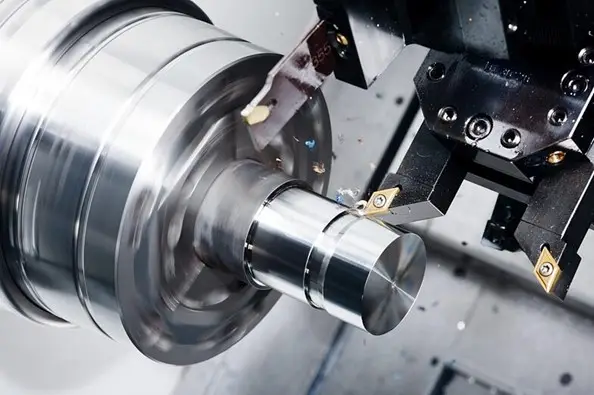
Poor Surface Finish
Poor surface finish is a common problem in CNC turning. It results in rough or uneven surfaces on parts, affecting their performance and appearance. Experts point out that the main reasons for this are as follows:
| Cause | Explanation |
|---|---|
| Chatter and Vibration | The tool and workpiece shake and touch, making marks and hurting the tool. |
| Improper Chip Control | Chips stay on the part, get cut again, and scratch the surface. |
| Surface Finish Irregularities | Bumpy or rough spots show up and make the part worse. |
| Chatter Marks | Wavy lines appear because of shaking during cutting. |
Machine Tool Overheating
Overheating is a common problem in CNC machine tools. Overheating leads to decreased machine tool accuracy and accelerates damage. When the spindle overheats, it expands, reducing machine tool accuracy. High temperatures can also degrade lubricating oil, damaging spindle bearings, causing increased wear, and higher maintenance costs. Performing heavy-duty machining under insufficient cooling conditions can cause parts to overheat, shortening their lifespan.
To stop cnc machine overheating, factories should:
- Use good coolant systems, like special or very cold cooling, to keep things cool.
- Keep the workshop cool with air and fans.
- Watch the machine’s temperature during long or hard jobs.
KEMING’s factory uses strong cooling and checks machines to keep them working well.
Vibration and chatter
Vibration and chatter are common in CNC turning. They occur when the tool or workpiece vibrates or shakes during the cutting process. Tool chatter originates from the interaction between the tool and the machine tool. Workpiece chatter is more common when machining thin-walled parts. Chatter leads to poor surface finish and reduces machining quality.
Machine shaking can cause:
- Rough or uneven surfaces.
- Tools wearing out faster.
- Machines breaking down sooner.
- Parts not being the right size.
To stop shaking, workers should use strong setups, check for loose parts, and pick the right cutting settings.
Programming Errors
Programming errors can cause many CNC machine tool malfunctions. These errors typically occur when there are mistakes in the G-code, toolpaths, or symbols. Some common programming errors include:
- Wrong tool path, making the tool move the wrong way.
- Not using the right cutting settings, which wears out tools or makes bad surfaces.
- Not keeping up with machine care, which causes problems.
- Mixing up letters and numbers, which can stop the program.
- Missing symbols, which stops the machine from working right.
To avoid these mistakes, workers should:
- Check programs and use software to test before starting.
- Look at tool and material guides for the right speeds.
- Teach workers how to clean and care for machines.
- Check for mistakes in the code before running it.
KEMING’s programmers and careful checks help stop programming mistakes and make work better.
Tool Breakage
Tool breakage is another big problem in cnc turning. It can stop work and cost more money. The main reasons for tool breakage are:
- Weak tool setups that bend and shake.
- Chips not clearing out, so they get cut again.
- Wrong speeds and feeds, making cutting too hard.
- Tools not lined up right, causing uneven cuts.
- Not enough coolant, which makes tools hot and worn.
- Using the wrong tool for the job.
To stop tool breakage, workers should:
- Use the right speeds and feeds.
- Pick good tool holders and watch tool health.
- Change tools before they get too worn.
- Make setups strong to stop shaking.
- Use enough coolant to keep things cool.
Clamping and Tool Leakage
Clamping and tool leakage can affect the safety and accuracy of CNC turning. Leakage prevents lubricating oil from reaching the workpiece, accelerating workpiece wear and reducing accuracy. Improper clamping can cause workpiece movement or bending, resulting in dimensional errors, and may even pose a danger if the tool falls off.
To stop these cnc machine problems, workers should:
- Check seals and hoses for leaks often.
- Tighten all parts and change worn pieces right away.
- Match jaws to the part shape and use pads to stop damage.
- Use the right clamping force to hold the part without bending it.
KEMING’s careful checks and skilled workers help stop leaks and clamping problems, making cnc turning safe and exact for every job.
Identifying and Solving CNC Machine Tool Issues
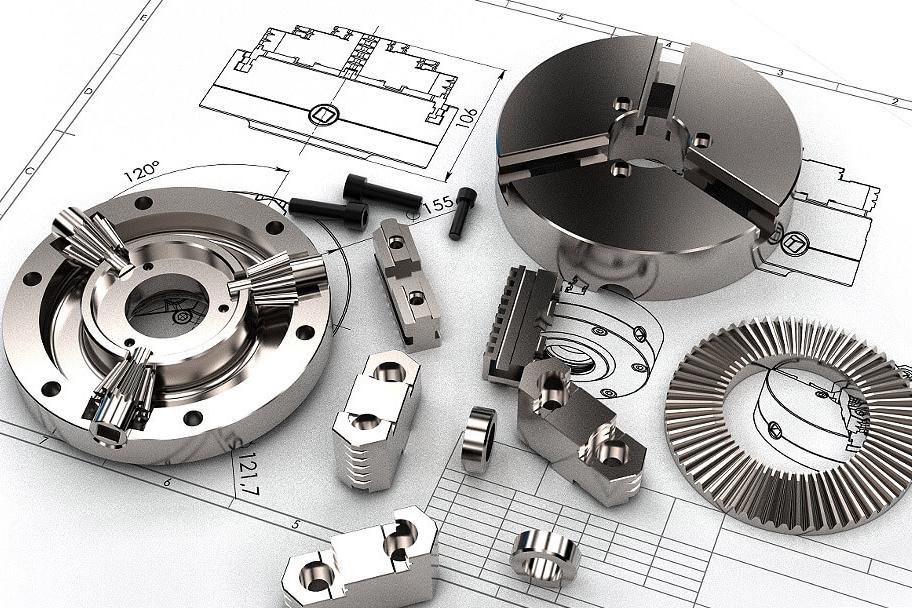
Signs of CNC Lathe Faults
Operators can detect CNC machine tool faults early by observing warning signals. These signals include machine overheating, poor cutting, tool breakage, or machine shutdown. Paying attention to tool wear, vibration, abnormal noise, and coolant abnormalities helps identify and resolve problems before they escalate. Frequent alarms, rapid tool breakage, poor cutting performance, or recurring machine failures indicate a problem.
Preventative Maintenance and Training
Preventative maintenance contributes to the efficient operation of CNC machine tools. Daily checks for coolant, leaks, and unusual noises prevent bearing wear and avoid machine downtime. Monthly checks prevent major problems caused by improper maintenance. Operators who learn maintenance knowledge help extend machine tool life and reduce downtime. Understanding automation and continuous learning help workers reduce errors and improve productivity.
Practical Solutions to Common Problems
Factories address CNC machine tool faults by inspecting and replacing dulled tools. Adjusting machine settings and increasing coolant levels helps improve machine operating efficiency. Keeping the work area clean prevents dust buildup and bearing wear. A good chip removal system helps prevent tool breakage and cutting errors. Controlling temperature and humidity ensures safe machine operation. Regular machine inspections improve accuracy and prevent positioning errors.
FAQ
What causes most CNC turning problems?
Most CNC turning problems happen because tools wear out. Wrong settings can also cause trouble. Not taking care of machines makes things worse. Checking machines often helps stop these problems. Skilled workers can also help prevent issues.
How can operators improve CNC turning accuracy?
Operators should use sharp tools for better cuts. They need to make sure the machine is lined up right. Following the right steps is important. Training helps workers do a good job. Checking machines often keeps parts correct.
Why is preventive maintenance important for CNC machines?
Preventive maintenance helps machines work well. It stops machines from breaking down. This saves money and time. It also helps make good parts every time.