EN
EN  DE
DE  ES
ES  FR
FR  PT
PT  RU
RU 
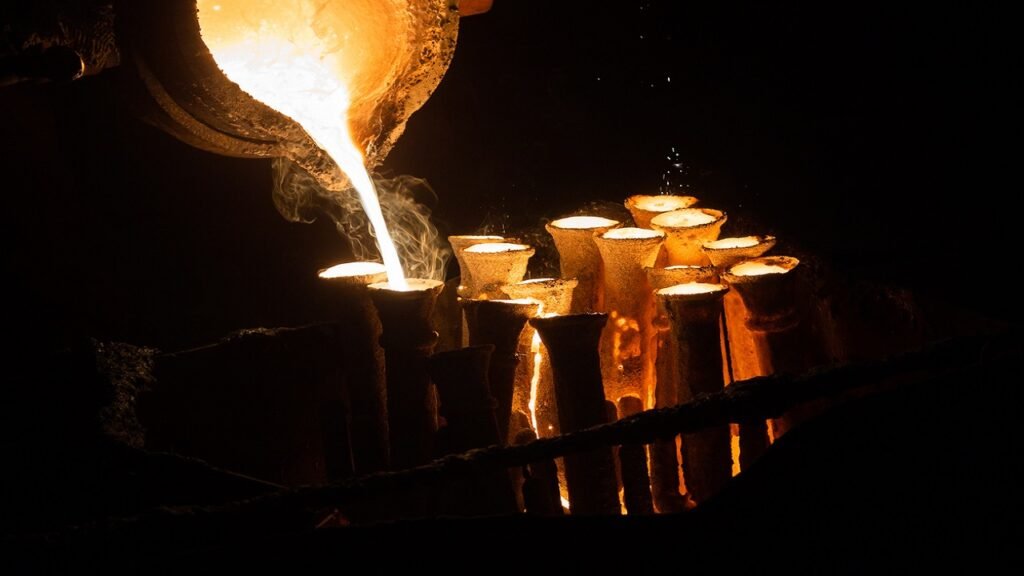
Lost wax casting is not the only way to make metal parts. Other ways include sand casting, die casting, 3D printing, Delft Clay Casting, centrifugal casting, and investment casting with different materials. KEMING is a company that has been making castings for more than 20 years. They give special casting solutions for each customer.
- KEMING does investment casting, shell mold sand casting, and lost foam casting.
- The company uses new technology and checks quality carefully to make sure parts are very exact.
Key Takeaways
- Sand casting does not cost much. It is good for making big parts. People can use it easily. It works for making a few or many parts.
- Die casting is best for making lots of parts. It makes exact parts fast. Many people use it for car and electronic parts.
- 3D printing lets you change designs easily. It is fast to use. It helps make tricky shapes and test ideas quickly. It makes casting better.
Alternatives to Lost Wax Casting
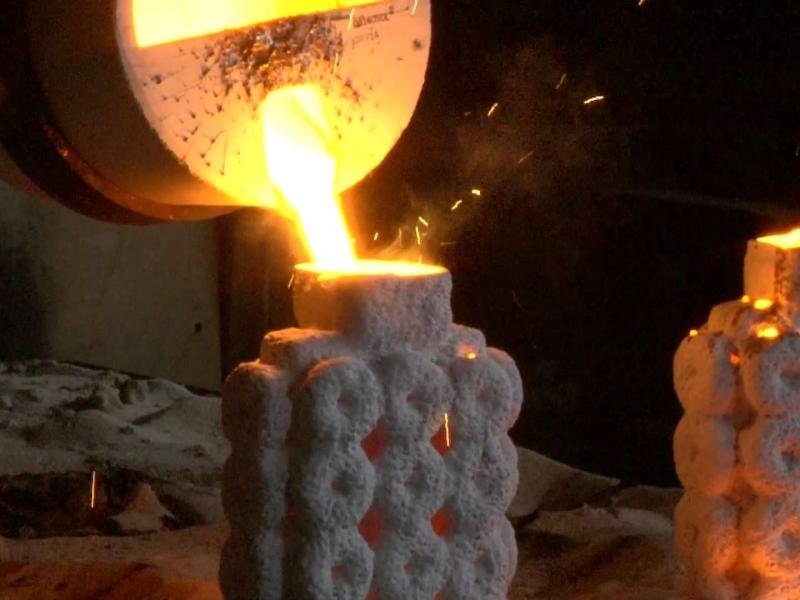
KEMING gives many casting solutions for different projects. Manufacturers and suppliers can pick from other ways besides lost wax casting. Each way has its own good points for custom and wholesale jobs.
Sand casting
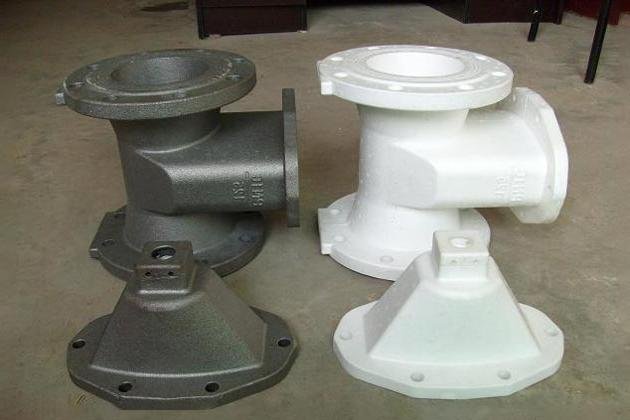
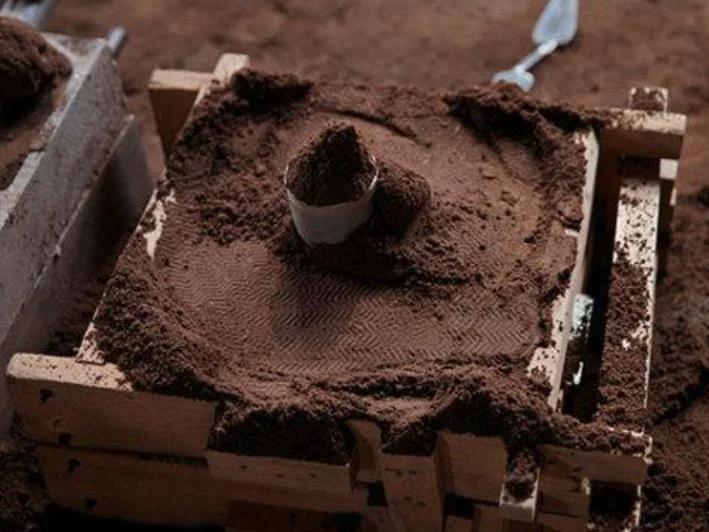
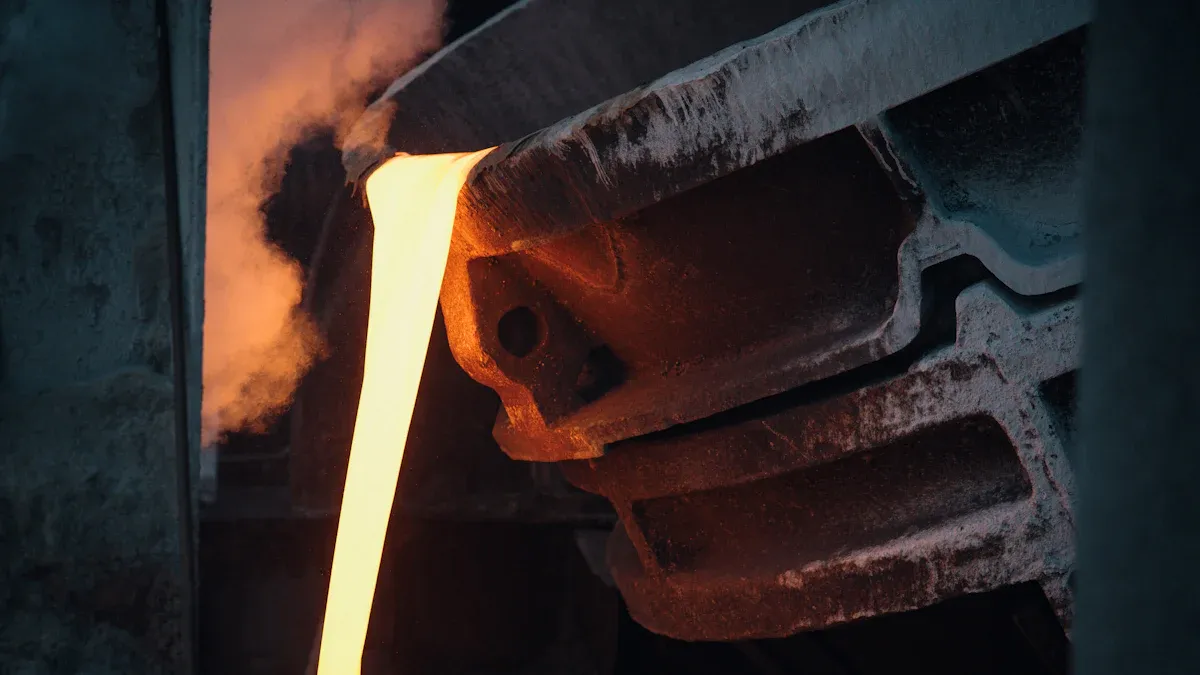
Sand casting uses molds made of compacted sand. First, workers press the mold into the sand to create a space. Then, they pour hot metal into this space. After the metal cools, they break the mold and remove the part. This method is suitable for large or heavy parts. It is suitable for producing small or large quantities of parts.
Comparison Table: Sand Casting vs. Investment Casting
| Casting Type | Advantages | Disadvantages |
|---|---|---|
| Investment Casting | Good for hard designs, very exact, smooth surfaces | Costs more, takes longer |
| Sand Casting | Works for many sizes, cheaper tools, okay accuracy | Rougher surface, may need more work |
Investment Casting with Other Materials
Investment casting does not always use wax. Factories can use things like plastic or frozen mercury for patterns. The material picked changes how the casting works and how it is made.
- Common Materials Used:
- Aluminum alloys: Do not rust and are strong, used in planes.
- Stainless steel: Very tough and handles heat, good for hard places.
- Carbon steel: Strong and hard, used for high-pressure jobs.
- Nickel alloys: Can take high heat and do not rust.
- Copper alloys: Carry heat well and are easy to shape.
- Cobalt alloys: Do not rust and fight off chemicals.
- Magnesium: Light but strong for its weight.
Die casting
The die casting process uses powerful machinery to press high-temperature metal into a steel mold. This method can produce parts with precise dimensions and smooth surfaces. Factories use die casting to quickly produce large quantities of parts, thus saving costs.
| Casting Method | Production Volume | Cost Efficiency |
|---|---|---|
| Die Casting | Makes many parts | Best for big jobs |
| Lost Wax Casting | Makes fewer parts | Costs more for big jobs |
Applications of 3D Printing in the Casting Industry
3D printing technology has revolutionized the way factories create molds and models. This technology enables the creation of shapes that were impossible using traditional methods. Factories use 3D printing to create models for investment casting or to directly manufacture molds.
Delft Clay Casting
Delft Clay Casting uses soft clay mixed with sand to make molds. Workers press an object into the clay to make a clear shape. Then, they pour hot metal into the mold. This way is more exact than old sand casting and is easy for new people.
Delft clay casting gives:
- Better detail than regular sand casting.
- Lower cost and easy setup.
- Easier for new makers to learn.
This way is great for small groups of parts and custom jewelry. KEMING can help and teach clients who want to try this way.
Centrifugal Casting
Centrifugal casting spins the mold very fast while pouring hot metal. The spinning pushes the metal to the mold walls. This makes parts that are thick and even. This way is best for making round things like pipes and rings.
Factories pick centrifugal casting for:
- Strong and solid parts.
- Fewer holes inside.
- Even wall thickness.
KEMING knows many casting ways. They help clients pick the best way for their needs, for big jobs or special parts.
Lost Wax Casting Alternatives
Sand Casting Process
Sand casting is used to manufacture metal parts. First, workers design a model of the part. They fill the model with sand to form a mold. Channels are provided in the mold to allow hot metal to flow in. The metal is heated until it melts. Workers pour the molten metal into the mold. After the metal cools, they break the sand mold. The part is removed from the mold and cleaned. The factory will then perform finishing on the part before use. Sand casting is suitable for large or heavy parts. Its surface is rougher than that of lost-wax casting.
Investment Casting (Wax-Free)
Sometimes, suppliers use other materials instead of wax. They might choose plastic or other materials to make the mold. The mold surface is coated with a ceramic shell. After the mold is removed, hot metal is poured into it. This method allows factories to use custom alloys and create rigid shapes. It is suitable for both wholesale and factory orders.
Die Casting Process
Die casting uses high-pressure machinery to press high-temperature metal into a steel mold. The process includes mold closing, material injection, cooling, mold opening, and coating. Each step affects the quality of the part. Cooling increases the part’s strength. Manufacturers use die casting to produce a variety of high-precision parts.
3D Printing Process
Factories utilize 3D printing technology to quickly create molds. This technology facilitates rapid design modifications and the manufacture of complex shapes. 3D printed molds help suppliers deliver custom castings faster. The process also requires fewer traditional tools.
Delftware Clay Craft
Delftware clay craft is favored by model makers and small workshops. Workers fill the mold with sand mixed with oil, creating a model. Hot metal is then poured into the mold to create simple jewelry or parts. This method is quick and inexpensive, making it suitable for small teams.
Centrifugal Process
Centrifugal casting pours hot metal into a spinning mold. The spinning spreads the metal and pushes dirt to the middle. Factories use this way to make strong rings, pipes, and round parts.
Lost Wax Casting vs Alternatives
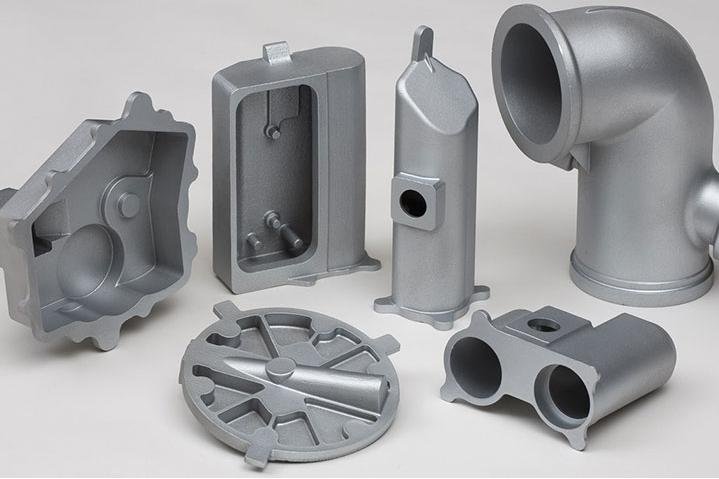
Cost and Efficiency
Factories look at cost and speed before picking a casting way. Lost wax casting makes detailed parts but costs more for big jobs. Die casting and sand casting are better for making lots of parts fast. These ways use cheaper tools and work quicker. Investment casting needs more workers and special stuff, so it costs more. Factories use lost wax casting when they need tricky shapes that must work well.
Material Options
Each casting way uses different materials. Lost wax casting works with many alloys like stainless steel, carbon steel, and nickel. Suppliers can also use gypsum, phosphate, silica sol, or zircon for special jobs. The table below shows what materials are used and why:
| Investment Type | Use | Advantages | Limits |
|---|---|---|---|
| Gypsum-bonded | Jewelry, low-melting alloys | Smooth finish | Weak at high heat |
| Phosphate-bonded | High-temp alloys | Strong at high heat | Surface polish varies |
| Silica sol | Precision parts | Stable at high temp | Needs careful control |
| Zircon/alumina | Reactive alloys | Very heat resistant | Higher cost |
KEMING gives many material choices for custom and big casting jobs.
Quality and Detail
Lost wax casting makes parts with tight fits and smooth sides. Factories use it when they need very exact parts. Other ways like sand casting and die casting do not give as much detail. The table below shows how much detail and roughness each way gives:
| Method | Roughness Average (RA) | Detail Level |
|---|---|---|
| Lost Wax Casting | 125 | High Precision |
| Alternative Methods | Varies | Lower Detail Level |
KEMING checks quality with X-ray and hardness tests to make sure parts are good.
Complexity
Lost wax casting is good for hard shapes, thin walls, and inside spaces. Sand casting works for simple shapes but needs more steps for tricky ones. Factories pick lost wax casting for very detailed parts. KEMING helps suppliers pick the best way for each job.
Choosing the Best Casting Method
Project Requirements
Manufacturers and suppliers need to think about many things before they pick a casting method. Every project is different and has its own needs. The table below shows which casting method works best for each job:
| Casting Method | Best For | Notes |
|---|---|---|
| Investment Casting | Complex designs | High precision, intricate details |
| Die Casting | Mass production | Great for aluminum, zinc, magnesium |
| Sand Casting | Larger components | Cost-effective, flexible |
| Centrifugal Casting | Cylindrical objects | Best for round shapes |
| Gravity Casting | Simpler shapes | Good for basic designs |
Factories should look at how hard the part is to make. Investment casting is best for parts with lots of detail. Sand casting is better for simple shapes. They should also think about how many parts they need. Die casting is good for making lots of parts fast. Investment casting or sand casting is better for small groups. Factories must also think about how strong and smooth the part should be. Each casting way gives different results.
Tip: Talking to experts like KEMING helps factories pick the right material, surface finish, and quality checks for every project.
Application Recommendations
Different jobs need different casting ways. The table below shows which casting method is used for common things:
| Casting Method | Applications | Advantages |
|---|---|---|
| High-Pressure Die Casting | Automotive components | Precision and speed for large orders |
| Low-Pressure Die Casting | Lightweight auto parts | Cost-effective for bigger parts |
| Investment Casting | Aerospace, jewelry, medical devices | High detail, smooth finish |
| Sand Casting | Large machinery, prototypes | Affordable for low-volume production |
People who make airplane parts or jewelry often use investment casting because it gives lots of detail. Car part makers use die casting because it is fast and makes parts that fit well. Factories that make big parts usually pick sand casting. KEMING’s team helps clients find the best way for their job, so they get good parts every time.