What is turning in a CNC machine?
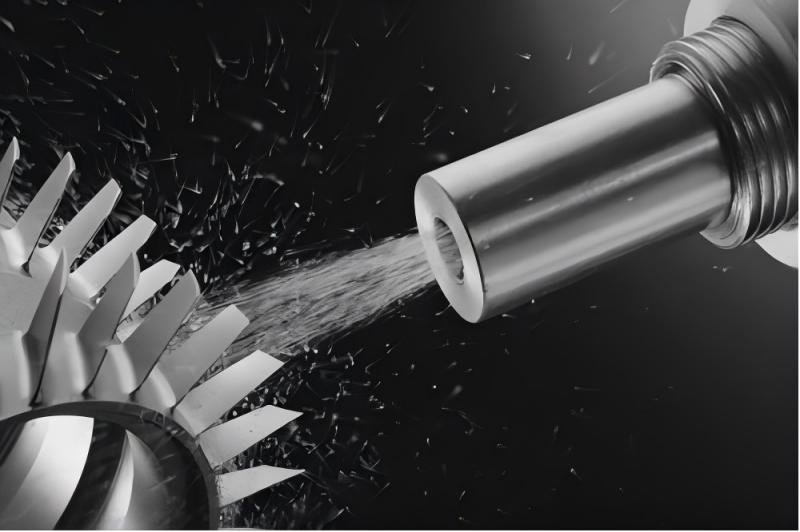
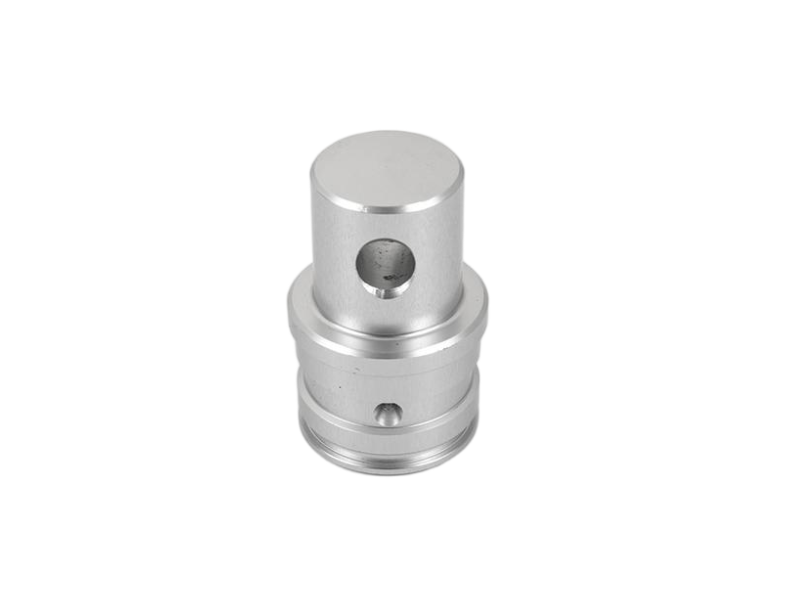
CNC turning (also known as CNC turning machining) is a common subtractive machining operation on CNC lathes, defined as a turning operation in CNC machine where the spindle clamps and

CNC turning (also known as CNC turning machining) is a common subtractive machining operation on CNC lathes, defined as a turning operation in CNC machine where the spindle clamps and

Lost-wax casting requires some important preparation to proceed smoothly. You will need materials, tools, and safety equipment. Adequate preparation not only ensures personnel safety but also helps you achieve the desired

CNC machine tools can cut aluminum with extremely high precision. Many industries use CNC machine tools to cut aluminum parts, including manufacturing, automotive, aerospace, and electronics. Choosing the right machine tool,

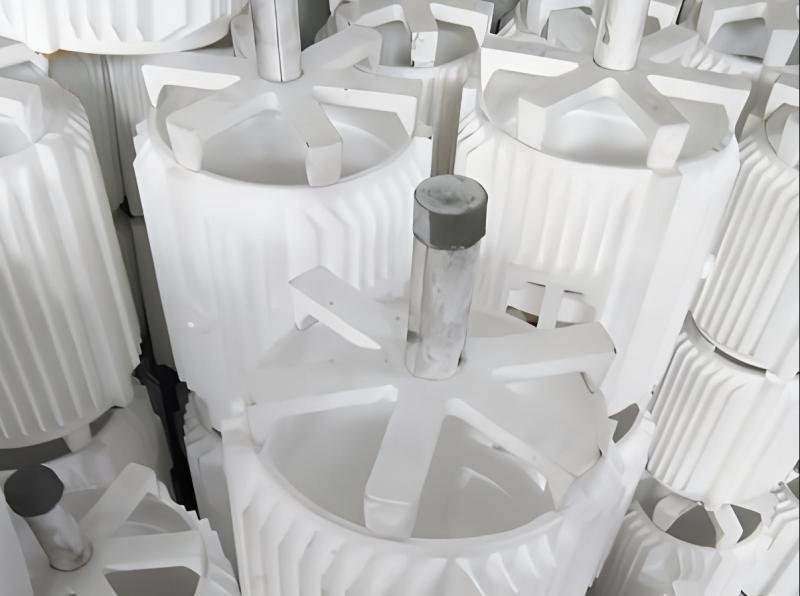
Lost foam casting is an innovative method for manufacturing metal parts. It utilizes foam models that are ultimately filled with molten metal. Manufacturers typically use models made of expandable polystyrene, which

For manufacturers and engineers, lost foam casting offers numerous advantages. It allows for diverse part design possibilities, providing great flexibility and enabling the casting of complex shapes in a single operation. This

Precision machining utilizes a variety of raw materials, including aluminum, stainless steel, carbon steel, titanium, copper alloys, and plastics. These materials are widely used globally. Metals account for the majority of

Precision casting design begins with a deep understanding of the process. Good designers intervene early to prevent errors. Many teams struggle with maintaining dimensional accuracy. They also expect smooth surfaces and

The mold casting process produces components by pouring liquid material into a prepared mold cavity, where it solidifies into the desired shape. This manufacturing method enables the creation of highly accurate and

Precision CNC machine tools like those from Kern Microtechnik can machine parts with tolerances as small as ±5 μm and surface roughness Ra not exceeding 0.8 μm. These machines utilize powerful

Many hobbyists ask if they can use ordinary sand from their backyard or workshop for sand casting. The answer is yes, but with many limitations. Aluminum, iron, or bronze are commonly
Capability
Leave Your Message