EN
EN  DE
DE  ES
ES  FR
FR  PT
PT  RU
RU 
Carbon steel, alloy steel, and low-alloy structural steel can all be reliably cast via sand casting — a mainstream industrial forming process accounting for nearly 50% of all metal casting production globally. Steel sand casting delivers excellent cost efficiency and structural versatility for simple and medium-complexity components. Due to steel’s ultra-high melting temperature and fluidity characteristics, standardized process control, professional refractory sand selection, and strict operational safety protocols are mandatory to avoid casting defects and safety hazards.
Key Takeaways
- Sand casting is a cost-effective, scalable manufacturing solution optimized for large-size, thick-wall, and simple-structured steel components, widely adopted in heavy machinery and industrial equipment manufacturing.
- Strict thermal safety and standardized operation procedures are essential for steel sand casting, effectively preventing high-temperature burns, metal splashing, and workshop safety accidents.
- High-temperature resistant refractory sands (chromite sand, zircon sand) are the core molding materials for steel casting, resisting molten steel erosion and minimizing surface defects to guarantee casting quality.
Cast steel in sand: Process overview
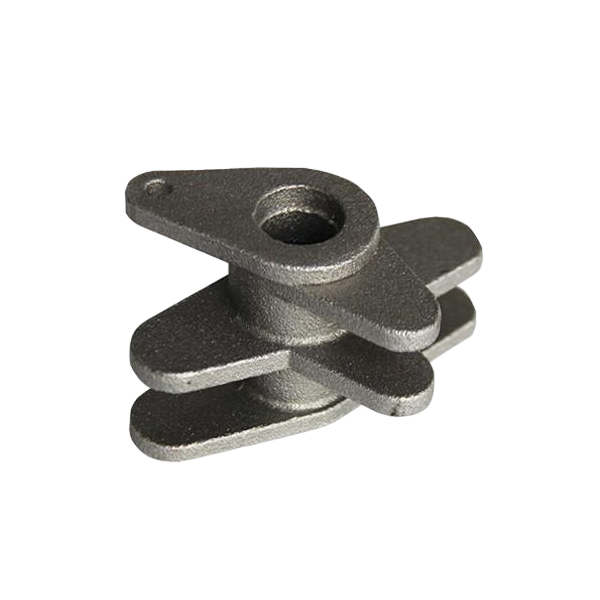
and casting is a mature, standardized industrial casting process applicable for both large heavy-duty and medium-small steel components. The mold cavity formed by qualified refractory sand restricts the shaping of molten steel, enabling flexible customized production with low tooling costs and strong process adaptability. Industrial sand casting covers green sand, resin sand, and sodium silicate sand molding processes, supporting the production of high-strength steel castings for automotive, marine, and agricultural machinery industries, complying with ASTM A27/A148 steel casting standards.
Sand mold types for steel
Molding sand selection is the core factor determining steel casting surface quality and yield rate. Different sand mold systems have distinct high-temperature resistance, structural strength, and surface forming performance, matching different steel component structures and production batches. The mainstream sand mold types for industrial steel casting are listed below:
| Type of Sand Mold | Properties |
|---|---|
| Green Sand | Old mold, good for most casting, needs water for strength. |
| Resin Sand | Very strong, smooth finish, good for tricky shapes. |
| Sodium Silicate Sand | Uses a chemical binder, keeps shape well, good for high heat. |
| Backing and Floor Sand | Gives support, often reused, cheap, not as important. |
| System Sand | Made for machines, stands up to heat, lets air pass, strong. |
| Molasses Sand | Uses natural binder, strong and smooth, good for detailed shapes and cores. |
For high-temperature steel pouring (1370–1510°C), chromite sand and zircon sand are preferred facing sand materials in industrial foundries. Chromite sand features excellent thermal conductivity and molten steel erosion resistance, while zircon sand boasts low thermal expansion rate and high refractoriness. Both materials effectively avoid vein defects, metal penetration, and surface roughing, greatly improving the surface quality and qualification rate of steel castings.
Step-by-step casting process
Steel sand casting follows standardized industrial workflow specifications. Every procedure requires precise parameter control and safety management to eliminate process defects. The complete standardized process steps are as follows:
- Pattern Creation: Fabricate high-precision wooden, aluminum, or resin patterns according to component design drawings to replicate the final part contour.
- Mold Preparation: Compact qualified molding sand evenly inside the casting flask based on production requirements, adopting green sand, resin sand, or sodium silicate sand systems.
- Core Placement: Place prefabricated sand cores for components with hollow structures to form internal cavity contours.
- Mold Assembly: Demold the pattern, assemble and clamp the upper and lower mold halves to ensure mold tightness and positioning accuracy.
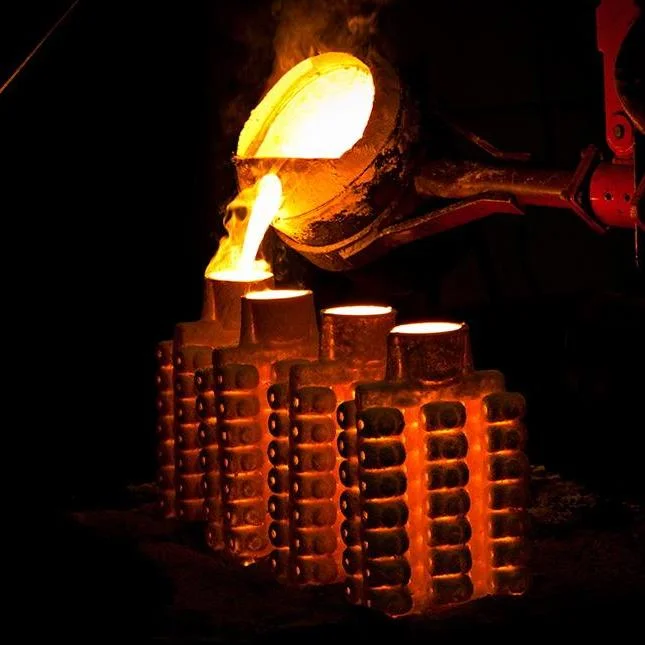
- Melting and Pouring: Melt steel via professional industrial furnaces to standard pouring temperature, and pour molten steel into the mold cavity at a stable flow rate.
- Cooling and Solidification: Keep the mold intact for natural layered cooling to avoid shrinkage defects caused by rapid temperature difference.
- Shakeout and Cleaning: Perform mechanical shakeout after full solidification, remove residual sand and burrs on the casting surface.
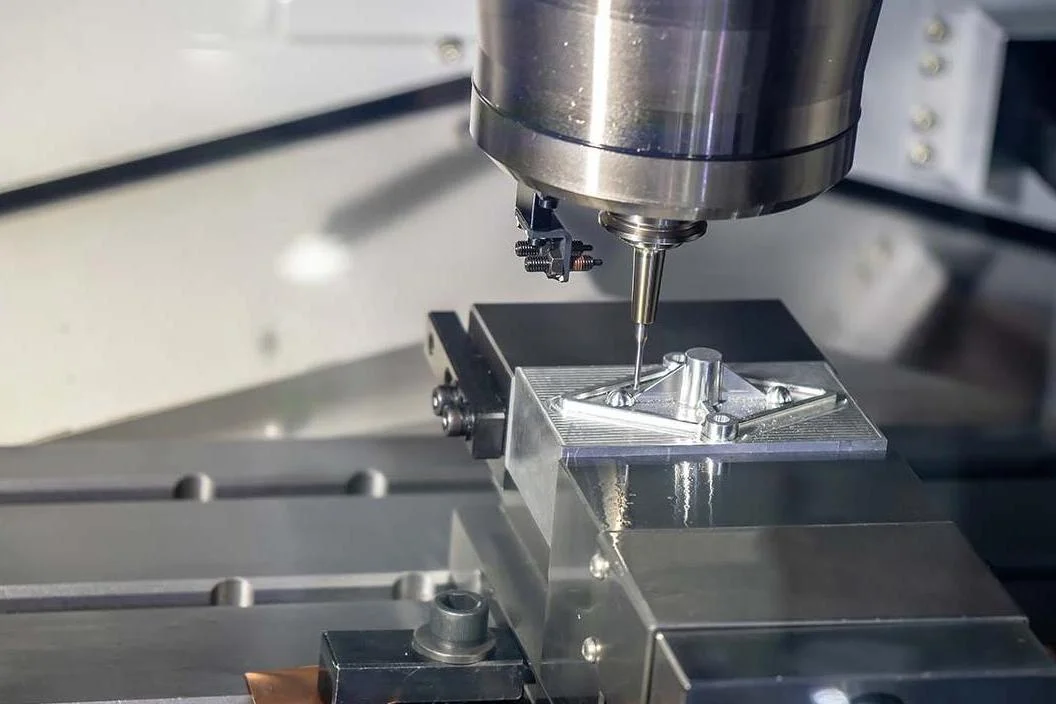
- Finishing and Inspection: Conduct cutting, grinding, precision machining, and full-quality inspection to meet industrial acceptance standards.
Tip: Full-process safety management is mandatory for steel sand casting. Standardized PPE wearing, dry workshop environment, regular equipment inspection, and professional operational training are basic guarantees for zero safety accidents.
| Safety Precaution | Description |
|---|---|
| Personal Protective Equipment | Workers wear gloves, face shields, and safe clothes. |
| Machinery Maintenance | Regular checks and fixes keep machines safe. |
| Moisture Control | Dry floors stop bad reactions with hot steel. |
| Heat Stress Recognition | Training helps workers spot signs of heat stress. |
| Ongoing Training | Learning keeps safety rules fresh and useful. |
Standardized CNC finishing and full-process quality inspection ensure all steel castings comply with international mainstream industrial standards, supporting flexible production of small-batch customization and mass standardized orders.
Differences from casting other metals
Steel sand casting has distinct process differences from aluminum, copper, and gray iron casting. Steel features a far higher melting point and poorer fluidity, requiring high-refractoriness molding sand and higher pouring temperature. Chromite and zircon facing sands are essential to resist high-temperature molten steel erosion and avoid mass casting defects.
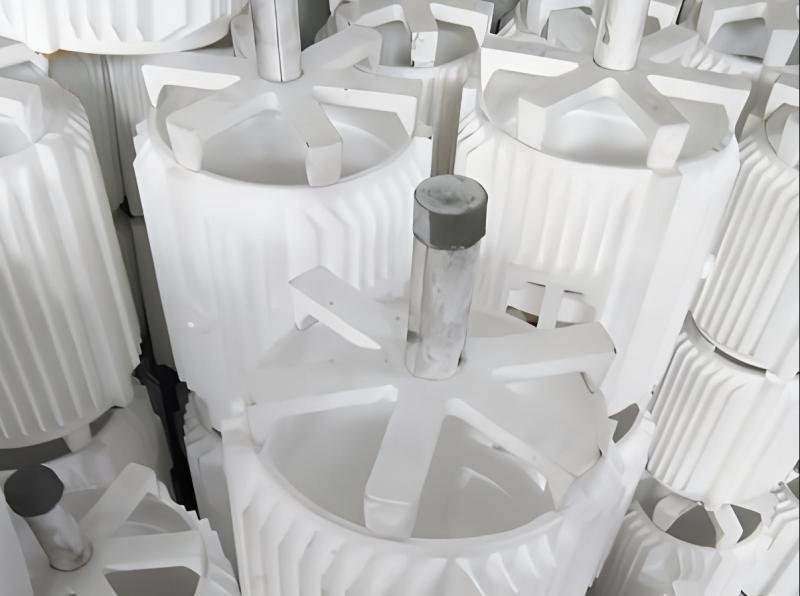
Sand casting is the optimal solution for large, thick-wall, simple-structure steel components with cost advantages. For high-precision, complex thin-wall steel parts with strict surface and tolerance requirements, lost-wax investment casting with ceramic shell molds delivers superior accuracy and surface finish, reducing subsequent machining workload.
| Aspect | Sand Casting | Die Casting |
|---|---|---|
| Part Size | Big and heavy parts | Smaller parts |
| Production Volume | 1 to 5,000 units | 5,000 to over 1,000,000 units |
Sand casting adapts well to customized and large-scale industrial orders. The conventional production cycle ranges from 3–5 weeks for sample production, and the full process including pattern development, trial production, inspection, and mass delivery takes up to 24 weeks in standard industrial production.
Note: The selection of sand casting or alternative forming processes is determined by component size, structural complexity, tolerance requirements, and production batch volume. Professional foundries provide targeted process selection solutions based on project parameters.
Cast steel challenges and solutions
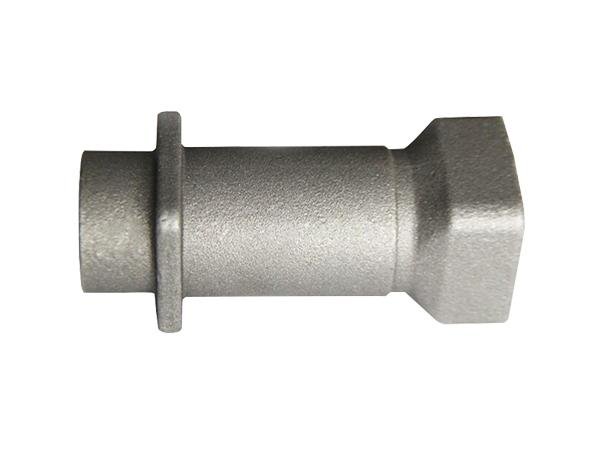
Steel sand casting faces core industrial challenges including ultra-high pouring temperature, strict mold refractoriness requirements, and high defect sensitivity. Full-process parameter control and quality inspection are required to ensure finished parts meet national and international industrial specification standards.
High temperature requirements
Steel has a far higher melting point than most conventional casting metals. The standard melting range of industrial cast steel is 1370°C–1510°C (2500°F–2750°F), requiring special high-temperature melting equipment and thermal protection measures.
| Metal | Melting Point (°C) | Melting Point (°F) |
|---|---|---|
| Aluminum | 660.3 | 1220.5 |
| Copper | 1084 | 1983 |
| Iron | 1538 | 2800 |
| Steel | 1370–1510 | 2500–2750 |
| Titanium | 1668 | 3034 |
| Zinc | 419.5 | 787 |
| Lead | 327.5 | 621.5 |
Because of this, special furnaces are needed. Many foundries use electric arc furnaces or induction coil furnaces. Electric arc furnaces get hotter than 3000°C. They are good for melting scrap steel. Induction coil furnaces can melt any amount of steel. They also let workers add other materials. Workers must wear safety gear like gloves, face shields, and masks. This keeps them safe from heat and dust.
Mold durability and material limitations
Molding sand must not break from the hot steel. Not every sand can handle this heat. Chromite and zircon sands are used because they do not break down. The right additives make molds stronger and smoother. The table below lists some common additives and what they do:
| Material/Additive | Effect on Durability |
|---|---|
| Engineered Sand Additives | Lower costs, improve resistance to cracking and veining |
| Carbonaceous Additives | Improve surface tension, reduce metal penetration |
| Fine Materials | Fill imperfections, create smoother surfaces |
If the sand is too soft or missing binders, problems can happen:
- Cuts and washes: Hot steel wears away the mold.
- Swells: The sand pushes out and changes the shape.
- Drops: Weak sand falls into the steel.
- Runout: Leaks let metal escape.
- Fusion: Sand melts and sticks to the part.
- Metal penetration: Steel gets into loose sand and makes rough spots.
- Rat tails: Heat makes lines on the part.
Sand inclusions and metal penetration are common problems. These often happen when sand is not packed tight or does not have enough binder. Factories must check sand quality and moisture often. KEMING uses special sand mixing and additives to make molds last longer and stop defects.
Practical tips for best results
Foundries can make better cast steel parts by doing these things:
- Control pouring temperature: Keep steel at the right heat to stop cold shuts and shrinkage cavities.
- Optimize gating and riser design: Use computer programs to design gates and risers. This helps steel flow better and stops problems.
- Maintain sand quality: Test sand for strength and water. Add things to make it work better.
- Clean melt practices: Keep the melting area clean. Use filters to take out dirt.
- In-process inspection: Use X-ray, magnetic particle, and dye tests to find problems early.
- Follow safety protocols: Workers should wear safety gear, use dust collectors, and clean up spills fast.
The table below shows common problems and how to fix them:
| Defect Type | Features | Causes | Solutions |
|---|---|---|---|
| Blowholes | Smooth, round holes | Gas in metal, poor venting | Dry molds, improve venting, control gas |
| Sand Holes | Irregular, rough holes | Loose sand, poor coating | Strengthen sand, improve coating |
| Cold Shut | Fine cracks or seams | Low temperature, slow pour | Raise temperature, pour faster |
| Shrinkage Cavity | Cavities inside or near surface | Metal shrinks as it cools | Optimize risers, control cooling |
| Gas Inclusion | Gas bubbles inside casting | Gas trapped during pouring | Degas metal, improve venting |
| Non-metallic Inclusion | Brittle spots | Impurities in molten metal | Clean melt, use filters |
KEMING checks quality at every step. Their engineers test hardness, material, and surface. They use CNC machines and special tests that do not damage the part. Products meet rules like ASTM and DIN. These steps help B2B clients get strong, problem-free cast steel parts.
Note: Good quality comes from testing materials, watching every step, and using modern tools. KEMING’s focus on quality makes sure each project meets customer and industry needs.
Steel sand casting features high structural strength, excellent durability, wide application versatility, and prominent cost advantages, serving as a mainstream manufacturing process for oilfield, mining, and agricultural industrial equipment. Standardized pre-production preparation and strict safety specifications are the prerequisites for high-quality finished castings. KEMING holds valid SGS certification for casting production and quality management.
| Benefit | Description |
|---|---|
| Durability and Strength | Sand casting makes tough parts for hard jobs. |
| Versatility | It works for detailed shapes and many sizes. |
| Cost-Effectiveness | It lowers costs when making lots of parts. |
| Rapid Prototyping | It lets you test and change designs fast. |
FAQ
Can you reuse sand after casting steel?
Foundries can recycle molding sand after steel casting. Waste sand is cleaned, screened, and mixed with new sand and binders to restore structural strength, reducing production costs and industrial waste emissions.
What safety gear do workers need for steel sand casting?
Standard PPE includes high-temperature resistant gloves, heat-insulating face shields, flame-retardant work clothes, and anti-scald safety shoes, protecting operators from molten metal splashing, high-temperature radiation, and metal dust.
How does sand casting compare to investment casting for steel parts?
Sand casting is cost-effective for large, simple, thick-wall steel components. Investment casting delivers higher dimensional accuracy, finer surface finish, and better detail reproduction for complex, high-precision steel parts with strict tolerance requirements.