EN
EN  DE
DE  ES
ES  FR
FR  PT
PT  RU
RU 
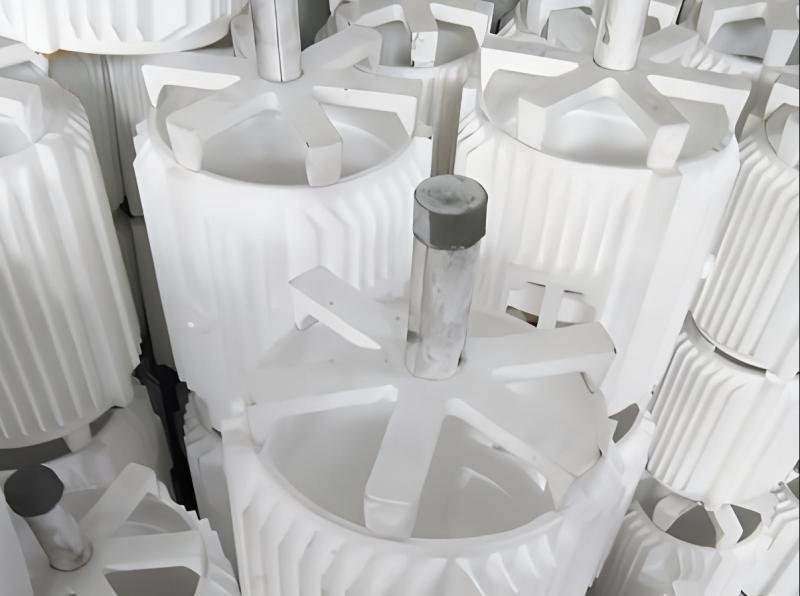
One disadvantage of lost foam casting is that foam patterns cost a lot. Manufacturers spend more money when they need special patterns for each job. Buyers pay higher prices, especially when they order only a few items. Lost-foam casting also makes patterns easy to break, which can hurt product quality and slow down delivery.
Key Takeaways
- Lost foam casting needs foam patterns that cost a lot. Each pattern can cost from $500 to $2,000. This makes the project more expensive, especially for small jobs.
- Foam patterns break easily because they are fragile. If they break, it can slow down work. Broken patterns can also cause problems with the finished parts.
- Even with these problems, lost foam casting works well for hard shapes. It is useful in car and airplane making.
High Pattern Cost in Lost Foam Casting
Why Pattern Costs Are High
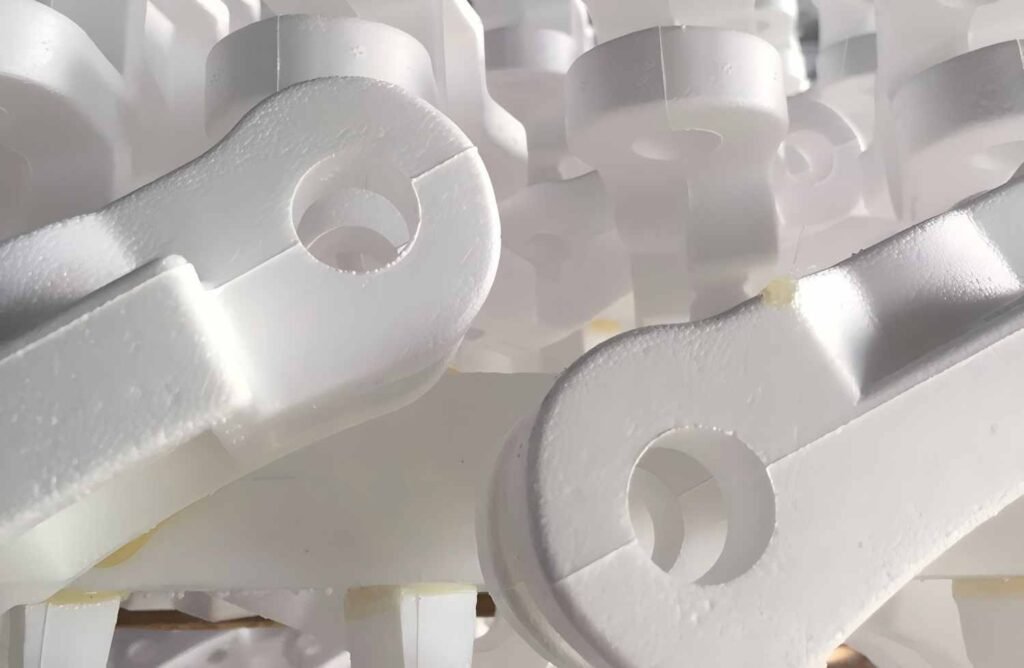
Lost foam casting needs a new foam pattern for each part. These patterns can cost from $500 to $2,000 each. This makes projects more expensive. There are a few reasons for these high costs:
- Each part needs a special foam pattern made just for it.
- Prices for materials like silica and refractory compounds can change. This can make things cost more for factories and suppliers.
- Even though starting lost foam casting is cheaper than some other ways, the foam patterns still cost a lot.
Manufacturers and buyers also have to think about tooling and die costs. For example, cast molding uses cheaper tools made from aluminum or high-density foam. Lost foam casting often needs more special equipment. The table below shows how tooling and material costs compare for different casting methods:
| Casting Method | Tooling Cost | Material Cost | Notes |
|---|---|---|---|
| Cast Molding | Low | Low | Tools made from aluminum, epoxy, silicon, or high-density foam. |
| Machining | High | High | Makes extra waste, so material costs go up. |
| Metallic Tools | High | N/A | These tools last long but cost a lot. |
| Composite Tools | Moderate | N/A | About one-third the price of metallic tools, but may need fixing. |
KEMING knows these problems well. They use CNC machines and check quality closely to cut waste and work faster. Still, making each foam pattern costs a lot and affects the budget for custom jobs.
Impact on Low-Volume Production
Pattern costs matter a lot for small orders. In lost foam casting, each pattern is used up when making a part. So, every part needs a new pattern. This makes costs go up fast for small batches.
For example:
- If a factory makes only a few custom parts, the cost for each part goes up because each one needs its own pattern.
- Buyers who want just a few samples or a small run may find lost foam casting too pricey compared to other ways.
- Regular molds cost a lot at first, but lost foam casting does not need permanent molds. Still, making new foam patterns for every part can cost more in small orders.
Note: Lost foam casting saves money when making lots of parts. Car makers use this method for big orders, so pattern costs are spread out.
KEMING’s investment casting can help when you need good parts but not many. They use smart casting and good tools to help clients save money and keep quality high, even for custom or small orders.
Pattern Vulnerability in Lost-foam Casting
Damage and Distortion Risks
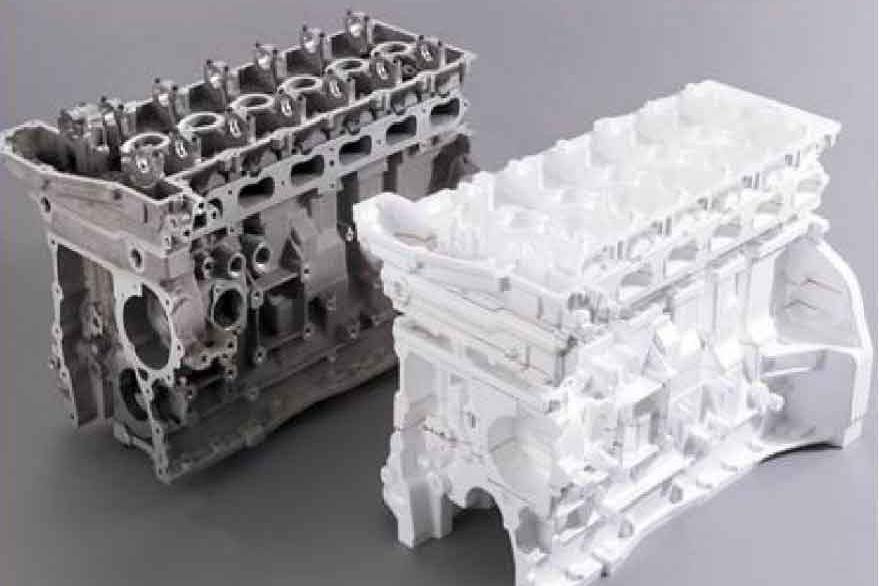
Foam patterns in lost foam casting are light and break easily. Workers see that these patterns can get damaged when moved or stored. Even a small hit or squeeze can make dents or cracks. Because they are not strong, patterns can bend out of shape. This is a bigger problem for large or tricky parts. For example, big transmission housings have thick and thin spots. The thick spots cool slower and shrink more. This puts stress inside the pattern. If there is not enough support, the pattern can bend or fall in. This makes it twist or change shape before metal is poured in. Patterns that lose shape or break can slow down production.
The table below shows common types of pattern damage and distortion in lost-foam casting:
| Type of Issue | Description |
|---|---|
| Pattern distortion | Changes in shape due to low strength |
| Pattern breakage | Cracks or splits from handling or vibration |
| Gas evolution defects | Gas pockets form during metal pouring |
Effects on Product Quality
When patterns are weak, the finished parts can have problems. If a pattern bends, the final part may not be the right size or shape. The table below lists causes of distortion and ways to reduce these problems:
| Cause of Distortion | Mitigation Strategy |
|---|---|
| Foam deformation during sand compaction | Use coatings with higher dry strength |
| Buoyant forces from molten metal | Adjust vibration cycles during molding |
| Inadequate sand compaction | Compact sand well to resist metal pressure |
These problems can cause more defects. One study showed that better handling and sand compaction made good castings go up by about 3 percent. Factories must watch for sand and slag getting into parts, which can happen if patterns break. If parts need to be fixed or made again, it costs more and takes longer. For custom or big orders, these issues can slow delivery and make customers unhappy.
Lost-foam Casting Dimensional Accuracy Issues
Causes of Inaccuracy
Dimensional accuracy is very important in lost foam casting. Many things can make parts the wrong size or shape. The table below lists common problems and what they do to castings:
| Problem | Impact on Casting | Key Factor |
|---|---|---|
| Turbulent Metal Flow | Slag Inclusion, Gas Porosity | Negative Pressure |
| Poor Foam Quality | Carbon Defects, Slag | Material Purity |
| Unstable Negative Pressure | Wall Adhesion, Collapse | Vacuum Settings |
| Temperature Gradients | Incomplete Vaporization | Pouring Temperature |
| Air Entrainment | Oxidation, Sand Adhesion | Gating Design |
Lost-foam casting needs careful control of these things. If metal moves too quickly, air or slag can get trapped. Bad foam quality causes weak spots or carbon marks in the part. Factories must check vacuum settings and pouring temperature. Small changes can make foam vaporize unevenly. This affects the size and shape of the finished part.
Consequences for Final Parts
Parts with size mistakes cause big problems for factories. Some parts will not fit together when building things. Others may not meet strict size rules for cars or machines. If the foam pattern is not correct, the part can have weak places or surface flaws. This makes the part less strong and unsafe for important jobs. Suppliers and buyers might have to throw away batches. This costs more money and slows down delivery. For custom or big orders, these problems can hurt trust between the factory and the client.
Note: Factories can lower these risks by using good foam, checking the process carefully, and doing regular inspections. Good suppliers focus on these steps to make parts that match the right size and shape.
Lost-foam Casting vs. Other Casting Methods
Lost Foam Casting vs. Investment Casting
People often look at lost foam casting and investment casting. Both are used when parts need lots of detail. Investment casting, like what KEMING does, makes parts with a very smooth surface. It also gives parts the right size. The table below shows how they are not the same:
| Aspect | Investment Casting | Lost Foam Casting |
|---|---|---|
| Surface Finish | 1.6-3.2 µm Ra (fine surface finish) | 6.3-12.5 µm Ra (needs extra work) |
| Dimensional Accuracy | ±0.1% (high accuracy) | ±0.3% (moderate accuracy) |
Factories pick investment casting when parts must fit together well. Suppliers get good quality and fewer mistakes. Investment casting also makes parts that bend more before breaking. This helps them last longer in tough jobs. The table below shows how strong and bendy the parts are:
| Casting Method | Tensile Strength | Yield Strength | Ductility |
|---|---|---|---|
| Lost Foam Casting | Higher | Higher | Lower |
| Investment Casting | Lower | Lower | Higher |
Lost Foam Casting vs. Sand Casting
Factories also think about sand casting when picking a method. Sand casting uses cheaper molds and is good for making many parts. Lost-foam casting makes less waste and gives better size control. The table below shows the main differences:
| Feature | Lost Foam Casting | Sand Casting |
|---|---|---|
| Material Waste | Low | Medium |
| Cost | Moderate | Low |
| Initial Setup Cost | Higher | Lower |
| Production Speed | Moderate | Fast |
| Dimensional Accuracy | High | Medium |
| Surface Finish | Excellent | Fair |
- Lost-foam casting makes less waste and smoother parts.
- Sand casting costs less and is faster for big jobs.
- KEMING’s factory uses new tools to make custom parts with good detail and steady quality.
Buyers and makers should think about what their project needs. KEMING’s investment casting gives the best look and fit for hard jobs. Lost foam casting is good for big orders where strength is important. Sand casting is best for cheap and quick projects.
When Lost Foam Casting Is Still Useful
Suitable Applications
Lost foam casting is helpful in many industries. Factories pick this process for tricky shapes or light parts. It works well when strength and detail are important. The table below shows where lost foam casting is used:
| Industry Sector | Applications |
|---|---|
| Automotive | Parts for electric cars and big trucks |
| Marine | Tools and parts for boats and ships |
| Commercial Products | Inside parts for lawn and garden machines |
| Consumer Products | Power generators and other home items |
Factories use lost foam casting for cars, boats, and farm tools. These industries like it because it allows special designs and saves materials. Makers can create parts with hard shapes that other methods cannot do.
Mitigating the Disadvantage
Factories can make foam patterns stronger by changing their process. They use thin coatings to help molds fill better and stop holes. Ceramic coatings block sand from getting into the parts. Green sand molding keeps gas from causing problems and stops defects. Makers also improve ceramic coatings to keep sand out. They control gas flow so molds do not break. These steps help factories make parts with fewer mistakes and better quality.
Tip: Factories that check quality and improve their process can make lost foam casting work well for custom and big orders.
Lost-foam casting entails relatively high costs due to the significant expense associated with producing each pattern. This can lead to increased project costs and longer lead times—issues that are particularly pronounced in small-batch production. Manufacturers must take this factor into account when selecting the optimal casting process. Despite these challenges, lost-foam casting remains highly valuable, especially in sectors such as aerospace, automotive manufacturing, and the defense industry, as it meets the demand for producing complex, high-precision components.
FAQ
Why is the cost of patterns for lost-foam casting so high?
Factories must produce a new foam pattern for each part. This drives up costs, particularly for custom projects or small-batch orders.
What happens if a pattern is damaged during lost-foam casting?
Damage to the pattern can lead to defects in the finished product. The factory may need to extend production timelines or remake the parts, thereby increasing costs.
When is investment casting a more suitable choice than lost-foam casting?
Suppliers opt for investment casting when a smoother surface finish and higher precision are required. This process is ideal for custom parts and applications demanding exceptional quality.