EN
EN  DE
DE  ES
ES  FR
FR  PT
PT  RU
RU 

SAE 4140 chromium-molybdenum alloy steel is fully machinable. As a versatile low-alloy steel defined by ASTM A829 / SAE J404 industrial standards, it delivers optimal machinability in the fully annealed condition. Widely used for high-strength precision components in automotive, aerospace, and heavy machinery industries, 4140 balances excellent mechanical properties and controllable machining performance for industrial manufacturing.
| Industry | Application |
|---|---|
| Automotive | Gears and shafts |
| Aerospace | Structural parts |
| Heavy Machinery | Durable components |
Key Takeaways
- Fully annealed 4140 steel (standard 197 HB per ASTM A829 datasheets) delivers peak machinability, with low cutting resistance and consistent smooth surface finishes for precision CNC work.
- Coated carbide cutting inserts and uninterrupted flood coolant are mandatory to extend tool service life and avoid induced work hardening mid-process.
- Post quenching & tempering, 4140 machinability declines linearly with rising hardness; harder variants demand tuned cutting speeds and dedicated tool geometries.
Machinability of 4140 Alloy Steel
Properties Impacting Machinability
The machinability of SAE 4140 steel is governed primarily by its standardized chemical composition specified in ASTM A829. Combined carbon, manganese, chromium and molybdenum deliver outstanding toughness and abrasion resistance while introducing inherent machining tradeoffs. Medium carbon boosts tensile strength yet raises cutting force; manganese refines grain structure for improved toughness; chromium enhances hardness penetration and mild corrosion resistance; molybdenum suppresses high-temperature temper brittleness and stabilizes thermal behavior—all of which directly alter cutting performance.
Standard chemical composition (weight %, ASTM A829):
- Carbon (C): 0.38–0.43%
- Manganese (Mn): 0.75–1.00%
- Chromium (Cr): 0.90–1.20%
- Molybdenum (Mo): 0.15–0.25%
Fully annealed 4140 registers a consistent 197 HB Brinell hardness, forming a homogeneous ferrite-pearlite microstructure that delivers reliable dimensional stability under load. However, its elevated ductility creates higher cutting resistance relative to plain low-carbon steel. Precision machining requires sharp cutting edges and locked-in stable feed/speed parameters to minimize burr formation and surface irregularities.
Annealed vs. Hardened States
The heat treatment state is the core factor affecting 4140 steel machinability. Fully annealed 4140 forms a uniform ferrite + pearlite microstructure with low hardness and excellent cutting performance, compatible with conventional machining tools. After quenching and tempering, the microstructure transforms into high-strength martensite. As hardness increases, material toughness and cutting difficulty rise correspondingly, resulting in shortened tool life and higher machining technical requirements.
| Condition | Microstructure | Machinability | Tool Life (%) | Notes |
|---|---|---|---|---|
| Annealed | Ferrite + Pearlite | Good | 55 | Moderate—watch feed & temp |
| Quenched & Tempered (28–32 HRC) | Martensite | Moderate | 45–50 | Cleaner chips, better finish |
| Quenched & Tempered (38–42 HRC) | Martensite | Difficult | 30–35 | Carbide tools a must |
Machinability Rating and Comparison
Machinability index is an industry-standard metric benchmarked against AISI 1212 free-machining steel (assigned 100% machinability, per metalworking reference handbooks). Standardized testing data from steel material suppliers confirms fully annealed 4140 holds a machinability rating of 60–66%. After quenching and tempering, hardness rises and machinability falls proportionally: 28–32 HRC pre-hardened 4140 drops to 40–50%, while 38–42 HRC high-temper variants fall to just 20–35%. This consistent downward trend aligns with core metal cutting mechanics: increased martensite hardness raises cutting force and accelerates tool abrasion.
| Material Grade | Heat Treatment State | Machinability Index (%) |
|---|---|---|
| 4140 Alloy Steel | Fully Annealed (197 HB) | 60–66 |
| 4140 Alloy Steel | Q&T 28–32 HRC (Pre-hardened) | 40–50 |
| 4140 Alloy Steel | Q&T 38–42 HRC | 20–35 |
| 1018 Low Carbon Steel | Hot Rolled | 78 |
| 304 Stainless Steel | Annealed | 40 |
Relative to plain carbon grades like 1018 and 1045, 4140 incurs slightly higher machining overhead due to elevated toughness. Even so, it delivers far better cost efficiency than 304 or 316 stainless steel for high-load structural parts. Its balanced strength, fracture toughness and manageable machinability make it a staple mass-production alloy for automotive, aerospace and construction machinery components.
4140 Alloy Steel Machining Performance
Machining Processes
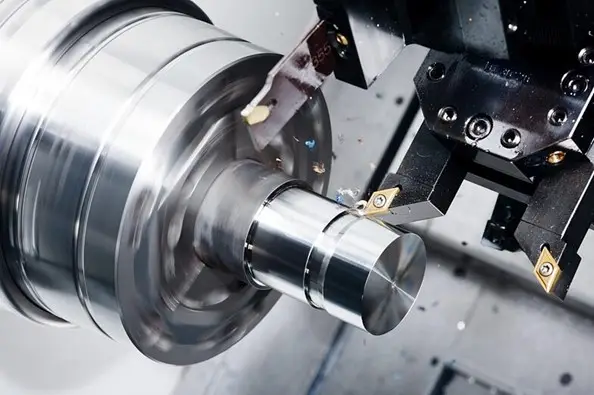
CNC turning, milling and drilling form the core machining workflow for custom 4140 precision components with complex geometries and tight tolerance demands. Turning fabricates shafts, pins and cylindrical bodies; milling machines flat surfaces, key grooves and irregular profiles; drilling produces precision bore holes. Pre-machining full annealing homogenizes grain structure, lowers cutting resistance and extends tool life. Graded, material-matched speed and feed parameters minimize thermal distortion and deliver consistent high-quality surface roughness.
| Machining Operation | SFM Range | Supplementary Notes |
|---|---|---|
| Rough/Fine Turning | 250–350 | Reduce speed by 30% for 30+ HRC hardened stock |
| End Milling | 180–280 | Limit radial stepover to reduce chatter |
| Drilling | 90–160 | Continuous high-volume coolant flow mandatory |
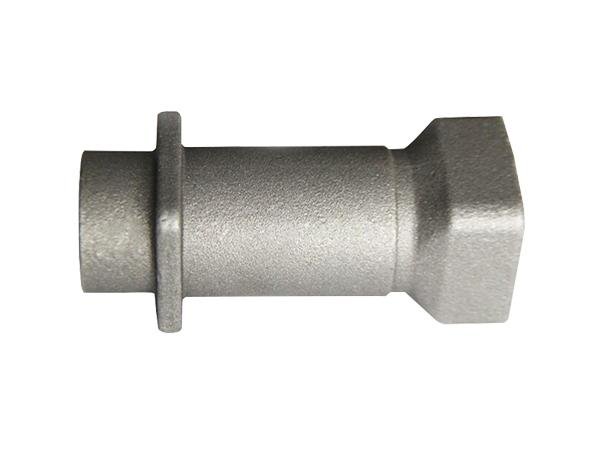
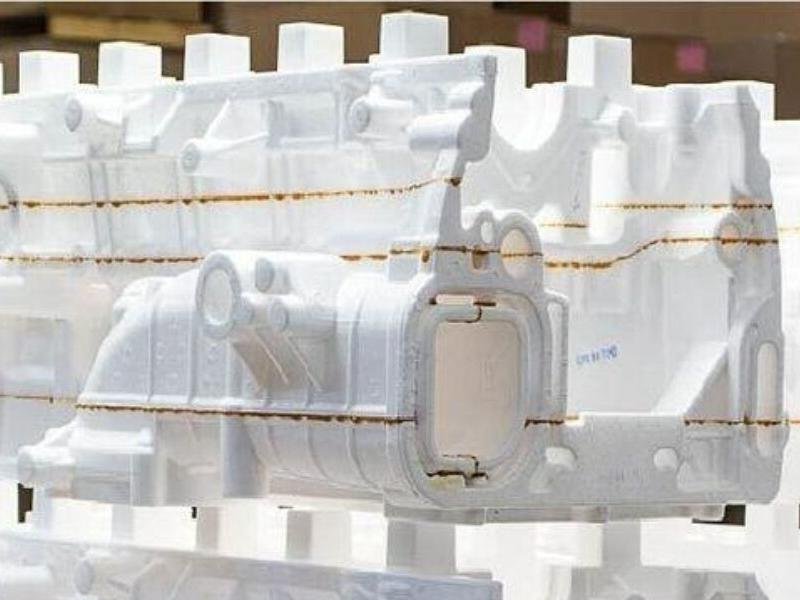
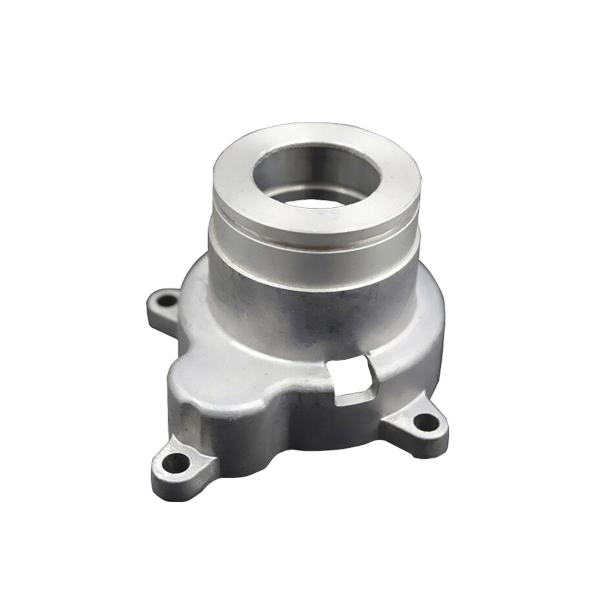
Combining investment casting blanks with precision CNC finishing enables ultra-tight dimensional tolerances down to ±0.001 inch for complex 4140 alloy parts; this integrated workflow is routinely applied by casting and machining manufacturers including KEMING to deliver near-net-shape high-strength components.
Common Challenges
Due to the high toughness and moderate hardness of 4140 alloy steel, machining faces typical industrial challenges: accelerated tool abrasion, prolonged processing cycles, and increased production costs. Unstable cutting feed will induce material work hardening, further increasing cutting difficulty. Continuous and stable coolant circulation is essential to reduce cutting heat, avoid secondary hardening, and ensure qualified surface quality.
Tips for Better Machinability
Standardized operational specifications can significantly improve 4140 steel machinability and yield rate:
1. Adopt continuous flood cooling to reduce cutting heat, extend tool service life and optimize surface finish;
2. Match low-speed cutting (50 SFM) for HSS tools and TiN/Al₂O₃ coated carbide inserts for high-efficiency processing;
3. Optimize chip breaker structure to avoid stringy chips and processing jamming;
4. Adopt rigid tool holders and stable clamping to eliminate tool chatter and processing failure;
5. Maintain constant feed speed and uninterrupted coolant supply to prevent material work hardening.
Manufacturers follow ISO 9001 quality management standards to deliver stable, high-precision 4140 alloy steel parts for automotive, aerospace, and construction industries.
Manufacturers like 4140 alloy steel because it is easy to machine. They use it for CNC machining that needs to be very exact. KEMING gives good casting and machining help. The table below lists important facts about machinability:
| Aspect | Standardized Details | Authoritative Source |
|---|---|---|
| Baseline Machinability Rating | 60–66% (Annealed 197 HB, vs. 1212 steel = 100%) | Metalworking Machinability Handbooks |
| Primary Recommended Tooling | TiAlN / Al₂O₃ coated carbide inserts | FM Carbide cutting material guides |
| Optimal Pre-Machining State | Fully Annealed (197 HB, ferrite-pearlite microstructure) | ASTM A829 material datasheets |
| Primary Industrial Applications | Automotive gears/shafts, aerospace structural parts, heavy machinery load components | SAE alloy steel application standards |
| Tolerance Capability (Casting + CNC Combo) | ±0.001 inch minimum precision | Industrial investment casting machining case data |
FAQ
What is the best state for machining 4140 alloy steel?
Annealed 4140 alloy steel is the easiest to machine. It features lower hardness and uniform microstructure, reducing cutting resistance and extending tool service life significantly.
Which tools work best for machining 4140 alloy steel?
Carbide tools with professional coatings such as TiN or Al₂O₃ work best. These coatings resist high-temperature wear and ensure stable cutting performance for both soft and hardened 4140 steel.
Are custom 4140 alloy steel parts available?
Professional manufacturers provide customized investment casting and precision CNC machining services for 4140 alloy steel components to meet diverse industrial precision and strength requirements.