EN
EN  DE
DE  ES
ES  FR
FR  PT
PT  RU
RU 
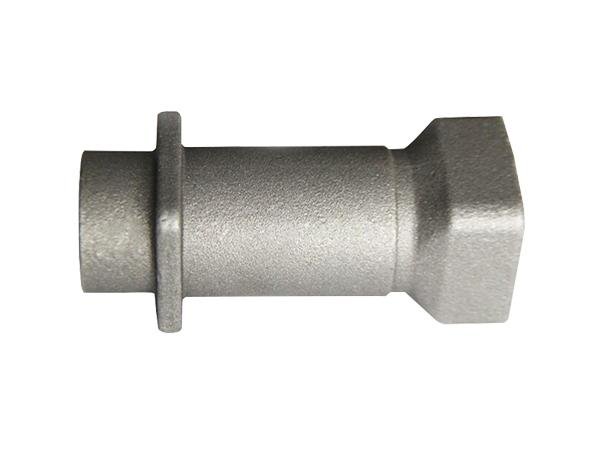
Stainless steel is fully compatible with industrial sand casting processes. Manufacturers produce robust stainless steel components via high-temperature sand mold pouring, a cost-effective, scalable forming method applicable to multiple industrial sectors. The process supports diverse stainless steel alloy grades, flexible batch production (prototypes to mass orders), and complex structural shaping while maintaining excellent mechanical strength and corrosion resistance. One professional precision casting manufacturer delivers standardized stainless steel sand casting solutions compliant with global industry specifications.
Key Takeaways
- Sand casting is a low-cost, flexible manufacturing solution for stainless steel parts, supporting both small-batch customization and large-volume mass production.
- It covers mainstream cast stainless steel alloy families per ASTM A351 standards, providing material options for mechanical, marine, chemical and industrial applications.
- Compared with investment casting, standard sand casting delivers lower dimensional precision and rougher surface finish but offers superior structural stability and impact resistance for heavy-duty, harsh-environment components.
- Wet sand casting typically reaches CT11–CT13 tolerance grades (ISO 8062), while resin-bonded sand casting achieves CT8–CT10 precision for upgraded projects.
Sand Casting Process for Stainless Steel
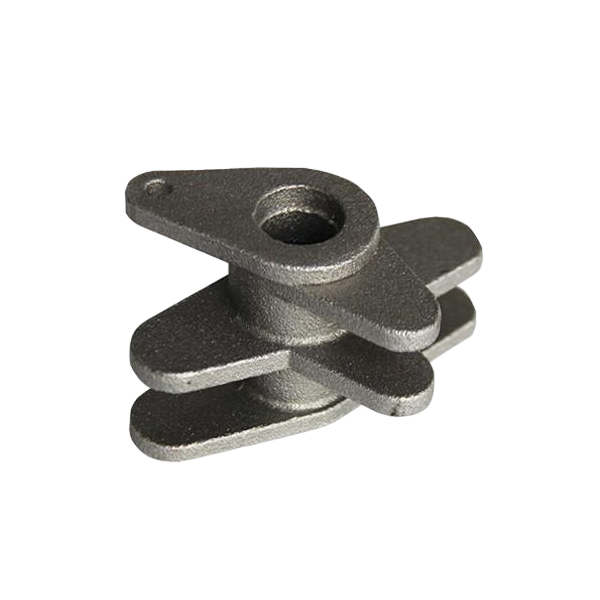
How Sand Casting Works
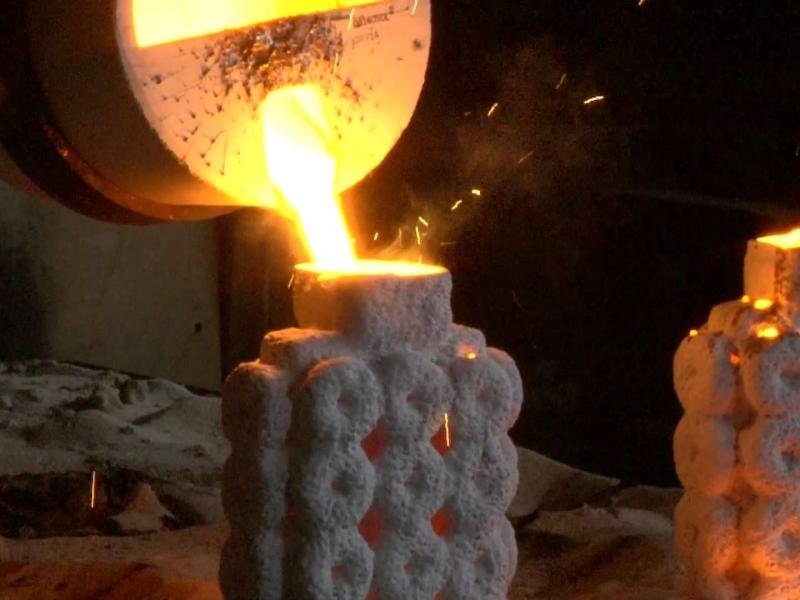
Sand casting shapes hot steel using sand molds. Patterns made from wood, aluminum, or resin help form the mold. The sand mold uses silica sand, bentonite clay, and water. Workers press the sand mix to make it even. Stainless steel is poured in when it is very hot. Many alloys, like 304, work well with this process. These alloys are strong and resist rust. Sand casting follows rules like ASTM A351 and ASME codes. Companies such as KEMING make stainless steel parts for cars, boats, and farms with sand casting.
Tip: Sand casting can make both small and big parts fast. It is good for custom jobs and large orders.
| Family | Key Alloys (ASTM A351) | Core strengths | Typical uses |
|---|---|---|---|
| Austenitic | CF8, CF8M, CF3, CF3M | Very tough and bendable; resists rust well; works in cold; easy to shape and weld | Pump and valve bodies, clean equipment, food and drug parts, chemical service, cold fittings |
| Duplex | CD3MN, CD4MCu | Strong and hard; resists pitting and cracking; good against salt; tough | Offshore hardware, oil and gas valves, seawater parts, strong parts for harsh places |
| Ferritic | CB30 | Resists stress cracks; does not expand much with heat; magnetic | Exhaust parts, chemical fittings, parts needing some rust resistance and magnetism |
| Martensitic | CA15, CA6NM | Can be made very hard and strong; resists wear; strong against repeated stress | Shafts, valve parts, wear parts, parts needing high hardness and stable size |
| Precipitation-Hardening | Various PH cast grades | Gets very strong after aging; resists pitting and cracking | Special strong parts, harsh chemical places, expensive plant equipment |
Challenges and Limitations
Sand casting stainless steel has some tough problems. Pouring needs the right temperature. If it is too cool, the metal hardens too soon. Too much splashing can make oxides and mess up the part. Melt quality matters a lot. Gases in the metal can make holes. Non-metal stuff can cause shrinking and feeding issues. Tools and handling must stay clean. Bad tools or dirt can cause rust and holes. Many problems can happen at once and make things worse.
| Challenge Type | Specific Issues |
|---|---|
| Pouring practice | Not hot enough metal freezes too soon and does not fill the mold. |
| Too much splashing brings in oxides and breaks the metal flow. | |
| Melt quality: gas and inclusions | Gases make round holes and cause feeding to fail. |
| Non-metal stuff starts shrinking and stops good feeding. | |
| Tooling and handling contamination | Dirt or bad tools can cause rust and holes when the metal cools. |
| Compound failure modes | Holes often come from many problems happening together. |
The sand mold mix changes how good the casting is. Permeability lets gases out and stops holes. Mold strength keeps the shape strong. Refractoriness helps the mold stand up to heat and stops damage.
| Property | Description | Importance |
|---|---|---|
| Permeability | Lets gases out of the sand mold. | Stops gas holes in the finished part. |
| Strength | Keeps the sand mold in shape under pressure. | Makes sure the part is the right size and shape. |
| Refractoriness | Lets the sand mold stand up to high heat. | Stops the mold from breaking or melting and keeps the surface smooth. |
Process Steps
Sand casting stainless steel uses many steps for good results. First, workers make patterns and cores from wood, aluminum, or resin. Cores use silica sand and resin. The mold is made with silica sand, bentonite clay, and water. The mix is pressed to make it even. Melting and pouring need about 1,450 °C to melt and 1,520 °C to pour. These high heats help the metal flow and fill the mold. Cooling takes 6 to 24 hours. Parts shrink about 1.2%. After cooling, workers shake out the sand and clean the part. Over 90% of the sand is used again. Shot blasting cleans the surface. Extra treatments make the part stronger and help it resist rust.
| Step | Description |
|---|---|
| Pattern & Core Fabrication | Patterns use wood, aluminum, or resin; cores use sand and resin. |
| Mold Assembly | Mold mix uses sand, clay, and water; pressed for evenness. |
| Melting & Pouring | Melt at 1,450 °C; pour at 1,520 °C for good flow. |
| Solidification & Cooling | Cool for 6 to 24 hours; parts shrink about 1.2%. |
| Shakeout & Cleaning | Over 90% of sand is reused; shot blasting cleans the part. |
| Post-Casting Treatments | Makes the part stronger, smoother, and better against rust. |
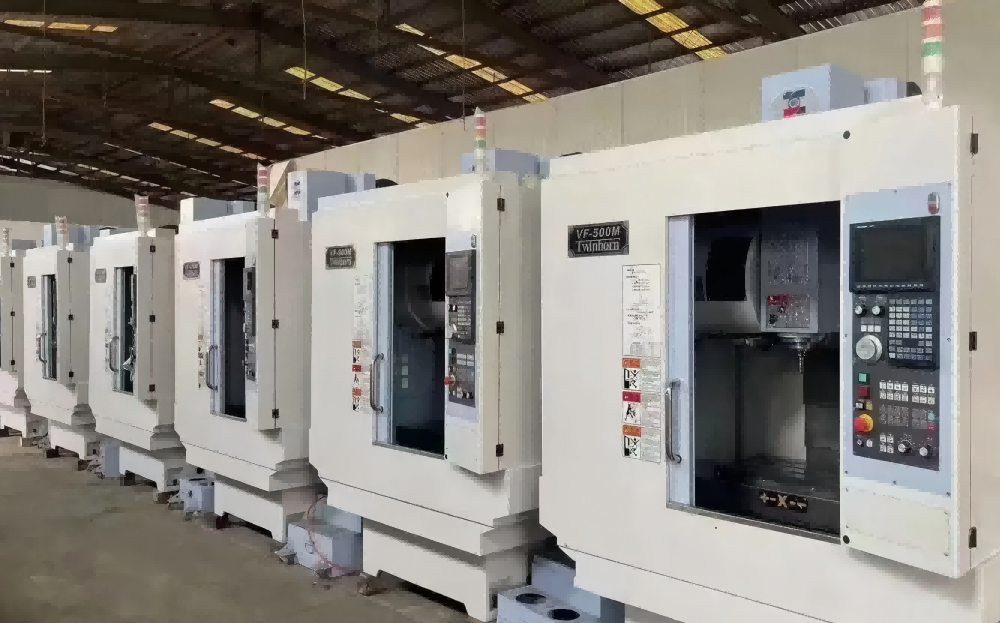
KEMING uses modern machines and strict checks to make sure their stainless steel castings are top quality. They follow ISO and ASTM rules. Their skill gives good results for both small and big orders.
Note: Sand casting is a flexible and low-cost way to make stainless steel parts with high accuracy.
Pros and Cons of Sand Casting Stainless Steel
Benefits of Sand Casting Stainless Steel
Sand casting offers many advantages for making stainless steel parts. This process stands out for its cost-effectiveness and flexibility. Patterns for sand casting cost less, which helps companies make prototypes or small batches without spending too much. The process can handle both small and large orders, which makes it useful for many industries. KEMING produces parts for cars, ships, trains, and farm equipment using this method.
Here is a table showing some main advantages of sand casting:
| Benefit | Description |
|---|---|
| Low Tooling Cost | Patterns are inexpensive, making it easy to start new projects. |
| Flexible Batch Sizes | Companies can make as few as 5 or as many as 5,000 parts. |
| Minimal Material Waste | The process uses most of the steel, which saves expensive alloys and reduces waste. |
Sand casting works well for simple shapes and large parts. It also allows for the use of many different alloys. The process gives good durability and strength. Many choose sand casting when they need strong parts at a lower price. This is one of the main advantages of sand casting.
Drawbacks and Limitations
Standard sand casting has inherent process limitations compared with investment casting. The as-cast surface roughness is higher, and dimensional tolerance is looser due to mold compression and thermal shrinkage. Per ISO 8062 industrial standards, conventional wet sand casting achieves CT11–CT13 tolerance grades, corresponding to dimensional deviations of ±1–3 mm, failing to meet ultra-precision component demands. The relatively long cooling cycle limits ultra-high-volume rapid mass production. Common inherent defects include thermal shrinkage cavities and gas porosity, generated by unoptimized solidification sequences and trapped mold gas, which require strict process control to mitigate.
Process selection rules: Sand casting is cost-effective for large, simple structural parts; investment casting provides tighter tolerance and smoother surfaces for complex, high-precision small components.
Stainless Steel Applications
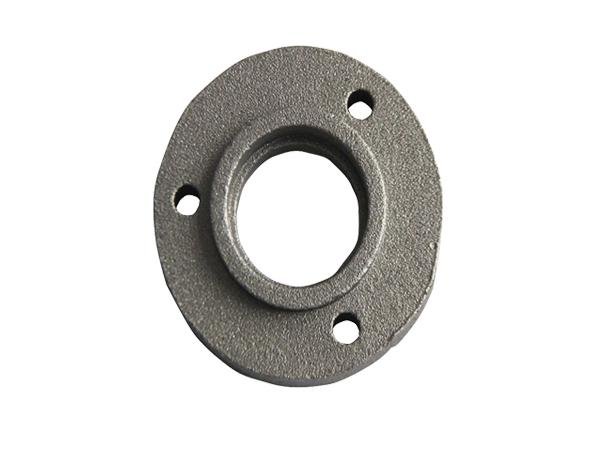
Sand casting produces durable, corrosion-resistant stainless steel components for widespread industrial use. Cast stainless steel’s structural stability and environmental adaptability make it suitable for harsh working conditions.
| Industry | Typical Applications |
|---|---|
| General Industry | Pump housings, valve bodies, turbine casings |
| Marine Industry | Marine hardware |
Sand-cast stainless steel components withstand high-pressure, corrosive and weather-exposed environments, widely applied in military equipment, oilfield facilities and outdoor engineering projects. Although requiring more post-processing finishing than investment cast parts, they retain excellent structural toughness and service stability for heavy-duty scenarios.
Sand casting is still a top pick for industries that want strong parts. The process makes durable parts and fits many uses.
Sand Casting vs. Other Methods
Industrial stainless steel forming mainly includes sand casting and investment casting, with distinct applicable scenarios based on precision, size, cost and batch requirements. Sand casting features low tooling cost, strong large-size part adaptability and shorter lead time, ideal for batch volumes below 1,000 units with moderate precision demands.
| Feature | Investment Casting | Sand Casting |
|---|---|---|
| Wall Thickness | 0.5–3 mm | ≥ 6 mm |
| Design Complexity | Highly complex possible | Limited by mold |
| Cost | More expensive | More cost-effective |
| Lead Time | Longer | Shorter |
| Surface Finish | Smoother | Rougher |
| Pattern Flexibility | High upfront, lasts long | Lower cost, rapid changes |
| Size and Weight | Limited | Very versatile |
Precision comparison (industry standard data): Investment casting achieves precision up to ±0.1 mm, suitable for intricate, high-tolerance parts. Standard sand casting delivers dimensional tolerance of ±1 mm to ±3 mm (ISO 8062 CT11–CT13), optimized resin sand casting reaches ±0.5–1.5 mm (CT8–CT10), matching general industrial tolerance requirements.
Sand casting features eco-friendly advantages via high sand recycling rates and metal material reuse, reducing overall production waste. Industrial factories adopt dust removal systems to control silica dust pollution, meeting environmental production standards.
Sand casting is a mature, reliable manufacturing method for stainless steel components. It supports custom structural designs, low tooling iteration costs, and stable corrosion-resistant mechanical performance. For customized stainless steel casting projects with standardized quality control, KEMING provides compliant, full-process casting solutions covering diverse material grades and special structural designs.
| Advantages | Disadvantages |
|---|---|
| Works for tricky steel parts | The surface feels rougher |
| Can make many or few parts | Not as exact in size |
FAQ
What types of stainless steel can be sand cast?
Most mainstream cast stainless steel grades are applicable, including common 304 and 316 austenitic stainless steel, as well as duplex, ferritic, martensitic and precipitation-hardening grades specified in ASTM A351. These alloys meet strength and corrosion resistance demands for most industrial scenarios.
How accurate is sand casting for stainless steel parts?
Per ISO 8062 industrial casting tolerance standards, conventional wet sand casting achieves CT11–CT13 grades with dimensional tolerance of ±1 mm to ±3 mm. Resin-bonded sand casting upgrades to CT8–CT10 grades (±0.5–1.5 mm). This process is suitable for general industrial components without ultra-tight precision requirements.
Can sand-cast stainless steel parts be used outdoors?
Qualified sand-cast stainless steel components retain the alloy’s inherent weather resistance and anti-corrosion performance. They are widely applied to outdoor mechanical equipment, marine hardware and construction structural components with long-term environmental exposure demands.