EN
EN  DE
DE  ES
ES  FR
FR  PT
PT  RU
RU 
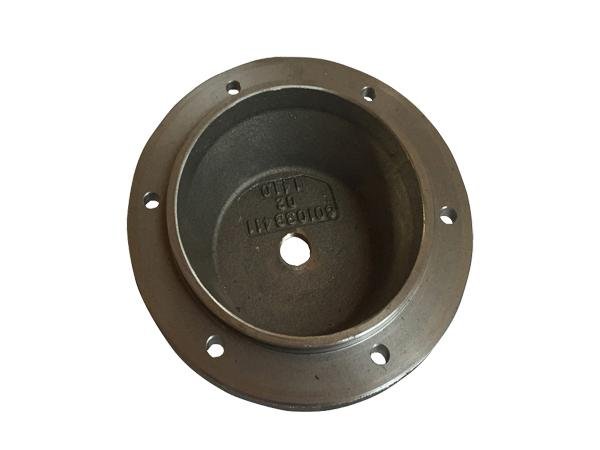
Investment casting and ceramic mold casting are two high-precision refractory mold casting processes often confused in industrial manufacturing. Though both use ceramic-based molds, they differ fundamentally in mold structure, processing principle, dimensional tolerance, surface quality, and optimal application scenarios. Distinguishing the two processes helps manufacturers select cost-effective, process-compliant solutions for custom metal components.
Key Takeaways
- Investment casting (lost-wax shell casting): A disposable thin-shell casting process optimized for ultra-fine details, tight tolerances, and complex geometries. It is the standard process for precision mechanical, medical, and aerospace components.
- Ceramic mold casting (rigid ceramic casting): A semi-permanent rigid mold casting process with excellent high-temperature thermal stability, ideal for large, thick-section, heavy-duty industrial castings under harsh working conditions.
- Process selection depends on standardized engineering indicators: part complexity, required surface roughness, tolerance grade, part size, and production batch volume.
Investment Casting and Ceramic Casting Compared
Process Overview
Investment casting is a lost-wax, disposable ceramic shell casting process. Manufacturers produce accurate wax patterns identical to the final part, assemble patterns into a casting tree, and apply multiple layers of ceramic slurry and refractory stucco to form a thin, high-density shell. The wax is fully removed via high-pressure autoclave dewaxing. After high-temperature shell pre-firing, molten alloy is poured into the hollow shell. Once cooled and solidified, the brittle ceramic shell is mechanically shattered to release finished components.
Ceramic mold casting is a rigid refractory mold forming process thatdoes not require wax patterns or dewaxing — this is its core difference from investment casting. Manufacturers pre-sinter rigid, high-strength ceramic molds using refractory powder and high-temperature binders. The rigid ceramic mold maintains stable geometry under ultra-high pouring temperatures. Metal liquid is poured directly into the prefabricated mold, and castings are demolded after cooling without shell breaking. The mold can be reused for small-to-medium batch production.
Tip: The quality of the casting process depends on how well the factory controls each step, from mold creation to metal pouring.
Here is a table that shows the main steps in the investment casting process:
| Step | Description |
|---|---|
| 1 | Ceramic mold construction involves dipping a wax tree into ceramic slurry and sand to create a strong shell. |
| 2 | De-waxing is done in an autoclave to remove wax under high pressure and steam heat, creating an empty mold. |
| 3 | Foundry and pouring involves curing the mold in a high-temperature oven and pouring molten metal into it. |
| 4 | Shell and casting removal includes breaking the ceramic shell and removing the metal casting from the tree. |
| 5 | Finishing involves removing gates and performing additional treatments before final inspection and shipping. |
Materials and Molds
Both processes adopt professional refractory materials including zircon, fused silica, and alumina silicate, but differ greatly in formula and structural logic.
Investment casting uses silica sol binders to form ultra-smooth, dense shell surface coats. Zircon face coats prevent chemical reaction with high-temperature superalloys, while fused silica backup coats provide excellent thermal shock resistance.
Ceramic mold casting adopts high-temperature polymeric binders to improve overall mold rigidity and structural stability. The thick, integrated ceramic mold structure resists high-temperature deformation, making it suitable for large-volume molten metal filling. Reasonable mold wall thickness and ventilation design effectively avoid shrinkage cavities, warping, and gas porosity defects.
| Material | Description |
|---|---|
| Zircon (ZrSiO₄) | Used for primary face coats; provides a smooth finish and resists reactions with superalloys. |
| Fused Silica | Serves as the backbone for backup coats; offers superior thermal shock resistance. |
| Alumina Silicate | A cost-effective option for backup coats; blends well with fused silica for optimized performance. |
Typical Uses
Investment casting is widely applied for precision, complex structural components requiring high surface quality. Common scenarios include pump and valve bodies, oil and gas fluid control parts, chemical processing components, medical precision devices, automotive engine parts, and marine lightweight structural castings.
Ceramic mold casting is targeted at large, thick-walled, heat-resistant industrial components. It is predominantly used for power generation equipment, heavy machinery housings, large marine structural parts, and high-temperature industrial equipment that prioritizes mold thermal stability over ultra-high precision.
| Industry | Applications |
|---|---|
| Pump and Valve | Components for high pressure and corrosive environments |
| Oil and Gas Industry | Pump impellers, valve bodies |
| Chemical Processing | Fluid control components |
| Water Treatment | Investment-cast parts for treatment systems |
| Power Generation | Components for energy production |
| Marine | Parts for marine engineering |
| Military | Various military applications |
| Medical Devices | Precision components for medical equipment |
| Jewelry | Decorative and functional items |
| Automotive | Engine components and parts |
| Consumer Electronics | Various electronic components |
Investment Casting Process Explained
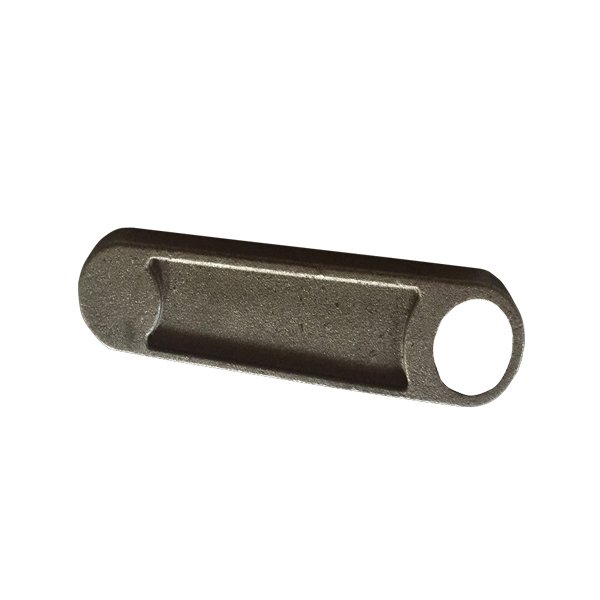
Step-by-Step Process
The investment casting process has many careful steps. These steps help make metal parts that are very exact. Companies like KEMING follow these steps to make sure the parts are good:
- Make a wax pattern that looks like the final part.
- Put the wax patterns together on a main wax tree.
- Dip the wax group into a ceramic liquid to cover it.
- Sprinkle small sand on the wet ceramic layer.
- Do the dipping and sand steps again to make the shell strong.
- Take out the wax from the shell with heat, so the mold is empty.
- Pour hot metal into the warm ceramic shell.
- Let the metal cool and get hard inside the mold.
- Break the ceramic shell to get the metal part out.
- Cut the metal parts off the main tree.
- Make the parts smooth by grinding, polishing, or using machines.
- Check the finished parts to make sure they are right.
Advantages
The investment casting process has many good points for factories and suppliers:
- It makes parts that are very exact and smooth, so less extra work is needed.
- It works with many alloys, like stainless steel, carbon steel, and superalloys, so it can be used in many jobs.
- It can make shapes and details that other casting process methods cannot do.
- The parts usually have few mistakes, only about 1% to 3%.
- KEMING’s new factory and skilled workers help make good parts for big and small orders.
| Alloy Type | Key Properties and Applications |
|---|---|
| Stainless Steel | Does not rust, is strong; used in medical and food tools |
| Carbon Steel | Very strong; used in cars and building parts |
| Nickel Alloys | Handles high heat; used in planes and power plants |
Disadvantages
Even though investment casting is very exact, it has some problems:
- It takes more time because making wax patterns and ceramic molds has many steps.
- It costs more at the start for tools and setup than easier casting process methods.
- It is slower to make parts, so it is not good for rush jobs or very big orders.
Factories should think about these things before picking investment casting for their work.
Ceramic Casting Process Overview
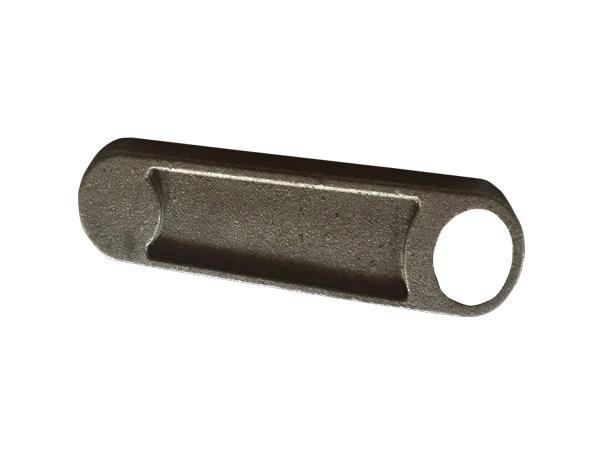
How It Works
Ceramic casting uses a mold made from ceramic materials. Factories and suppliers follow steps to make custom parts. First, workers get the mold ready. They mix ceramic powders and binders to make it strong. Next, they pour slip, which is liquid clay, into the mold. After waiting a bit, they pour out the extra slip. This leaves a hollow shell inside the mold. When the shell dries, workers take the part out of the mold. Then, they clean and smooth the part. This step is called fettling.
Steps in the ceramic casting process:
- Get the mold ready with ceramic materials.
- Pour slip into the mold.
- Pour out extra slip to make a hollow shell.
- Take the slip-cast part out of the mold.
- Fettle the part to smooth the surface.
Factories use ceramic casting for parts that must handle high heat or tricky shapes. Manufacturers pick this method for steel, iron, and other alloys.
Pros and Cons
Ceramic casting has many good points for factories. They can pour metals at high heat and make hard designs. The process works for both big and small orders. Manufacturers get parts with the right size and need little extra work for tough alloys.
| Advantages of Ceramic Mold Casting | Disadvantages of Ceramic Mold Casting |
|---|---|
| High temperature pours possible, suitable for steels and other alloys. | Only cost-effective for small to medium-sized production runs. |
| Creative complex designs can be made. | Molds can be fragile and likely to break if mishandled. |
| Can be used for mass production. | Time-consuming process for complex designs. |
| Accurate dimensional accuracy possible. | Initial setup cost for creating molds can be higher. |
| Little machining required, suitable for difficult-to-machine alloys. | Certain highly complex shapes may not be achievable. |
| Supports both industry and home foundry operations. | Molds are expendable. |
| Complicated and innovative designs can be cast. | Large and heavy castings may not be feasible. |
Note: Castings have size and weight limits. The process can take longer for hard shapes. Mold setup costs may be higher than other ways. Molds can break if not handled well. Some shapes may not work. Ceramic casting is not best for making lots of parts because it takes time and costs more. Molds are used only one time.
Factories and suppliers must think about these things when picking ceramic casting for custom parts.
Choosing Between Investment Casting and Ceramic Casting
Picking the right casting method is important for factories. The choice depends on what the project needs. Things like surface finish, precision, cost, how many parts are made, and material options matter. Each method has special benefits for custom parts in industries like cars, ships, and art.
Surface Finish and Precision
Surface finish and precision are big reasons for picking a casting method. Factories often want parts that are smooth and fit well. Here is how the two methods are different:
- Investment casting makes surfaces between 1.6 and 6.3 micrometers Ra. This is smooth enough for assembly or plating.
- Ceramic casting, like sand casting, makes rougher surfaces from 12.5 to 25 micrometers Ra. The surface feels gritty and needs extra grinding.
- Investment casting holds tolerances of ±0.003 inches per inch. Sand casting tolerances are usually ±0.030 inches per inch.
- Parts from investment casting have a matte but smooth finish. They are ready for polishing. Sand-cast parts need more work to get the same quality.
- Investment casting usually holds tolerances of ±0.1mm. Many parts do not need extra machining.
| Dimension (Inches) | Investment Casting Tolerance | Sand Casting Tolerance |
|---|---|---|
| 0 – 1″ | +/- 0.013″ | +/- 0.071″ |
| 1 – 3″ | +/- 0.015″ | +/- 0.087″ |
| 3 – 6″ | +/- 0.017″ | +/- 0.100″ |
| 6 – 9″ | +/- 0.020″ | +/- 0.110″ |
Factories that need high-precision or tricky parts, like engine or medical device parts, often pick investment casting. KEMING uses the lost wax process to make parts with great accuracy and finish.
Cost Factors
Cost is important for every project. The main things that change cost are:
- Material costs: Using strong alloys, like stainless steel, makes the price go up.
- Design complexity: Hard shapes need more work and better molds.
- Tooling and mold costs: Investment casting needs wax patterns and ceramic shells, which can cost more at first.
- Production volume: Making more parts lowers the cost for each part.
- Labor costs: Hard parts need more manual work, so labor costs go up.
- Yield rates: Higher yield means less waste and lower costs.
Investment casting has lower starting costs than die casting. This makes it good for small to medium runs. For very big batches, other methods may be cheaper. Factories should look at the project size and design before picking.
Production Volume
How many parts are made changes which casting method is best.
- For small batches, investment casting can cost less than die casting because tooling costs are lower.
- When making lots of parts, die casting is cheaper because it is faster and costs less for each part.
- Ceramic casting works well for small and medium runs. It may not be best for very big orders.
Factories should match the casting method to their order size. Investment casting is best for custom, high-precision parts in moderate amounts.
Material Options
Material choice changes how strong, tough, and good the final part is. Both investment casting and ceramic casting use many metals and alloys.
| Material Option | Impact on Properties |
|---|---|
| Silica sol binder | Makes a tight ceramic matrix, so parts are stronger and have fewer gas defects. |
| Polymeric or foam-forming binder | Adds more holes, which changes cooling and heat movement. |
| Silicon carbide fillers | Can change how strong and open the mold is. |
| Alumina (corundum) | Has a high melting point and stays stable, stopping bad reactions. |
| Additives (e.g., ABS plastic powder) | Makes the mold more open, so gas escapes better. |
| Combustible wax-based powders | Adds more holes when fired, helping gas escape. |
Common metals and alloys used in both methods are:
- Nickel superalloys
- Titanium
- Stainless steel
- Aluminum (especially high silicon alloys)
- Low carbon steels
- Brass
- Carbon steel
- Glass
Investment casting works with many alloys and makes parts that are strong in heat, resist creep, and handle thermal shock. This is why it is a top choice for industries like ships, trains, and art, where custom shapes and reliable parts are needed.
In summary:
Factories should pick investment casting when they need high-precision, tricky, or custom parts with a great surface finish. KEMING’s investment casting services help make reliable parts for tough jobs in cars, ships, and other industries. Ceramic casting is a good choice for bigger parts or when high heat is most important.
Practical Considerations
Common Challenges
Factories often run into problems with investment casting and ceramic casting. These problems can make parts less strong or not work right. The table below shows some common problems, why they happen, and how to stop them:
| Challenge | Causes | Preventive Measures |
|---|---|---|
| Pouring Temperature Issues | Pouring temperatures too low, narrow or cold molds slow metal flow. | Preheat ceramic shells, control flow rates, design proper gating. |
| Surface Cracks | High thermal stress, uneven cooling, weak shell strength. | Gradual cooling, flexible shell materials, stress-relief heat treatments. |
| Inclusions and Impurities | Poor filtration, dirty environments, damaged shells. | Use high-grade ceramic shells, strain molten metal, maintain strict cleanliness. |
| Gas Holes | Volatile compounds, fast pouring rates. | Preheat shells, use inert gas, control pouring speed. |
| Dimensional Inaccuracy | Wax shrinkage, mold deformation, poor process control. | Automate wax injection, use CNC calibration, routine mold checks. |
| Hot Tears | Stiff shells, rapid cooling. | Flexible shell design, staged cooling, smooth mold radii. |
Tip: Factories test ceramic slurry every day and use computer models. This helps them find mistakes early and keep parts good.
Tips for Success
Factories can get better results by following these tips:
- Make sure metal flows smoothly to stop bubbles and mistakes.
- Use machines to control heat and wetness so fewer problems happen.
- Take out gases from the metal to stop holes inside.
- Work closely with suppliers and talk often to fix problems fast.
- Check quality at every step, from making the wax to the last check.
“The cheapest part is not always the best deal. Think about tool costs, how many good parts you get, and how much work is needed after casting when picking a supplier.”
Working well, talking with suppliers, and thinking about all costs help make casting projects work. To get parts the right size in investment casting, factories must watch every step, from making the wax to pouring the metal.
Investment casting is the optimal process for high-precision, complex, fine-detail industrial components with strict surface finish requirements. Ceramic mold casting excels in manufacturing large, thick-walled, heat-resistant structural castings that prioritize thermal stability and mechanical toughness over ultra-tight tolerance.
For standardized, high-quality custom casting solutions covering both process technologies, KEMING provides ASTM and ISO-compliant manufacturing for diverse industrial scenarios.
FAQ
What industries use investment casting most?
Investment casting is dominant in automotive, marine, medical equipment, aerospace, and precision fluid control industries for high-accuracy complex parts.
How does ceramic casting handle high temperatures?
Sintered rigid ceramic molds feature excellent refractoriness and thermal shock resistance, stably bearing ultra-high pouring temperatures for carbon steel, stainless steel, and high-temperature superalloys.
Can investment casting produce complex shapes?
Yes. Investment casting lets factories make tricky designs and small details. Other casting methods cannot do this.