FR
FR  EN
EN  DE
DE  ES
ES 
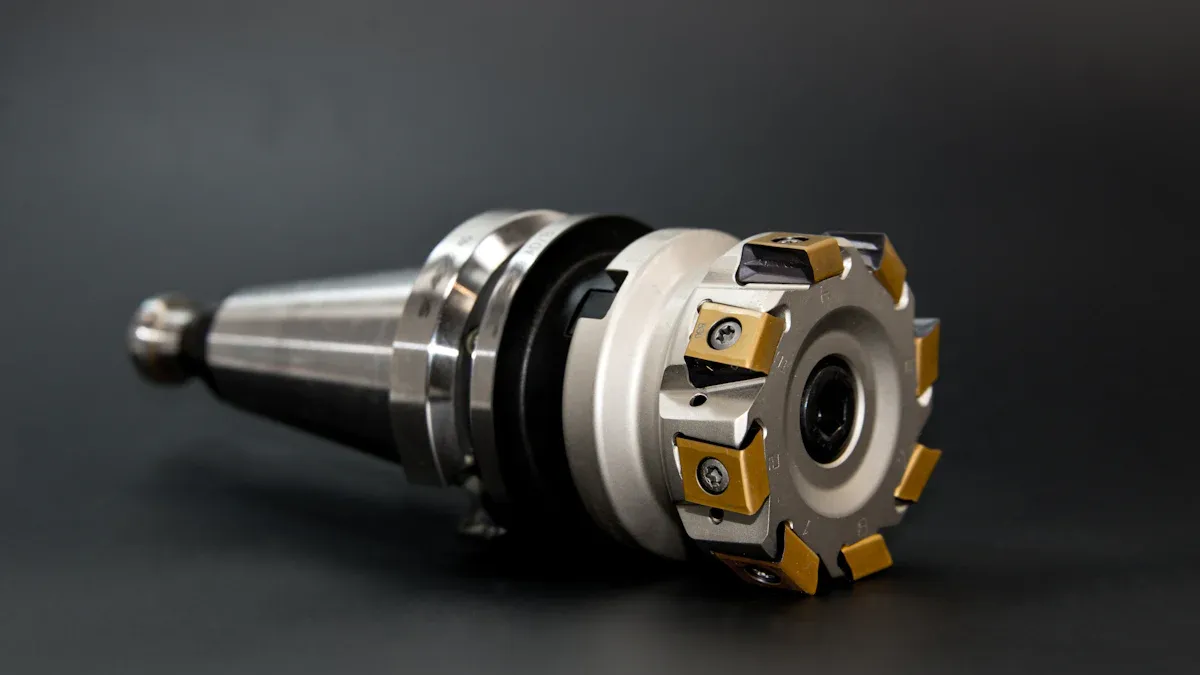
Fabrication de précision consiste à fabriquer des pièces très précises. Il utilise des outils spéciaux pour découper les matériaux supplémentaires. Les produits finis doivent répondre à des règles strictes. De nombreux domaines, comme l'aérospatiale et les appareils médicaux, ont besoin de ce type de précision. Ils veulent des résultats de haute qualité. KEMING est différent parce qu'il utilise moulage à la cire perdue et Services d'usinage CNC ensemble. Ils fabriquent ainsi des pièces aux surfaces lisses. Ils peuvent également fabriquer des pièces avec des formes dures.
Aspect | La méthode KEMING | Méthodes traditionnelles |
|---|---|---|
Précision | Pièces très précises | Variable, souvent moins précis |
Finition de la surface | Surfaces lisses | Peut nécessiter une finition supplémentaire |
Adaptabilité | Grande capacité d'adaptation à des conceptions complexes | Adaptation limitée aux formes complexes |
Étapes de la production | Implique le moulage à la cire perdue et la CNC | Souvent plus simple, moins d'étapes |
Le service d'usinage de précision de KEMING offre de bonnes solutions. Il s'adresse aux personnes qui ont besoin de pièces parfaites à chaque fois.
Principaux enseignements
La fabrication de précision permet de produire des pièces très précises. Elle utilise des outils et des méthodes spécifiques.
KEMING utilise à la fois le moulage à la cire perdue et l'usinage CNC. Cela permet d'obtenir des pièces solides avec des surfaces lisses.
Le choix du bon matériau est très important. Il permet aux pièces d'avoir la résistance et la précision nécessaires.
Le contrôle de la qualité vérifie chaque pièce. Il permet de s'assurer que chaque pièce répond à des règles strictes et fonctionne correctement.
De nombreuses industries utilisent ce procédé. Les secteurs de l'aérospatiale, de la médecine et de l'automobile ont besoin de pièces fiables et de haute qualité.
Aperçu des services d'usinage de précision
Qu'est-ce que l'usinage de précision ?
L'usinage de précision permet d'obtenir des pièces métalliques très exactes. Il utilise des machines et des outils spéciaux pour façonner le métal. Ces machines enlèvent de la matière supplémentaire pour obtenir la bonne forme. KEMING est un leader dans ce domaine. Il offre un service qui suit des règles strictes. Son équipe utilise à la fois le moulage à la cire perdue et l'usinage CNC. De cette manière, ils fabriquent des pièces solides avec des surfaces lisses. Ils peuvent également fabriquer des pièces aux formes dures.
L'usinage de précision utilise des machines contrôlées par des ordinateurs. Les machines suivent des étapes précises pour couper, percer et meuler le métal. L'objectif est de fabriquer des pièces qui s'ajustent bien et qui fonctionnent à chaque fois. Les services de KEMING sont utiles dans de nombreux domaines, tels que les voitures, les avions, les outils médicaux et l'électronique. Leur processus permet aux entreprises d'obtenir des pièces très précises et de haute qualité.
Caractéristiques principales de l'usinage de précision
Le service de KEMING est spécial pour plusieurs raisons. Ils utilisent un mélange de moulage à la cire perdue et d'usinage CNC. Tout d'abord, le moulage à la cire perdue donne la forme principale de la pièce. Ensuite, l'usinage CNC ajoute de petits détails et lisse la pièce. Cette méthode permet à KEMING de fabriquer des pièces aux formes dures et aux surfaces agréables.
Le service d'usinage de précision de KEMING utilise ces étapes principales :
Le fraisage CNC découpe les pièces à l'aide d'outils rotatifs.
Le tournage CNC fait tourner la pièce et la coupe.
Le perçage permet de faire des trous dans la pièce.
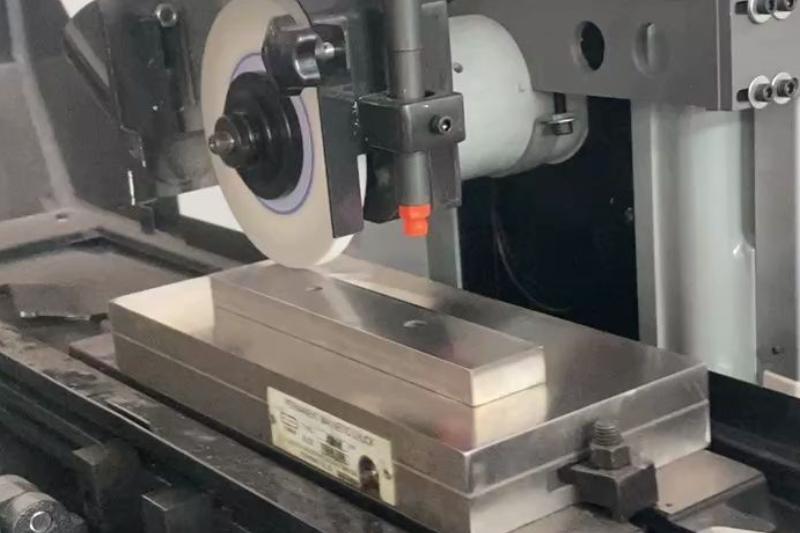
Le meulage rend la surface lisse.
Le service de KEMING est flexible. L'équipe peut fabriquer une seule pièce ou plusieurs pièces. Ses machines travaillent avec de nombreux métaux et alliages. L'entreprise se soucie d'être exacte, de fabriquer de bonnes pièces et de satisfaire ses clients. Les travailleurs qualifiés et les bonnes machines de KEMING donnent d'excellents résultats à chaque fois.
Fonctionnalité | Bénéfice |
|---|---|
Processus hybride | Utilise à la fois le moulage et l'usinage |
Tolérances serrées | S'assure que les pièces s'adaptent et fonctionnent correctement |
Qualité de la surface | Permet d'obtenir des surfaces lisses et propres |
Polyvalence | Fonctionne pour de nombreux domaines et matériaux |
Etapes du processus d'usinage de précision
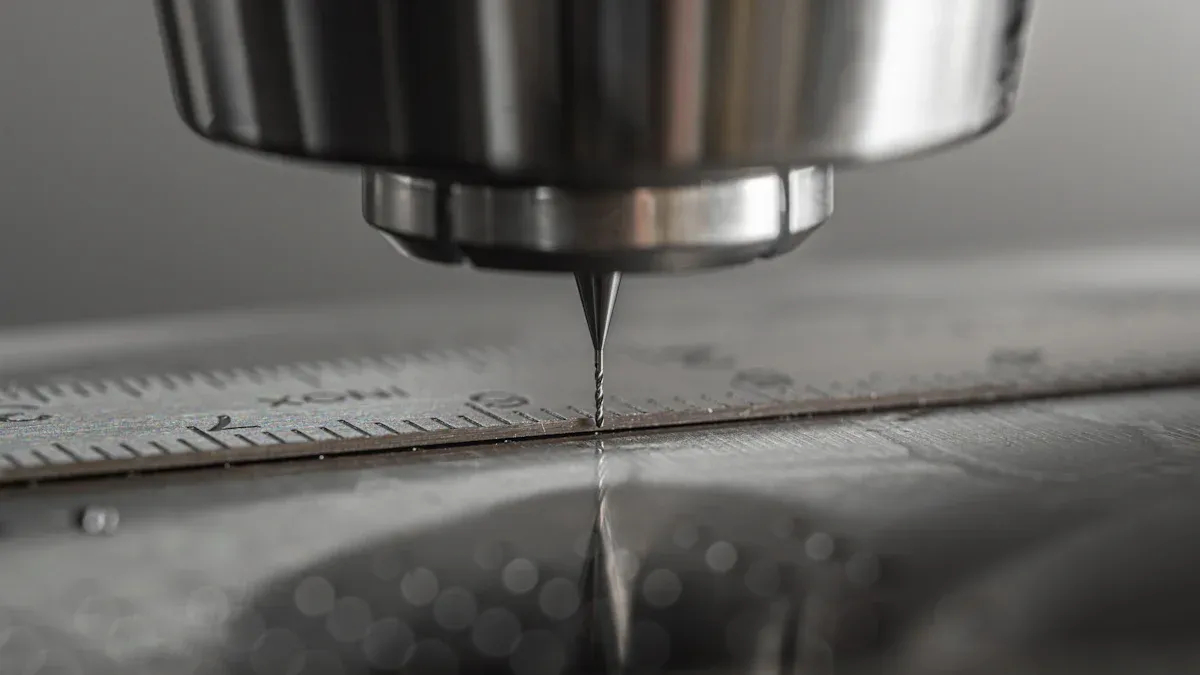
L'usinage de précision comporte de nombreuses étapes. Chaque étape contribue à rendre les pièces très précises. KEMING utilise une méthode spéciale qui combine le moulage à la cire perdue et l'usinage à commande numérique. Cela leur permet de fabriquer des formes dures avec des surfaces lisses. Les pièces fonctionnent bien et durent longtemps.
Conception et ingénierie
La première étape est la conception et l'ingénierie. Les ingénieurs utilisent des logiciels de CAO pour dessiner des modèles en 2D et en 3D. Ces modèles montrent tous les détails et toutes les dimensions. Le logiciel de FAO transforme ces modèles en instructions pour la machine. À ce stade, l'équipe réfléchit à de nombreux aspects :
Ils choisissent le matériau, comme l'aluminium ou l'acier inoxydable, qui convient à la fonction de la pièce.
Ils vérifient la tolérance et l'état de surface dont la pièce a besoin.
Ils veillent à ce que la pièce soit facile à fabriquer et solide.
Ils prévoient des étapes supplémentaires, comme l'ébavurage ou le revêtement.
Ils choisissent un bon partenaire pour faire la part des choses.
Type de logiciel | Description |
|---|---|
CAD | Réalise des dessins et des modèles détaillés. |
CAM | Transforme les conceptions en étapes de la machine. |
PDM | Il assure le suivi des données et des travaux relatifs aux produits. |
ERP | Aide les entreprises à mieux fonctionner. |
Les ingénieurs fixent dès à présent des règles pour l'usinage de précision. Ces règles permettent au reste du processus de rester exact.
Sélection des matériaux
Il est important de choisir le bon matériau. L'équipe s'intéresse à la solidité, à la résistance et au coût du matériau. Elle vérifie également si le matériau est respectueux de l'environnement. Elle vérifie si le matériau peut être bien coupé et s'il respecte les tolérances. Les matériaux les plus courants sont le titane, l'aluminium, l'Inconel, l'acier inoxydable et les aciers alliés spéciaux. Ils sont utilisés pour les avions, les outils médicaux et les voitures.
Matériau | Application |
|---|---|
Inconel | Utilisé pour les parties fortes et importantes |
Acier inoxydable | Utilisé dans de nombreuses parties différentes |
Titane 6Al-4V | Léger et solide pour les avions |
Aciers alliés 9310, 8620, 6150 | Utilisé pour les pièces solides |
Cronidur | Utilisé pour les travaux à haute performance |
La façon dont ils usinent la pièce dépend du matériau. Le bon matériau permet d'obtenir la bonne forme et le bon état de surface.
Fondation pour la fonte des investissements
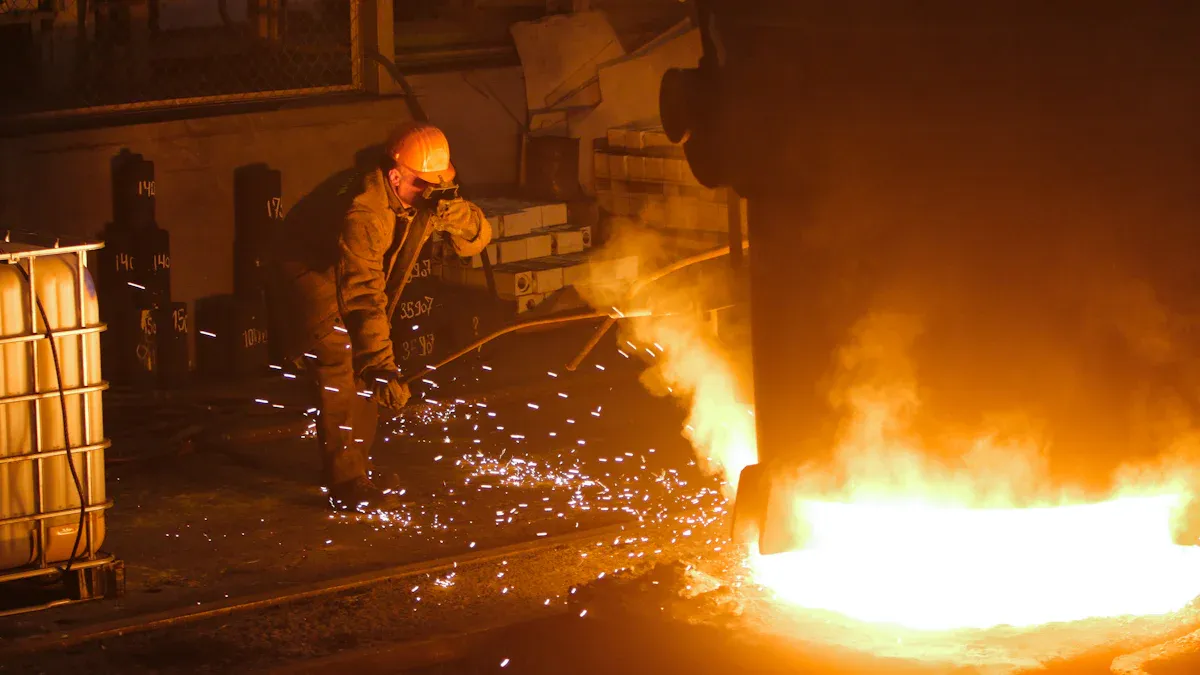
Le moulage à la cire perdue permet d'obtenir la forme principale de la pièce. Tout d'abord, des modèles en cire sont réalisés. Ceux-ci sont recouverts de céramique pour former une coquille. La coquille est cuite et la cire fond. Le métal chaud est coulé pour fabriquer la pièce. La coquille est cassée et la pièce est nettoyée.
Le moulage à la cire perdue utilise des modèles et des contrôles minutieux. Cela permet d'obtenir des surfaces lisses et des tolérances serrées, parfois de l'ordre de ±0,005 pouce.
Méthode | Plage de tolérance |
|---|---|
Moulage à la cire perdue | ±0,005 pouces |
Moulage en sable | Pas aussi exact |
L'usinage de précision commence souvent après le moulage à la cire perdue. Cette étape leur permet de réaliser des formes dures et de se préparer à d'autres travaux.
Usinage et finition CNC
Après le moulage, l'usinage CNC améliore la pièce. Les machines telles que les fraiseuses, les tours et les meuleuses enlèvent la matière supplémentaire. Le tournage CNC façonne les pièces rondes. Le perçage permet de réaliser des trous. La rectification rend les surfaces lisses. L'usinage par décharge électrique façonne les petits détails.
Technique | Description |
|---|---|
Tournage | Coupe la matière d'une pièce en rotation. |
Forage | Fait des trous dans la pièce. |
Broyage | Rend la surface lisse. |
Usinage par décharge électrique | Façonne le métal à l'aide d'étincelles électriques. |
Sciage | Découpe des formes grossières dans le matériau. |
Finition | Polit et prépare les pièces à l'utilisation. |
La finition de la surface peut être différente. L'usinage lisse permet d'obtenir une rugosité de 1,6 Ra μm. Le brossage et l'électropolissage permettent d'obtenir une rugosité de 0,8 Ra μm. Ces étapes permettent de s'assurer que les pièces ont un bel aspect et qu'elles s'adaptent aux autres pièces.
Des règles d'usinage de précision guident chaque étape. L'équipe choisit la meilleure méthode pour chaque pièce.
Inspection et contrôle de la qualité
La vérification et le contrôle de la qualité sont les dernières étapes. L'équipe vérifie que chaque pièce répond à des règles strictes. Elle utilise des capteurs pour surveiller la température et l'humidité. Des outils mesurent la forme et la taille de la pièce. Des outils visuels détectent les petits problèmes. D'autres outils vérifient la composition du métal. Les outils d'essai d'ajustement s'assurent que les pièces s'assemblent bien. Les essais non destructifs, comme les ultrasons et les rayons X, permettent de détecter les problèmes cachés.
Méthode d'inspection | Description |
|---|---|
Capteurs de température et d'humidité | Veillez à ce que l'air soit de bonne qualité. |
Dimensionnement et tolérancement géométriques | Mesurer les formes et les tailles. |
Outils d'inspection visuelle | Trouver des problèmes de surface. |
Équipement d'analyse des matériaux | Vérifiez la composition du matériau. |
Outils d'assemblage et d'essai d'ajustement | S'assurer que les pièces s'adaptent et fonctionnent. |
Méthodes de contrôle non destructif | Trouver les problèmes intérieurs en toute sécurité. |
L'usinage de précision a besoin de ces contrôles pour rester exact et bon. Les tolérances peuvent être de l'ordre de ±0,005 pouce. Certains travaux nécessitent des limites encore plus strictes.
Chaque étape du processus de KEMING, de la conception au contrôle, permet de fabriquer des pièces très précises et de forme dure. L'utilisation du moulage à la cire perdue et de l'usinage CNC permet de s'assurer que chaque pièce est précise, lisse et qu'elle fonctionne bien.
Technologies et matériaux dans l'usinage de précision

Fraisage et tournage CNC
KEMING utilise des machines CNC avancées pour fabriquer des pièces très précises. Le fraisage et le tournage CNC sont deux méthodes principales pour façonner le métal. Le fraisage CNC utilise des outils rotatifs pour découper le métal en formes. Il convient aux pièces comportant de nombreux côtés et détails. Le tournage CNC fait tourner la pièce et la coupe pour obtenir des formes rondes. Cette méthode convient parfaitement à la fabrication d'arbres, de douilles et de pièces filetées.
Fonctionnalité | Fraisage CNC | Tournage CNC |
|---|---|---|
Application | Formes et détails complexes | Pièces cylindriques et finitions lisses |
Précision | Grande précision sur de nombreuses surfaces | Haute précision pour les éléments ronds |
Efficacité | Polyvalence pour de nombreux types de pièces | Rapide pour les pièces cylindriques personnalisées |
Les machines CNC de KEMING peuvent faire du fraisage 5 axes et du tournage multi-axes. Ces machines fabriquent des pièces avec des tolérances serrées, de l'ordre de ±0.0002 pouces. Elles aident à fabriquer des pièces pour les voitures, les avions et les appareils médicaux.
Meulage, perçage et électroérosion
Le meulage, le perçage et l'électroérosion sont également importants pour la fabrication des pièces. La rectification permet de rendre les surfaces très lisses et d'enlever de minuscules morceaux de métal. Le perçage permet de faire des trous au bon endroit. L'électroérosion utilise des étincelles électriques pour couper le métal sans le toucher. Cette méthode permet de réaliser des formes très détaillées et des angles vifs. L'électroérosion peut atteindre des tolérances aussi étroites que ±0,0001 pouce. Elle fonctionne bien pour les métaux durs et les conceptions délicates.
L'électroérosion donne une belle finition de surface et peut découper des pièces épaisses jusqu'à 20 pouces. Elle permet de fabriquer des pièces aux parois fines et aux petits coins intérieurs.
Ces méthodes permettent à KEMING d'assurer l'exactitude de chaque pièce et de réduire les erreurs.
Matériaux utilisés
L'usinage de précision fonctionne avec de nombreux métaux et alliages. KEMING utilise l'aluminium, l'acier inoxydable, le titane et les alliages à haute teneur en nickel. L'aluminium est facile à façonner et ne coûte pas cher. L'acier inoxydable et le titane sont solides et ne rouillent pas. Les alliages à haute teneur en nickel comme l'Inconel et le Monel sont adaptés aux travaux difficiles. Les autres matériaux sont les aciers à outils, le laiton, le cuivre, le bronze et le cuivre au béryllium.
Matériaux courants pour l'usinage de précision :
Alliages d'aluminium
Acier inoxydable (304, 316, 17-4 PH)
Titane (grades 1 et 4)
Alliages à haute teneur en nickel (Inconel, Monel, Hastelloy)
Aciers à outils (D2, H12)
Laiton, cuivre, bronze, cuivre au béryllium
Les machines CNC de KEMING permettent de choisir le meilleur matériau pour chaque tâche. Cela permet de fabriquer des pièces solides, légères et très précises.
Applications et avantages
Applications industrielles du service d'usinage de précision
L'usinage de précision est important dans de nombreux secteurs. Les entreprises l'utilisent pour fabriquer des pièces très précises et lisses. Les entreprises aérospatiales en ont besoin pour les trains d'atterrissage et les pièces de moteur. Elles l'utilisent également pour les panneaux de carburant. Les fabricants d'appareils médicaux l'utilisent pour fabriquer des outils solides et sûrs. Ils en ont besoin pour les implants et les pièces des appareils d'IRM. Les constructeurs automobiles l'utilisent pour les pièces de moteur qui doivent être sûres. Les entreprises d'électronique l'utilisent pour les boîtiers et les cartes de circuits imprimés. L'armée et la défense en ont besoin pour les pièces de véhicules et d'équipements. Les usines et les robots utilisent également ce procédé.
Composants aérospatiaux
Dispositifs médicaux et implants
Pièces de moteur automobile
Boîtiers électroniques
Défense et équipements militaires
Robotique et automatisation
Machines et outils industriels
Avantages du service d'usinage de précision
L'usinage de précision offre de nombreux avantages aux fabricants. Il permet d'obtenir des pièces très précises, ce qui réduit le nombre d'erreurs. Cela permet aux produits de mieux fonctionner et d'économiser de l'argent. L'usinage CNC permet de fabriquer des pièces rapidement tout en conservant la même qualité. Il permet de fabriquer de nombreuses pièces à la fois. Les entreprises peuvent choisir parmi de nombreux matériaux pour chaque travail. La finition lisse signifie que moins de travail supplémentaire est nécessaire. Le processus accélère la production et réduit le nombre d'erreurs commises par les personnes. Il permet également de fabriquer des pièces aux formes difficiles, ce que les anciennes méthodes ne permettent pas de faire. Il permet d'économiser de l'argent car il y a moins de déchets et moins de travail manuel.
Bénéfice | Description |
|---|---|
Vitesse et précision | Production rapide avec une qualité constante |
Tolérances élevées | Répond à des spécifications strictes dans les industries critiques |
Polyvalence des matériaux | Fonctionne avec de nombreux matériaux pour des résultats optimaux |
Finition de surface supérieure | Permet d'obtenir d'excellentes finitions, en réduisant les étapes supplémentaires |
Efficacité et cohérence | Rationalisation de la production et amélioration de la fiabilité |
Complexité accrue | Permet de réaliser des dessins complexes |
Rapport coût-efficacité | Économiser de l'argent en réduisant les déchets et le travail manuel |
Personnalisation et évolutivité des services d'usinage de précision
L'usinage de précision est particulier parce qu'il peut évoluer et se développer. KEMING peut fabriquer une pièce ou des milliers de pièces. L'usinage CNC permet de passer facilement des essais aux gros travaux. La fabrication de pièces d'essai permet de réduire les déchets et d'améliorer la qualité. Les entreprises peuvent modifier rapidement leurs conceptions. Cela les aide à créer de nouvelles choses et à rester rapides. Elles peuvent ainsi offrir à leurs clients ce qu'ils veulent et rester à la pointe du progrès.
Le service d'usinage de précision de KEMING fonctionne pour les petits ou les grands travaux. Il fournit toujours des pièces exactes et fiables.
Défis et assurance qualité
Défis communs
La fabrication de précision présente certains problèmes qui peuvent nuire à la précision et à la qualité. Chaque étape doit suivre des règles strictes. Des matériaux comme le titane et l'acier inoxydable agissent différemment. Ces différences peuvent modifier la façon dont les outils coupent le matériau. Les outils s'usent lorsque les machines fonctionnent pendant une longue période. Les vieux outils peuvent commettre des erreurs et réduire la précision. Les machines doivent être bien alignées pour éviter les erreurs. Lorsque les machines chauffent, les pièces peuvent se déformer ou changer de forme. La fabrication de pièces aux formes dures est difficile et nécessite un travail minutieux.
Défi | Description | Solution |
|---|---|---|
Questions matérielles | Les différents matériaux ont des propriétés uniques qui influencent le processus d'usinage. | Sélectionner les outils et les paramètres de coupe appropriés ; maintenir les outils affûtés et utiliser des revêtements avancés. |
Usure des outils | L'utilisation continue entraîne l'usure de l'outil, ce qui provoque des imprécisions et des défauts. | Surveillance et entretien réguliers ; utilisation de systèmes de détection automatisés ; investissement dans des outils durables. |
Etalonnage et maintenance des machines | Un mauvais alignement et des pièces usées peuvent entraîner des écarts de précision. | Étalonnage et entretien constants ; contrôles de routine et mise à niveau vers des technologies plus récentes. |
Production de chaleur | Une chaleur excessive peut provoquer des distorsions thermiques, entraînant des imprécisions. | Utiliser des techniques de refroidissement avancées ; sélectionner des matériaux résistants à la chaleur ; modifier les paramètres du processus. |
Géométries complexes | Les formes complexes augmentent la probabilité d'erreurs lors de l'usinage. | Utiliser des machines CNC de pointe ; utiliser des logiciels de simulation pour visualiser les défis avant la production. |
KEMING résout ces problèmes grâce à de nouvelles technologies et à des travailleurs qualifiés. Leur équipe vérifie chaque étape afin de maintenir une précision élevée et d'éviter les erreurs.
Mesures de contrôle de la qualité
Les contrôles de qualité sont très importants dans la fabrication de précision. KEMING utilise en permanence des étapes d'inspection rigoureuses. L'équipe examine les matières premières et les pièces finies à la recherche de problèmes. Elle note les détails pour trouver et résoudre rapidement les problèmes. Les machines sont contrôlées selon un calendrier établi pour rester précises. KEMING respecte des règles importantes telles que la norme ISO 9001.
Des contrôles et des étapes ont lieu tout au long du processus.
Des outils de mesure avancés permettent d'obtenir des résultats précis.
Les contrôles en temps réel permettent de détecter rapidement les erreurs.
Des systèmes spéciaux surveillent le processus pour maintenir la qualité. Ces systèmes vérifient les machines pendant qu'elles travaillent. Ils détectent rapidement les erreurs et aident à maintenir les pièces à une taille proche de la bonne. L'accent mis par KEMING sur la qualité rend les clients heureux et donne de bons résultats.
KEMING s'efforce d'être précis et attentif afin que chaque pièce réponde aux normes de fabrication les plus élevées.
La fabrication de précision comporte de nombreuses étapes importantes. Celles-ci comprennent la conception, le choix des matériaux, le moulage à la cire perdue et l'usinage CNC. La méthode KEMING permet de fabriquer des pièces solides pour des travaux nécessitant une grande précision. Ce processus présente de nombreux avantages :
Les tolérances serrées facilitent les utilisations importantes.
Moins de déchets, c'est mieux pour l'environnement.
Les pièces sont toujours fabriquées de la bonne manière pour de bons produits.
L'automatisation permet d'accélérer les choses.
Il permet d'économiser de l'argent au fil du temps.
KEMING se distingue par ses solutions nouvelles et flexibles. La fabrication de précision permet d'obtenir des pièces exactes qui répondent toujours à des règles strictes.
FAQ
Que fait un machiniste de précision ?
Un machiniste de précision fabrique des pièces métalliques très précises. Il utilise des machines telles que des fraiseuses et des tours à commande numérique. Il suit des plans minutieux pour façonner le métal. Son travail aide les entreprises à obtenir des pièces qui s'adaptent et fonctionnent correctement.
Pourquoi le moulage à la cire perdue est-il important pour l'usinage de précision ?
Le moulage à la cire perdue permet d'obtenir la forme principale d'une pièce. Il permet d'obtenir des surfaces lisses et des tolérances serrées. Cette étape permet aux machinistes de réaliser des formes dures que d'autres méthodes ne permettent pas d'obtenir.
Comment l'usinage CNC améliore-t-il la qualité des pièces ?
L'usinage CNC utilise des ordinateurs pour couper et façonner le métal. Il permet de conserver des tailles exactes et de réduire les erreurs. Ce processus rend les pièces lisses et les aide à bien s'emboîter.
Quelles sont les industries qui utilisent les services d'usinage de précision ?
Les secteurs de l'aérospatiale, de l'automobile, de la médecine et de l'électronique ont tous recours à l'usinage de précision. Ils ont besoin de pièces solides, sûres et très précises. Ces services aident les entreprises à fabriquer des produits de pointe.
L'usinage de précision peut-il prendre en charge des conceptions personnalisées ?
L'usinage de précision permet de fabriquer des pièces sur mesure pour de nombreux travaux. Les machinistes changent les machines pour des formes et des tailles différentes. Cela permet aux entreprises d'essayer de nouvelles idées et de fabriquer rapidement de nouveaux produits.