FR
FR  EN
EN  DE
DE  ES
ES  PT
PT  RU
RU 
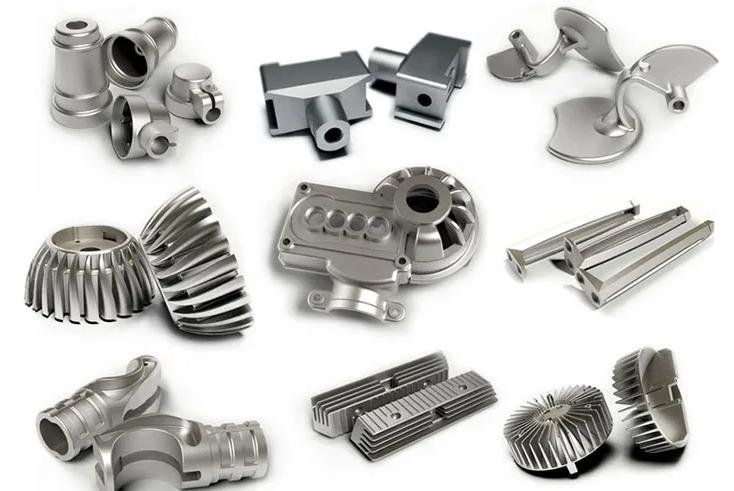
Chaque étape de la fonte à la cire perdue repose sur des matériaux soigneusement sélectionnés. La cire est le principal matériau utilisé dans la fonte à la cire perdue pour créer le modèle ; des matériaux d'enrobage spécialisés sont utilisés pour former le moule. Le produit final est fabriqué à partir de métal ou d'alliage, qui sont également des matériaux importants pour la fonte à la cire perdue. Choisir le bon matériaux de coulée à la cire perdue est cruciale pour obtenir des pièces de haute qualité et de grande précision.
Principaux enseignements
- Le moulage à la cire perdue utilise de la cire pour créer le modèle et des matériaux d'enrobage pour créer le moule. Le produit final est fabriqué en métal. La cire microcristalline est la mieux adaptée aux dessins complexes car elle fond proprement et préserve bien les détails. Les moules en céramique sont très importants ; ils permettent de mettre en valeur les détails et résistent aux températures élevées du processus de moulage. Le choix du bon métal est crucial car il influe sur la solidité et la résistance de la pièce finale. Cela modifie également l'utilisation prévue de la pièce. KEMING utilise de nouvelles méthodes et de nouveaux matériaux, ce qui lui permet d'obtenir d'excellents résultats dans la fonte à la cire perdue.
Matériaux de cire utilisés pour la fonte à la cire perdue
Cire microcristalline
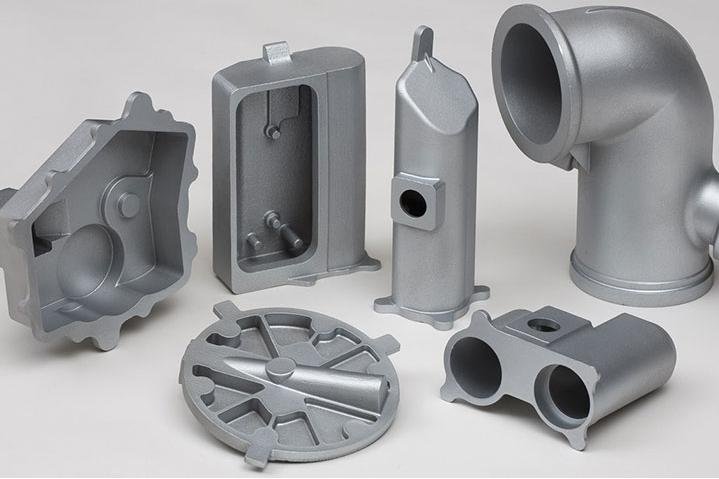
La cire microcristalline est un matériau dans la fonte à la cire perdue. Il a un point de fusion bas et est facile à façonner. Les artistes et les ingénieurs peuvent la sculpter ou la placer dans des moules. Cette cire conserve les détails et fond très facilement. Le moulage final est presque identique au modèle. Elle a une bonne flexibilité et conserve bien sa forme pendant le moulage. Cela permet de créer des pièces de haute qualité. KEMING utilise de la cire microcristalline de qualité supérieure pour un moulage précis.
Cire de paraffine et alternatives
La cire de paraffine est également utilisée dans la fonte à la cire perdue. Elle est moins chère que la cire microcristalline. Toutefois, elle est plus susceptible de se fissurer et son point de fusion est plus bas. La cire de paraffine ne convient pas pour les motifs petits ou complexes. Elle a tendance à se fissurer ou à se déformer. La cire microcristalline est plus solide et a un point de fusion plus élevé, ce qui la rend plus adaptée à la création de détails fins. Certaines personnes utilisent la cire de paraffine pour créer des formes simples ou par souci d'économie. KEMING sélectionne toujours la meilleure cire pour chaque projet afin d'obtenir les meilleurs résultats.
Autres matériaux de modélisation (suif, résine, textile)
Outre le beurre, d'autres matériaux peuvent être utilisés pour les modèles de fonte à la cire perdue. Certains de ces matériaux présentent des avantages particuliers. Le tableau ci-dessous énumère les matériaux couramment utilisés et leur utilisation :
| Matériau | Avantages | Inconvénients |
|---|---|---|
| Cire pour coureur | Facile à découper et à façonner ; maintient le système de fermeture fermé | Aucun problème répertorié |
| Cire soluble dans l'eau | Bon pour les formes intérieures délicates ; poids léger | Coût plus élevé ; n'aime pas l'air humide |
| Résine coulable | Rapide pour tester les idées ; efficace pour les conceptions difficiles | Aucun problème répertorié |
Ces matériaux aident les fonderies à créer des formes spéciales et à résoudre des problèmes difficiles. Comming utilise de nouveaux matériaux pour répondre aux besoins des clients et garantir des résultats finaux précis.
Matériaux pour moules de coulée à déchets perdus
Coquille en céramique (Kaolin, silicate de sodium)
Les moules à coquille en céramique sont essentiels pour le moulage à déchets perdus. Ces moules sont fabriqués à partir de kaolin et de silicate de sodium. Les ouvriers les mélangent à de l'eau pour obtenir un liquide épais. Le modèle en cire est ensuite immergé à plusieurs reprises dans ce liquide. Après chaque immersion, le moule sèche et se renforce. Le moule doit pouvoir résister à des températures élevées sans se fissurer. Il reproduit également les détails fins du modèle en cire, ce qui permet d'obtenir des pièces aux côtés lisses et aux arêtes vives.
Le tableau ci-dessous indique la composition du matériau de moulage de la coquille en céramique :
| Type de composant | Description | Propriétés principales |
|---|---|---|
| Matériaux réfractaires | Rendre la coquille solide et capable de supporter la chaleur | Reste stable à la chaleur, rétrécit peu, conserve les détails, finition lisse. |
| Reliures | Maintenir la poudre ensemble dans le liquide | Rend la coquille résistante, l'aide à sécher, fonctionne bien avec d'autres pièces. |
| Matériel supplémentaire | Aide à l'enlèvement de la cire et au mélange | Faciliter le processus de casting |
KEMING utilise des moules en céramique standardisés au niveau international. Leur équipe sélectionne les matériaux optimaux pour le moulage à la cire perdue afin d'obtenir des résultats de moulage idéaux.
Plâtre réfractaire
Le plâtre réfractaire est également utilisé pour fabriquer des moules. Il contient de la silice, de l'alumine ou du zircon. Les ouvriers le mélangent à de l'eau et le versent ensuite sur le modèle en cire. Le plâtre durcit et forme un moule. Il peut résister à des températures élevées et conserve sa solidité une fois le métal coulé. Il convient aussi bien aux formes simples qu'aux formes complexes. De nombreuses entreprises utilisent le plâtre réfractaire parce qu'il est facile à travailler et qu'il donne de bons résultats.
Propriétés des matériaux d'investissement
Les matériaux incorporés doivent posséder des propriétés particulières pour la coulée à la cire perdue. Ils doivent pouvoir résister à des températures supérieures à 1000°C. Le retrait pendant la cuisson ne doit pas être excessif afin de garantir la précision dimensionnelle des pièces. Le matériau incorporé doit être capable de reproduire des détails subtils et de produire différents effets de surface. La silice, le zircon, l'alumine et la chromite sont des choix courants. Chaque matériau convient à des métaux et à des applications spécifiques.
| Propriétés principales | Description |
|---|---|
| Haute stabilité thermique | Gère la chaleur à plus de 1000°C |
| Rétrécissement contrôlé | Maintient les pièces à la bonne taille |
| Capacité à capturer les détails les plus fins | Nécessaire pour les petits dessins |
| Options de finition de surface | Peut être lisse ou rugueux |
KEMING adhère constamment aux normes internationalement reconnues pour les matériaux de moulage à la cire perdue et les matériaux de moulage en céramique. Ses méthodes de travail rigoureuses garantissent que chaque moulage est précis et entièrement conforme à toutes les spécifications.
Moulage à la cire perdue de métaux et d'alliages
Acier inoxydable, acier au carbone, fer
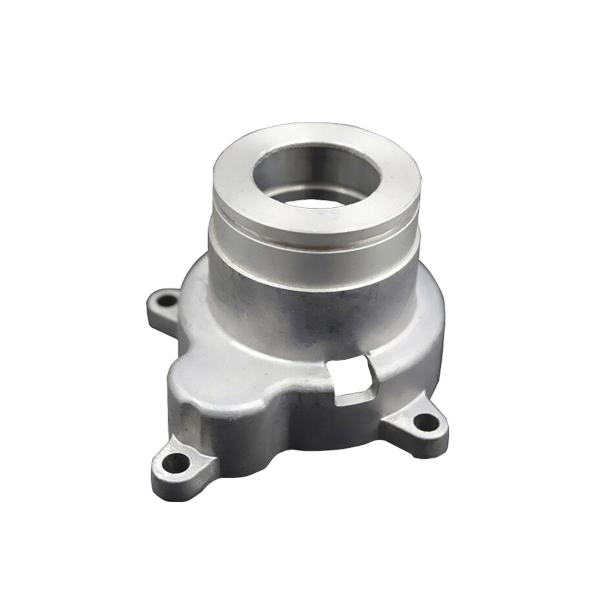
De nombreuses entreprises utilisent l'acier inoxydable, l'acier au carbone et le fer pour le moulage à la cire perdue. L'acier inoxydable contient du chrome, du nickel et du molybdène, des éléments qui lui confèrent une grande solidité et une résistance à la rouille. Il existe de nombreuses variétés d'acier au carbone. L'acier à faible teneur en carbone est facile à plier et à souder. L'acier à haute teneur en carbone est résistant et durable. Le fer est solide et a une longue durée de vie. Comming utilise ces métaux pour fabriquer des pièces pour les automobiles, les trains, la construction, l'exploitation minière et les navires.
| Matériau | Propriétés principales |
|---|---|
| Acier inoxydable | Contient du chrome, du nickel et du molybdène, qui l'aident à lutter contre la chaleur et la rouille. |
| Acier au carbone | Peu coûteux, il existe en de nombreux types et peut être rendu plus souple ou plus dur à l'aide de la chaleur. |
| Le fer | Solide, durable et très utilisé dans l'ingénierie. |
L'acier inoxydable est utilisé dans les navires et les usines de transformation des aliments. Il ne rouille pas et est sûr. L'acier au carbone est utilisé pour les freins, les accouplements et les pièces automobiles. Le fer est utilisé dans les machines et les équipements lourds.
Cobalt, Nickel, Bronze, Laiton
La fonte à la cire perdue utilise également le cobalt, le nickel, le bronze et le laiton. Chacun de ces métaux a des utilisations spécifiques. Le cobalt est très solide et résistant à l'usure, ce qui le rend approprié pour les appareils médicaux et les pièces d'avion. Le nickel est solide et ne rouille pas, ce qui permet de l'utiliser dans les moteurs à réaction et les machines chimiques. Le bronze ne rouille pas et est facile à façonner, ce qui permet de l'utiliser pour les engrenages, les bagues et les objets d'art. Le laiton a un éclat brillant et une texture douce, ce qui permet de l'utiliser pour les tuyaux, les valves et les instruments de musique.
| Matériau | Propriétés | Applications |
|---|---|---|
| Bronze | Ne rouille pas, se porte bien et est facile à façonner. | Utilisé pour les engrenages, les bagues et l'art. |
| Laiton | Doux, brillant et facile à modeler. | Utilisé pour les tuyaux, les valves, les outils musicaux et les décorations. |
| Cobalt | Très résistant, il ne s'use pas et est sans danger pour le corps. | Utilisé pour les pièces médicales et les avions. |
| Nickel | Solide, ne rouille pas et supporte la chaleur. | Utilisé dans les moteurs à réaction, les machines chimiques et les outils médicaux. |
Lorsqu'un projet nécessite des matériaux spéciaux, Comming sélectionne ces métaux.
Métaux précieux et autres alliages
Le procédé de fonte à la cire perdue permet d'utiliser l'or, l'argent, le platine et d'autres alliages spéciaux. L'or, l'argent et le platine sont couramment utilisés dans la bijouterie, l'art et les composants électroniques. Les alliages spéciaux sont utilisés dans la production industrielle. Ces alliages sont choisis en raison de leurs propriétés uniques.
| Matériau | Applications |
|---|---|
| Métaux précieux | Utilisé pour la bijouterie, l'art et les pièces électriques spéciales |
| Alliages spéciaux | Utilisé dans les usines |
Facteurs influençant la sélection des métaux
Le choix du bon métal dépend de nombreux facteurs. Le tableau ci-dessous en énumère les principaux :
| Facteur | Description |
|---|---|
| Propriétés mécaniques | Montre la résistance et la flexibilité du métal. |
| Résistance à la corrosion | Nécessaire pour que le métal dure et fonctionne bien. |
| Propriétés thermiques | Indique comment le métal se comporte lorsqu'il est chaud. |
| Fabrication | Cela montre à quel point il est facile de façonner le métal. |
| Environnement de l'application | Permet de choisir le métal en fonction de l'utilisation qui en sera faite. |
KEMING respecte les normes internationales telles que ASTM, DIN, JIS et AAR. Son équipe examine les exigences du projet et sélectionne les meilleurs matériaux métalliques. Ils veillent à ce que chaque pièce soit de qualité supérieure et offre des performances exceptionnelles.
Conseil : Choisissez toujours le bon métal en fonction de l'endroit où il sera utilisé. Cela permet à la pièce de durer plus longtemps et de mieux fonctionner.
Matériaux spéciaux et variantes
Verre et pièces coulées non métalliques
La fonte à la cire perdue n'est pas réservée aux métaux. Les artistes et les ingénieurs l'utilisent également pour couler le verre et d'autres matériaux. Comme le moulage des métaux, le moulage du verre commence par la création d'un modèle en cire. Les ouvriers recouvrent le modèle de cire d'un matériau d'enrobage solide. Le modèle en cire est ensuite retiré et le verre en fusion est coulé dans un moule. Cette méthode permet de produire des objets d'art, des sculptures et des instruments scientifiques en verre d'une grande finesse.
D'autres matériaux comprennent les céramiques et les composites avancés. Certaines fonderies utilisent des résines ou des plastiques spéciaux pour créer des projets uniques. Ces matériaux permettent de créer des pièces ou des composants légers avec des couleurs et des textures uniques. Le moulage à la cire perdue permet aux concepteurs d'expérimenter de nouvelles idées et de nouvelles formes.
Matériaux et techniques expérimentaux
Les procédés modernes de moulage à la cire perdue utilisent de nouveaux matériaux et de nouvelles méthodes pour produire des pièces plus résistantes, plus légères et plus détaillées. Parmi les avancées récentes, on peut citer
- Les formulations céramiques avancées rendent les moules plus résistants et plus stables.
- Les alliages à haute performance sont utilisés pour les pièces d'avions, d'automobiles et d'appareils médicaux.
- Les adhésifs écologiques à base d'eau réduisent les émissions nocives.
- Les modèles de cire imprimés en 3D utilisent des résines spéciales qui permettent des conceptions plus rapides et plus légères.
- Les coques nanocomposites améliorent la résistance aux chocs thermiques.
| Type d'innovation | Description | Avantages |
|---|---|---|
| Motifs de cire imprimés en 3D | Les résines SLA comme Accura CastPro permettent de créer des modèles en cire. | Réduit le délai d'exécution de 70%, fabrique des pièces plus légères. |
| Coquilles nanocomposites | Nanocomposites zircone-alumine pour coques céramiques. | Augmente la résistance aux chocs thermiques de 40%. |
| Reliures écologiques | Liants à base d'eau pour la fabrication de moules. | Réduit les émissions de COV de 80%. |
Les matériaux spéciaux ou sur mesure offrent de nombreux avantages. Les procédés de moulage permettent de créer des formes complexes pour répondre à des besoins uniques. Ce procédé est particulièrement adapté à la production de petites séries et permet de réduire efficacement les déchets. Toutefois, de tels projets nécessitent des travailleurs qualifiés et un équipement spécialisé. Les conceptions de grande taille ou très complexes peuvent nécessiter des étapes supplémentaires. En outre, des règles de sécurité et de protection de l'environnement doivent être respectées.
KEMING possède la technologie et les outils nécessaires pour le moulage sur mesure et expérimental. Son équipe aide les clients à sélectionner les meilleurs matériaux et procédés pour chaque projet. Cela permet d'obtenir des résultats de haute qualité, même pour des conceptions complexes.
Le moulage à la cire perdue nécessite de la cire, des moules et des matériaux métalliques. Il est essentiel de sélectionner les bons matériaux pour chaque étape afin de créer des pièces solides et précises. Des matériaux de haute qualité et des processus rigoureux permettent de prolonger la durée de vie des pièces et d'en améliorer l'aspect. Comem excelle dans cette tâche grâce à des outils avancés et à un savoir-faire supérieur. Le tableau ci-dessous énumère les facteurs à prendre en compte lors de la sélection des matériaux :
| Critères | Considérations |
|---|---|
| Complexité des pièces | Les moindres détails nécessitent des cires et des moules spéciaux |
| Type de métal | Certains métaux nécessitent des moules différents |
| Finition de la surface | Les pièces lisses nécessitent une meilleure cire et un meilleur moulage |
| Volume de production | La fabrication de nombreuses pièces permet d'utiliser des matériaux moins coûteux |
| Budget | Essayer d'obtenir une bonne qualité pour le prix |
FAQ
Quels sont les principaux avantages de l'utilisation de la cire microcristalline dans la fonte à la cire perdue ?
La cire microcristalline conserve des détails clairs et est moins susceptible de se fissurer. Cette cire permet aux artistes et aux ingénieurs de créer des modèles qui correspondent parfaitement à leur vision. Elle fond proprement et ne laisse aucun résidu dans le moule.
La fonte à la cire perdue peut-elle utiliser d'autres matériaux que le métal ?
Oui, la fonte à la cire perdue permet d'utiliser le verre, la céramique et certains plastiques. Les artistes utilisent cette méthode pour créer des œuvres d'art en verre ou des pièces de céramique spéciales très détaillées.
Comment KEMING s'assure-t-il de la qualité de ses pièces de fonderie ?
KEMING applique un contrôle de qualité très strict. L'équipe teste la dureté et la résistance des pièces moulées et utilise des rayons X pour l'inspection interne. Chaque pièce moulée doit répondre aux normes en vigueur avant de quitter l'usine.
Pourquoi la sélection des matériaux est-elle si importante dans la fonte à la cire perdue ?
Le choix des bons matériaux permet aux moulages d'être solides, détaillés et durables. Une cire, des moules et des métaux de haute qualité permettent de prolonger la durée de vie du moulage et d'en préserver la beauté.