ES
ES  EN
EN  DE
DE  FR
FR  PT
PT  RU
RU 
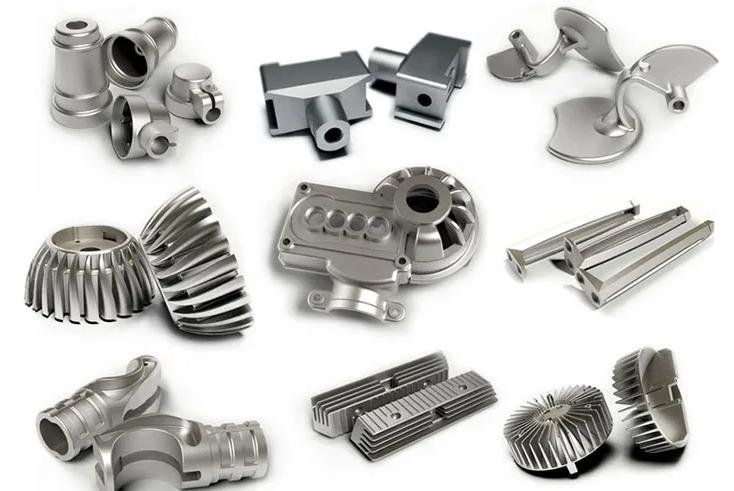
Cada etapa del fundición a la cera perdida se basa en materiales cuidadosamente seleccionados. La cera es el principal material utilizado en la fundición a la cera perdida para crear el modelo; para formar el molde se emplean materiales de incrustación especializados. El producto final está hecho de metal o aleación, que también son materiales importantes en la fundición a la cera perdida. Elegir bien materiales de fundición a la cera perdida es crucial para obtener piezas de alta calidad y precisión.
Principales conclusiones
- La fundición a la cera perdida utiliza cera para crear el modelo y materiales de incrustación para crear el molde. El producto final es de metal. La cera microcristalina es la más adecuada para diseños intrincados porque se funde limpiamente y conserva bien los detalles. Los moldes de cáscara de cerámica son muy importantes; ayudan a mostrar los detalles y soportan las altas temperaturas del proceso de fundición. Elegir el metal adecuado es crucial porque afecta a la resistencia y dureza de la pieza final. Esto también cambia el uso previsto de la pieza. KEMING utiliza nuevos métodos y materiales, lo que le ayuda a conseguir excelentes resultados en la fundición a la cera perdida.
Materiales de cera utilizados en la fundición a la cera perdida
Cera microcristalina
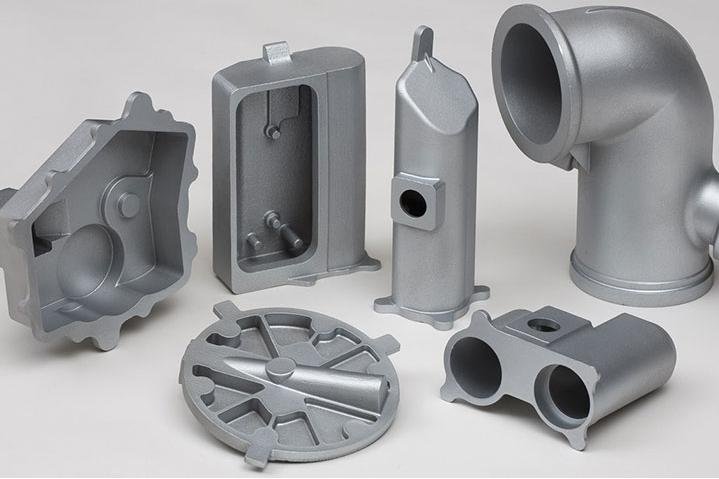
La cera microcristalina es un material de fundición a la cera perdida. Tiene un punto de fusión bajo y es fácil de moldear. Los artistas e ingenieros pueden esculpirla o colocarla en moldes. Esta cera conserva los detalles y se funde muy suavemente. El molde final es casi idéntico al modelo. Tiene buena flexibilidad y mantiene bien su forma durante el vaciado. Esto ayuda a crear piezas de alta calidad. KEMING utiliza cera microcristalina de alta calidad para obtener piezas de fundición precisas.
Cera de parafina y alternativas
La parafina también se utiliza en la fundición a la cera perdida. Es más barata que la cera microcristalina. Sin embargo, es más propensa a agrietarse y tiene un punto de fusión más bajo. La parafina no es adecuada para diseños pequeños o complejos. Es propensa a agrietarse o deformarse. La cera microcristalina es más resistente y tiene un punto de fusión más alto, por lo que es más adecuada para crear detalles finos. Algunas personas utilizan la parafina para crear formas sencillas o para ahorrar costes. KEMING selecciona siempre la mejor cera para cada proyecto, con el fin de obtener los mejores resultados.
Otros materiales de modelado (sebo, resina, textil)
Además de la mantequilla, se pueden utilizar otros materiales para los modelos de fundición a la cera perdida. Algunos de estos materiales presentan ventajas especiales. En la tabla siguiente se enumeran los materiales más utilizados y sus usos:
| Material | Ventajas | Desventajas |
|---|---|---|
| Cera para corredores | Fácil de cortar y moldear; mantiene cerrado el sistema de compuertas | No hay problemas |
| Cera hidrosoluble | Bueno para formas interiores complicadas; ligero de peso | Cuesta más; no le gusta el aire húmedo |
| Resina moldeable | Rápido para probar ideas; funciona para diseños difíciles | No hay problemas |
Estos materiales ayudan a las fundiciones a crear formas especiales y resolver problemas difíciles. Comming utiliza nuevos materiales para satisfacer las necesidades de los clientes y garantizar resultados finales precisos.
Materiales para moldes de colada perdida
Cáscara cerámica (caolín, silicato sódico)
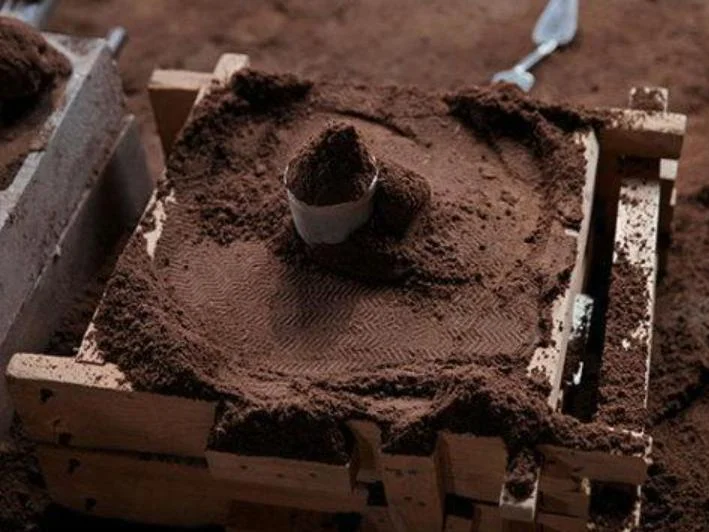
Los moldes de cáscara de cerámica son cruciales en la fundición a perdida. Estos moldes se fabrican con caolín y silicato sódico. Los trabajadores los mezclan con agua para crear un líquido espeso. El modelo de cera se sumerge repetidamente en este líquido. Después de cada inmersión, el molde se seca y se fortalece. El molde debe resistir altas temperaturas sin agrietarse. También debe reproducir los pequeños detalles del modelo de cera, lo que da lugar a piezas con lados lisos y bordes afilados.
En la tabla siguiente se indica la composición del material del molde de cerámica:
| Tipo de componente | Descripción | Propiedades clave |
|---|---|---|
| Materiales refractarios | Hacer la cáscara fuerte y capaz de soportar el calor | Se mantiene estable al calor, encoge poco, conserva los detalles, acabado liso |
| Carpetas | Mantener el polvo unido en el líquido | Endurece la cáscara, ayuda a que se seque, funciona bien con otras piezas |
| Materiales adicionales | Ayuda con cosas como quitar la cera y mezclar | Facilitar el proceso de fundición |
KEMING utiliza moldes de cáscara de cerámica normalizados internacionalmente. Su equipo selecciona los materiales óptimos para la fundición a la cera perdida con el fin de lograr unos resultados de fundición ideales.
Yeso refractario
El yeso refractario también se utiliza para fabricar moldes. Contiene sílice, alúmina o circón. Los trabajadores lo mezclan con agua y luego lo vierten sobre el modelo de cera. El yeso se endurece y forma un molde. Soporta altas temperaturas y conserva su resistencia después de verter el metal. Sirve tanto para formas sencillas como complejas. Muchas empresas utilizan yeso refractario porque es fácil de trabajar y da buenos resultados.
Propiedades del material de inversión
Los materiales encapsulados deben poseer propiedades especiales para la fundición a la cera perdida. Deben poder soportar temperaturas superiores a 1000°C. La contracción durante la cocción no debe ser excesiva para garantizar la precisión dimensional de las piezas. El material incrustado debe ser capaz de reproducir detalles sutiles y producir diferentes efectos superficiales. Sílice, circón, alúmina y cromita son opciones habituales. Cada material es adecuado para metales y aplicaciones específicas.
| Propiedades clave | Descripción |
|---|---|
| Alta estabilidad térmica | Soporta temperaturas superiores a 1000°C |
| Contracción controlada | Mantiene las piezas del tamaño correcto |
| Capacidad para captar detalles finos | Necesario para diseños pequeños |
| Opciones de acabado superficial | Puede ser liso o rugoso |
KEMING cumple sistemáticamente las normas reconocidas internacionalmente para materiales de fundición a la cera perdida y materiales para moldes cerámicos. Sus rigurosos métodos de trabajo garantizan que cada colada sea precisa y cumpla plenamente todas las especificaciones.
Fundición a la cera perdida de metales y aleaciones
Acero inoxidable, acero al carbono, hierro
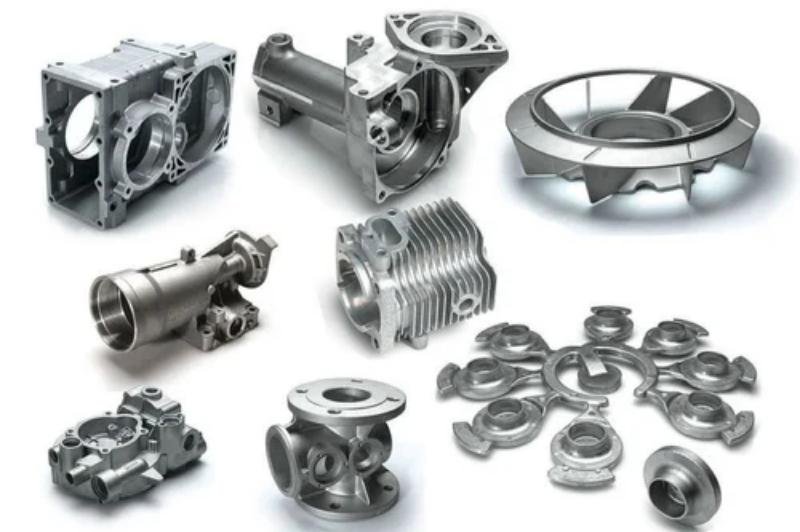
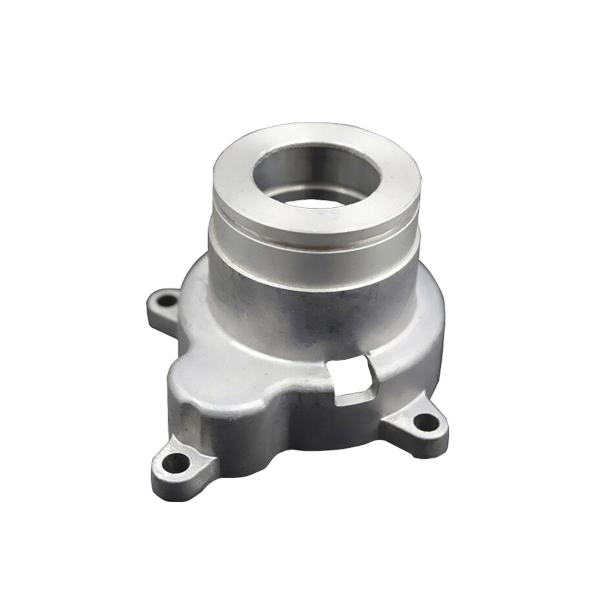
Muchas empresas utilizan acero inoxidable, acero al carbono y hierro en la fundición a la cera perdida. El acero inoxidable contiene cromo, níquel y molibdeno, elementos que le confieren gran solidez y resistencia a la oxidación. El acero al carbono se presenta en muchas variedades. El acero con bajo contenido en carbono es fácil de doblar y soldar. El acero con alto contenido en carbono es resistente y duradero. El hierro es fuerte y tiene una larga vida útil. Comming utiliza estos metales para fabricar piezas para automóviles, trenes, construcción, minería y barcos.
| Material | Propiedades clave |
|---|---|
| Acero inoxidable | Tiene cromo, níquel y molibdeno, que le ayudan a combatir el calor y la oxidación. |
| Acero al carbono | No es caro, existe en muchos tipos y puede hacerse más blando o más duro con calor. |
| Hierro | Resistente, dura mucho y se utiliza mucho en ingeniería. |
El acero inoxidable se utiliza en barcos y plantas de procesamiento de alimentos. No se oxida y es seguro. El acero al carbono se utiliza en frenos, acoplamientos y piezas de automoción. El hierro se utiliza en maquinaria y equipos pesados.
Cobalto, níquel, bronce, latón
La fundición a la cera perdida también utiliza cobalto, níquel, bronce y latón. Cada uno de estos metales tiene sus usos específicos. El cobalto es muy fuerte y resistente al desgaste, por lo que es adecuado para dispositivos médicos y piezas de aviones. El níquel es fuerte y no se oxida, por lo que se utiliza en motores a reacción y maquinaria química. El bronce no se oxida y es fácil de moldear, por lo que se utiliza para engranajes, bujes y obras de arte. El latón tiene un brillo intenso y una textura suave, por lo que se utiliza en tuberías, válvulas e instrumentos musicales.
| Material | Propiedades | Aplicaciones |
|---|---|---|
| Bronce | No se oxida, se desgasta bien y es fácil de moldear. | Se utiliza para engranajes, bujes y arte. |
| Latón | Suave, brillante y fácil de moldear. | Se utiliza para tubos, válvulas, instrumentos musicales y adornos. |
| Cobalto | Muy resistente, no se desgasta y es seguro para el cuerpo. | Se utiliza para piezas médicas y aviones. |
| Níquel | Resistente, no se oxida y soporta el calor. | Se utiliza en motores a reacción, máquinas químicas y herramientas médicas. |
Cuando un proyecto requiere materiales especiales, Comming selecciona estos metales.
Metales preciosos y otras aleaciones
El proceso de fundición a la cera perdida puede utilizar oro, plata, platino y otras aleaciones especiales. El oro, la plata y el platino se utilizan habitualmente en joyería, arte y componentes electrónicos. Las aleaciones especiales se utilizan en la producción industrial. Estas aleaciones se eligen por sus propiedades únicas.
| Material | Aplicaciones |
|---|---|
| Metales preciosos | Se utiliza para joyería, arte y piezas eléctricas especiales |
| Aleaciones especiales | Utilizado en fábricas |
Factores que influyen en la selección del metal
Elegir el metal adecuado depende de muchos factores. En la tabla siguiente se enumeran los más importantes:
| Factor | Descripción |
|---|---|
| Propiedades mecánicas | Muestra lo fuerte y flexible que es el metal. |
| Resistencia a la corrosión | Necesario para que el metal dure y funcione bien. |
| Propiedades térmicas | Indica cómo actúa el metal cuando se calienta. |
| Fabricabilidad | Muestra lo fácil que es dar forma al metal. |
| Entorno de aplicación | Ayuda a elegir el metal para el lugar donde se va a utilizar. |
KEMING cumple normas internacionales como ASTM, DIN, JIS y AAR. Su equipo examina los requisitos del proyecto y selecciona los mejores materiales metálicos. Garantizan que cada pieza sea de calidad superior y tenga un rendimiento excepcional.
Consejo: Elija siempre el metal adecuado para el lugar donde se va a utilizar. Esto ayuda a que la pieza dure más y funcione mejor.
Materiales especiales y variaciones
Vidrio y piezas moldeadas no metálicas
La fundición a la cera perdida no es sólo para metales. Artistas e ingenieros también la utilizan para fundir vidrio y otros materiales. Al igual que la fundición de metales, la de vidrio comienza con la creación de un modelo de cera. Los trabajadores cubren el modelo de cera con un material de incrustación resistente. A continuación se retira el modelo de cera y se vierte vidrio fundido en un molde. Este método puede producir exquisitas obras de arte en vidrio, esculturas e instrumentos científicos.
Otros materiales son la cerámica y los compuestos avanzados. Algunas fundiciones utilizan resinas o plásticos especiales para crear proyectos únicos. Estos materiales ayudan a crear piezas o componentes ligeros con colores y texturas únicos. La fundición a la cera perdida permite a los diseñadores experimentar con nuevas ideas y formas.
Materiales y técnicas experimentales
Los modernos procesos de fundición a la cera perdida utilizan nuevos materiales y métodos para producir piezas más resistentes, ligeras y detalladas. Algunos avances recientes son:
- Las fórmulas cerámicas avanzadas hacen que los moldes sean más resistentes y estables.
- Las aleaciones de alto rendimiento se utilizan para piezas de aviones, automóviles y dispositivos médicos.
- Los adhesivos ecológicos a base de agua reducen las emisiones nocivas.
- Los modelos de cera impresos en 3D utilizan resinas especiales que permiten diseños más rápidos y ligeros.
- Las carcasas de nanocompuestos mejoran la resistencia al choque térmico.
| Tipo de innovación | Descripción | Beneficios |
|---|---|---|
| Patrones de cera impresos en 3D | Las resinas SLA como Accura CastPro fabrican patrones de cera. | Reduce el plazo de entrega en 70%, fabrica piezas más ligeras. |
| Carcasas de nanocompuestos | Nanocompuestos de zirconia-alúmina para conchas cerámicas. | Aumenta la resistencia al choque térmico en 40%. |
| Encuadernadoras ecológicas | Aglutinantes al agua para la fabricación de moldes. | Reduce las emisiones de COV en 80%. |
Los materiales especiales o a medida ofrecen numerosas ventajas. Los procesos de fundición pueden crear formas complejas para satisfacer necesidades únicas. Este proceso es especialmente adecuado para la producción de lotes pequeños y reduce eficazmente los residuos. Sin embargo, estos proyectos requieren trabajadores cualificados y equipos especializados. Los diseños grandes o muy complejos pueden requerir pasos adicionales. Además, hay que cumplir las normas de seguridad y medioambientales.
KEMING posee la tecnología y las herramientas necesarias para la fundición personalizada y experimental. Su equipo ayuda a los clientes a seleccionar los mejores materiales y procesos para cada proyecto. Esto garantiza resultados de alta calidad incluso en diseños complejos.
La fundición a la cera perdida requiere cera, moldes y materiales metálicos. Seleccionar los materiales adecuados para cada paso es crucial para crear piezas resistentes y precisas. Los materiales de alta calidad y los procesos rigurosos ayudan a prolongar la vida útil de las piezas y a mejorar su aspecto. Comem destaca en esta tarea gracias a sus herramientas avanzadas y a una artesanía superior. En la tabla siguiente se enumeran los factores que deben tenerse en cuenta al seleccionar los materiales:
| Criterios | Consideraciones |
|---|---|
| Complejidad de las piezas | Los pequeños detalles requieren materiales especiales de cera y moldes |
| Tipo de metal | Algunos metales necesitan moldes diferentes |
| Acabado superficial | Las piezas lisas necesitan mejor cera y material de moldeo |
| Volumen de producción | La fabricación de muchas piezas puede utilizar materiales más baratos |
| Presupuesto | Trate de obtener una buena calidad por el dinero |
PREGUNTAS FRECUENTES
¿Cuáles son las principales ventajas de utilizar cera microcristalina en la fundición a la cera perdida?
La cera microcristalina mantiene los detalles nítidos y es menos propensa a agrietarse. Esta cera permite a artistas e ingenieros crear modelos que se ajustan perfectamente a su visión. Se funde limpiamente y no deja residuos en el molde.
¿Puede la fundición a la cera perdida utilizar materiales distintos del metal?
Sí, la fundición a la cera perdida puede utilizar vidrio, cerámica y algunos plásticos. Los artistas utilizan este método para crear obras de arte en vidrio o piezas especiales de cerámica muy detalladas.
¿Cómo garantiza KEMING la calidad de sus piezas fundidas?
KEMING tiene un control de calidad muy estricto. El equipo comprueba la dureza y resistencia de las piezas fundidas y utiliza rayos X para la inspección interna. Cada pieza fundida debe cumplir las normas pertinentes antes de salir de la fábrica.
¿Por qué es tan importante la selección de materiales en la fundición a la cera perdida?
Elegir los materiales adecuados hace que las piezas de fundición sean resistentes, detalladas y duraderas. La cera, los moldes y los metales de alta calidad ayudan a prolongar la vida útil de la pieza fundida y a mantener su belleza.