FR
FR  EN
EN  DE
DE  ES
ES  PT
PT  RU
RU 

Usinage de précision utilise des outils contrôlés par ordinateur pour produire des pièces de haute précision, répondant aux exigences des industries d'aujourd'hui. Des entreprises comme KEMING établissent la norme en matière d'usinage de précision en intégrant des technologies de pointe. Usinage par fraisage CNC et Tournage CNC Ces systèmes CNC garantissent une qualité constante et éliminent pratiquement toute erreur humaine, ce qui constitue un avantage considérable par rapport aux méthodes manuelles traditionnelles. Ces systèmes CNC offrent une qualité constante et éliminent pratiquement toute erreur humaine, ce qui constitue un avantage considérable par rapport aux méthodes manuelles traditionnelles.
Type d'usinage | Précision et cohérence | Tolérances atteintes |
|---|---|---|
Usinage de précision (CNC) | Une très grande précision | Exceptionnellement précis, il répond aux normes strictes de l'industrie |
Usinage traditionnel | Dépend de la compétence de l'opérateur | Variabilité possible, en particulier pour les grandes séries |
Principaux enseignements
L'usinage de précision CNC utilise des outils contrôlés par ordinateur pour une grande précision. Cela permet de réduire les erreurs commises par les personnes. Cela permet également de s'assurer que la qualité reste la même à chaque fois.
Le processus CNC comporte de nombreuses étapes. Ces étapes comprennent la réalisation d'un dessin et le choix du matériau adéquat. Il faut également programmer, effectuer le travail d'usinage et contrôler la qualité. Toutes ces étapes contribuent à la fabrication de pièces solides et fiables.
KEMING propose de nombreux services d'usinage. Ceux-ci comprennent le fraisage CNC, le tournage, la rectification et l'électroérosion. Ces services répondent aux besoins de différentes industries.
L'usinage de précision est plus rapide que les anciennes méthodes. Il est également moins coûteux. Il est donc idéal pour fabriquer des pièces dures avec des tolérances serrées.
Le choix des meilleurs matériaux est très important. Il est également essentiel de maintenir les machines en bon état. Ces deux éléments permettent d'obtenir les meilleurs résultats en matière d'usinage de précision CNC.
Comment fonctionne l'usinage de précision CNC

Étapes du processus CNC
L'usinage de précision utilise un processus étape par étape. Chaque étape permet de s'assurer que la pièce finale est de haute qualité et répond aux attentes du client. Voici comment cela fonctionne :
Création d'un design: Les ingénieurs utilisent un logiciel de CAO pour créer un modèle en 3D. Ce plan numérique montre toutes les parties de la conception.
Sélection des matériaux: L'équipe choisit la meilleure matière première, comme l'aluminium ou l'acier inoxydable. Elle choisit en fonction de l'utilité de la pièce et des besoins de l'industrie.
Développement du programme: Le logiciel de FAO transforme la conception CAO en un programme CNC. Ce programme indique à la machine comment se déplacer et couper.
Installation de la machine et fixation: Les opérateurs placent la matière première dans la machine CNC. Ils utilisent des systèmes de fixation pour maintenir la pièce stable pendant la fabrication.
Opérations d'usinage: La machine CNC suit le programme. Elle se déplace avec précaution pour façonner, découper et finir la pièce.
Contrôle de la qualité: Les inspecteurs utilisent des outils spéciaux pour vérifier la taille et la forme de la pièce. Ils s'assurent qu'elle correspond à la conception d'origine.
Finition: L'équipe nettoie et polit la pièce. Parfois, elle ajoute des revêtements ou des traitements pour améliorer le fonctionnement de la pièce.
Conseil : L'utilisation conjointe des logiciels de CAO et de FAO accélère et facilite le processus. Les ingénieurs peuvent ainsi apporter des modifications rapides et passer sans problème de la conception à la fabrication de la pièce. Cela permet également aux équipes de fabriquer des pièces complexes plus rapidement et avec moins d'erreurs.
Composants du système
Un système d'usinage de précision à commande numérique comporte de nombreux éléments importants. Chacune d'entre elles contribue à garantir la précision et la fiabilité des résultats.
Composant | Fonction |
|---|---|
Lit et cadre de la machine | Apporte un soutien solide, arrête les secousses et maintient la machine stable. |
Broche | Fait tourner l'outil de coupe et contrôle la vitesse d'enlèvement du matériau. |
Systèmes de mouvement linéaire | Déplace l'outil ou la pièce avec une grande précision dans différentes directions. |
Contrôleurs avancés | Contrôler l'ensemble du processus d'usinage et éviter les erreurs. |
Changeur automatique d'outils | change d'outil tout seul, ce qui permet de gagner du temps et d'accélérer le travail. |
Les autres éléments importants sont les suivants :
Unité de contrôle: Exécute toutes les opérations et étapes de la machine.
Système d'entraînement: Transforme les signaux électriques en mouvements précis.
Système d'outillage: Tenir et déplacer les outils de coupe selon les besoins.
Dispositif de maintien au travail: Maintient fermement la pièce en place.
Système de refroidissement: Refroidit l'outil et la pièce pour éviter les dommages.
Système d'axe: Permet à la machine de se déplacer dans plusieurs directions pour réaliser des formes complexes.
Les systèmes de rétroaction et de contrôle sont très importants pour l'usinage de précision. Ces systèmes :
Observez le processus d'usinage au fur et à mesure qu'il se déroule.
Vérifiez l'usure des outils, les secousses et la rapidité des mouvements.
Apporter eux-mêmes des modifications pour maintenir la pièce dans des limites étroites.
Évitez les erreurs en corrigeant tout problème lié à la taille de la pièce.
Grâce à ces pièces et systèmes de pointe, l'usinage de précision CNC permet d'obtenir des résultats réguliers et de haute qualité pour chaque travail.
Procédés d'usinage de précision
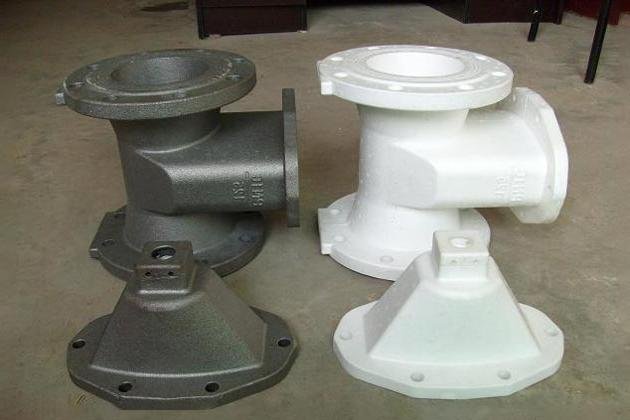
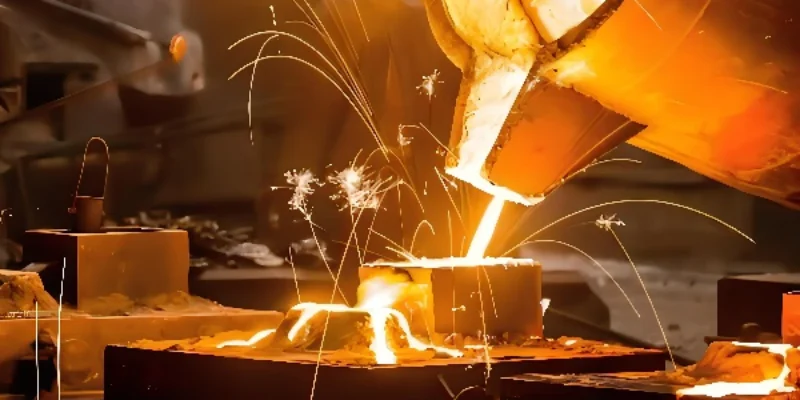
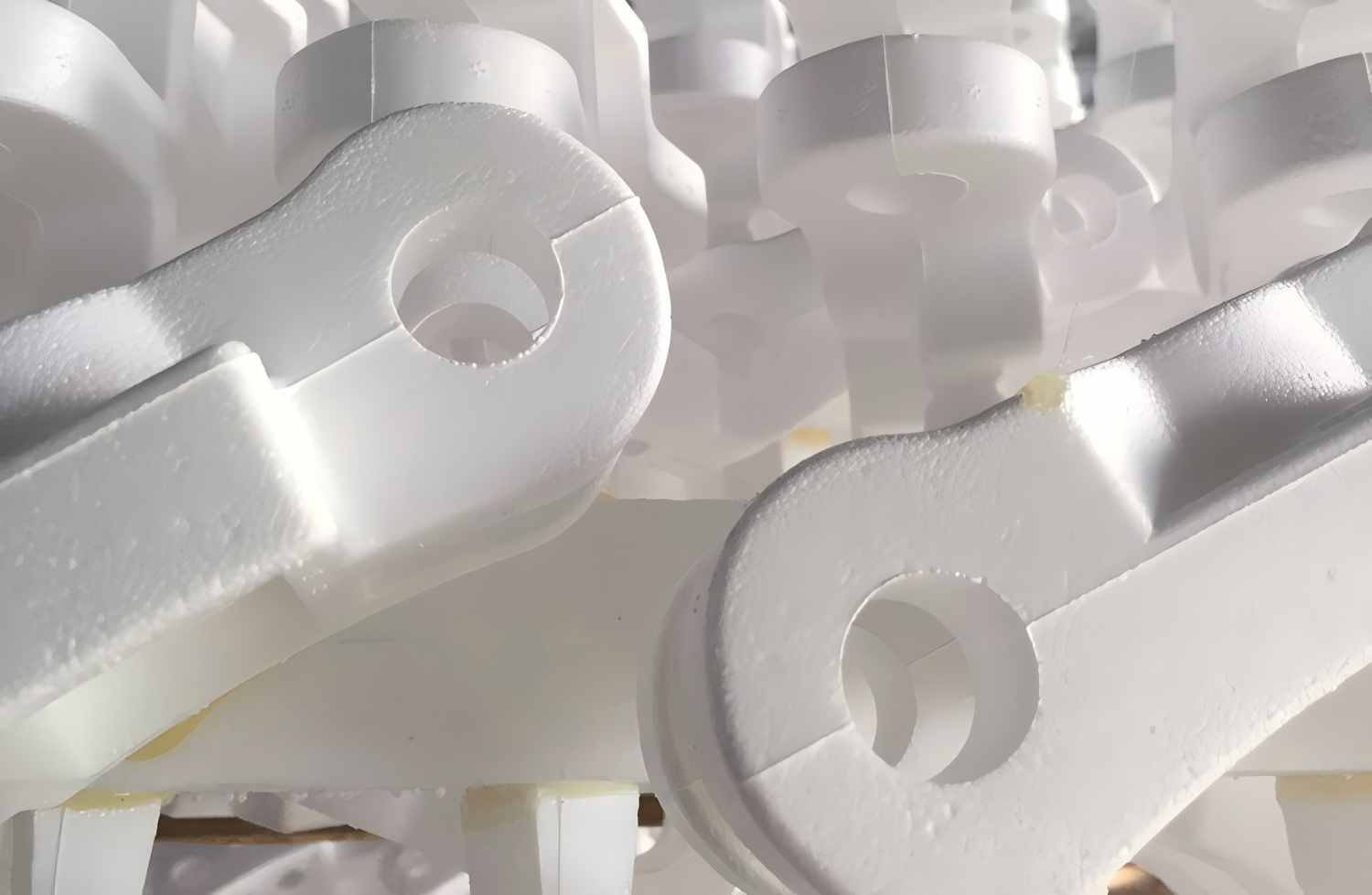
KEMING est différent parce qu'il utilise une méthode spéciale pour fabriquer des pièces. L'équipe commence par le moulage à la cire perdue pour créer la forme de base de la pièce. Ensuite, elle utilise des machines CNC avancées pour ajouter des détails fins. De cette manière, les pièces sont très précises et présentent des surfaces lisses. KEMING peut également fabriquer des pièces complexes que d'autres méthodes ne peuvent pas produire.
Fraisage et tournage CNC
KEMING réalise des opérations de fraisage et de tournage CNC. Il s'agit des principales méthodes d'usinage de précision modernes.
Fraisage CNC utilise des outils de coupe rotatifs pour retirer de la matière d'un bloc solide. Cela permet de créer des formes complexes, des surfaces courbes et des caractéristiques détaillées. Elle convient aux pièces qui doivent être très précises, lisses et bien ajustées. Les fraiseuses multiaxes peuvent travailler sur des formes très dures.
Tournage CNC est la meilleure solution pour fabriquer des pièces rondes ou cylindriques. La machine fait tourner la pièce tandis qu'un outil de coupe la façonne. Cela permet de fabriquer des pièces telles que des arbres, des goupilles et des douilles. Ces pièces sont rondes et ont le même aspect tout autour. Le tournage CNC permet de s'assurer que chaque pièce est identique et très précise. Il est très utilisé pour les pièces de voitures et d'avions.
Type de pièce | Description |
|---|---|
Formes complexes | Pièces avec des dessins détaillés et des surfaces courbes qui doivent être exactes. |
Structures difficiles | Pièces volumineuses ou délicates que les machines normales ne peuvent pas fabriquer facilement. |
Besoins de haute précision | Les pièces qui doivent être bien ajustées et avoir un aspect lisse. |
Besoins de cohérence | Des pièces qui doivent avoir le même aspect et le même fonctionnement à chaque fois. |
Remarque : Le tournage CNC est la meilleure solution pour les pièces rondes telles que les arbres et les tubes. Il permet d'économiser du matériau et de travailler plus rapidement en commençant par des barres rondes.
Meulage, perçage et électroérosion
KEMING ne se limite pas au fraisage et au tournage. L'entreprise propose également des services de rectification, de perçage et d'électroérosion pour répondre à de nombreux besoins.
Broyage rend les pièces très lisses et très précises. Elle est idéale pour les pièces qui doivent être lisses au toucher et s'ajuster parfaitement. La rectification plane permet d'ajuster les pièces à ±0,0001 pouce et de les rendre aussi lisses que 0,1-0,4 micromètre.
Forage réalise des trous précis dans de nombreux types de matériaux. Les perceuses CNC de KEMING peuvent réaliser des trous à ±0,010 pouce. C'est une bonne chose pour les pièces qui ont besoin de trous au bon endroit.
EDM utilise des étincelles électriques pour couper les métaux durs et réaliser des formes délicates. Cette méthode ne touche pas la pièce, ce qui permet de réaliser des formes que les outils normaux ne peuvent pas atteindre. L'électro-érosion peut faire en sorte que les pièces soient ajustées à ±0,0002 pouce et qu'elles soient aussi lisses que 0,1 micromètre.
Processus | Plage de tolérance | Finition de la surface (µm) |
|---|---|---|
Broyage | ±0,0001-0,0005 pouces | 0.1-0.4 |
EDM | ±0,0002-0,001 pouces | 0.1-3.2 |
Forage | ±0,010 pouce | N/A |
KEMING offre de nombreux services, tels que :
Fraisage CNC
Fraisage CNC multi-axes
Tournage CNC
Tournage CNC multi-axes
Meulage CNC
Perçage CNC
EDM et électro-érosion à fil
KEMING peut réaliser de petits ou de grands travaux. La société travaille avec plus de 100 matériaux, comme l'acier inoxydable, l'acier au carbone, l'acier allié, l'aluminium et les alliages spéciaux. Cela signifie que KEMING peut aider de nombreuses industries et suivre des règles strictes.
Si vous choisissez KEMING pour votre usinage de précision, vous obtenez une bonne qualité, un travail rapide et des pièces qui répondent aux normes les plus élevées.
Machines et matériaux

Types de machines CNC
KEMING possède plus de 50 machines CNC. Cela signifie qu'ils peuvent fabriquer de nombreuses pièces rapidement. Ces machines permettent d'éviter les retards et de maintenir le travail sur la bonne voie. Les centres d'usinage CNC, comme les fraiseuses, travaillent avec de nombreux matériaux. Ils peuvent fabriquer des pièces dures et détaillées. Les tours CNC fabriquent des pièces rondes qui se ressemblent. Ils sont utilisés dans les voitures et l'électronique. Les perceuses CNC réalisent des trous très précis. Les meuleuses CNC rendent les surfaces lisses et brillantes. Les machines à rayons laser CNC utilisent une lumière puissante pour couper, percer et souder. Les machines à décharge électrique CNC utilisent la chaleur pour façonner le métal qui conduit l'électricité.
Fraisage CNC : Il utilise des fraises rotatives pour enlever le surplus de matière. Il permet de réaliser des formes dures.
Tour CNC : Il fait tourner la pièce pour la rendre ronde. Il est idéal pour fabriquer plusieurs exemplaires d'une même pièce.
Perceuse CNC : Permet de réaliser des trous très précis dans de nombreux matériaux.
Meuleuse CNC : Rend les surfaces rugueuses lisses après la coupe.
Usinage par faisceau laser CNC : Découpe et soudure à l'aide d'une lumière intense.
Machines à décharge électrique CNC : Elle utilise des étincelles pour façonner le métal.
Aspect | Explication |
|---|---|
Disponibilité de l'équipement | L'augmentation du nombre de machines permet de fabriquer des pièces plus rapidement et d'éviter les retards. |
Utilisation des capacités | Une bonne utilisation de toutes les machines permet de produire davantage de pièces et de gagner du temps. |
Calendrier d'entretien | L'entretien des machines permet de les faire fonctionner, mais ne doit pas les ralentir. |
Modernisation des technologies | Les nouvelles machines travaillent plus vite et mieux, de sorte que les travaux sont achevés plus rapidement. |
Matériaux couramment utilisés
KEMING utilise de nombreux matériaux pour différents travaux. L'aluminium est solide, ne rouille pas et est facile à couper. L'acier inoxydable est résistant et ne rouille pas, il convient donc aux outils alimentaires et médicaux. Les alliages d'acier sont solides et durent longtemps, ils sont donc utilisés pour les pièces lourdes. Le cuivre ne rouille pas et transporte bien l'électricité, il est donc utilisé dans l'électronique.
Matériau | Propriétés principales |
|---|---|
Aluminium 6061 | Solide, ne rouille pas, résistant et facile à souder. |
Aluminium 7075 | Gère bien les contraintes, utilisé pour les ailes d'avion. |
Aluminium 2024 | Résiste à la chaleur et aux chocs, convient aux avions et à l'armée. |
Aluminium 5052 | Résiste aux produits chimiques, utilisé pour les pièces de bateaux. |
Aluminium 6063 | Solide, facile à souder, peut être chauffé, convient aux formes délicates. |
Titane | Résiste à la chaleur, ne rouille pas, sans danger pour le secteur médical et les avions. |
Cuivre | Transporte l'électricité, ne rouille pas, utilisé dans l'électronique. |
Acier inoxydable | Résistant, ne rouille pas, facile à couper, utilisé dans de nombreux travaux. |
Acier | Solide, stable, facile à couper, comprend l'acier doux, l'acier au carbone et l'acier allié. |
Laiton | Facile à découper, permet d'obtenir des tailles serrées, finition lisse, utilisé pour les pièces exactes. |
Conseil : les métaux comme l'aluminium et le cuivre sont faciles à couper. Ils nécessitent moins de force et ont un meilleur aspect une fois terminés. Ces matériaux permettent à KEMING de fabriquer des pièces rapidement et d'économiser de l'argent.
Les nombreuses machines et matériaux de KEMING lui permettent de travailler pour de nombreuses industries. Leur atelier moderne s'assure que chaque pièce est de haute qualité et fonctionne bien.
Avantages et applications
Avantages de l'usinage de précision
KEMING est connu pour fabriquer des pièces très précises. Ils travaillent rapidement et s'assurent que chaque pièce est fiable. L'équipe utilise des machines spéciales et vérifie soigneusement chaque pièce. Cela permet à chaque pièce de répondre aux bonnes normes. Les clients font confiance à KEMING parce que leurs pièces sont toujours adaptées et fonctionnent bien.
Avantage | Description |
|---|---|
Précision et exactitude élevées | Les machines à commande numérique peuvent constamment atteindre des tolérances serrées et produire des pièces très précises. |
Résultats répétitifs et cohérents | Les machines CNC peuvent reproduire des pièces identiques de manière cohérente, éliminant ainsi les variations dues à l'erreur humaine. |
KEMING vérifie la première pièce avant d'en fabriquer d'autres. Ils observent le processus au fur et à mesure qu'il se déroule. Ils utilisent des machines spéciales pour mesurer chaque pièce. Ces étapes permettent de détecter les problèmes à un stade précoce. Cela permet de maintenir chaque pièce dans les bonnes limites. L'observation en temps réel et l'utilisation des données permettent d'éviter les erreurs et de gagner du temps.
Les clients reçoivent leurs pièces rapidement. KEMING dispose de nombreuses machines et de travailleurs qualifiés. Cela leur permet d'honorer rapidement les grosses commandes.
Utilisations industrielles
De nombreuses industries ont besoin de l'usinage de précision de KEMING pour des pièces importantes. KEMING aide les entreprises qui ont besoin de la meilleure qualité et de pièces solides.
L'industrie | Composants |
|---|---|
Médical | Implants, appareils d'IRM, orthèses, boîtiers électroniques, instruments chirurgicaux |
Aérospatiale | Aubes de turbines, trains d'atterrissage, collecteurs de systèmes de fluides, composants structurels |
Automobile | Pièces de moteur, composants de transmission, accessoires sur mesure, systèmes de sécurité |
Électronique | Connecteurs, boîtiers, dissipateurs thermiques, composants de circuits imprimés |
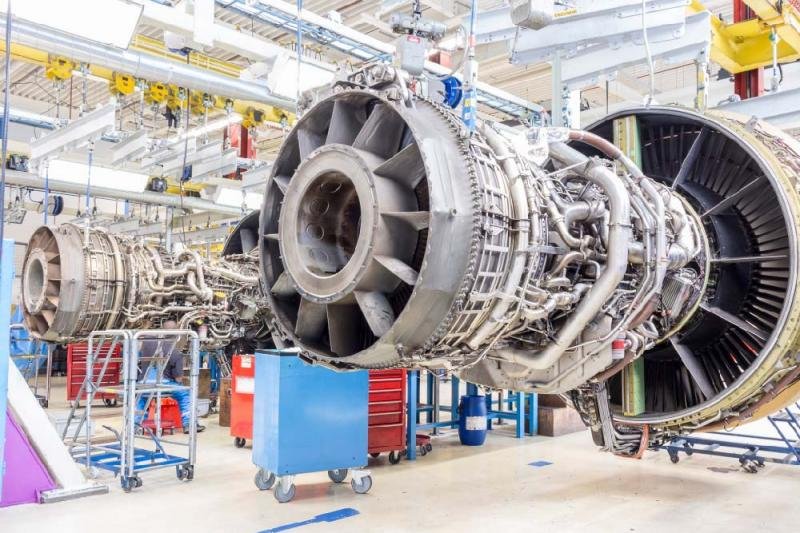
Les entreprises du secteur aérospatial utilisent KEMING pour des pièces telles que les pales de turbines et les trains d'atterrissage. Ces pièces doivent être fabriquées exactement comme il faut. Les entreprises médicales font confiance à KEMING pour les implants et les outils. Ceux-ci doivent être lisses et sûrs pour le corps. Les entreprises de l'automobile et de l'électronique ont besoin de pièces solides et précises. Elles comptent sur KEMING pour ces tâches.
KEMING utilise des contrôles de qualité rigoureux et de nouvelles technologies. Cela en fait un excellent choix pour toute entreprise qui a besoin de pièces de qualité supérieure.
Comparaison et défis
Usinage à commande numérique et usinage conventionnel
L'usinage de précision CNC est un meilleur choix pour de nombreuses entreprises. Il est plus rapide, plus précis et permet d'économiser de l'argent. Les machines CNC utilisent des programmes informatiques pour contrôler chaque mouvement. L'usinage conventionnel nécessite des ouvriers qualifiés pour guider les outils à la main. Les machines CNC présentent donc des avantages considérables :
L'usinage CNC permet de réaliser des formes complexes avec une grande précision. Cela permet de fabriquer de meilleurs produits.
Il travaille beaucoup plus rapidement et peut terminer les travaux en quelques minutes.
Les entreprises dépensent moins d'argent parce que la CNC utilise moins de matériaux et nécessite moins de travailleurs.
Les machines CNC peuvent passer rapidement d'un travail à l'autre. Elles conviennent donc à de nombreux projets.
Les besoins en travailleurs qualifiés sont moindres et les entreprises n'ont donc pas besoin d'autant de personnel.
Aspect | Usinage de précision CNC | Usinage conventionnel |
|---|---|---|
Vitesse de production | Beaucoup plus rapide | Plus lent |
Rapport coût-efficacité | Économiser de l'argent sur les travailleurs et les matériaux | Bon pour les petits travaux, pas pour les grands |
Précision | Toujours élevé et stable | Dépend du niveau de qualification du travailleur |
Adaptabilité | Peut être changé rapidement | Plus long à mettre en place |
Besoins en main-d'œuvre | Besoin de moins de travailleurs qualifiés | Besoin de travailleurs plus qualifiés |
L'usinage CNC permet également de fabriquer des pièces avec des tolérances très serrées. Par exemple, la CNC peut maintenir les dimensions à ±0,1 mm. Les méthodes conventionnelles ont du mal à le faire à chaque fois. Ce niveau de précision est très important pour des objets tels que les avions et les outils médicaux. Même de petites erreurs peuvent causer de gros problèmes dans ces secteurs.
Facteurs et enjeux de la précision
Pour que l'usinage CNC reste très précis, il faut faire attention à certaines choses :
Usure des outils: Les outils de coupe s'émoussent avec le temps. Ils peuvent alors produire des pièces grossières qui n'ont pas la bonne taille. Le contrôle et le remplacement fréquents des outils permettent de maintenir la qualité à un niveau élevé.
Dilatation thermique: Lorsque la température change, les pièces métalliques peuvent grossir ou rétrécir. Cela peut modifier la taille finale. Le fait de maintenir l'atelier à la même température permet d'éviter ce problème.
Vibrations: Les secousses pendant l'usinage peuvent entraîner des erreurs. C'est un gros problème pour les pièces qui doivent être très précises. Les machines qui sont stables et les réglages qui sont serrés permettent d'éviter les tremblements.
Complexité de la programmation: L'écriture du programme de la CNC est difficile. De petites erreurs dans le code peuvent entraîner la fabrication de mauvaises pièces. L'utilisation d'un bon logiciel et le test du programme en premier lieu permettent de détecter rapidement les erreurs.
Contrôle de la qualité: Le contrôle de chaque pièce à l'aide d'outils spéciaux permet de s'assurer que chaque pièce est correcte. L'étalonnage de l'équipement et l'utilisation de contrôles avancés permettent de maintenir la qualité au même niveau.
Conseil : Les entreprises qui prennent soin de leurs outils, contrôlent la température de l'atelier et rédigent des programmes minutieux obtiennent les meilleurs résultats en matière d'usinage de précision à commande numérique.
L'usinage de précision est très important dans la fabrication des objets d'aujourd'hui. Il utilise des machines pour couper, percer et façonner des pièces avec une grande précision. Des entreprises comme KEMING veillent à ce que les pièces soient toujours fabriquées de la même manière pour de nombreuses industries.
La technologie CNC permet de fabriquer des pièces de qualité et rapidement.
Les nouvelles machines et les travailleurs intelligents contribuent à la création de nouvelles idées.
De nombreux services aident à la réalisation de différents types de projets.
Choisissez une entreprise qui a beaucoup d'expérience et qui est connue pour faire du bon travail. KEMING travaille dur pour fabriquer des pièces de qualité, c'est pourquoi les gens lui font confiance pour les travaux d'usinage de précision.
FAQ
Qu'est-ce qui différencie l'usinage de précision CNC de KEMING ?
KEMING utilise à la fois le moulage à la cire perdue et l'usinage CNC. De cette façon, les pièces sont très précises et présentent des surfaces lisses. Les clients obtiennent des pièces solides et de haute qualité qui respectent des règles strictes.
Quelles sont les industries qui bénéficient le plus des services de KEMING ?
Les entreprises des secteurs de l'aérospatiale, de l'automobile, de la médecine et de l'électronique utilisent KEMING. Ces entreprises ont besoin de pièces qui s'ajustent parfaitement et qui sont toujours identiques. KEMING apporte à chaque projet un travail soigné et des résultats réguliers.
KEMING peut-il gérer les petites et les grandes séries ?
Oui. KEMING dispose de plus de 50 machines CNC dans son atelier. L'équipe peut fabriquer une, plusieurs ou plusieurs pièces à la fois. Les clients reçoivent leurs commandes rapidement et chaque pièce est fabriquée de la même manière.
Avec quels matériaux KEMING travaille-t-il ?
KEMING travaille avec l'aluminium, l'acier inoxydable, les alliages d'acier, le cuivre, etc. L'équipe choisit le bon matériau pour chaque travail. Cela permet de s'assurer que chaque pièce est solide et dure longtemps.
Conseil : Demandez aux experts de KEMING de vous aider à choisir le meilleur matériau et le meilleur procédé pour votre prochain travail.