FR
FR  EN
EN  DE
DE  ES
ES 
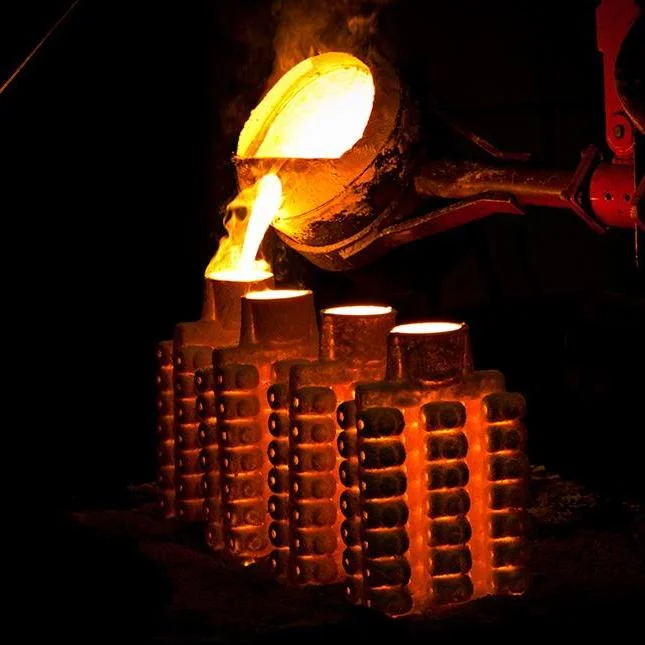
Moulage de précision utilise différents types de cire pour créer des moules. Aujourd'hui, les fonderies utilisent des cires synthétiques au lieu de la cire d'abeille. Les principaux types de cire comprennent la cire de moule remplie, la cire de moule non remplie, la cire d'injection, la cire adhésive et la cire soluble dans l'eau. Chaque type de cire joue un rôle unique dans le processus de moulage. KEMING fournit des solutions de moulage de précision en utilisant des cires de haute qualité. Leur expertise permet d'obtenir des résultats fiables pour de nombreuses industries.
Principaux enseignements
- Coulée en cire perdue utilise différents types de cire. Il s'agit de cires remplies, de cires non remplies, de cires d'injection, de cires adhésives et de cires solubles dans l'eau. Chaque cire a une fonction spécifique.
- Le choix de la bonne cire est crucial. Il permet de créer des moulages lisses et précis. Cela a un impact sur la qualité et la résistance du produit final.
- La cire pour moules remplis convient aux conceptions de moules complexes. Elle présente une résistance élevée et un faible retrait. La cire non chargée est moins chère et facile à recycler.
- La cire soluble dans l'eau est respectueuse de l'environnement. Elle permet de créer des moules propres. Cette cire est idéale pour les petites pièces précises dans les domaines de l'aérospatiale et de la médecine.
- La cire adhésive permet un assemblage rapide et sûr des moules. Elle réduit les erreurs et améliore le processus de moulage.
Types de cire dans la fonderie de précision
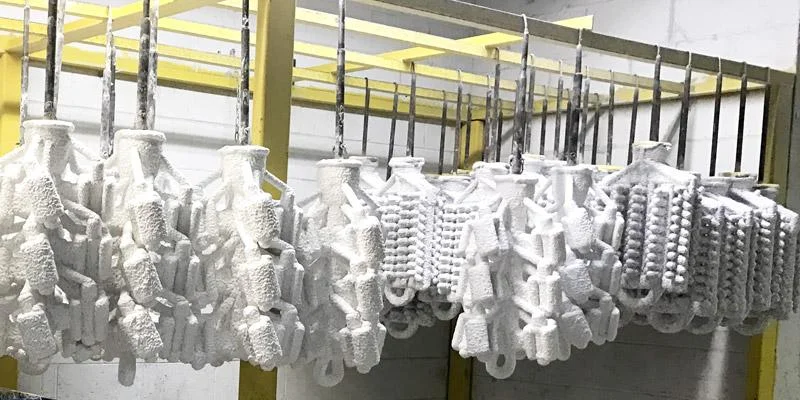
Le moulage de précision utilise différents types de cire pour créer des moules. KEMING sélectionne des cires de haute qualité afin d'obtenir des résultats exceptionnels pour de nombreuses industries. Le choix de la cire a un impact sur la douceur et la précision de chaque moulage. L'utilisation de la bonne cire permet de s'assurer que chaque pièce répond à des normes strictes.
Variétés de cire à motifs
La cire de moule est fondamentale pour le moulage de précision. Elle façonne le moule initial et détermine les détails du produit. KEMING propose différentes cires pour moules, telles que les cires pour moules remplies et non remplies. La cire de moule chargée contient des additifs qui la rendent plus résistante et réduisent le rétrécissement. Cette cire convient mieux aux moules de grande taille ou complexes. La cire non chargée est moins chère et facile à recycler.
Les types de cires à motifs sont les suivants :
- Cire de moulage : Reproduit des formes minuscules et maintient leur précision.
- Cire de moulage chargée : Contient des charges pour augmenter la résistance et réduire le rétrécissement.
- Cire de moulage non remplie : Structure simple et facile à recycler.
Le tableau ci-dessous montre comment les différents types de cire affectent les caractéristiques de la coulée :
| Type de cire | Point de fusion (°C) | Dureté (Shore) | Taux de rétraction (%) | Convient pour |
|---|---|---|---|---|
| Base de cire Matériau de la cire | 50-60 | Faible | N/A | Alliage d'aluminium, alliage de cuivre |
| Cire à base de colophane | 70-85 | ≥25 | 0.8-1.2 | Acier inoxydable, alliages à haute température |
KEMING s'assure que chaque type de cire à modeler a une bonne résistance et une bonne flexibilité. Les cires remplies conviennent aux modèles complexes et maintiennent la précision des dimensions.
Cire pour coureur
La cire d'injection relie le modèle au système d'injection. Elle guide le métal en fusion dans le moule. La cire d'injection doit avoir une bonne fluidité et être résistante à la fissuration. KEMING sélectionne des cires de gating ayant une bonne fluidité afin de réduire les défauts et d'améliorer le rendement.
Les cires de gâchage ont des points de fusion différents. Les cires à basse température ont un point de fusion inférieur à 60°C. Les cires à température moyenne ont un point de fusion compris entre 60°C et 120°C. Les cires à haute température ont un point de fusion supérieur à 120°C. KEMING sélectionne la cire appropriée pour les différentes applications afin d'assurer un écoulement régulier du métal et de maintenir la résistance de la pièce.
Cire collante
La cire de collage est utilisée pour coller les composants des modèles. Elle permet de réparer les petits défauts et d'assembler les pièces. KEMING utilise la cire de collage pour un assemblage rapide et sûr. Cette cire forme un lien solide et peut être utilisée avec des outils robotisés. La petite taille de la cire de collage la rend idéale pour les fonderies occupées.
| Caractéristiques/avantages | Description |
|---|---|
| Grande précision, rendement élevé, faible taux de rebut | Produit des pièces aux dimensions précises et réduit les déchets. |
| Rapide et polyvalent | Il travaille rapidement et convient à une grande variété d'applications, ce qui permet de gagner du temps. |
| Coût inférieur à celui de l'APAS standard | Réduit les coûts pour les fonderies. |
| Pas d'investissement supplémentaire pour l'outillage | Utilise les outils existants et ne nécessite pas d'investissement supplémentaire. |
La cire de liaison permet à KEMING de produire des pièces coulées lisses et solides. Aucune retouche n'est nécessaire, ce qui permet d'économiser du temps et de l'argent.
Cire soluble dans l'eau
La cire hydrosoluble est utilisée pour créer des structures creuses et des formes complexes. Cette cire se dissout dans l'eau, laissant un moule propre. KEMING utilise la cire soluble dans l'eau pour fabriquer des pièces comportant de nombreux détails et des cavités internes. La cire hydrosoluble est respectueuse de l'environnement et facile à nettoyer.
Cire soluble dans l'eau :
- Fabrication de pièces moulées solides à structure creuse.
- Se dissout dans l'eau sans laisser de résidus.
- Aide à maintenir les moules solides et lisses.
Le processus de moulage de KEMING utilise de la cire soluble dans l'eau pour obtenir des dessins exquis et des résultats constants.
Cires de coulée à la cire perdue : Propriétés et utilisations
Rempli de cire
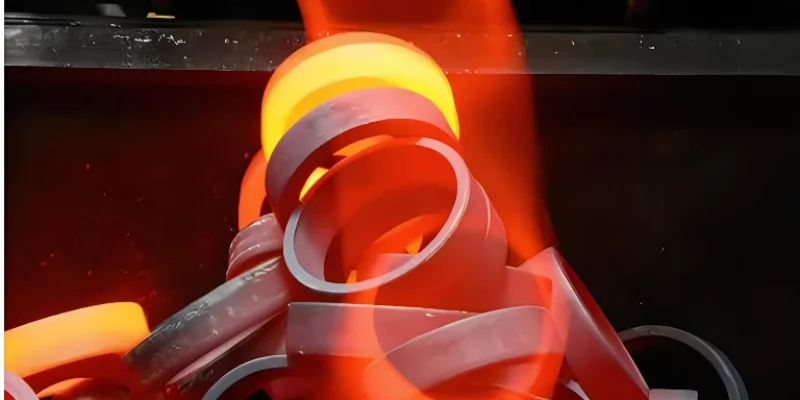
La cire chargée est essentielle pour le moulage de précision. Les fabricants ajoutent des charges pour renforcer sa résistance. Ces charges aident la cire à conserver sa forme. La cire subit des changements dimensionnels minimes pendant la fabrication du modèle. KEMING utilise de la cire chargée pour fabriquer des pièces nécessitant une grande précision. Cette cire offre une surface lisse et des dimensions précises. Elle est idéale pour les modèles de grande taille ou complexes. La cire chargée est résistante au retrait ou à la déformation.
La cire à motifs remplis présente de nombreux avantages :
- Excellente stabilité dimensionnelle
- Réduit la porosité, les marques d'enfoncement et le rétrécissement
- Fournit une surface lisse
Le tableau ci-dessous montre comment la cire remplie contribue au moulage :
| Fonctionnalité | Description |
|---|---|
| Reproductibilité du modèle dimensionnel | Les motifs restent à la bonne taille. |
| Une plus grande stabilité | Les pièces conservent mieux leur forme. |
| Réduction du rétrécissement | Moins de changements dimensionnels pendant le refroidissement. |
| Finition de surface de haute qualité | Meilleur aspect des pièces coulées. |
| Faible viscosité à l'état fondu | Bon écoulement de la cire pour la production de moules de haute qualité. |
KEMING sélectionne de la cire de moulage chargée pour les pièces de précision. Cette cire permet de créer des pièces moulées aux dimensions parfaites et à l'aspect lisse.
Cire à motif non rempli
La cire pour moules non chargée ne contient aucune matière de remplissage. Cette cire est simple et économique. De nombreuses fonderies utilisent la cire non chargée pour produire des pièces ordinaires. Ces pièces ne nécessitent pas de résistance supplémentaire. KEMING utilise de la cire non chargée pour créer des moules faciles à recycler. Cette cire fond proprement avec un minimum de résidus. Cela permet de garder les moules propres.
La cire de moule non remplie convient mieux aux pièces simples ou de petite taille. Elle permet aux ouvriers d'inspecter rapidement les pièces. L'utilisation de cette cire peut accélérer la production. L'équipe de KEMING utilise la cire pour moules non remplis lorsqu'une production rapide est nécessaire.
Conseil : la cire de moulage non remplie est le meilleur choix si vous souhaitez réduire les coûts et réutiliser la cire.
Sélection des cires pour les pièces complexes
Le choix de la bonne cire est crucial pour les travaux de moulage complexes. La cire doit être adaptée à la forme et à la taille de la pièce. La cire pour moules remplis convient pour les grandes pièces aux détails complexes. Elle résiste au rétrécissement et conserve des détails précis. La cire non chargée convient mieux aux petites pièces simples. Elle permet une production rapide des pièces.
Les experts de KEMING étudient chaque pièce avant de sélectionner la cire. Ils tiennent compte de la forme de la pièce et de l'état de surface requis. Ils tiennent également compte de l'utilisation prévue de la pièce. Leur équipe utilise des mélanges de cires spéciales pour répondre aux exigences les plus strictes. La bonne cire garantit la solidité et la précision dimensionnelle des pièces moulées.
Le tableau ci-dessous énumère quelques caractéristiques clés des cires de coulée :
| Propriété | Description |
|---|---|
| Composition | La cire est composée de cires naturelles ou synthétiques, de charges et d'eau. |
| Stabilité dimensionnelle | Utilisé pour prévoir le retrait de la pièce. |
| Caractéristiques de rétrécissement | Affecte les changements dimensionnels de la pièce. |
| Additifs | Les résines, les plastiques, les charges et les huiles peuvent améliorer les performances de la cire. |
| Finition de la surface | Contribue à un bon aspect de la pièce finale ; dépend de l'agent d'apport céramique. |
| Propriétés mécaniques | La cire ne doit pas se briser facilement lors de la manipulation ou de l'enduction. |
| Solidification Contraction | Le faible retrait permet de maintenir la précision dimensionnelle. |
| Fluidité | La cire doit pouvoir remplir de petites formes et des motifs complexes. |
| Comportement au déparaffinage | La cire doit pouvoir se démouler facilement sans endommager le moule. |
| Résidus après combustion | Il est préférable d'avoir moins de cire résiduelle, ce qui contribue à la propreté des pièces coulées. |
| Facteurs économiques | Le rapport coût-efficacité est crucial lors de la sélection des matériaux de cire. |
| Capacité d'inspection | La surface doit être facile à inspecter par les travailleurs pour détecter les défauts. |
Les cires de coulée KEMING aident les clients à obtenir d'excellents résultats de coulée. Des cires soigneusement sélectionnées permettent de couler des pièces qui répondent aux normes élevées de nombreuses industries.
Cires spéciales pour la coulée à la cire perdue
Applications des cires solubles dans l'eau
La cire soluble dans l'eau est essentielle pour la fabrication de pièces creuses. Cette cire fond dans l'eau et laisse un moule propre. KEMING utilise la cire soluble dans l'eau pour fabriquer des pièces nécessitant une très grande précision. Ces pièces sont utilisées dans les secteurs de l'aérospatiale, de la médecine, de l'automobile et de l'énergie. Ces industries exigent des pièces aux surfaces lisses et aux formes parfaites.
| L'industrie | Applications | Avantages |
|---|---|---|
| Aérospatiale | Aubes de turbines, pièces légères | Fabrication de formes internes complexes |
| Médical | Outils chirurgicaux, implants | Répond à des normes strictes de sécurité et de qualité |
| Automobile | Composants du moteur | Améliore les performances et la durée de vie des pièces |
| L'énergie | Pièces de turbines et de machines | Fournit des pièces de haute qualité, robustes et durables |
La cire soluble dans l'eau présente de nombreux avantages :
- Démoulage facile pour une coulée propre
- Convient aux formes petites et complexes
- Résultats de surfaces de pièces lisses et très précises
L'équipe de KEMING choisit la cire hydrosoluble pour répondre à des normes strictes. Leur processus est stable et fiable, ce qui permet aux clients d'obtenir des produits de meilleure qualité.
Cire collante pour l'assemblage
La cire adhésive permet aux ouvriers d'assembler rapidement des modèles en cire. Cette cire possède d'excellentes propriétés d'adhérence, garantissant que chaque composant est solidement maintenu en place. KEMING utilise la cire adhésive pour créer rapidement et précisément des moules robustes.
| Fonctionnalité | Description |
|---|---|
| Force d'adhérence | Colle solidement les modèles en cire |
| Force de cohésion | Maintien de la résistance de la pièce pendant le mouvement ou la manipulation |
| Faible odeur et fumée | Créer un environnement de travail sûr et confortable |
| Formulations | Offre différents temps de durcissement pour s'adapter à diverses applications |
La cire adhésive présente de nombreux avantages :
- Une bonne adhérence garantit un assemblage sûr du moule
- Le durcissement rapide améliore l'efficacité du travail
- Maintenir un environnement de travail propre et sûr
KEMING utilise de la cire adhésive pour maintenir la stabilité et la précision du moule. Ce procédé permet de réduire les erreurs et d'améliorer la qualité de chaque moulage.
Conseil : Les cires spéciales comme les cires solubles dans l'eau et les cires adhésives aident KEMING à fabriquer des pièces moulées précises et robustes. Les nouvelles formulations de cire sont plus résistantes et retiennent mieux les détails. Elles ont également une bonne résistance à la chaleur, ce qui permet de créer des pièces de meilleure qualité pour de nombreuses industries.
Dans la fonderie de précision, le choix du bon modèle de cire est crucial. Chaque modèle de cire présente des avantages spécifiques pour différentes applications. Les modèles en cire chargée conviennent à la fabrication de moules robustes. Les moules en cire solubles dans l'eau conviennent à la fabrication de moules creux. L'équipe de Kemin utilise des méthodes intelligentes de moulage de la cire et des tests rigoureux pour s'assurer que chaque moule en cire est de haute qualité. Leur expertise permet aux clients d'obtenir des moules précis et d'excellents résultats de moulage. L'entreprise respecte les normes internationales et fournit des moules durables. L'inspection de la qualité de Kemin comprend
| Contrôles de qualité chez KEMING |
|---|
| Tests de dureté, de matériaux, de particules magnétiques et de rayons X |
| Examine les modèles et vérifie leur solidité |
| Conforme aux normes ASTM, DIN, JIS, AAR, etc. |
- Les clients doivent choisir une entreprise disposant d'une technologie de fabrication de moules en cire sophistiquée, d'un équipement moderne et d'une grande expérience dans la fabrication de moules en cire dure.
FAQ
Quels types de cire sont principalement utilisés dans le moulage à la cire perdue ?
Le moulage à la cire perdue utilise différents types de cire. Ces cires comprennent la cire de modèle, la cire d'injection, la cire de liaison et la cire soluble dans l'eau. Chaque type de cire contribue à la création de pièces métalliques robustes. KEMING sélectionne la cire appropriée en fonction des différentes applications.
Comment les outils de moulage en cire améliorent-ils la qualité du moulage ?
Les outils de moulage de la cire donnent à celle-ci des formes précises. Cela permet de s'assurer que chaque modèle de cire est conforme aux spécifications de la conception. KEMING utilise des outils spécialisés pour créer des modèles de cire robustes pour des tâches de moulage complexes.
Pourquoi les fonderies choisissent-elles la cire hydrosoluble ?
La cire soluble dans l'eau permet de créer des cavités dans le moule. Ces cires fondent rapidement, laissant un moule propre. KEMING utilise des cires solubles dans l'eau pour fabriquer des pièces complexes aux formes lisses et complexes.
Quel est le rôle des modèles en cire dans le moulage à la cire perdue ?
Les modèles de cire donnent à la cire une forme complexe. Ces modèles guident les différentes étapes du processus de moulage à la cire perdue. Les modèles en cire de KEMING peuvent produire des pièces de précision pour les automobiles, les trains et les bateaux.
Comment les outils de moulage en cire permettent-ils de réaliser des projets sur mesure ?
Les outils de moulage de la cire permettent aux fonderies de façonner des modèles en cire selon des conceptions spécifiques. KEMING utilise ces outils pour créer des modèles de cire personnalisés pour des commandes spéciales. L'équipe ajuste la formulation de la cire en fonction d'exigences strictes.
Remarque : l'expertise de KEMING en matière de cire et d'outils de moulage de la cire permet de garantir que chaque moulage répond à des normes élevées.
| Type de cire | Bénéfice |
|---|---|
| Cire à motif | Réalise des motifs précis |
| Cire pour coureur | Facilite l'écoulement du métal |
| Cire collante | Les pièces s'assemblent solidement |
| Cire soluble dans l'eau | Laisse des espaces creux propres |