FR
FR  EN
EN  DE
DE  ES
ES 
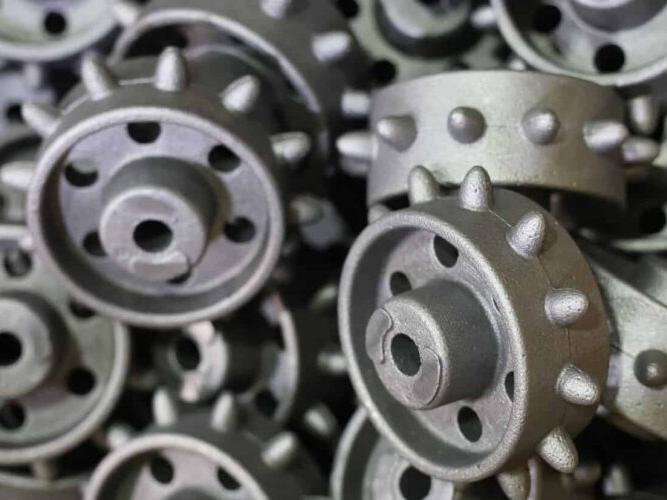
Shell casting makes exact metal parts using a hard, thin shell mold made from sand and resin. This method is important in modern factories because it makes parts with correct sizes and smooth surfaces. Makers use shell casting for both ferrous and non-ferrous alloys. Shell casting is becoming more popular because of new technology and the need for light, strong parts. KEMING uses advanced shell casting to help industries around the world.
Principaux enseignements
- Shell casting uses a thin mold made from resin-coated sand to produce precise metal parts with smooth surfaces and consistent quality.
- First, a metal pattern is heated. Then, it is covered with sand and resin. Next, it is baked to make a strong shell. This lets people create complex shapes and tight fits.
- Shell casting works well for small or medium batches. It saves time and material costs. It also makes high-quality parts that need little extra work.
- Many industries use shell casting. These include automotive, aerospace, and agriculture. They use it because it makes strong and detailed parts fast and at a good price.
- Picking the right materials is important. It is also important to know what shell casting cannot do, like size limits and which metals work. This helps make production successful.
Shell Casting Process
Step-by-Step Overview
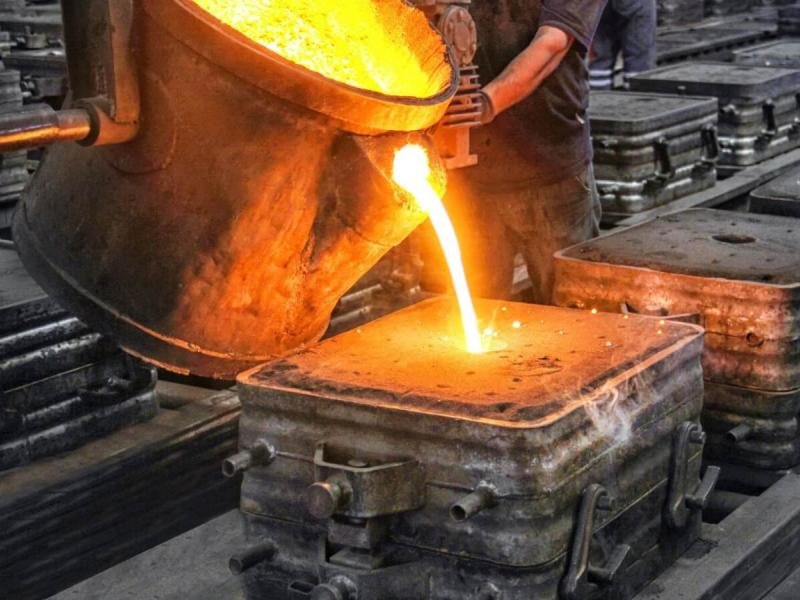
Shell mold casting is a manufacturing process that forms metal parts by pouring molten metal into a thin shell mold made from resin-coated sand. The process starts with a metal pattern. This pattern is usually made from iron or steel. Workers heat the pattern until it gets very hot. They cover the hot pattern with fine sand mixed with a special resin. The sand and resin stick to the pattern and form a thin, hard shell.
Next, workers remove any extra sand. Only the shell layer stays on the pattern. They bake the shell in an oven to make it stronger. When the shell cools down, workers take it off the metal pattern. They do these steps again to make two shell halves.
After both halves are ready, workers put them together. They clamp the shell mold so it stays tight. Now, they pour molten metal into the shell mold. The metal fills the space inside and takes the shape of the pattern. When the metal cools and gets hard, workers break the shell away. The finished part comes out. Workers clean the part and cut off extra pieces like gates or risers.
Remarque : Many factories now use machines for shell mold casting. Machines can make shells and pour metal. This helps the process go faster and keeps the parts the same every time.
Shell mold casting is different from sand casting and moulage à la cire perdue. In sand casting, workers use loose sand, which can make rougher parts. Investment casting uses wax patterns and takes more steps, so it is slower and costs more. Shell mold casting gives smooth surfaces, close sizes, and faster work.
KEMING uses new shell mold casting methods in its factory. The team uses their skills and new machines to make good parts for many industries.
Matériaux utilisés
Shell casting needs special materials to make strong and exact molds. The main material is sand with resin on it. This sand uses resins like phenolic or furan. These resins help the sand stick and make a hard shell. The resin-coated sand makes the shell mold strong and lets it have detailed shapes.
Other important materials are the metals and alloys poured into the shell mold. Some common metals are:
- Gray iron
- White iron
- Fonte ductile
- Acier inoxydable
- Acier au carbone
- Copper-based alloys
- Nickel-based alloys
- Alliages d'aluminium
These metals melt at different temperatures and have different uses. For example, aluminum melts at about 660°C. Brass melts between 900°C and 940°C. The metal chosen depends on what the part will do and what the industry needs.
Shell molding sand with resin makes a thin, hard shell that keeps its shape when metal is poured in. This helps make parts that are very exact and have smooth surfaces. These materials allow shell casting to produce durable parts with good strength, heat resistance, and corrosion resistance.
KEMING picks the best materials for each job. The company follows strict rules to make sure every casting process makes strong and good parts.
Key Features of Shell Casting
Mold and Part Qualities
Shell mold casting creates parts with strong and reliable qualities. The process forms a hard shell that shapes the metal with great detail. This method helps make parts that last a long time and work well in tough jobs.
- Hardness shows how well a part resists dents or scratches. This property matters when parts face pressure or impact.
- Many metals show a link between hardness and strength. When a part has high hardness, it often has high strength too.
- Factories test hardness after casting and heat treatment. These tests make sure each part meets the right standards.
Shell casting also allows for complex shapes and thin walls. The shell mold holds its form during pouring, so the final part matches the pattern closely. This helps industries that need parts with special shapes or fine details.
Tolerances and Surface Finish
Shell casting stands out for its high dimensional accuracy. The process can achieve tight tolerances, which means the finished part is very close to the size needed. For example, shell mold casting can reach tolerances within ±0.1 mm. This is much better than sand casting, which usually has tolerances around ±0.5 mm or more.
| Méthode de coulée | Précision dimensionnelle |
|---|---|
| Shell Casting | High; can achieve tolerances within ±0.1 mm |
| Moulage au sable | Moderate; typically ±0.5 mm or more |
Investment casting can make even more precise parts, but shell casting offers a good balance of speed, cost, and accuracy.
Surface finish is another key feature. Shell casting gives parts a smooth surface. The typical surface roughness (Ra value) ranges from 3.2 to 6.3 µm. This is much smoother than green sand casting, which has Ra values from 12.5 to 25 µm. A smoother surface means less work is needed after casting, saving time and effort.
Tip: A smooth surface and tight tolerance help parts fit together better and last longer in machines.
Advantages and Limitations of Shell Casting
Principaux avantages
Shell casting has many good points for factories. This process helps companies make parts fast and easily. Factories do not need to buy costly molds they use again and again. This makes shell casting a smart choice for making a small or medium number of parts. Workers can make many kinds of parts without changing the setup a lot.
Manufacturers value shell casting for its production efficiency and material savings, especially when producing medium-volume metal components. Workers do not need to spend much time making the parts smoother. The shells get hard quickly, so factories can make more parts in less time. It is also easy to store the molds. Thin shells use less sand, and workers can use the sand again after casting. This saves money on materials and throwing away waste. Small molds need less space, so factories save room and money on storage.
The process helps make sure parts are good quality. Tight tolerances mean the parts are close to the right size. Companies do not need to do much extra cutting or shaping. Less finishing work and easy mold handling means workers do not need to work as much.
Shell casting lets factories make parts with tricky shapes and small details. It is hard to do this with other ways of casting.
| Avantage | Description |
|---|---|
| High-quality surface finishes | Smooth parts need less extra work. |
| Fast production speeds | Shells get hard fast, so parts are made quickly. |
| Moins de déchets de matériaux | Thin shells use less sand, and sand can be used again. |
| Reliable quality assurance | Tight tolerances keep part quality the same. |
| Lower labor costs | Easy handling and less finishing save money. |
Common Drawbacks
Shell casting also has some problems. This process does not work well with metals that melt at low heat or react a lot. These metals can hurt the ceramic shell and change the part. Shell casting has many steps, so it takes more time. It is not good for orders that need to be done very fast. Each step must be done at the right time, so making parts can take longer.
Factories need workers who know how to do shell casting. If workers are not trained well, more parts can be wasted. Ceramic shells can break easily if not handled with care. Factories must be careful, which makes the process harder.
There are also size limits. Most parts weigh up to 20–30 kg. The biggest parts are about 500 mm on each side. Bigger parts can be made, but this is not usual.
| Défi | Description |
|---|---|
| Compatibilité des matériaux | Not good for some metals that melt at low heat or react a lot. |
| Extended Production Lead Times | Many steps make the process take longer. |
| Skilled Labor Requirements | Needs workers who know what they are doing. |
| Fragility of Ceramic Shells | Shells can break if not handled carefully. |
Tip: Factories should check the size and metal they need before picking shell casting for their job.
Applications and Comparisons of Shell Casting
Utilisations typiques
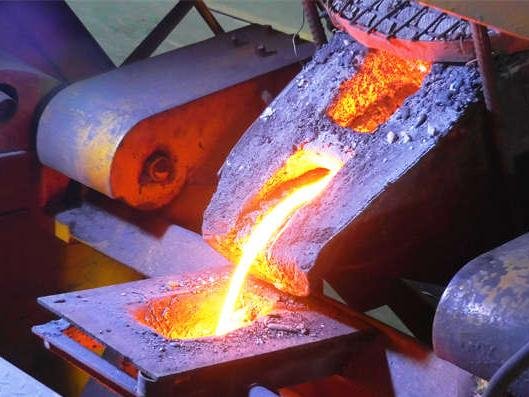
Many companies use shell casting to make metal parts. These parts are strong and have lots of detail. Shell casting helps make parts with smooth surfaces and exact shapes. Some main industries and products are:
- Automotive: Transmission housings, brake parts, and suspension pieces.
- Aerospace and Defense: Turbine housings and landing gear parts.
- General Engineering: Pump casings, gear housings, and valve bodies.
- Marine, Railway, and Agriculture: Pump impellers and hydraulic housings.
- Petrochemical and Energy: Valve bodies, pump parts, flanges, and flow control housings.
- Agricultural Equipment: Gear housings, couplings, lever brackets, and custom mounts.
Shell Casting vs Other Methods
Shell casting is different from sand casting and investment casting. Each way has its own good points. The table below shows how much it costs and how many parts you can make:
| Méthode de coulée | Optimal Annual Volume | Unit Cost Range |
|---|---|---|
| Moulage en coquille | 1,000–50,000 parts | $20–$200 |
| Moulage à la cire perdue | 100–10,000 parts | $30–$300 |
Shell casting is best for making a medium or large number of parts. It costs less per part than investment casting when making more parts.
Wall thickness is also important. Shell casting can make parts with walls as thin as 3–5 mm. Sand casting needs thicker walls, usually over 6 mm. This means ceramic shell casting can make lighter parts with more detail.
Defect rates are lower with shell casting. It has less than 0.5% porosity and inclusions. Shell casting lowers cracks by 40% and misruns by up to 90% compared to other ways. This means better quality and fewer problems.
Tip: Companies pick ceramic shell casting when they want strong, detailed parts at a good price for medium or big orders.
Shell casting provides a reliable solution for producing complex metal components with consistent quality and efficient production costs. This method helps many industries save money and get good quality. The table below lists the main good points and problems:
| Benefits of Shell Casting | Limitations of Shell Casting |
|---|---|
| High precision and good surface finish | Higher initial equipment investment |
| Ability to produce complex geometries | Limited size range |
| Reduced material waste and cost savings | Long setup and processing time |
| Suitable for small to medium production | Fragility of ceramic shells |
| Good mechanical properties and materials | Material restrictions |
Factories should think about the shape, size, and how many parts they need. Picking the right casting method is important. Shell casting gives a good mix of price and accuracy for many jobs. KEMING helps companies get strong, high-quality parts with shell casting.
FAQ
What metals work best with shell casting?
Shell casting works well with iron, steel, aluminum, and copper alloys. These metals melt at high temperatures and fill the shell mold easily. Factories pick the metal based on the part’s job and the industry’s needs.
How does shell casting compare to sand casting?
Shell casting provides better dimensional accuracy and surface quality than traditional sand casting, making it suitable for detailed mechanical parts. Workers use less sand and get more detailed parts. Sand casting costs less for large, simple parts, but shell casting is better for accuracy.
Can shell casting make complex shapes?
Yes. Shell casting can create parts with thin walls, fine details, and tricky shapes. The hard shell mold holds its form during pouring, so the final part matches the pattern closely.
Is shell casting good for small or large orders?
Shell casting fits small to medium orders best. Factories can change molds quickly and make many different parts. For very large orders, other methods like sand casting may cost less.
What industries use shell casting the most?
Many industries use shell casting, such as automotive, aerospace, marine, and agriculture. These fields need strong, detailed parts that last a long time.