FR
FR  EN
EN  DE
DE  ES
ES 
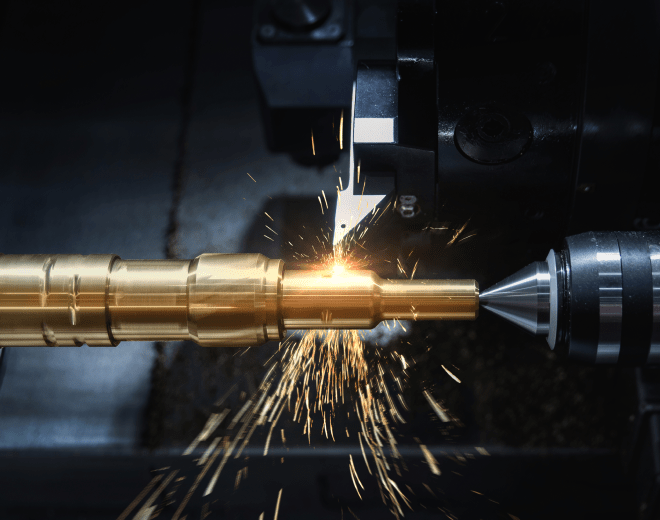
Tournage CNC uses computer control to shape materials. It removes extra material from a spinning workpiece. This process makes accurate round parts for many industries. CNC turning services use machines that follow set instructions. This helps make the same part every time. CNC turning is good at making hard shapes from metal and plastic. It can do this with great accuracy. Many machine parts need CNC turning for good quality. Medical tools, things people use, and sports gear also use this technology. KEMING gives CNC turning services and moulage à la cire perdue. They have skill and always give good quality for each project.
Principaux enseignements
- CNC turning shapes materials by cutting away extra parts from a spinning piece. This makes round parts that are very exact for many industries.
- The CNC turning process has a few main steps. These include programming the machine, holding the workpiece in place, and picking the right cutting tools.
- CNC turning works best for making round parts like shafts and pins. CNC milling is better for flat shapes and more detailed designs.
- Picking the right material is very important for CNC turning. It changes how strong the part is, how much it costs, and if it works for what you need.
- CNC turning gives benefits like high accuracy, speed, and the ability to make many parts. This makes it a top choice for many manufacturers.
CNC Turning Process

Comment fonctionne le tournage CNC
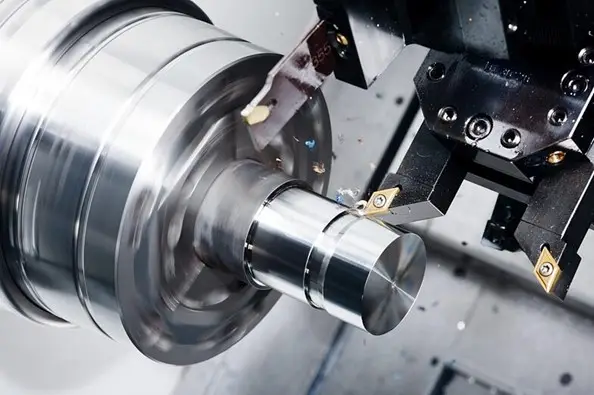
CNC turning is a way to make things by taking away material. It starts with a solid piece called a workpiece. The machine holds the workpiece in a part called a spindle. The spindle spins the workpiece very fast. A cutting tool stays still but moves toward the spinning workpiece. The tool cuts off pieces of material. This shapes the workpiece into round forms like cylinders or cones. CNC turning lets the tool move in two or three directions. This helps make shapes that are tricky and need to be exact.
The cnc turning process follows some main ideas:
- The workpiece spins around one line.
- The cutting tool does not spin but moves closer or farther from the workpiece.
- The tool takes off layers of material until the shape is done.
- The process makes smooth surfaces and parts that fit well.
- CNC turning can make easy or hard shapes.
CNC turning is special because it makes very round parts. The workpiece does not move in a straight line. Only the tool moves straight. This lets cnc turning machines make things like shafts, pins, and bushings with high accuracy.
Key Steps in CNC Turning
CNC turning has steps that must be followed. Each step helps make sure the part is made right.
- The operator puts the CNC program into the machine. The program tells the machine what to do.
- The operator puts the workpiece in the spindle. The workpiece must be tight so it does not move.
- The operator picks the right cutting tools for the job. The tools depend on what the part is made of and its shape.
- The operator puts the tools in the turret. The turret holds many tools for different jobs.
- The machine starts the cnc turning process. The spindle spins the workpiece. The cutting tool moves and starts to cut away material.
- The machine keeps working until the part is the right shape.
- The operator takes out the finished part and checks if it is correct.
CNC turning can do facing, threading, grooving, and drilling. Each job uses a different tool and way of moving. The cnc turning process can make lots of parts fast and with few mistakes.
CNC vs Other Machining Methods
CNC turning and Fraisage CNC are both ways to shape materials. They use different methods and are good for different shapes.
| Aspect | Tournage CNC | Fraisage CNC |
|---|---|---|
| Processus | Workpiece spins; single-point cutting tool | Cutting tool spins; workpiece stays still |
| Applications | Best for round shapes like shafts and pins | Good for flat shapes, slots, and 3D designs |
| Achievable Tolerances | ±0.002 inches for most; ±0.001 inches for very precise | Changes, but can make detailed shapes |
CNC turning is best for making round parts. This is good for things like bushings and bolts. CNC milling is better for flat or tricky shapes. It works well for brackets, housings, and molds.
CNC turning costs less when making many parts. It needs fewer changes and works faster. CNC milling is better for small or medium batches, especially for hard shapes. The price depends on how long the machine runs, the tools, and how much setup is needed.
CNC turning machines are important in factories today. CNC turning helps make strong parts for cars, boats, trains, and farms.
CNC Turning Machines
Types of CNC Turning Machines
CNC turning machines have different types. Each type does special jobs and shapes. The main types are horizontal cnc lathes, vertical cnc lathes, horizontal turning centers, and vertical turning centers. Factories use these machines to make parts for cars and planes. They also make parts for other equipment. The table below shows the types, uses, and benefits of cnc turning machines.
| Type of CNC Turning Machine | Applications | Avantages | Fourchette de prix typique |
|---|---|---|---|
| Horizontal CNC Lathes | Aerospace, automotive, medical, electronics | High precision, versatility, large volume production | $30,000 – $150,000 USD |
| Vertical CNC Lathes | Gears, flanges, flywheels, wind turbines, marine | Heavy part handling, operator ergonomics, stability | $40,000 – $200,000 USD |
| Horizontal Turning Centers | Industrial components, tools, custom parts | Multitasking, reduced setup, high productivity | $50,000 – $250,000 USD |
| Vertical Turning Centers | Bearings, engine parts, machinery, prototypes | Complex shapes, high accuracy, reduced floor space | $60,000 – $300,000 USD |
Factories use cnc turning machines to make parts that fit very well. KEMING uses advanced cnc turning machines. They use precision lathes and cnc lathe machines. These machines help make custom parts for many industries.
Main Components of a CNC Turning Machine
A cnc turning machine has many key parts. Each part helps the machine work and make accurate parts. The table below explains the main parts and what they do.
| Composant | Fonction |
|---|---|
| CNC Control Panel | Controls programs and movements. |
| Spindles | Spins the workpiece for turning. |
| Headstocks and Tailstocks | Support the workpiece for stability. |
| Tool Turret | Holds and changes cutting tools quickly. |
| Chuck and Collet | Secure the workpiece in place. |
| Lathe Bed | Provides a strong base and keeps parts aligned. |
| Carriage | Moves the cutting tool for shaping. |
CNC Turning Machine Operations
Operators use cnc turning machines for many jobs. They load the workpiece and set up the tools. Then they start the cnc turning process. The machine spins the workpiece and moves the cutting tool to shape it. Operators check the finished part to see if it is correct. Quality control steps include checking size, testing materials, watching the process, checking surface finish, using statistics, and inspecting the first part.
Tip: Picking the right cutting tools helps make smooth surfaces and accurate parts. Operators choose tools based on the material and what they want. Changing tool shape, speed, and feed rate can make surfaces smoother and parts more exact.
KEMING uses cnc turning machines with new technology. Their equipment has 30 precision lathes and 10 cnc machines. These machines help KEMING make strong parts for cars, boats, trains, and farms.
Materials for CNC Turning
Metals Used in CNC Turning
CNC turning uses many metals to make strong parts. Each metal has its own special features. These features make each metal good for certain jobs.
- Aluminum is light and does not rust. It carries heat well and costs less than other metals.
- Steel is very strong and lasts a long time. Factories can change steel to fit different needs.
- Brass does not rust and is easy to cut. It looks nice, so people use it for parts you can see.
- Titanium is very strong for how light it is. It works well in hard places, like airplanes or medical tools.
These metals help cnc turning make parts for cars, planes, and machines. Aluminum is good for car and airplane parts because it is light. Steel is used for things that need to be strong, like gears or shafts. Brass is great for valves and fittings. Titanium is best for parts that need to work very well.
Plastiques et autres matériaux
CNC turning does not just use metals. It also shapes plastics and other materials for many things. Some plastics are strong and light. This makes them good for special parts.
| Matériau | Applications |
|---|---|
| ABS | Automotive, Consumer Goods |
| PEEK | Aerospace, Medical Devices |
| Nylon | Lightweight, Strong Components |
| PTFE | Chemical Processing |
| Acrylic | Signage, Displays |
CNC turning shapes plastics for medical tools, car parts, and signs. These materials help make parts that need to be light, strong, or safe for special uses.
Choisir le bon matériau
Choosing the right material for cnc turning is important. The material changes how the part works and how much it costs. People think about a few things before picking a material.
| Critères | Description |
|---|---|
| Propriétés mécaniques | The part must be strong and hard enough for its job. |
| Usinabilité | Some materials are easier to cut than others. |
| Résistance à la corrosion | Parts that get wet or touch chemicals need this feature. |
| Coût | The price of the material changes the total cost. |
People also think about if the material fits the design. They check if it is easy to get for big orders. CNC turning works best when the material matches the job. This helps make strong, safe, and low-cost parts.
Advantages and Disadvantages of CNC Turning
Avantages du tournage CNC
CNC turning has many good points for factories today. It uses computers to shape parts very exactly. Factories like cnc turning because it makes round parts that fit well. The machines follow set steps, so every part is the same.
Here is a table that lists the main good things about cnc turning:
| Bénéfice | Description |
|---|---|
| Précision | CNC turning gives very exact round parts. This is important for balance and strength. |
| Efficacité | CNC turning machines make parts faster. They do not lose quality. |
| Évolutivité | CNC machining can go from making one part to many parts quickly. This is good for different factory needs. |
Precision cnc turning can make parts as close as ±0.0001 inches. The machines can do the same job over and over with no mistakes. This means less waste and saves money. CNC turning helps factories make both small and big orders.
Note: CNC turning lets engineers try new ideas fast. They can test and then make lots of parts without waiting.
CNC turning is also better for the earth. These machines use less power and make less trash than old ways. They recycle and use coolants that are safe for nature. This makes cnc turning a smart pick for companies that want to help the planet.
Precision cnc turning also makes parts look smooth. The parts work well in engines, tools, and machines. KEMING uses new cnc turning machines to make strong parts for cars, boats, trains, and farms.
Limitations of CNC Turning
CNC turning cannot do everything. Some parts cannot be made this way. The machine is best for round shapes. If a part needs flat sides or tricky curves, cnc milling is better.
Here are some common things cnc turning cannot do:
- Geometric limits: Parts that are not round or need special shapes are better for cnc milling.
- Hard to reach spots: Inside parts that cannot be reached from the ends are tough or not possible to make with turning.
- Holding problems: Very short, thin, or weird-shaped parts are hard to hold. This can hurt accuracy.
- Design limits: Curved holes and very thin walls are not easy to make with cnc turning.
- Not good for 3D shapes: CNC turning cannot make hard non-round shapes like multi-axis milling can.
CNC turning is best for shafts, bushings, and other round parts. For parts with lots of flat sides or deep holes, other cnc ways may be needed. Still, precision cnc turning is a top pick for many jobs because it is fast, exact, and does the same thing every time.
Applications of CNC Turning
Common CNC Turned Parts
CNC turning makes many parts we use every day. It shapes round and cylinder items with great accuracy. Factories use cnc turning for simple and hard parts. These parts help products stay strong and work well.
Here is a table that shows common parts made by cnc turning and where they are used:
| Type de pièce | Applications typiques |
|---|---|
| Mechanical Components | Engines, industrial equipment, production lines |
| Electrical Components | Audio connector pins, control knobs, motor parts |
| Fluid Control Components | Nozzles, hydraulic rods, fittings |
| Dispositifs médicaux | Implants, prosthetics, surgical instruments |
| Consumer Products | Watch bezels, lamp holders, toys |
| Sports Equipment | Custom bats, clubs, athletic gear |
| Fixations | Screws, pins, bolts, washers |
CNC turning makes parts smooth and exact. Many industries trust cnc turning for parts that must fit well. Turning also helps make special parts for medical tools and sports gear.
Industries Using CNC Turning
Many industries need cnc turning for their products. Each industry wants parts that are strong and reliable. CNC turning is used in many fields.
The table below shows how different industries use cnc turning:
| L'industrie | Applications |
|---|---|
| Automobile | Engine components, transmission parts, brake parts |
| Marine | Propellers, rudders, hull components |
| Agriculture | Tractor components, combine parts, irrigation equipment |
| Railroad | Precision parts for rail components |
| La construction | Parts for machinery like bulldozers and cranes |
Automotive companies use cnc turning for engine and brake parts. Marine industries need turning for propellers and hull parts. Farmers use cnc turning for tractor and irrigation parts. Railroads use cnc turning for rail parts that must last long. Construction companies need strong parts for big machines.
KEMING helps these industries with quality cnc turning services. Their team makes custom parts for cars, boats, trains, and farm equipment. CNC turning helps many businesses build safe and reliable products.
Note: CNC turning lets each industry make parts that fit their needs. This process helps many fields grow and try new ideas.
CNC turning helps make new things in factories. It uses cnc machines to make round parts that are very smooth. Many industries use cnc turning because it is fast and accurate. Manufacturers like cnc turning since it needs less setup and fewer tools. KEMING follows rules like ISO 9001:2008. Their cnc turning services help companies make strong products for cars, boats, trains, and farms.
FAQ
What is the main difference between CNC turning and CNC milling?
CNC turning spins the workpiece. The tool does not move. CNC milling spins the tool. The workpiece stays still. Turning makes round parts. Milling makes flat or tricky shapes.
Which industries use CNC turning the most?
Many industries use CNC turning. Car, boat, train, and farm companies need round parts. Medical and electronics companies use CNC turning for special pieces.
How accurate are CNC turned parts?
CNC turned parts can be very exact. They can be as close as ±0.001 inches. This helps parts fit well and work right in machines.
Can CNC turning work with both metals and plastics?
Yes! CNC turning shapes metals like steel, aluminum, and brass. It also works with plastics like ABS, nylon, and PEEK. This helps many industries make different parts.