FR
FR  EN
EN  DE
DE  ES
ES 
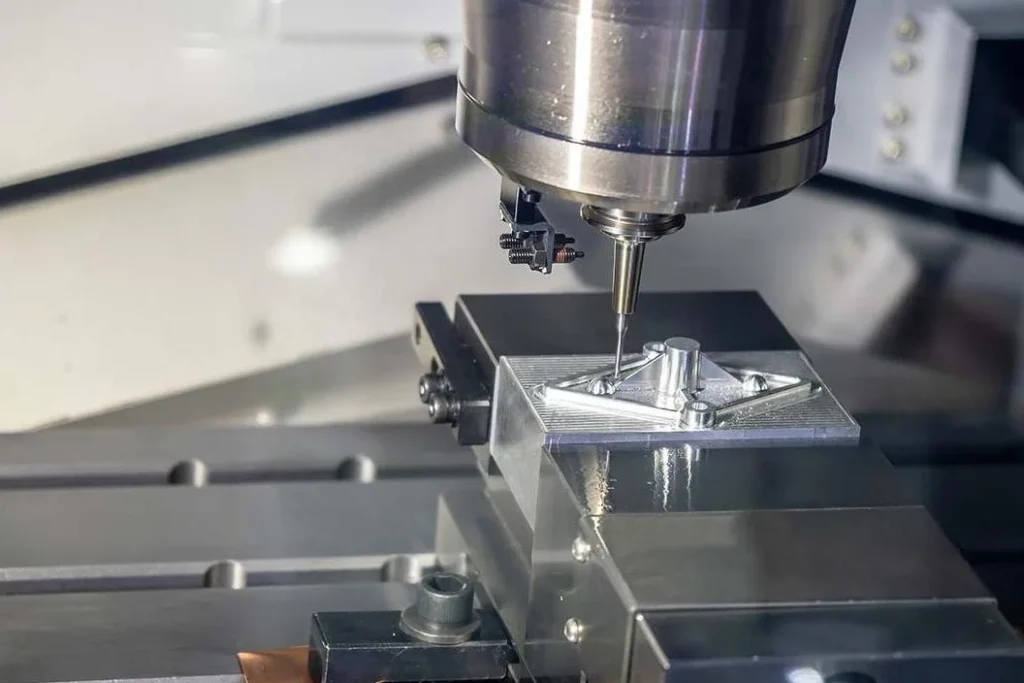
3-axis CNC milling uses machines controlled by computers. These machines shape materials in three directions: X, Y, and Z. This process makes very accurate parts for many fields. CNC technology helps companies make parts fast and with great accuracy.
Principaux enseignements
- CNC machines work faster than people using manual milling. They are also more precise. This makes them good for making parts like engine pieces and medical tools.
- Safety is very important in CNC milling. Operators must wear safety gear. They should check machines often to stop accidents from happening.
- 3-axis CNC milling saves money for small batches and prototypes. Companies do not need to spend much on molds or keeping extra parts.
- 3-axis CNC milling works well for many shapes. But it cannot handle very complex designs. Multi-axis machines are better for making tricky shapes.
How 3-axis CNC Milling Works
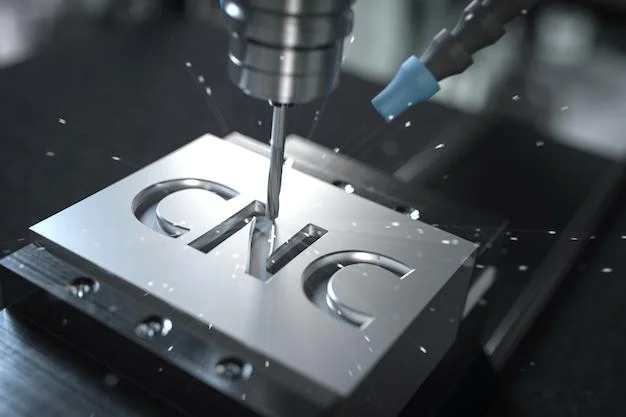
X, Y, and Z Axis Movements
A 3-axis cnc machine moves its tool in three ways. The X axis goes side to side. The Y axis moves from front to back. The Z axis goes up and down. These movements help the machine shape things very well. Operators tell the cnc machine what path to follow. The computer controls each step. This means the machine does the same thing every time.
Tip: The computer in a 3-axis cnc machine helps avoid mistakes. This makes the process more exact and dependable.
Manual milling depends on how skilled the person is. A 3-axis cnc machine uses computer commands instead. This gives better accuracy and makes the same part again and again.
| Attribut | Usinage CNC | Traditional Milling |
|---|---|---|
| Tolérance typique | ±0.005 mm (high precision) | ±0.01 mm (general industrial) |
| Répétabilité | Excellent (Automated) | Variable (Operator-dependent) |
| Finition de la surface | Consistent, High Quality | Variable, Moderate Quality |
CNC machining provides higher precision and repeatability than traditional manual milling.
New improvements in 3-axis cnc make it faster and more accurate. Modern spindles can change speed and have strong power. Sensors watch the machine and help with repairs. Smart controllers use AI to guess when to fix things and reach tiny measurements.
| Type d'avancement | Description |
|---|---|
| Enhanced Spindle Technology | Variable speed, high torque, thermal stability |
| Automated Monitoring Systems | Real-time tracking, predictive maintenance |
| Advanced CNC Controllers | AI and machine learning for micrometer accuracy |
Material Shaping Process
The process starts when the operator locks the workpiece on the table. The machine uses a spinning tool to cut away material. The tool moves along the X, Y, and Z axes to make the right shape. The computer program tells the cnc machine where and how deep to cut.
A 3-axis cnc can work with many materials like aluminum, stainless steel, brass, and plastics. The machine follows the program to make parts with tight limits. Most jobs can reach tolerances of ±0.005 mm (high precision). This is good for most general machining work.
Safety is very important during the shaping process. Operators must wear safety gear. They check and fix cnc machines often. Emergency stop buttons help stop accidents. Holding workpieces tight keeps them from moving.
- Personal Protective Equipment (PPE) keeps you safe from flying pieces.
- Checking and fixing machines stops problems.
- Emergency stop buttons help in dangerous times.
- Holding workpieces tight stops them from coming loose.
There can be problems during 3-axis cnc milling. Keeping quality the same needs strict checks and watching. Better software helps make the process faster. Tools can wear out, so they need care and strong tools. Cooling systems and breaks help with heat. Machines that move materials by themselves keep things running smoothly.
| Défi | Solution |
|---|---|
| Qualité Cohérence | Strict quality control and real-time monitoring |
| Process Optimization | Advanced software and continuous improvement |
| Usure des outils | Rigorous maintenance and high-quality tools |
| Gestion de la chaleur | Enhanced cooling systems and periodic machine rests |
| Material Handling | Automated systems and precise scheduling |
3-axis CNC milling enables controlled material removal through programmed toolpaths. The process makes parts that are always the same.
3-axis CNC Features
Supported Materials
3-axis cnc machines can work with many materials. They can cut metals and plastics easily. 3-axis CNC machines commonly process aluminum, stainless steel, brass, and plastics. These materials help make parts that are strong, light, or do not rust. The table below lists common materials, their features, and where they are used:
| Matériau | Caractéristiques | Applications courantes |
|---|---|---|
| Aluminium | Lightweight, moderate strength, good corrosion resistance | Aerospace, automotive parts |
| Acier inoxydable | Superior strength, corrosion resistance, excellent wear resistance | High-stress applications |
| Cuivre | Excellent conductivity, softer, less mechanical strength | Electrical connectors, heat exchangers |
| Plastiques | Lowest strength, good corrosion resistance, electrical insulation | Lightweight, non-load-bearing parts, prototypes |
Modern 3-axis CNC machines can make complex shapes and hold tight limits. This lets them create tricky parts for many jobs. Their team picks the best material for each part. This makes sure the part works well.
Types of Parts Produced
3-axis cnc can make small and big parts. The machines can cut pieces as tiny as 4×4 mm (0.1×0.1 in). They can also make parts as large as 4000×1500×600 mm (157.5×59.1×23.6 in). This wide size range supports various industrial applications.
3-axis CNC milling is widely used for rapid prototyping, small-batch production, and custom components. Their cnc machines can make brackets, housings, gears, panels, and more. They also finish parts to make them look and work better. Some finishes are:
- As-milled: Fastest, but tool marks show.
- Bead blast: Makes rough surfaces smooth.
- Anodized (Type II): Adds color and stops rust.
- Powder coat: Makes a hard, tough layer.
- Electropolished: Makes the surface smoother.
Quality inspection ensures consistent dimensional accuracy. Their 3-axis cnc machines help them keep high standards for accuracy and speed. This makes them a good choice for companies that need cnc parts they can trust.
3-axis CNC Advantages
Simplicity and Cost
3-axis cnc is easy to use for making parts. The machine design helps workers set up jobs fast. Many companies pick 3-axis cnc because it needs less training. New workers can learn to use these machines quickly. This makes setup faster and gives more time to make parts.
3-axis cnc costs less than other cnc machines. The hourly rate is about $40. A 4-axis machine costs $75 to $120 per hour.
Other costs are tools, accessories, and maintenance. These add to the total price, but 3-axis cnc stays affordable. Companies use 3-axis cnc for simple shapes and flat parts. This keeps costs low and helps make parts fast.
Note: 3-axis cnc is good for making a few parts. It helps companies avoid spending lots of money on molds or big inventories.
Precision and Speed
3-axis cnc gives high accuracy and makes parts the same every time. These machines can make parts with tight limits. The machines keep the same accuracy for each part. This builds trust and reliability.
The table below shows the main benefits of using 3-axis cnc for samples and small batches:
| Bénéfice | Description |
|---|---|
| Speed and Flexibility | Quick changes to designs and fast product launches. |
| Rapport coût-efficacité | Lower costs by skipping molds and big inventories. |
| Haute précision | Repeatable accuracy for industries that need tight tolerances. |
| Perfect for Prototyping | Rapid prototyping to test designs before full production. |
They help companies get parts fast, which is important for new products. The machines also allow quick changes to designs. This helps companies improve products faster.
Their team uses advanced cnc machines to meet high standards. This focus on quality, precision, and reliability makes KEMING a trusted partner for cnc projects.
- 3-axis cnc gives high accuracy for simple shapes.
- The machines offer fast turnaround times.
- CNC systems support reliable production.
3-axis CNC Limitations
Geometric Constraints
3-axis cnc milling is good for many parts, but not all. Some shapes are too hard or cannot be made this way. These machines only move in three directions. They cannot reach every spot or angle on a part. Some features are very tricky for them:
- Surfaces that curve in lots of ways
- Deep holes that need long tools
- Engraving on hidden spots
- Undercuts below the main area
- Features that need cutting from more than one side
A 3-axis cnc machine must stop and move the part to reach these spots. This can cause mistakes or take more time. The size of the machine table also matters. Big or strange-shaped parts might not fit. These parts need other ways to be made.
Other problems are cost and mistakes during setup. Workers must check each step to stop errors. These limits mean you must pick the best process for each job.
Comparison with Multi-Axis CNC
Multi-axis cnc machines, like 4-axis and 5-axis, can move in more ways. They can reach more spots in one go. These machines work faster and make complex shapes better. For example, a 5-axis cnc can cut all sides without stopping. This saves time and lowers mistakes.
When you compare 3-axis cnc to multi-axis, you see some big differences:
| Fonctionnalité | 3-Axis CNC Milling | Multi-Axis CNC Milling |
|---|---|---|
| Coût | Cheaper to use | Costs more at first |
| Speed | Good for easy parts | Faster for hard shapes |
| Complexité | Simple to use, good for new users | Needs skilled workers |
| Setup | Needs more setups for hard parts | Can reach all sides in one setup |
| Économies à long terme | May cost more for hard jobs | Saves money on hard jobs over time |
Multi-axis cnc machines are better for tricky parts. They cut down setup time and work faster. More axes also mean fewer mistakes. But 3-axis cnc is still great for simple shapes and lower prices.
3-axis CNC Applications
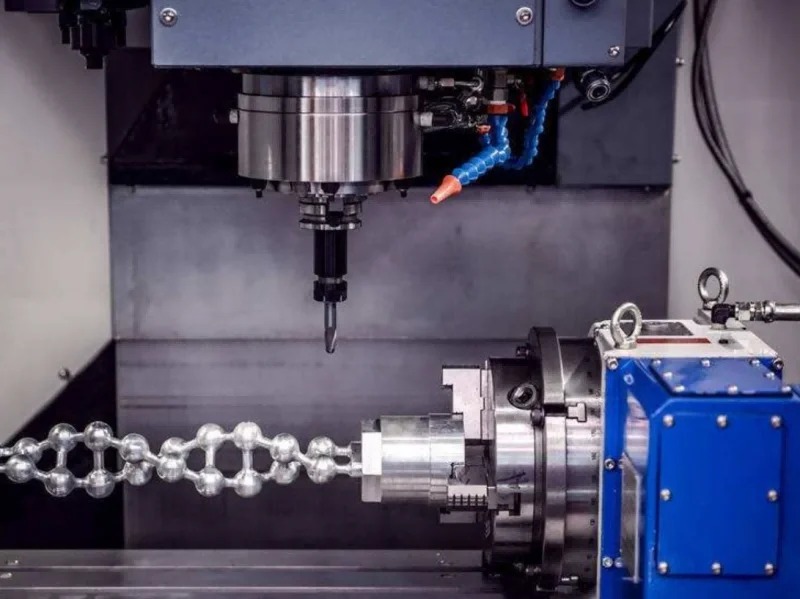
Utilisations industrielles
Many industries use 3-axis cnc milling to make important parts. KEMING helps companies in aerospace, automotive casting, medical, electronics, and farming. Aerospace engineers use cnc machines to make plane parts that are strong and light. Car workers use cnc to make engine and safety parts. Medical teams need exact tools and implants. Electronics makers use cnc to shape circuit boards and connectors. Farmers get tough machine parts from cnc.
Note: KEMING’s 3-axis cnc milling helps make new products fast. Their team picks the best material and process for each job.
KEMING’s technology lets them make tricky shapes and hold tight limits. Their machines make parts fast and with good accuracy. This helps companies bring out new products and work better.
Example Products
3-axis cnc milling makes many different products. In cars, workers use cnc to make engine parts like pistons, cylinder heads, crankshafts, and connecting rods. In planes, teams make landing gear, turbine blades, fuselage supports, and wing spars.
- Engine parts: pistons, cylinder heads, crankshafts, connecting rods
- Plane parts: landing gear, turbine blades, fuselage supports, wing spars
KEMING also helps medical and electronics companies with very exact parts. Their machines can make parts as close as ±0.01 mm (general industrial), which is needed for these jobs. The table below shows how KEMING’s 3-axis cnc milling helps medical and electronics work:
| Fonctionnalité | Description |
|---|---|
| Précision | Makes parts as close as ±0.01 mm (general industrial), which is needed for medical and electronics. |
| Polyvalence des matériaux | Works with metals and plastics for many needs. |
| Advanced Technology | Uses 3-axis, 4-axis, and 5-axis milling for hard part making. |
KEMING’s cnc milling also makes housings, brackets, gears, and panels for farming and other jobs. Their custom solutions fit each industry’s needs, so parts are always good and reliable.
3-axis cnc milling helps companies make parts that fit exactly. It works with many materials and makes shapes for cars, planes, and medical tools. Businesses pick cnc because it saves money and works fast. It also makes parts with tight limits. The table below explains why companies like this process:
| Avantage | Description |
|---|---|
| Rapport coût-efficacité | Good for samples and small batches. It skips expensive molds. |
| Efficacité opérationnelle | Makes custom engine parts, gears, and chassis quickly. |
| Haute précision | Helps titanium implants get the right size and finish. |
KEMING uses advanced cnc machines for quick samples and custom jobs. Their team gives accurate and high-quality parts every time. Companies trust KEMING for reliable service and expert help.
FAQ
What materials can 3-axis CNC milling machines process?
3-axis CNC milling machines can cut metals like aluminum, stainless steel, and brass. They also work with plastics. Material selection depends on application requirements. This helps make parts strong and long-lasting.
How accurate are 3-axis CNC milling machines?
These machines can make parts with tolerances as close as ±0.005 mm (high precision). KEMING checks each part to make sure it is correct. This process gives the same results every time for jobs that need high accuracy.
What industries use 3-axis CNC milling?
Aerospace, automotive, medical, electronics, and agriculture all use 3-axis CNC milling. KEMING makes special parts for each industry. Their machines make parts that meet tough rules.
Can 3-axis CNC milling create complex shapes?
3-axis CNC milling can make many shapes like brackets, housings, and gears. For very tricky parts, KEMING uses other machines with more axes. Their team helps pick the best way for each part.
How fast can KEMING deliver CNC-milled parts?
KEMING can make samples quickly and finish jobs fast. Their team works hard to get projects done on time. Clients get their parts sooner, which helps them make new products faster.