FR
FR  EN
EN  DE
DE  ES
ES 
Precision parts are components with extremely precise dimensions. They have very small tolerances for error, thus requiring extremely high accuracy. This ensures a perfect fit in machine assembly and smooth operation. Numerous industries require these high-precision parts. The aerospace industry uses them for engines and control systems; automotive manufacturers use them for engines and transmissions; the medical device industry uses them for implants and surgical instruments; and the electronics industry uses them to manufacture micro-components.
Principaux enseignements
- Precision parts possess precise dimensions and stringent tolerance requirements. This ensures a perfect fit and efficient operation in machine assembly.
- Precision parts are widely used in numerous industries. The automotive, aerospace, and medical device industries have a rigid demand for these parts due to safety and performance considerations.
- Stainless steel and aluminum are favored for their high strength and durability. These materials are frequently used in the manufacture of precision parts.
- Usinage CNC et moulage à la cire perdue are common processes for manufacturing precision parts. These manufacturing methods contribute to the production of high-quality parts.
- Quality control is crucial in this field. Strict quality standards ensure that every component is safe, reliable, and performs its intended function correctly.
Precision Parts Overview
Caractéristiques principales
Precision components are characterized by their extremely high precision and superior quality. Manufacturers design these components using stringent tolerance standards, compressing the error range to near zero. Dimensional accuracy is paramount; even minute deviations can lead to assembly failure or malfunction. Surface finish is equally important, determining surface smoothness or roughness, thus affecting the component’s lifespan. Good surface finish contributes to increased component durability and prevents premature damage.
Manufacturers meticulously control details such as holes, threads, and overall shape. These details ensure that precision components can fit and connect perfectly with other components. Many industries urgently require these components because they must operate efficiently in harsh working environments.
Common Materials
Manufacturers select materials for precision components based on their strength and toughness. Stainless steel is widely used due to its high strength and long service life. Aluminum is lightweight and rust-resistant, making it applicable in many fields. Brass is easy to form and has an attractive appearance. Titanium is strong yet lightweight.
The properties of each material affect the performance of the component. Hardness helps the component resist wear and withstand heavy loads. Corrosion resistance ensures the safe use of parts in harsh environments. Heat treatment and metal blending can further enhance material properties, making them more suitable for manufacturing precision parts.
Tip: Choosing the right material is crucial. It determines the lifespan and performance of the parts.
Precision Parts Manufacturing
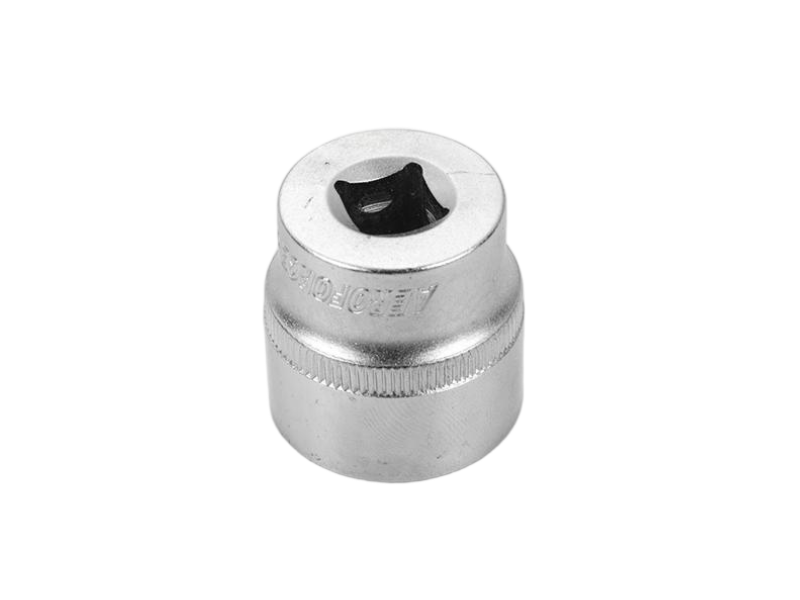
Manufacturers employ specialized processes to create precision parts. Kemin is renowned for its expertise in investment casting and CNC machining. These processes help produce parts that meet design requirements and are suitable for numerous applications.
Moulage à la cire perdue
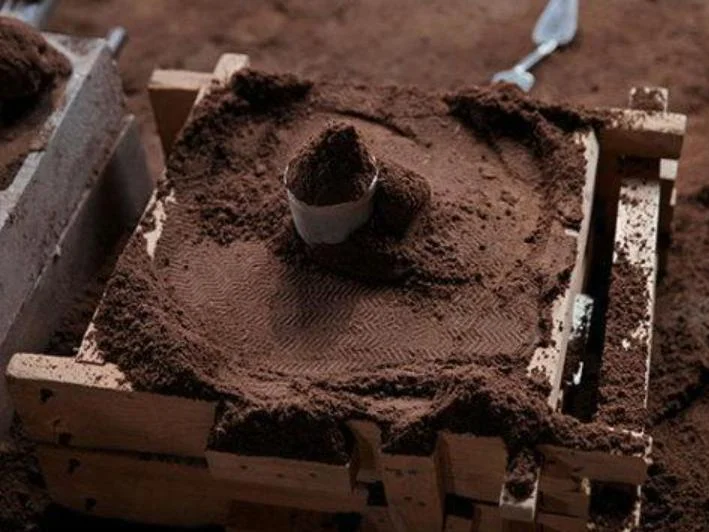
Investment casting is a method for manufacturing high-precision parts. The steps are as follows:
- Wax Model Making: Workers create a wax model that closely resembles the shape of the actual part.
- Ceramic Shell Forming: A hard ceramic layer is applied to the surface of the wax model.
- Dewaxing: The wax model melts, leaving a hollow ceramic shell.
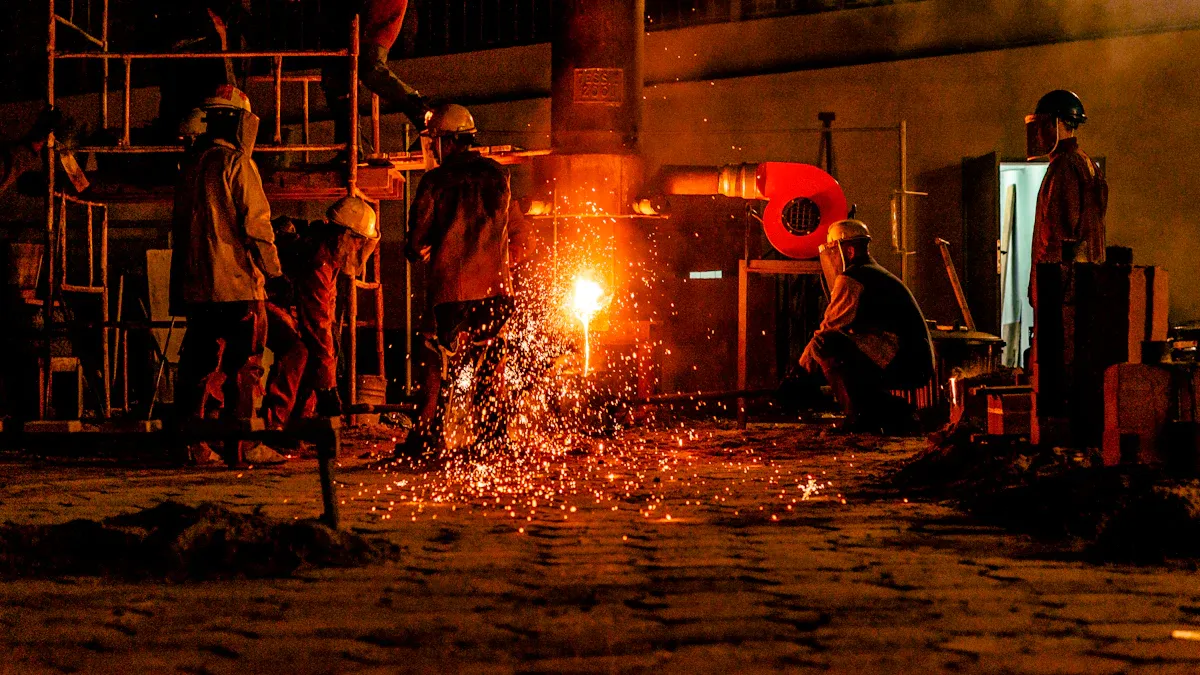
- Metal Pouring: Hot metal is poured into the ceramic shell.
- Shelling: Workers break the ceramic shell and remove the metal part.
- Finishing and Inspection: The part is cleaned and inspected to ensure it is defect-free.
Each step in investment casting requires careful inspection, allowing the production of parts with extremely small tolerances.
Usinage CNC
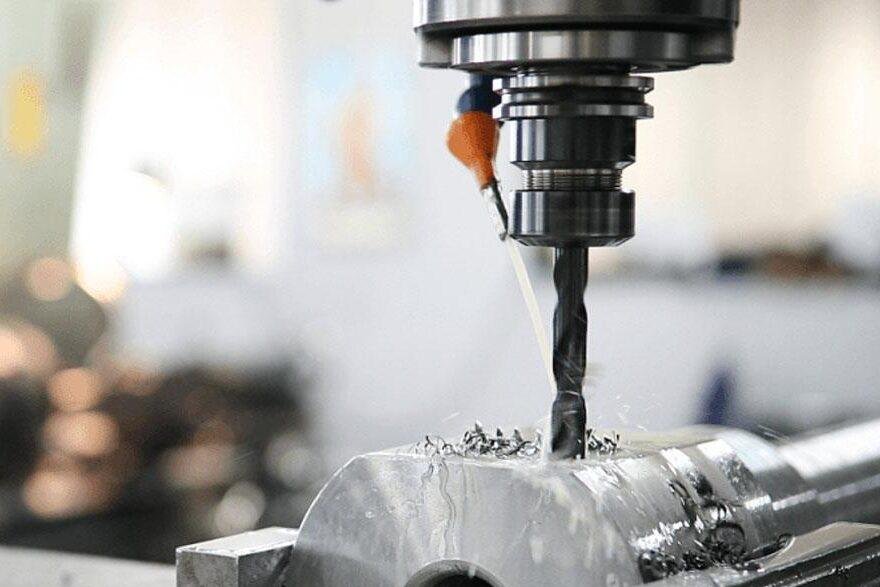
CNC machining uses computer-controlled machines to cut metal. This method enables manufacturers to make minute modifications, even down to the micrometer level. Designers use CAD/CAM software to create machining plans for the machines. The machines strictly adhere to these plans, ensuring that the dimensions and shape of each part are perfectly consistent.CNC turning and milling make hard shapes and keep tight tolerances.
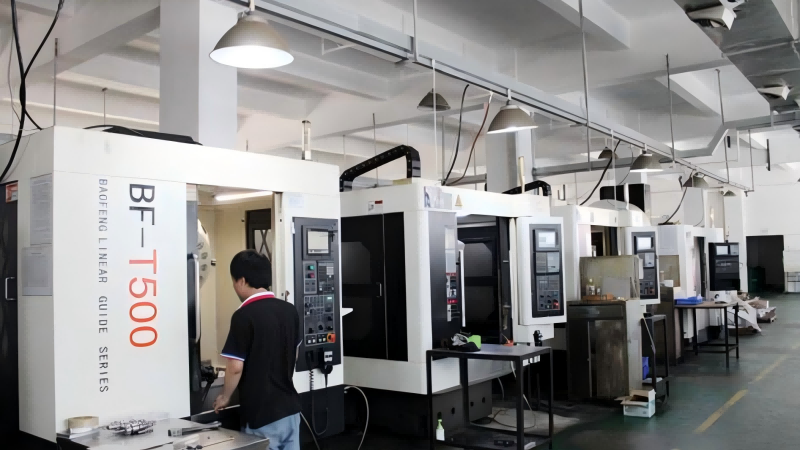
KEMING uses new CNC machine tools to machine parts quickly and accurately. These machines can process a variety of materials and produce parts with simple or complex shapes. The table below shows the accuracy of different CNC machining methods:
| CNC Machining Technology | Niveau de précision | Industry Standard | Improvement |
|---|---|---|---|
| Tournage CNC | ±0.005mm | ±0.02mm | 75% |
| Fraisage CNC | ±0.01mm | ±0.05mm | 80% |
| Meulage CNC | ±0.002mm | ±0.01mm | 80% |
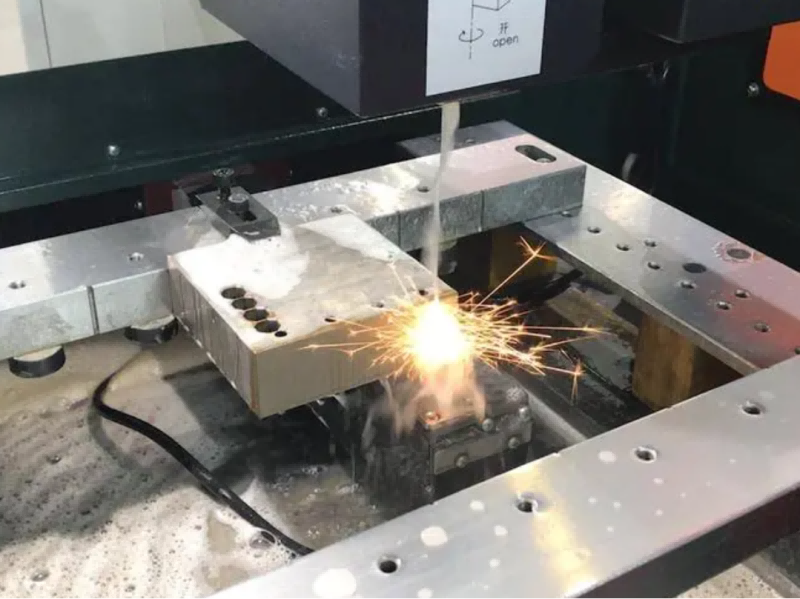
| CNC EDM | ±0.01mm | ±0.05mm | 80% |
| Wire EDM | ±0.001mm | ±0.01mm | 90% |
CNC machining facilitates the production of large quantities of identical parts. This is crucial in fields such as aerospace and medical, where even minute errors can have serious consequences.
Contrôle de la qualité
Quality control is essential for precision parts. These standards ensure that each part is safe, reliable, and of superior quality.
| Quality Control Standard | Description |
|---|---|
| ISO 9001:2015 | Makes sure records, risk checks, and actions meet goals. |
| Six Sigma | Uses data to lower mistakes and make things better. |
| Normes spécifiques à l'industrie | Needs careful checks in aerospace, medical, and cars. |
KEMING uses digital tools to inspect each part. They can handle both custom and high-volume orders while consistently maintaining high quality. Their team works closely with customers to ensure that every part meets design requirements and functions correctly.
Tip: Choosing a manufacturer with a robust quality control system helps ensure that every part performs well and extends its lifespan.
Industrial Precision Parts
Automobile
Automotive companies need precision parts to build safe cars. These parts include engine blocks, pistons, gears, and brakes. Manufacturers use precisely sized parts to help cars run better.
Marine and Railroad
Boats and trains require robust precision parts to operate smoothly. They use self-lubricating bearings, fire-resistant materials, and special couplings. These parts help extend the life of the vehicle and reduce maintenance. Bearings in gearboxes and bogies reduce friction and absorb forces. Large propellers, drive shafts, and engine hoods also require precision parts. This helps extend their lifespan and reduce fuel consumption.
Agriculture
Farmers use precision parts in tractors and harvesters. High-quality machined parts help machines run smoothly, reduce failure rates, and ensure machines function properly in harsh environments. Gears, blades, and pump parts make machines reliable and efficient.
Dispositifs médicaux
Medical devices require precision parts to ensure patient safety. Manufacturers use CNC machining technology to ensure the dimensional accuracy of parts. Surgical instruments, implants, and dental instruments must be accurate every time. Biocompatible materials can be washed and used for a long time. Hospitals and medical companies use these parts for custom implants and rapid testing.
| L'industrie | Examples of Precision Parts | Significance/Use Case |
|---|---|---|
| Automobile | Engine blocks, pistons, gear systems, brake callipers | Very exact parts help cars work better and safer; help with electric cars. |
| Marine | Propellers, drive shafts, engine housings, bearings | Help save fuel, last longer, and keep ships safe. |
| Agriculture | Transmission gears, blades, pump parts, sensors | Make machines work well, grow more crops, and help smart farming. |
| Dispositifs médicaux | Surgical tools, implants, dental devices, prosthetics | Safe for people, follow rules, can be custom made, and work well. |
The Importance of Precision Components
Reliability
Precision components make machines operate more efficiently and have a longer lifespan. Businesses experience lower failure rates and reduced maintenance time. Many industries use these components because they help everything run smoothly. These improvements enable factories, cars, and aircraft to operate trouble-free for longer periods. Tight tolerances ensure that every part fits perfectly, reducing errors and preventing sudden machine failures.
Safety and Performance
In the automotive, aerospace, and medical equipment industries, safety is paramount. Precision components ensure that every part functions as intended, thus protecting personnel safety. Even minor errors can have serious consequences, making precision crucial.
| Métrique | Improvement |
|---|---|
| Vehicle Performance | Up to 15% |
| Defect Reduction | 30% |
| Component Failure Likelihood | Reduced a lot |
Precision parts enhance product performance. They make cars faster, machines more robust, and tools more reliable. This is why many industries use precision parts in their most critical processes.
Precision parts are extremely dimensionally precise. Manufacturers use processes such as CNC machining, milling, and investment casting to shape them. They regularly inspect the parts to ensure high quality. Many industries require these parts for efficient operation and extended lifespan.
- Precision parts help automobiles, ships, and medical equipment function better.
- Automation and 3D printing technologies help manufacturers complete their work efficiently.
Choosing a professional partner like Keming will get you robust and durable custom parts. They adhere to stringent quality standards. They have modern factories and experienced employees, producing reliable parts for numerous industries.
FAQ
What are the main uses of precision parts?
Precision parts help machines operate smoothly. They are widely used in automobiles, aircraft, ships, agricultural implements, and medical equipment. These parts ensure equipment is safe, reliable, and has a longer lifespan.
How do manufacturers inspect the quality of precision parts?
Manufacturers use specialized tools to measure dimensions and shapes, strictly adhering to standards such as ASTM and ISO. They also test the strength, hardness, and defects of the parts.
What materials do manufacturers use to manufacture precision parts?
Manufacturers typically use stainless steel, carbon steel, iron, aluminum, brass, and engineering plastics. The choice of material depends on the specific application. Some parts require high strength, while others require rust resistance.
Why are tight tolerances so important?
Tight tolerances mean that parts fit perfectly, reducing the probability of errors. When parts perfectly match the design, machines operate more efficiently and have a longer lifespan.
Can the company customize precision parts?
Yes, the company can customize parts. Manufacturers like KEMING work with customers to design and produce parts according to their specific needs. They are able to handle orders of all sizes.