FR
FR  EN
EN  DE
DE  ES
ES  PT
PT  RU
RU 
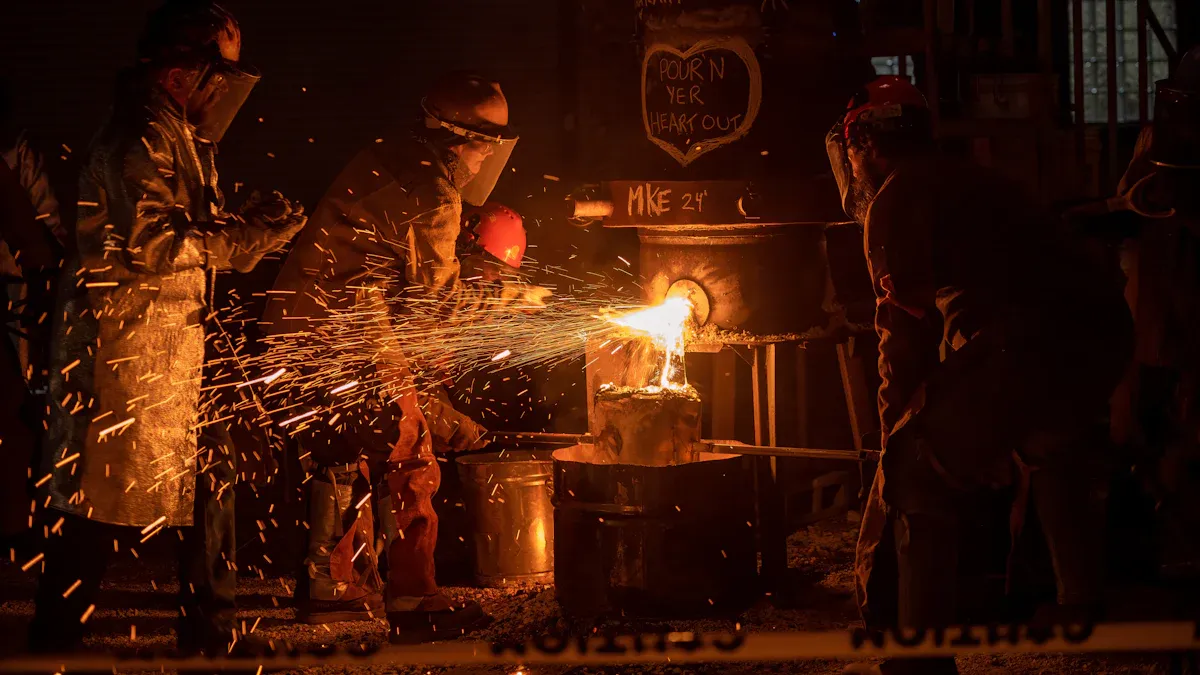
Le moulage en mousse perdue peut sembler un procédé sophistiqué, mais il coûte généralement moins cher qu'on ne le pense. Le prix peut varier à la hausse ou à la baisse. Il dépend d'éléments tels que le matériau utilisé, le nombre de pièces commandées et le niveau de compétence de l'opérateur. Fabricant de mousse perdue est. Voici une comparaison simple :
Facteur de coût | Moulage en mousse perdue | Moulage à la cire perdue |
|---|---|---|
Coûts des matériaux | Plus bas | Plus élevé |
Coûts d'outillage et d'installation | Plus bas | Plus élevé |
Coûts de main-d'œuvre et de transformation | Moins de travail | Plus intensive en main-d'œuvre |
Résumé | Plus rentable | Meilleur pour la précision |
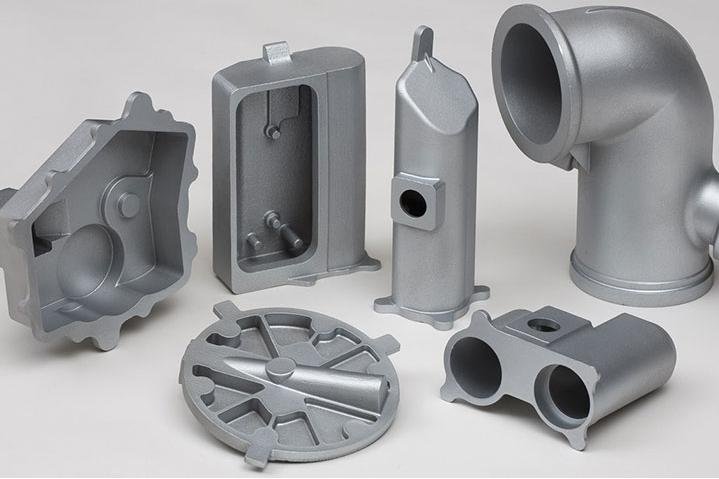
Les bons fabricants, comme KEMING, utilisent les nouvelles technologies pour maintenir des prix bas et une qualité élevée. Ils savent comment choisir les meilleurs matériaux et améliorer le processus. Cela contribue à Pièces moulées pour l'automobile , Pièces de fonderie marine, Fonte des chemins de feret Moulages agricoles économiser de l'argent.
Le choix des bons matériaux, comme les outils en polymère ou les différents sables, peut réduire les coûts.
Des travailleurs qualifiés et des machines modernes permettent d'effectuer le travail plus rapidement et à moindre coût.
Le moulage en mousse perdue montre que les nouvelles idées peuvent en même temps aider à économiser de l'argent.
Principaux enseignements
Le moulage en mousse perdue coûte généralement moins cher que d'autres méthodes telles que le moulage à la cire perdue et le moulage au sable, car il utilise des matériaux moins coûteux et nécessite moins de travail. Le choix de bons matériaux et une meilleure conception peuvent permettre d'économiser encore plus d'argent dans le cadre de la fonte à mousse perdue. Ce processus fonctionne bien, de sorte qu'il y a moins de déchets et que les pièces sont fabriquées plus rapidement, ce qui permet d'économiser de l'argent au fil du temps. Si une entreprise a besoin de pièces aux formes complexes, le moulage en mousse perdue offre une bonne qualité à un prix raisonnable. Le choix d'un fournisseur de confiance, tel que KEMING, permet d'économiser de l'argent et de s'assurer que les pièces sont de très bonne qualité.
Comparaison des coûts du moulage en mousse perdue
Coulée en mousse perdue et coulée en sable
Le moulage au sable et le moulage en mousse perdue permettent tous deux de façonner le métal, mais leurs coûts sont différents. Le moulage au sable utilise des modèles bon marché et des outils simples. La fonte à mousse perdue nécessite des modèles en mousse, qui coûtent plus cher et prennent plus de temps à fabriquer. Cependant, le moulage à mousse perdue ne nécessite pas de moules et de noyaux compliqués. Cela permet d'économiser du temps et des maux de tête pour les pièces complexes.
Voici un aperçu des coûts de l'outillage et des modèles :
Méthode de coulée | Coûts de l'outillage et des patrons |
|---|---|
Moulage en mousse perdue | Nécessite des modèles de mousse, qui coûtent plus cher et prennent plus de temps, mais ne nécessite pas de moules et de noyaux complexes. |
Moulage au sable | Les modèles sont moins chers pour les travaux simples, mais les coûts augmentent pour les pièces délicates comportant de nombreux noyaux. |
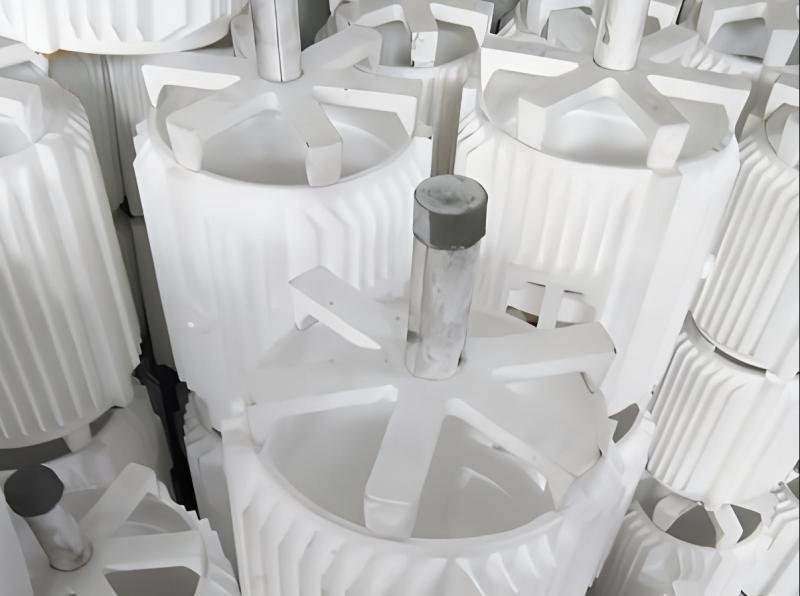
Le moulage à mousse perdue entraîne des frais supplémentaires, notamment pour les modèles en mousse et la peinture spéciale. Les modèles en mousse fabriqués à la maison coûtent environ 160 RMB par tonne, tandis que ceux achetés dans le commerce coûtent entre 200 et 250 RMB par tonne. La peinture peut ajouter 500 à 1 000 RMB, selon la recette. Mais c'est là que les choses deviennent intéressantes :
Le sable sec est réutilisé, ce qui permet d'économiser de l'argent sur les matériaux.
La main-d'œuvre diminue de 40%-60% parce que le processus est plus rapide.
Le temps de nettoyage diminue de 90%. Les travailleurs se réjouissent !
Le rendement de la fonte augmente jusqu'à 30% pour les pièces en fonte ductile.
Pas besoin de moules en bois pour les travaux uniques.
Les factures d'énergie diminuent grâce à une utilisation intelligente de la chaleur.
Les pièces sont si précises que les machines ont à peine besoin de les toucher.
L'équipe de KEMING utilise ces astuces pour réduire les coûts et améliorer la qualité. Leur usine fonctionne comme une machine bien huilée, s'assurant que chaque centime compte.
Coulée en mousse perdue vs coulée à la cire perdue
Le moulage à la cire perdue a l'air sophistiqué, mais il est souvent plus coûteux. Dans la plupart des cas, c'est le moulage en mousse perdue qui l'emporte. Voici pourquoi :
Facteur de coût | Moulage en mousse perdue | Moulage à la cire perdue |
|---|---|---|
Coûts des matériaux | Moins de déchets | Des matériaux plus nobles et plus coûteux |
Coûts d'outillage et d'installation | Modèles plus bas et plus simples | Des moules plus hauts et plus complexes |
Coûts de main-d'œuvre et de transformation | Moins de travail nécessaire | Plus de travail pratique |
Le moulage en mousse perdue utilise moins de matériaux et génère moins de déchets. Les ouvriers passent moins de temps sur chaque pièce. L'équipe qualifiée de KEMING et ses machines modernes rendent le processus encore plus fluide. Le moulage à la cire perdue fonctionne mieux pour les pièces très précises, mais le moulage en mousse perdue permet de réaliser la plupart des travaux à moindre coût.
Moulage en mousse perdue vs moulage sous pression
Le moulage sous pression est brillant et rapide, mais il peut coûter une fortune pour les formes complexes. Le moulage en mousse perdue s'impose comme le héros du budget pour les conceptions délicates. Voici ce qui le distingue :
Les taux de ferraille diminuent, ce qui réduit la quantité de métal mis à la poubelle.
Les factures d'énergie diminuent, ce qui rend le processus plus écologique.
La réduction des travaux d'usinage et de finition se traduit par une livraison plus rapide.
Des usines plus petites et moins de travailleurs font le travail.
Les coûts d'assurance diminuent parce que le processus est plus sûr.
L'équipe de moulage en mousse perdue de KEMING adore les défis. Ils transforment les idées les plus folles en pièces réelles sans se ruiner. Pour les entreprises qui recherchent des formes complexes sans coûts élevés, le moulage en mousse perdue est souvent la solution.
Conseil : Le moulage en mousse perdue se distingue lorsque vous avez besoin de pièces détaillées, de coûts réduits et d'un processus qui permet d'économiser du temps et de l'énergie. L'expérience de KEMING aide les clients à obtenir la meilleure valeur à chaque fois.
Principaux facteurs influençant les dépenses de moulage en mousse perdue
Modèle de mousse et coûts des matériaux
Les modèles de mousse sont très importants pour le moulage en mousse perdue. Ces modèles coûtent très cher. Chacun d'entre eux peut coûter de $500 à $2 000. C'est beaucoup pour une seule pièce. Le prix varie en fonction de la taille et de la forme. Les prix des matières premières varient souvent à la hausse et à la baisse. Des problèmes au niveau de la chaîne d'approvisionnement ou des événements mondiaux peuvent faire augmenter le coût des matériaux. La silice et les composés réfractaires deviennent alors plus chers. Les fabricants doivent payer plus cher.
Les modèles en mousse coûtent $500-$2 000 chacun.
Les prix des matières premières varient beaucoup
La silice et les composés réfractaires coûtent plus cher en cas de problèmes dans la chaîne d'approvisionnement
Investissement dans l'équipement et l'installation
Démarrer un atelier de moulage en mousse perdue n'est pas très coûteux. Elle est moins chère que d'autres méthodes de moulage. Les petites et moyennes entreprises apprécient ce procédé. Les coûts d'équipement sont inférieurs de 30% à 50% à ceux du moulage au sable. Un plus grand nombre de personnes peuvent se lancer dans le moulage sans dépenser trop d'argent.
Méthode de coulée | Investissement en matériel | Coût - Efficacité pour les PME |
|---|---|---|
Moulage en mousse perdue | 30%-50% inférieur au moulage en sable | Élevée. Un investissement plus faible permet à un plus grand nombre de personnes d'adhérer. |
Moulage au sable | Plus élevé | Plus bas. Des investissements plus élevés compliquent la tâche des petites entreprises. |
Efficacité de la main-d'œuvre et des processus
Le moulage en mousse perdue permet d'économiser du temps et de l'argent. Elle consomme moins d'énergie et permet aux travailleurs d'en faire plus. Les usines économisent de 251 à 301 tonnes d'énergie. Les travailleurs accomplissent 46% de plus. L'utilisation de matériaux diminue de 7%. Les coûts de production diminuent de 25%. Les travaux se terminent plus rapidement et avec moins d'erreurs.
Métrique | Épargne |
|---|---|
Économies d'énergie | 25%-30% |
Économies de productivité du travail | 46% |
Réduction de l'utilisation des matériaux | 7% |
Réduction des coûts de production | 20%-25% |
Impact sur le volume de production
La fabrication simultanée d'un plus grand nombre de pièces permet de réduire le coût de chaque pièce. Lorsque les entreprises fabriquent de grandes quantités de la même pièce, les coûts de configuration et de modèle sont répartis. Les petits lots coûtent plus cher pour chaque pièce. Les grands lots permettent aux fabricants d'économiser de l'argent. Ils peuvent offrir de meilleurs prix à leurs clients. Le moulage en mousse perdue fonctionne mieux lorsqu'il s'agit de fabriquer de nombreuses pièces.
Conseil : Les entreprises qui fabriquent beaucoup de pièces peuvent économiser le plus d'argent avec le moulage en mousse perdue.
Avantages et inconvénients liés aux coûts
Avantages en termes de réduction des coûts
Le moulage en mousse perdue permet aux entreprises d'économiser de l'argent à bien des égards. Il permet de sauter certaines étapes et le processus est donc simple. Les usines utilisent moins de machines et font moins de dégâts. Voici quelques exemples d'économies :
Les ouvriers n'ont pas besoin d'usiner autant les pièces. Les pièces sortent presque finies, ce qui réduit les opérations de meulage et de polissage.
Il est facile de créer des formes complexes. Le moulage en mousse perdue permet de les réaliser en une seule étape. Il n'est pas nécessaire de souder ou de boulonner les pièces.
Le processus utilise juste la bonne quantité de métal. Peu de métal est gaspillé ou jeté.
La réduction du nombre d'étapes permet de terminer les travaux plus rapidement. Les coûts de main-d'œuvre diminuent car les travailleurs peuvent se consacrer à d'autres tâches.
Cette méthode facilite les travaux difficiles. Les usines fonctionnent mieux et tout le monde économise de l'argent.
Dépenses cachées potentielles
Le moulage en mousse perdue a des coûts cachés qu'il convient de connaître. Les modèles en mousse peuvent être coûteux, en particulier pour les pièces de grande taille ou difficiles à réaliser. Les prix de produits tels que la silice et la peinture spéciale peuvent grimper rapidement. L'expédition des modèles en mousse prend beaucoup de place. Les frais de transport peuvent donc être plus élevés qu'on ne le pense. Si une entreprise n'a besoin que de quelques pièces, chaque pièce coûte plus cher. Les acheteurs avisés sont attentifs à ces coûts supplémentaires.
Remarque : si vous prévoyez de commander plusieurs pièces à la fois, vous éviterez la plupart des coûts cachés.
Valeur à long terme
Le moulage en mousse perdue aide les entreprises depuis longtemps. Il ne se contente pas d'économiser de l'argent dans l'immédiat. Le processus offre des avantages qui durent des années.
Bénéfice | Description |
|---|---|
Économies de coûts | Réduit les coûts de main-d'œuvre et d'usinage pour chaque pièce fabriquée. |
Flexibilité de la conception | Les formes sauvages et les passages cachés sont faciles à gérer. |
Amélioration de l'efficacité | Fonctionne avec moins d'énergie et des contrôles plus simples. |
Durabilité | Il gaspille moins de matériaux et recycle le sable, pour le plus grand bonheur de la planète. |
Amélioration de la qualité | Permet d'obtenir des surfaces lisses et des tolérances serrées à chaque fois. |
Les usines peuvent utiliser les mêmes outils pendant longtemps, parfois jusqu'à 750 000 fois. Les ouvriers ne doivent pas réparer autant d'erreurs. Il y a moins de déchets à jeter. Les patrons sont faciles à stocker, ce qui accélère l'exécution des travaux. Au fil du temps, ces bonnes choses aident les entreprises à gagner.
Quand le moulage en mousse perdue en vaut la peine
Les meilleurs cas d'utilisation
Le moulage en mousse perdue fonctionne bien lorsque les gens ont besoin de pièces créatives et utiles. Les ingénieurs l'apprécient pour fabriquer des culasses de voiture aux formes bizarres. Les artistes l'utilisent pour créer des statues qui ont l'air fantaisistes et spéciales. Les fonderies de loisirs choisissent cette méthode pour des projets amusants qui ont besoin d'un petit quelque chose en plus. Les personnes qui fabriquent des prototypes sont heureuses de pouvoir construire les premiers modèles sans dépenser trop d'argent.
Pièces de voitures avec des formes et des trous durs
Statues et œuvres d'art avec de petits détails
Des prototypes pour tester de nouvelles idées
L'équipe de KEMING a vu ces utilisations à de nombreuses reprises. Leur expérience aide les clients à transformer des idées géniales en objets métalliques réels.
Applications industrielles
Les usines du monde entier utilisent le moulage en mousse perdue pour les travaux difficiles. L'industrie automobile l'utilise pour les pièces qui ont des tours et des détours. Les entreprises du secteur de la marine l'utilisent pour les pièces qui doivent durer dans l'eau salée. Les agriculteurs ont besoin de machines robustes, c'est pourquoi ils choisissent également cette méthode. Les équipes militaires veulent des équipements auxquels elles peuvent faire confiance et les constructeurs de camions ont besoin de pièces résistantes qui travaillent dur.
L'industrie | Description |
|---|---|
Automobile | Utilise le moulage en mousse perdue pour les motifs délicats. |
Marine | C'est ainsi que l'on obtient des pièces difficiles à fabriquer. |
Agriculture | Il l'utilise pour de nombreuses pièces de machines. |
Militaire | Il l'utilise pour des travaux de défense. |
Camion lourd | Cette méthode permet de fabriquer des pièces solides. |
Le travail de KEMING est utile dans toutes ces industries. Leurs pièces moulées permettent aux voitures d'aller vite, aux navires de se déplacer et aux tracteurs de travailler dans les champs.
Décider pour son entreprise
Les chefs d'entreprise doivent faire des choix judicieux. Ils veulent des pièces qui ne coûtent pas trop cher et qui durent longtemps. Le moulage en mousse perdue est un bon choix pour les entreprises qui ont besoin de formes dures, d'un travail rapide et de prix bas. Les experts de KEMING aident les clients à chaque étape. Ils les aident à choisir les meilleurs matériaux et à planifier les grosses commandes. Les entreprises qui veulent économiser de l'argent tout en obtenant une grande qualité choisissent souvent cette voie.
Conseil : si votre entreprise a besoin de pièces métalliques détaillées et souhaite dépenser moins, le moulage en mousse perdue peut être le meilleur choix.
Conseils pour réduire les coûts de moulage en mousse perdue
Réduction des dépenses en matériel
Chaque centime compte dans le monde du moulage en mousse perdue. Les usines intelligentes savent comment tirer le meilleur parti de chaque bloc de mousse et de chaque grain de sable. Elles utilisent des astuces astucieuses pour maintenir les coûts des matériaux à un niveau bas et les déchets à un niveau encore plus bas. Voici un aperçu de quelques stratégies gagnantes :
Stratégie | Description |
|---|---|
Optimiser la conception des modèles | Utilise moins de mousse et laisse moins de résidus en rendant les modèles plus intelligents et plus efficaces. |
Améliorer les processus de moulage et de coulée | Permet de fabriquer de meilleures pièces avec moins d'erreurs, de sorte que moins de sable et de métal finissent dans la pile de ferraille. |
Mise en œuvre de programmes de recyclage | Il donne une seconde vie aux matériaux usagés, en les préservant des décharges et en les réintroduisant dans le processus de moulage. |
Utiliser des systèmes de traitement de l'eau | Elle réduit les eaux usées et permet à l'usine de respecter les règles environnementales. |
Les usines qui suivent ces étapes voient souvent leur facture de matériaux diminuer. Elles aident également la planète, ce qui fait sourire tout le monde. 😃
Améliorer l'efficacité des processus
Rapidité et intelligence vont de pair. Les meilleurs ateliers de moulage en mousse perdue fonctionnent comme une horloge. Les ouvriers veillent à ce que les machines tournent et à ce que les pièces se déplacent. Voici comment ils améliorent leur efficacité :
Former les travailleurs à repérer les problèmes avant qu'ils ne se développent.
Utiliser des machines modernes qui travaillent plus vite et font moins d'erreurs.
Gardez l'espace de travail bien rangé afin de ne rien perdre ou casser.
Planifiez les travaux pour éviter les temps d'arrêt et maintenir la ligne en mouvement.
Conseil de pro : un processus fluide signifie moins de retards, moins de gaspillage et plus d'argent économisé. Chaque minute compte !
Choisir le bon fournisseur
Le choix du bon partenaire peut faire la différence entre un projet et son échec. Tous les fournisseurs ne sont pas égaux. Certains se distinguent par des prix plus avantageux, un service plus rapide et une qualité supérieure. Voici ce qu'il faut rechercher lorsque l'on choisit un fournisseur de moulage en mousse perdue rentable :
Critères | Description |
|---|---|
Volume de production | Le fournisseur est-il en mesure de traiter vos commandes, de 5 000 à 50 000 pièces par an ? |
Coûts d'outillage | Les frais d'outillage sont-ils équitables et transparents ? |
Exigences matérielles | Proposent-ils les métaux et les spécifications dont vous avez besoin pour vos pièces ? |
Finition dimensionnelle et superficielle | Vos pièces seront-elles de la bonne taille et auront-elles un aspect lisse ? |
Délai d'exécution | Peuvent-ils respecter les délais, à chaque fois ? |
Impact sur l'environnement | Se soucient-ils de la planète autant que vous ? |
Un fournisseur comme KEMING remplit toutes ces conditions. Il aide les clients à économiser de l'argent, à respecter les délais et à obtenir à chaque fois des pièces moulées de première qualité.
Le moulage en mousse perdue coûte plus cher au départ. Mais il permet d'économiser de l'argent par la suite. Les entreprises paient davantage pour les matériaux et l'installation au départ. Au fil du temps, elles gaspillent moins et paient moins les travailleurs. Le tableau ci-dessous montre ce qui est important :
Aspect | Détails |
|---|---|
Coûts initiaux | Les matériaux et l'installation coûtent plus cher au départ |
Économies à long terme | Moins de déchets et moins de frais de main-d'œuvre |
Choix des matériaux | Les modèles en polystyrène et les moules en céramique permettent d'éviter les erreurs |
Efficacité des processus | Les pièces sortent lisses et nécessitent moins de réparations |
KEMING est un bon choix pour les entreprises qui veulent de la valeur. Son équipe aide à transformer les idées difficiles en économies réelles. Pas besoin de tours de magie ! 🚀
FAQ
Qu'est-ce qui rend le moulage en mousse perdue moins cher que les autres méthodes ?
Le moulage en mousse perdue permet d'éviter des étapes supplémentaires. Les ouvriers utilisent moins de machines. Les usines gaspillent moins de métal. L'équipe de KEMING adore économiser de l'argent. Le processus semble magique, mais il s'agit simplement d'une ingénierie intelligente.
Le moulage en mousse perdue peut-il répondre à des commandes importantes ?
Oui ! L'usine de KEMING produit plus de 2 000 tonnes de pièces moulées par an. Elle traite des commandes allant de petits lots à d'énormes expéditions. Les grosses commandes permettent de réduire le coût de chaque pièce.
Le moulage en mousse perdue est-il adapté aux pièces détaillées ?
Absolument ! Le moulage en mousse perdue permet d'obtenir des formes folles et de minuscules détails. Les artistes et les ingénieurs se réjouissent des résultats obtenus. Le procédé donne aux pièces un aspect lisse et net.
Combien de temps faut-il pour obtenir des pièces en fonte de KEMING ?
L'équipe de KEMING travaille rapidement. La plupart des commandes sont expédiées en quelques semaines. Les commandes urgentes font l'objet d'une attention particulière. Les clients apprécient les livraisons rapides et les mises à jour régulières.