EN
EN  DE
DE  ES
ES  FR
FR  PT
PT  RU
RU 

In investment casting, investment molds are used to precisely shape metal into parts. These molds are made by engineers covering a wax model with a ceramic layer. Factories use this method to produce hardened parts for numerous industries. KEMING employs innovative methods to provide superior casting solutions.
Key Takeaways
- Investment casting helps create smooth, precise metal parts. It uses wax models and ceramic shells, making it ideal for creating parts with complex shapes.
- Many industries use this process, such as automotive, aerospace, and medical. Its popularity stems from its ability to produce strong and precise parts.
- Investment casting helps save materials and reduce waste. It ensures parts fit perfectly and allows for customized shapes. This makes it a more economical and environmentally friendly option.
Investment Mold Process
In one-off mold casting, the investment casting process is crucial. It helps factories produce high-precision parts. The investment casting process involves multiple steps that contribute to the creation of tightly fitting, smooth-surfaced metal parts. KEMING is a leading manufacturer and supplier that uses processes such as lost-wax casting, shell casting, sand casting, and water glass casting to produce high-quality parts for customers worldwide.
Creating the Wax Pattern
The entire process begins with mold design. Engineers use CAD software to plan the part. The factory uses CNC machine tools or 3D printers to create wax models. Next, workers inject wax or plastic into the mold to form a model. Then, the workers remove the wax model, ready for the next step.
In single-use mold casting, different types of wax are used for different purposes:
- Filling wax: Contains extra material to enhance strength, suitable for large or complex parts.
- Unfilling wax: Creates a smooth surface and robust parts, suitable for high-precision investment casting.
- Runner wax: Flexible yet strong, facilitates easy wax removal.
- Water-soluble wax: Used to create complex shapes inside parts, widely used in aerospace and medical fields.
- Adhesive wax: Used to bind the model wax together during assembly.
Building the Ceramic Shell
After the wax model is assembled, workers cover it with ceramic. This step forms a ceramic shell. This shell is a one-time mold cast from metal. To make the shell sturdy and richly detailed, multiple layers of ceramic are added.
| Material | Description |
|---|---|
| Silica | Used as fused silica; quartz is cheaper. |
| Zircon | Used in first coats. It reacts less with hot metal. |
| Aluminium silicates | Mixes of alumina and silica. Alumina is 42% to 72%. |
| Alumina | Has a high melting point and lasts long. |
Each ceramic shell has several layers:
| Layer Type | Description | Number of Layers |
|---|---|---|
| Face Coat | Shows fine details on the mold surface. | 1 |
| Fine Sealing Layers | Seal and smooth the surface. | 1–2 |
| Strengthening Layers | Make the shell strong. | Several |
| Total Layers | Total depends on part size and needs. | 5–10 |
Workers dip the wax pattern in ceramic slurry. They add stucco and repeat this to build the shell. The shell dries between each layer. Careful layering makes the expendable mold strong and keeps every detail.
The ceramic shell is fired at high heat, usually 800 to 1100 °C. This makes the shell stronger and ready for metal pouring. The lost-wax process removes the wax. This leaves a hollow ceramic shell for casting.
Casting and Finishing
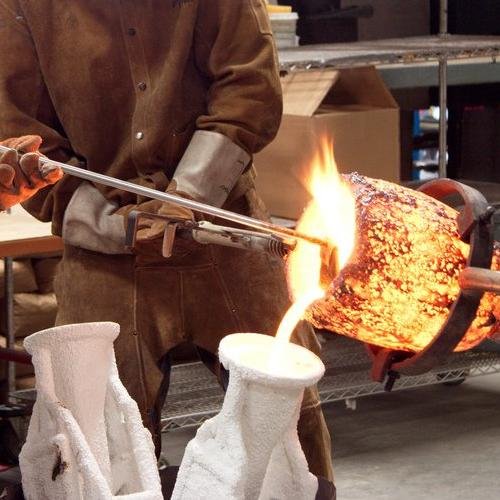
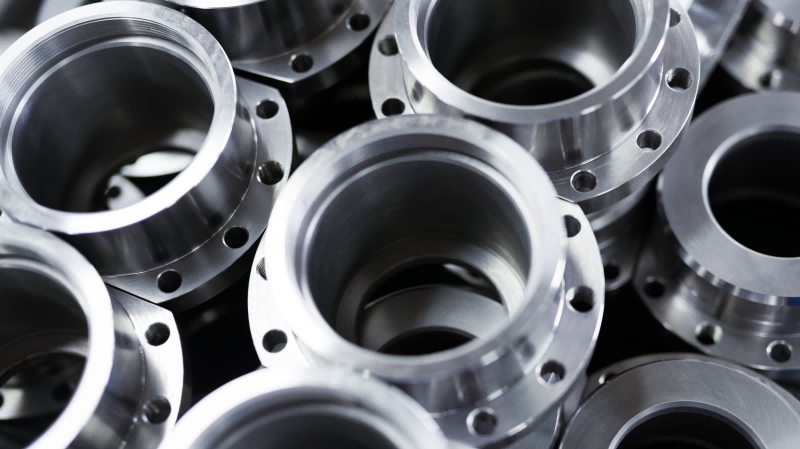
After the ceramic shell is made, workers pour hot metal into a disposable mold. The metal fills all the space and replicates the shape of the wax model. After cooling, the workers break the ceramic shell to reveal the finished metal part. Parts manufactured using investment casting have a nearly perfect shape, a tight fit, and typically require no further machining. Standard investment casting tolerances are ±0.010 inches for the first inch and ±0.004 inches for each subsequent inch. This precision is ideal for parts with complex internal structures or tight fits.
Investment casting achieves smooth surfaces. Surface roughness Ra values for medical devices can be as low as 0.2 micrometers, and for aerospace engine parts as low as 0.8 micrometers. Automotive parts (such as brake calipers) have a cast Ra value of 1.6 micrometers and a machined Ra value of 0.8 micrometers.
The factory uses CNC machine tools, intelligent inspection systems, and robots to ensure the precision and consistency of parts. The investment casting process reduces scrap rates from over 10% to below 4%. The factory saves costs by increasing production efficiency and reducing additional workload. One-off mold casting, especially precision casting, is environmentally friendly. Compared to gas casting, it uses fewer chemicals and binders, reducing concerns about regulations and pollution. New technologies are driving the precision casting industry forward. Shells bonded with nano-silica and resin result in smoother surfaces and fewer micro-pits. Automation of shell forming and pouring improves precision and consistency. 3D printing technology facilitates rapid wax model creation and supports custom designs. This reduces wait times and provides manufacturers and suppliers with more options.
Precision casting is a key step in one-off mold casting. This process enables the manufacture of high-quality, custom parts with high precision. It is the optimal choice for industries requiring reliable, robust components.
Investment Mold vs Other Molds
Detailed Explanation of Single-Use Die Casting
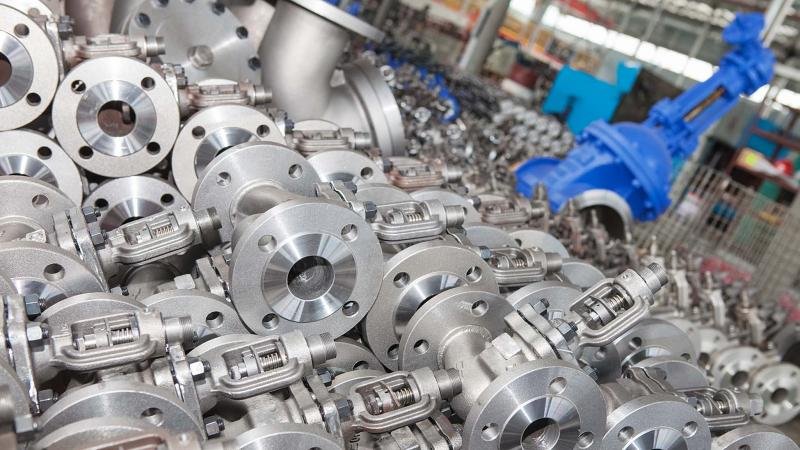
Single-use die casting uses disposable molds. These molds include sand molds, investment molds, and precision molds. A new mold needs to be made for each part. This method allows factories to manufacture parts with finely shaped parts. It is often used in industries that require customized or complex parts. Investment molds and sand casting are flexible and highly precise. Single-use die casting is best suited for small to medium batch production. Each part must meet stringent standards.
| Characteristic | Expendable Mold Casting | Permanent Mold Casting |
|---|---|---|
| Mold Usage | Used only once, broken after use | Can be reused multiple times |
| Types of Processes Included | Lost-wax, sand casting, investment casting | Centrifugal casting, die casting, etc. |
The Uniqueness of Investment Casting
Investment casting stands out among single-use molding methods. It produces parts with high precision and smooth surfaces. This process uses a ceramic shell to encase a wax model, allowing factories to create thin-walled and complex-shaped parts. The one-piece mold allows for fine detail. Investment casting saves material and requires no additional machining. Many industries, including medical, defense, and automotive, use investment casting. It helps in creating complex, tightly fitting parts.
Comparison with Permanent Molds
Permanent molds differ from single-use molds. Workers can reuse permanent molds. These molds are made of steel or cast iron and are suitable for mass production of parts. However, they cannot match the detail and precision of investment casting. Investment molds are not reusable. The ceramic shell breaks each time a part is removed. This means higher mold costs, but also allows for greater detail and precision.
| Category | Investment Casting | Permanent Mold Casting |
|---|---|---|
| Molds | Single-use ceramic | Reusable steel or cast iron |
| Precision | High | Moderate |
| Cost | Higher for tooling | Lower per part in high volume |
| Volume Suitability | Low to medium | High |
Investment mold is the best choice for parts needing high accuracy, complex shapes, and smooth surfaces.
Investment casting produces highly precise metal parts with smooth surfaces. The process uses wax patterns and ceramic shells to create tightly fitting parts. Many industries, such as automotive, aerospace, and medical device companies, use investment casting to handle demanding manufacturing tasks. KEMING’s investment casting solutions help these sectors produce high-quality parts.
| Key Points of Investment Casting Process | Advantages of Investment Casting |
|---|---|
| Makes complex shapes with high accuracy | Lets you change designs easily |
| Uses a wax pattern | Makes parts with tight fits |
| Builds a ceramic mold | Gives very smooth surfaces |
| Takes out the wax | Makes fewer mistakes |
| Pours in the metal | Wastes less material |
| Finishes the part | Works with many kinds of metals |
FAQ
What are the main advantages of investment casting?
Investment casting can produce very precise parts with smooth surfaces. Factories often use it to manufacture complex-shaped parts, especially those requiring tight fits.
Are investment molds reusable?
After each use, workers disassemble the investment molds. The factory must make a new mold for each part.
Which industries use investment casting?
Automotive, shipbuilding, train, and agricultural machinery companies all use investment casting. They choose this process when they need robust and reliable parts.