EN
EN  DE
DE  ES
ES  FR
FR  PT
PT  RU
RU 
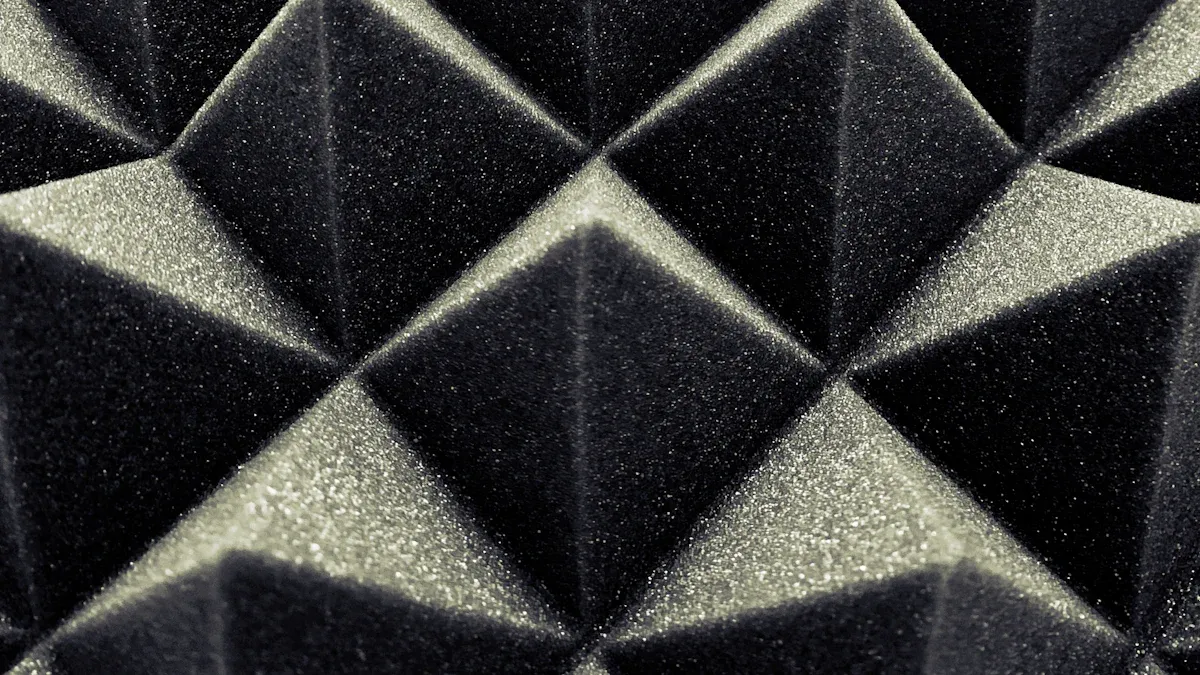
Expanded polystyrene foam is the most commonly used material in lost foam casting. NB KEMING and many other lost foam castings suppliers prefer this foam because it turns into gas quickly and leaves minimal residue during the process. It is lightweight, strong, and keeps its shape well during handling, making it ideal for Automotive Castings and Parts Manufacturing. The table below shows why this foam is highly favored:
Property | Description |
|---|---|
Vaporization Performance | Turns into gas quickly and leaves little behind when casting. |
Mechanical Properties | Light, strong, and hard surface helps keep its shape. |
Variety and Specifications | Many types are made for different casting jobs. |
Key Takeaways
Expanded polystyrene (EPS) foam is the best pick for lost foam casting because it turns to vapor fast and is very light. Picking the right EPS foam density is important. Lower density foam is easier to cut and shape. Higher density foam gives more support and a smoother finish. EPS foam burns away cleanly when casting. It does not leave any solid pieces behind. This makes the castings smooth and exact. Using EPS foam saves time and money when making things. This makes it a smart choice for many businesses. Handling foam patterns the right way is important. Good quality control helps get better castings and makes less waste.
Expanded Polystyrene Foam in Lost Foam Casting
Key Properties of EPS Foam
EPS foam is the main foam used in lost foam casting. It has many tiny closed cells filled with air. These cells make the foam very light. The foam is easy to move and shape. The air inside helps keep heat out. This helps the foam hold its shape during casting. When hot metal touches the foam, it turns into gas fast. The foam disappears and leaves a space for the metal. This makes castings that are detailed and exact.
The density of eps foam can be different for each job. The table below shows the usual density ranges for eps foam in lost foam casting:
EPS Type | Density Range (kg/m³) |
|---|---|
Very Lightweight EPS | 10 – 15 |
Lightweight EPS | 15 – 20 |
Standard EPS | 20 – 30 |
High-Density EPS | 30 – 40+ |
Picking the right density helps control how strong the foam is. Lower density foam is easier to cut and shape. Higher density foam is stronger and gives a smoother finish.
Advantages for Foam Pattern Material
EPS foam has many good points for lost foam casting. It burns away cleanly when hot metal is poured on it. This means there is no solid left behind. The finished casting is smooth and has fewer problems. EPS foam works with many metals like steel, iron, and aluminum. It keeps its shape even when it gets hot. This helps make castings that are the right size and shape.
The table below shows the main good points of using eps foam:
Advantage | Description |
|---|---|
Clean Burnout | Burns away fully, leaving no solid bits and smooth surfaces. |
Compatibility | Works with metals like steel, iron, and aluminum, keeping shape under heat. |
Cost-Effectiveness | Costs less, is light, and easy to shape for detailed designs. |
EPS foam can be used with many metals, like ductile iron, grey iron, aluminum, brass, and stainless steel. This makes it a good pick for companies that use different metals. Using eps foam also saves water and energy. The process uses less metal and makes less waste, which is better for the planet.
Tip: EPS foam is chosen because it turns to gas cleanly and keeps its shape well during casting.
Typical Uses in Lost Foam Casting
Many industries use eps foam because of its special features. Some common uses are:
Car parts like cylinder heads
Turbine blades for planes
Pump housings for machines
Hubs for wind turbines
Oil fittings for energy
Custom sculptures
Gearbox housings for tractors
Propellers for boats
These examples show that eps foam helps make complex and detailed parts. The foam can be used for both small and big castings with high accuracy. Many companies use eps foam to meet the needs of modern factories.
Why EPS Foam Is Preferred in
Performance and Dimensional Stability
EPS foam is used in lost foam casting because it keeps its shape. The foam has closed cells, which makes it strong. Workers can move the foam without bending or breaking it. This helps the pattern stay correct during casting. When hot metal touches the foam, it turns into gas. The foam leaves a space for metal to fill. EPS foam does not change size or shape from heat. This means castings are smooth and have exact sizes.
Cost and Availability Factors
Expanded polystyrene foam costs less than other foams. EPS foam is cheaper than extruded polystyrene foam. Polyurethane foam costs more and does not last long when wet. EPS foam is easy to buy in many places. Makers pick EPS foam because it saves money and works for many jobs. The foam is easy to shape, so workers finish faster and spend less. Companies like KEMING use EPS foam to make casting cheaper and quicker.
Safety and Environmental Benefits
EPS foam gives safety and environmental benefits in lost foam casting:
The process uses less energy than old casting ways, so it saves resources.
The foam turns into gas, so there is little waste left. This helps recycling and keeps production clean.
Workers do not need to lift heavy molds or sand cores. This lowers accidents and keeps workers safe from bad chemicals.
EPS foam helps companies follow safety rules and protect nature. The foam makes clean castings and keeps workers safe. Lost foam casting with EPS foam makes good parts and helps the planet.
Comparing Foam Types for Lost Foam Casting
EPS vs. Extruded Polystyrene Foam (XPS)
Many companies pick eps foam for lost foam casting. It turns into gas fast and does not leave much behind. XPS foam is thicker and heavier. This means XPS takes more time to turn into gas. XPS also makes less gas when it burns. The table below shows how eps and XPS are different:
Foam Type | Vaporization Characteristics | Advantages | Disadvantages |
|---|---|---|---|
EPS | Turns into gas fast at high heat, leaves little behind | Keeps shape, easy to mold, costs less | None listed |
XPS | Turns into gas slowly because it is thicker, makes less gas | Easy to cut and shape, good for small details | Slows casting, changes the casting process |
EPS foam is used most around the world. By 2025, it will have 62.8% of the market. Most companies like eps foam because it is cheap and easy to use. XPS is good for small details, but it can make casting slower.
Note: EPS foam is picked most for lost foam casting because it turns into gas cleanly and helps make parts fast.
EPS vs. Polyurethane Foam
Polyurethane foam is also used in lost foam casting. It costs more than eps foam and is harder to work with. The table below shows the main ways they are different:
Foam Type | Cost Comparison |
|---|---|
Polyurethane Foam | Costs more than EPS or PE foam |
Expanded Polystyrene | Costs less than polyurethane foam |
Long-term R-value | Gets lower over time, about the same after 5 years |
Polyurethane foam has some problems:
It costs a lot to make good patterns, especially for hard shapes.
Workers must control the process very carefully to keep quality good.
The foam can break down over time, which can change the size and shape.
Most people still use eps foam for lost foam casting. It gives good results and costs less.
Other Foam Pattern Materials
Some other foams are used for lost foam casting. Expanded polystyrene foam is used most because it is cheap and easy to buy. Polymethyl methacrylate (PMMA) helps stop carbon problems and makes better castings. Some companies mix 30% eps foam with 70% PMMA. This mix helps stop carbon from getting into iron and steel castings.
Foam Material | Outcomes |
|---|---|
Expanded Polystyrene (EPS) | Cheap, easy to find, used for steel and other metals. |
Polymethyl Methacrylate (PMMA) | Stops carbon problems and other defects. |
Blend of 30% EPS and 70% PMMA | Lowers carbon, made for iron and steel. |
Today, most foam patterns use polystyrene or PMMA. Polystyrene is picked more because it costs less and works well. Different foams break down in different ways, which can change how many problems happen. New mixes help make more good castings and fewer mistakes.
Tip: EPS foam is used most for lost foam casting, but PMMA and mixes are good for some metals.
Practical Tips for Selecting and Using Foam in Lost Foam Casting
Choosing the Right EPS Foam Density
Picking the right foam density is very important. It helps make strong and correct foam patterns. Most experts say to use foam density from 15 to 30 kg/m³. This range works best for lost foam casting. Small parts use lower foam density. Big or detailed parts need higher foam density for more support. If foam density is too low, patterns can bend or break. If foam density is too high, metal may not fill the mold well. KEMING uses foam density between 1 and 1.5 lbs/ft³. This keeps foam patterns strong and helps them keep their shape.
Tip: The right foam density helps foam patterns turn to gas cleanly and keeps the casting correct.
Cutting and Shaping Foam Patterns
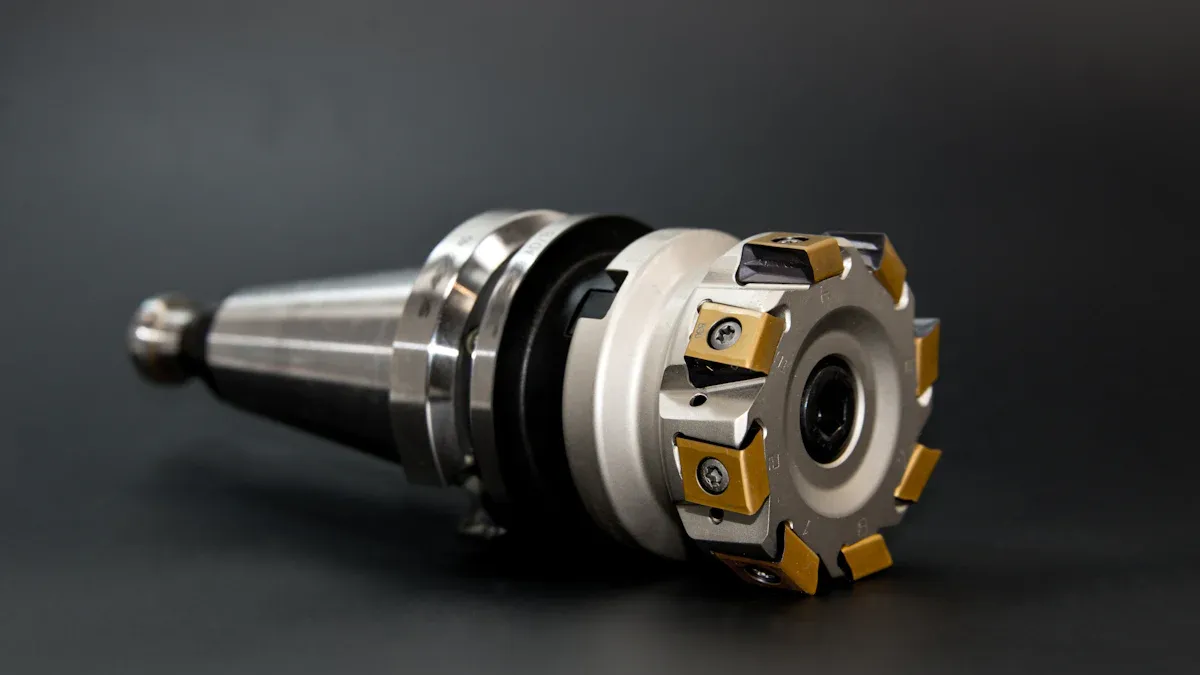
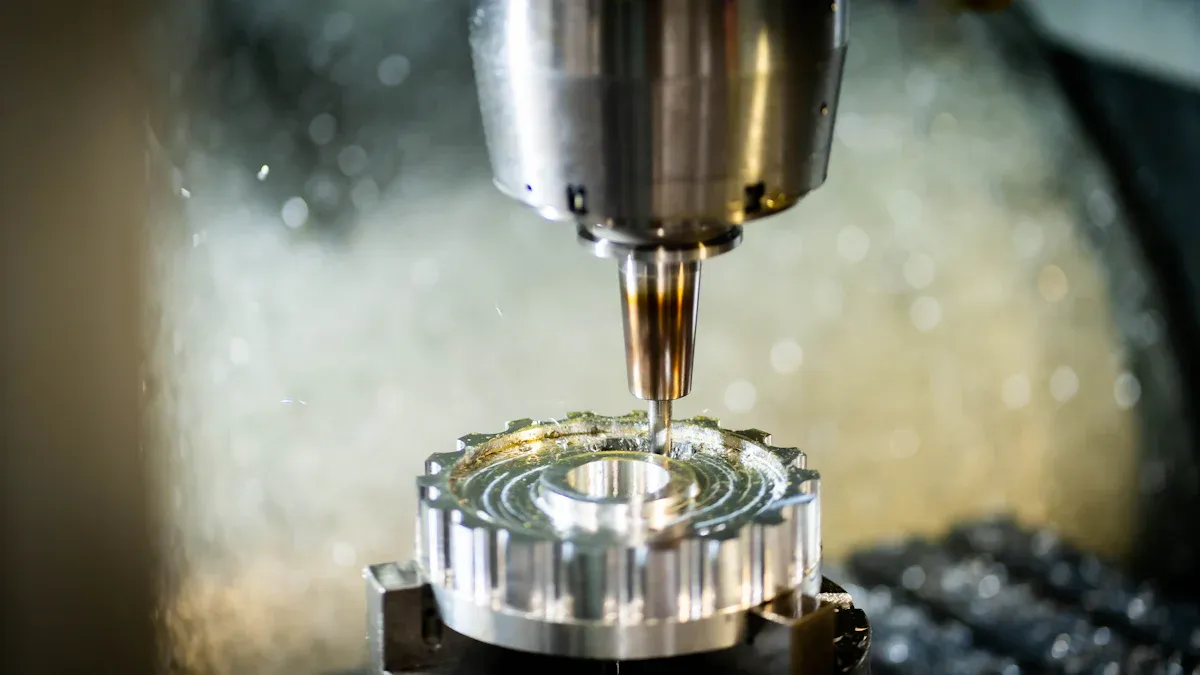
Using the right tools to cut foam patterns is important. It helps make the final casting better. KEMING uses CNC machines with good controls to cut foam. These machines can cut big foam blocks. They also make detailed foam patterns for many parts. The CNC system has a strong spindle motor and special tool holders. These help cut the foam smoothly. Workers can make foam patterns for small or big castings with high accuracy. After shaping, they cover the foam patterns with a ceramic layer. This helps the foam turn to gas cleanly during casting.
Equipment Feature | Specification |
|---|---|
Machining Size | Up to 2,000mm x 4,000mm x 1,000mm |
Control System | SYNTEC CNC system |
Spindle Motor | 5.5kw super synchronous servo motor |
Application | Lost foam casting pattern fabrication |
Handling, Storage, and Quality Control
Handling and storing foam patterns the right way stops problems. Workers must keep foam patterns clean and dry. They should not stack foam patterns too high. This stops them from bending. KEMING uses strict quality control steps. These steps follow ASTM, DIN, and JIS standards. Each foam pattern is checked for foam density, shape, and surface finish. Training helps workers know why these steps are important. Good handling and storage stop problems like sand burning-on, porosity, and sand washing. When foundries do these things, they make better castings and waste less.
Note: Careful handling and quality checks help foam patterns work well and make high-quality castings.
Expanded polystyrene foam is the best foam for lost foam casting. Makers get many good things when they use high-quality EPS foam:
Costs go down because there is less waste and less work.
Making parts is easier since cores and binders are not needed.
Companies save time and money with faster production.
Picking the right foam pattern and using good steps makes better castings. Many people want to know how EPS and XPS foams are different. For fast answers, readers can look at the FAQ section.
FAQ
What is the main material used for lost foam casting patterns?
Expanded polystyrene foam is the main material for lost foam casting. This foam turns into gas when hot metal touches it. Makers like it because it keeps its shape well. It is also easy to cut and form.
Why do manufacturers choose EPS foam as the pattern material?
Makers pick EPS foam because it is light and strong. This foam can be shaped exactly how they want. It also burns away cleanly during casting. Many industries use it for good casting results.
Can other material types be used for lost foam casting?
Some makers use other foams like XPS or PMMA. But EPS foam is used most often. It costs less and works better for most casting jobs.
How does the density of the material affect casting quality?
Material density changes how strong the foam is. Lower density foam is easier to shape. Higher density foam gives more support and a smoother finish. Makers pick the right density for each casting job.
What steps help maintain the quality of the foam material?
Good handling and storage keep foam from getting damaged. Workers keep foam dry and do not stack it too high. Quality checks make sure the foam meets casting standards.