EN
EN  DE
DE  ES
ES  FR
FR  PT
PT  RU
RU 
Sand casting is a way to make metal parts. It uses sand molds to shape melted metal. This process can make many different shapes. It works with many types of metals. Many industries use sand casting. They like it because it is flexible and saves money.
Sand casting makes about 45.6% of all metal castings in the world in 2024. This shows it is very important in manufacturing.
Key Takeaways
Sand casting is a cheap way to make metal parts in many shapes and sizes.
Many industries use this process, like car, plane, and medical companies, because it is flexible and works well.
People use different kinds of sand and materials in sand casting. Each one has special benefits for certain jobs.
Safety is very important in sand casting. Workers must follow strict rules to stop accidents and make sure things are made well.
Sand casting helps people make new samples fast. This makes it great for trying out new designs and ideas.
Understanding sand casting and its uses
What makes sand casting unique
Sand casting is special because it is flexible and saves money. Makers use sand molds to make many shapes and sizes. It works for both small and big parts. Sand casting can lower costs by up to half compared to die casting. Sand molds are cheap, so it is good for quick samples and custom parts. This process works with many metals and alloys. The table below shows how sand casting and die casting are different:
Aspect | Sand Casting | Die Casting |
|---|---|---|
Initial Tooling Costs | Lower initial tooling costs | Higher tooling costs |
Per-Part Costs | Higher per-part costs due to finishing | Lower per-part costs in high volume |
Flexibility in Design | Accommodates complex geometries | Better for intricate shapes and thin walls |
Material Selection | Wider range of metals and alloys | Limited to non-ferrous metals |
Production Volume | Suitable for low to medium volume | Best for high-volume production |
Common metals used in sand casting
Many metals can be used in sand casting. Each metal has its own strengths and uses. The table below lists some common metals and what they are used for:
Metal | Properties | Common Applications |
|---|---|---|
Carbon Steel | High strength, tough, durable, cost-effective | Construction, machinery, automotive |
Stainless Steel | Corrosion resistance, strong, heat resistant | Chemical, food equipment |
Nickel-based Alloys | Heat and corrosion resistance | Aerospace, chemical processing |
Copper-based Alloys | Good thermal and electrical conductivity | Electrical, plumbing |
Grey Iron | High compressive strength, machinable | Engine blocks, pump housings |
Ductile Iron | High strength, ductile | Automotive, heavy machinery |
Aluminum Alloys | Lightweight, corrosion resistant, strong | Automotive, aerospace |
Other alloys like copper-nickel, brass bronze, and lead-free types are also used. These materials have special features like not rusting and being easy to shape.
Typical industries and applications
Many industries use sand casting to make their parts. Some main uses are:
Car parts
Airplane parts
Medical implants
Valves and pumps
Machine tools
Decorative items
Industries like medical, electronics, cars, airplanes, ships, building, oil, gas, and mining all use sand casting. This process helps them make strong and custom metal parts for many jobs.
Sand casting process steps explained

Sand casting has several steps to make a metal part. Each step is important for the right shape and quality. Companies like KEMING use these steps for good results.
Pattern making for sand casting
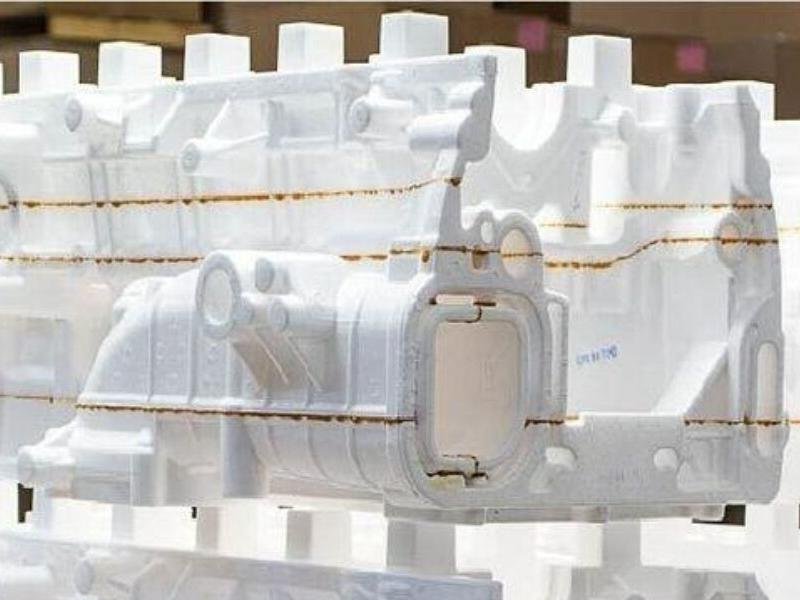
The first step is to make a pattern. A pattern is a copy of the part to be made. Workers use it to make a space in the sand. This space shapes the melted metal. Patterns can be made from different things. Each material has its own good points.
Material | Properties and Applications |
|---|---|
Wood | Soft, light, easy to work; Sugar pine is common; Honduras mahogany is durable but harder to find. |
Metal | Long-lasting, moisture-resistant; heavier and more expensive, difficult to repair. |
Plastics | Waterproof, durable; gaining popularity for patterns. |
Wax | Used for specialized applications. |
Plaster of Paris | Used for specialized applications. |
Wood patterns are easy to shape and cost less. But they do not last long. Metal patterns last longer and do not get wet. But they are heavy and cost more. Plastic patterns are strong and do not get wet. Many people use them. Wax and plaster of Paris are for special jobs.
Creating the sand mold
After the pattern is ready, workers make the sand mold. They pack special sand around the pattern. This makes two parts called cope and drag. The sand must have some special features:
Porosity lets gases out during casting.
Plasticity helps sand fill the mold well.
Adhesiveness keeps sand together.
Cohesiveness gives the mold strength.
Collapsibility lets sand shrink as metal cools.
Refractoriness helps sand stand high heat.
Chemical stability stops reactions with metal.
Flowability helps sand pack tight and even.
Workers may put cores in the mold. Cores make hollow spaces or special shapes inside the part. When the sand mold is ready, they line up the cope and drag. This makes a full space for the metal.
Pouring and cooling the metal
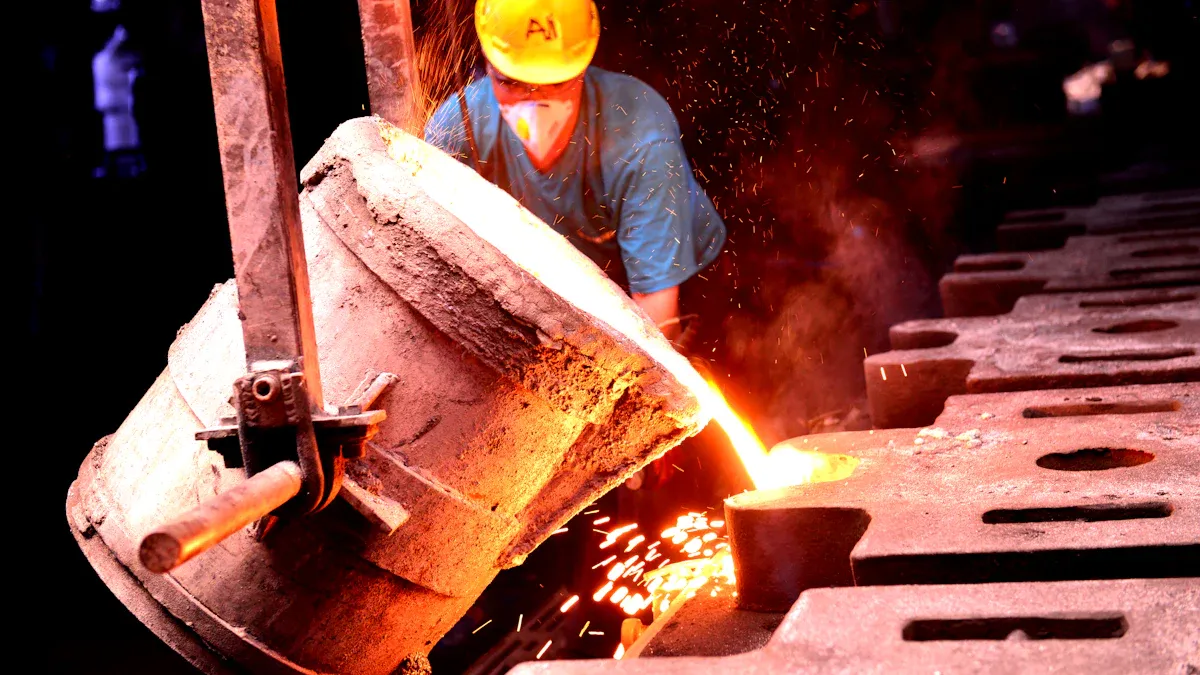
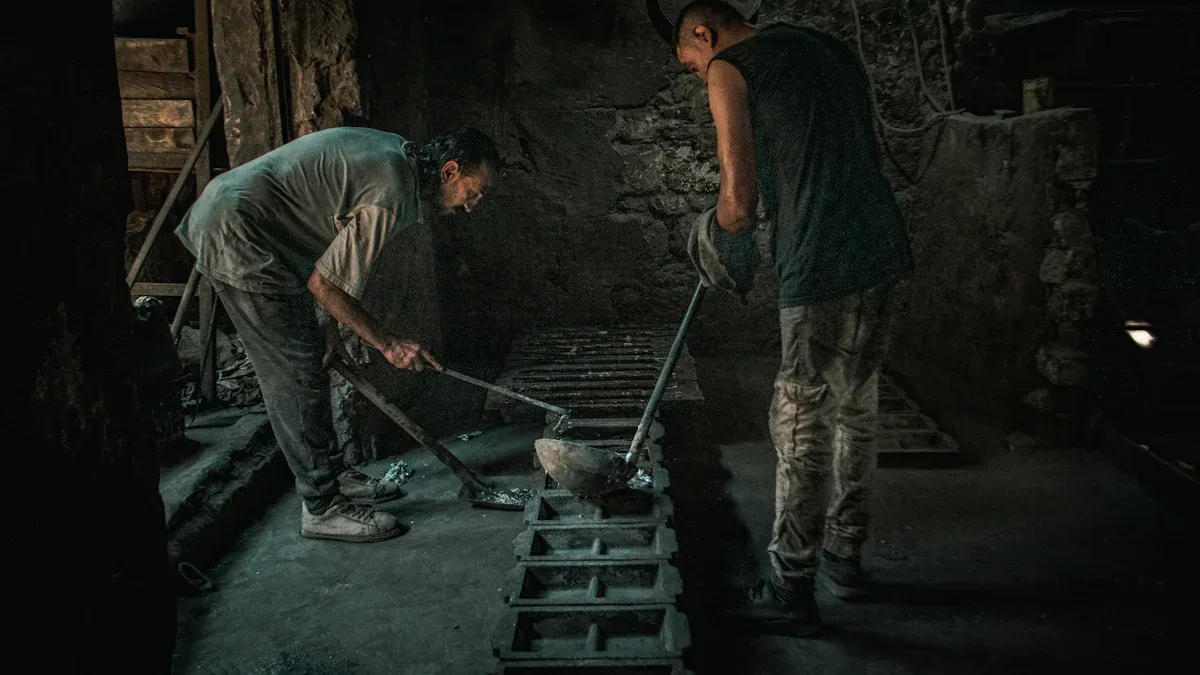
Next, workers melt the metal and pour it in the mold. Workers pour the melted metal into the mold. They use a special opening called a pouring basin. The metal fills the space and takes the pattern’s shape. The metal cools and gets hard in the sand. Cooling time depends on the metal and size.
Removing and finishing the casting
When the metal is cool, workers break the sand mold. This is called demolding or knock-out. The new part may have extra metal or rough spots. Workers use different ways to clean and fix the part:
Technique | Description |
|---|---|
Machining | Precision machining to achieve exact dimensions and tolerances using milling, drilling, and turning. |
Painting or Coating | Application of paint or coatings for aesthetic enhancement or corrosion protection. |
Quality Inspection | Thorough inspection to ensure compliance with quality standards, including visual and dimensional checks. |
Trimming | Removal of excess metal, gates, risers, and flash using mechanical cutting tools. |
Shot Blasting | High-speed propulsion of steel balls or iron grit to clean and smooth the surface. |
Sandblasting | High-pressure application of sand or fine abrasives to dislodge debris and improve texture. |
Surface Treatments | Additional treatments like acid etching to enhance durability and appearance. |
KEMING uses special machines and tools to check each part. These steps help make sure the part is good and ready to use.
Tip: Careful finishing makes the part stronger and better looking.
Sand casting uses these steps to make metal parts. Each step, from pattern to finishing, helps make sure the part is right and works well.
Materials and equipment in sand casting

Types of sand and their properties
Different sands help workers make strong molds. Each sand type has special features for certain jobs:
Green Sand: This sand has silica, bentonite clay, and water. Workers use it because it keeps its shape and handles heat.
Resin-Coated Sand: Makers cover quartz sand with resin. This sand makes strong shells and helps with exact castings.
Shell Molding Sand: This mix uses silica sand and resin. It gives steady results and needs less fixing after casting.
Dry Sand: This sand has silica and clay with little water. It works well for thin or detailed parts because it makes less steam and gas.
Essential tools and machinery
Workers need many tools and machines for sand casting. These items help them stay safe and work well:
Safety glasses keep eyes safe from flying bits.
Crucibles hold and melt metal safely.
Soldering blocks support hot things while working.
Torches heat metal fast using MAPP gas or propane.
Heat-proof gloves protect hands from burns.
Casting shields stop splashes and sparks.
The main steps need these machines and materials:
Silica sand makes the mold.
A mold shapes the part.
A kiln or oven melts the metal.
A ladle pours the melted metal.
A block of metal is used for casting.
A hammer breaks the sand mold after cooling.
Tip: Small makers should plan for costs like sand and metal that happen often, and costs like pattern tooling that only happen once.
Safety tips for sand casting
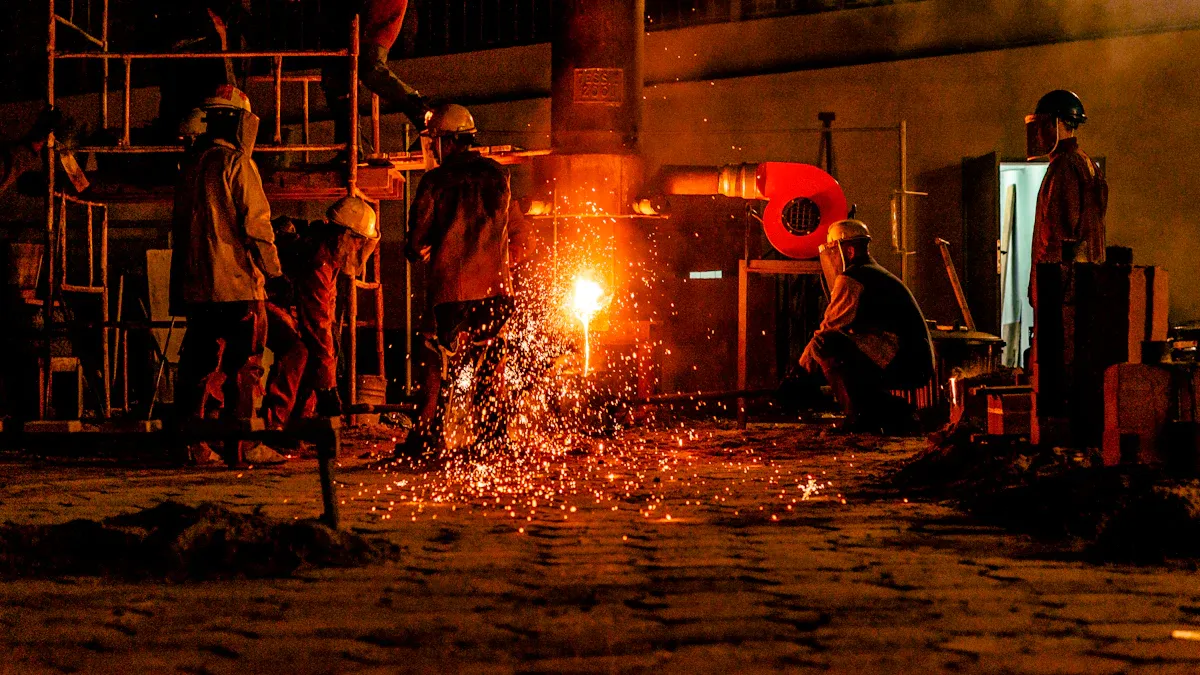
Safety is important in every sand casting job. Workers follow rules to stop accidents and injuries.
Workers who follow these tips and use the right tools can make good castings and stay safe.
Pros and cons of sand casting
Advantages of sand casting
Sand casting has many good points for makers. It works for small and big parts. This process can make many shapes and sizes. The table below lists some main benefits:
Advantage | Description |
|---|---|
Versatility | Sand casting can accommodate a wide range of part sizes and shapes. |
Low Tooling Costs | The tooling costs for sand casting are relatively low, making it cost-effective for prototypes and low-volume production. |
Adaptability | Sand casting can use different types of sand, binders, and additives to achieve special properties. |
Complex Geometries | Sand casting can create parts with intricate designs and internal features. |
Sand casting uses less energy than some other ways. It makes fewer bad gases and is better for the planet. Many companies pick sand casting because it is flexible and helps the environment.
Limitations and challenges
Sand casting has some problems too. The finished part can have a rough surface. Workers may need to fix or smooth the part after casting. The table below shows some common problems:
Challenge | Description |
|---|---|
Rough Surface Finish | The process can produce rough surface finishes that may require extra machining. |
Lower Dimensional Accuracy | Sand casting often results in lower dimensional accuracy compared to other methods. |
Risk of Defects | There is a significant risk of defects occurring during the casting process. |
Other problems are gas bubbles, shrinking, and issues with mold sand and cores. Oxides and inclusions can also show up in the final part. Scrap rates for sand casting can be as high as 10–20% in factories.
Comparison with other casting methods
Sand casting is different from other casting ways. The table below compares it to investment casting and die casting:
Feature | Sand Casting | Investment Casting | Die Casting |
|---|---|---|---|
Cost per Part | Lower | Higher | Lower in high volume |
Turnaround Time | Fast (3–5 weeks) | Slower | Very fast (30 sec–1 min) |
Scrap Rate | 10–20% | 3–7% | Low |
Surface Finish | Rougher | Smoother | Smoother |
Energy Requirement | Lower | Moderate | Higher |
Environmental Impact | Fewer emissions, renewable sand | Moderate | More emissions, higher energy |
Sand casting is cheap and quick for simple or big parts. Investment casting gives smoother parts and better detail but costs more and takes longer. Die casting is the fastest but uses more energy and is best for making lots of parts. Each way has its own use, but sand casting is still a top pick for many companies.
Sand casting techniques and best practices
Main types of sand casting methods
Sand casting uses a few main ways to shape metal parts. Each way has its own good points and problems.
Green Sand uses sand, clay, and water. It is fast and cheap. Workers can use the sand again. But the mold might break or move.
Sodium Silicate Sand mixes sand with sodium silicate. It gets hard fast when it touches carbon dioxide. This helps make strong cores and spaces. But workers must mix it just right.
Resin Sand covers sand with resin. This makes strong molds with smooth sides. It gives fewer mistakes but costs more and takes longer.
The table below shows how these ways are different:
Sand Casting Method | Description | Advantages | Disadvantages |
|---|---|---|---|
Green Sand | Sand, clay, and water mixture | Fast, low cost, reusable sand | Mold can collapse |
Sodium Silicate | Sand with sodium silicate, hardened by CO2 | Solid cores, quick hardening | Needs careful mixing |
Resin Sand | Sand coated with resin | Smooth finish, fewer defects | Higher cost, slower process |
Tips for quality sand castings
Workers follow some best steps to make good castings. They control how fast the metal cools to stop cracks. They design risers to help metal fill empty spots as it cools. They use the right vents and gates so gas can get out. They check the sand’s strength and wetness before using it. They store and move sand with care to keep it clean. They recycle sand to save money and materials.
Tip: Companies like KEMING use new machines and strict checks. They pick good materials and modern tools to make sure each part is high quality.
Common defects and how to avoid them
Mistakes can happen during casting, but workers can stop most problems by using good steps. The table below lists common mistakes and how to fix them:
Defect Type | Causes | How to Avoid |
|---|---|---|
Gas Porosity | Poor venting, low temperature | Improve venting, keep correct pouring temperature |
Shrinkage | Not enough feeding, poor gating | Use larger risers, balance gating system |
Inclusions | Dirty sand, slag, debris | Use clean sand, keep equipment clean |
Cold Shuts | Low temperature, blocked vents | Raise pouring temperature, improve venting |
Workers who use these tips and the right ways can make strong and accurate parts with fewer mistakes.
Sand casting is a way to make metal parts in many sizes. Many industries use it for car parts and big machines. It is also good for electric vehicle parts. Makers like sand casting because it can make hard shapes. It works with lots of metals and saves money. New sand and mold tools help make better parts. These tools also help the planet. People who start new projects can use sand casting for quick samples and fast making.
You can design parts with tricky shapes.
You can use many kinds of metals.
You save money when you try new ideas.
You get parts made faster.
Companies such as KEMING offer sand casting for many industries.
FAQ
What is the main benefit of sand casting?
Sand casting helps makers create parts in many shapes and sizes. They can pick from many metals. This method works for both small and big orders. Many companies use sand casting because it saves money and is flexible.
Can sand casting make detailed parts?
Sand casting can make parts with tricky shapes. But the surface can feel rough. Workers often smooth the part after casting. For tiny details, other casting ways might work better.
How long does the sand casting process take?
Sand casting usually takes a few days to finish. Pattern making, mold setup, pouring, cooling, and finishing all take time. Big or tricky parts may take longer. Small parts can be done faster.
Is sand casting safe for workers?
Sand casting is safe if workers follow safety rules. They wear safety gear and use the right tools. They also keep the work area clean. Companies teach workers how to handle hot metal and heavy tools safely.
What industries use sand casting the most?
Many industries use sand casting for their parts. These include car, airplane, building, and farming industries. Sand casting helps make engine parts, machine tools, valves, and decorations.