EN
EN  DE
DE  ES
ES  FR
FR  PT
PT  RU
RU 

We utilize the lost foam casting method as part of our casting services to produce metal parts with complex shapes. This casting method starts with a foam pattern that matches the final part’s design. When hot metal is poured into the mold, the foam vaporizes and is replaced by the metal, forming the finished component. Many industries benefit from this casting method, with the automotive sector relying on it for lightweight and precise parts. Additionally, aerospace and machinery manufacturers use lost foam casting services to create strong, high-quality components.
Key Takeaways
Lost foam casting uses foam patterns to make metal parts. This method helps create detailed shapes. It also means less extra work is needed later.
The process saves money. Foam patterns cost less than regular molds. This helps save on materials and tools.
Quality control is very important. Regular checks make sure the parts are correct. They also help the surface look good and meet high standards.
This casting method can be used in many ways. It works for cars, planes, and art projects.
Caring for the environment is important. Using green materials and recycling helps cut down waste and pollution during casting.
Lost foam casting process steps
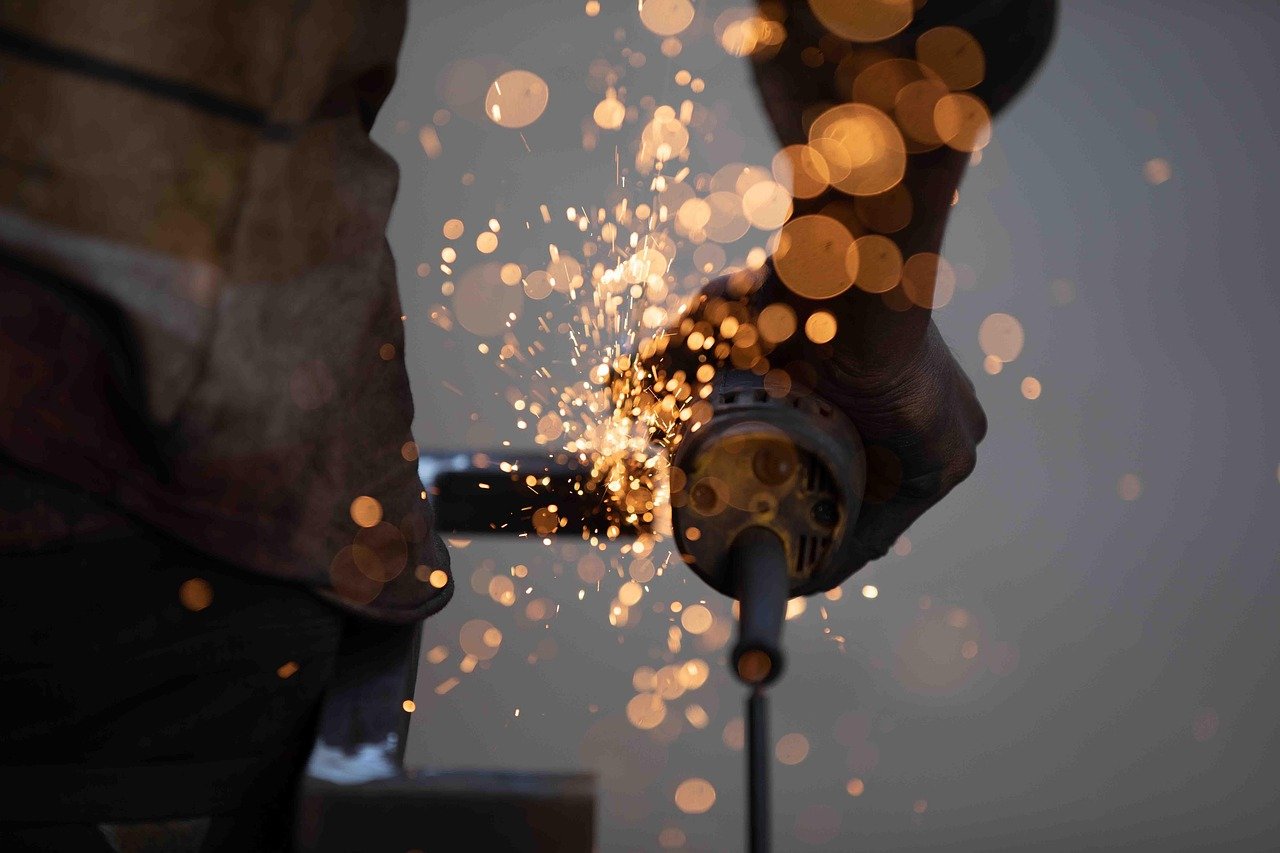
Lost foam casting uses a special method to turn foam patterns into strong metal parts. We follow each step carefully to make sure the final product meets high standards. Here is how we carry out the process:
Making the foam pattern
We start by designing the part using computer software. This helps me create a detailed plan for the pattern. We use expanded polystyrene (EPS) foam to make the pattern. EPS foam is light and easy to shape. We cut or mold the foam to match the exact size and shape of the final metal part. This step is important because the foam pattern controls the accuracy of the casting. High-density polystyrene gives me better surface finish and stability.
Assembling and gluing patterns
If the part is large or has many sections, we glue several foam pieces together. We use special adhesives that do not leave marks or gaps. Sometimes, we add foam runners and gates, which help guide the molten metal during pouring. Robotic assembly tools can help me place each piece with precision. This reduces mistakes and saves time.
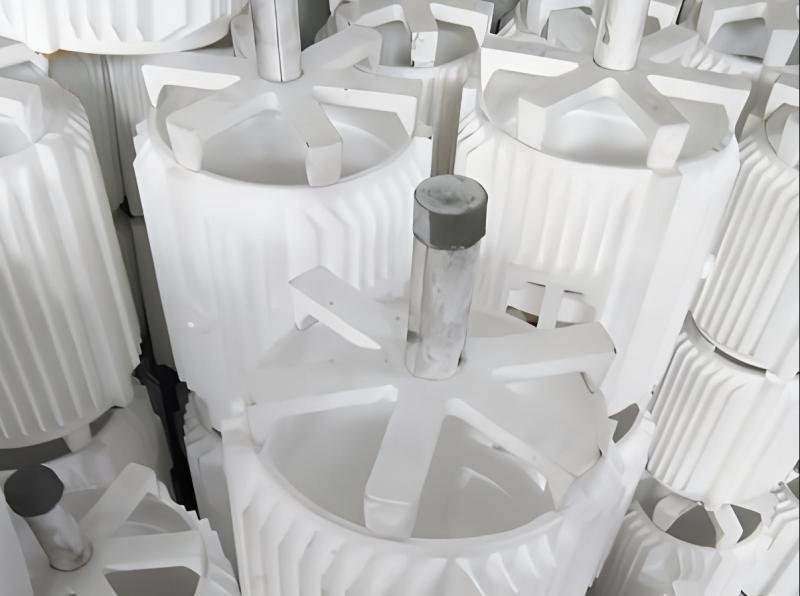
Applying refractory coating
Next, we dip or spray the foam pattern with a thin layer of refractory coating. This coating protects the foam and keeps the sand from sticking to the metal. It also helps the mold hold its shape when we pour in the hot metal. New nanocoatings and hybrid coatings give even better heat resistance and mold strength. We let the coating dry before moving to the next step.
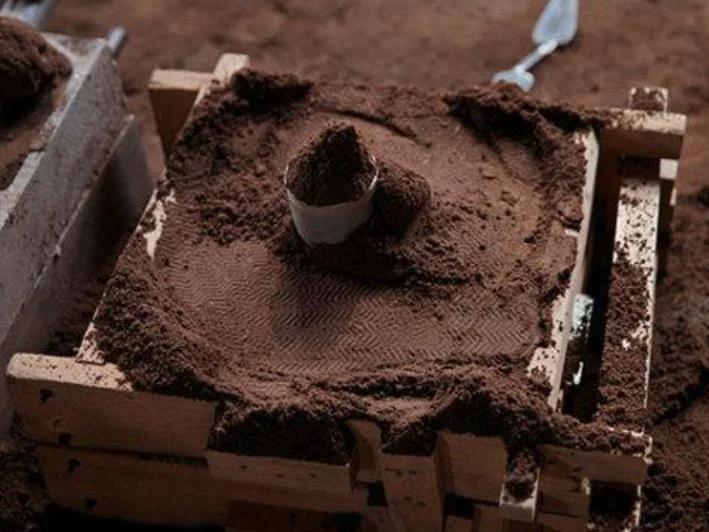
Packing in sand mold
We place the coated foam pattern into a flask, which is a strong box that holds everything together. We pack dry, unbonded sand tightly around the pattern. Automated sand handling systems help me get even compaction. The sand supports the pattern and keeps it steady during pouring. We make sure the sand is packed well so the mold does not shift or break.
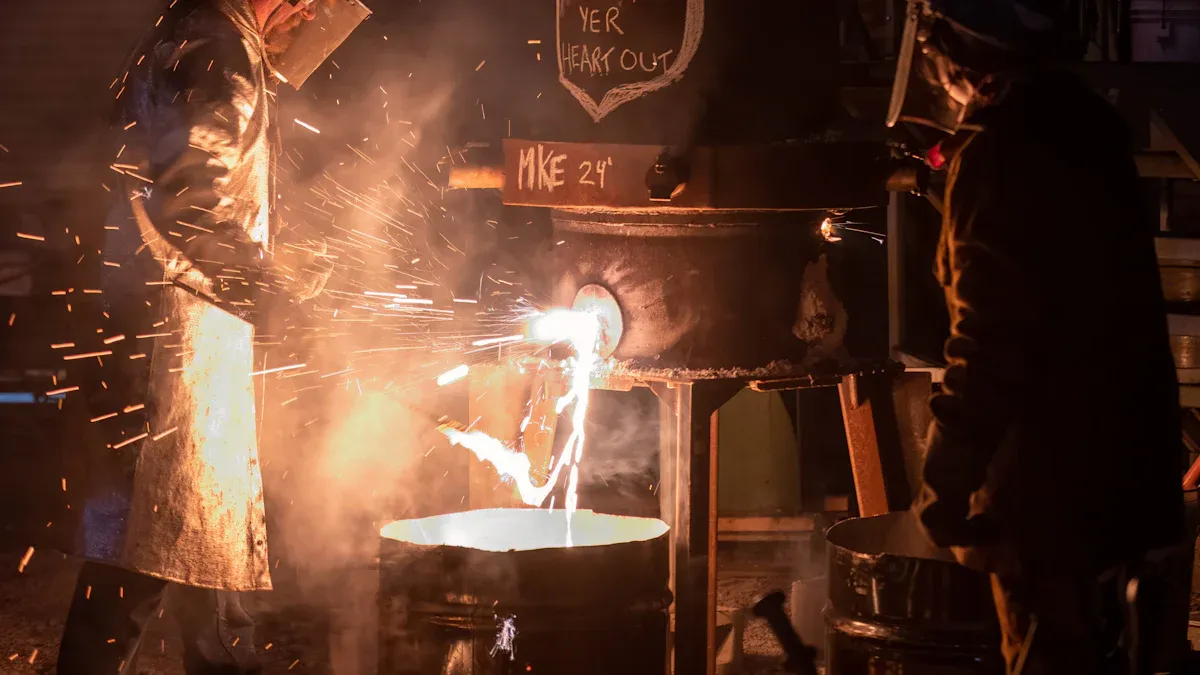
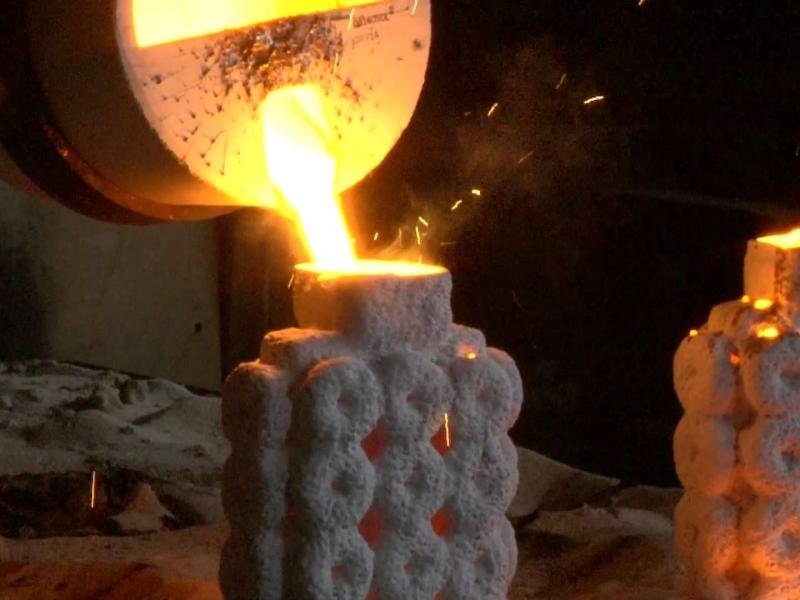
Pouring molten metal
Now comes the exciting part. We heat the metal until it melts. Then, we pour the molten metal directly onto the foam pattern. The hot metal makes the foam vaporize instantly. The vapor escapes through the sand, and the metal fills the empty space left by the foam. This is what makes lost foam casting unique. The process allows me to create complex shapes with great accuracy and very little extra machining.
Tip: Controlled pouring systems help me manage the flow and temperature of the metal. This reduces defects and improves the quality of the casting.
Cooling and removing casting
After pouring, we let the metal cool and harden inside the sand mold. Cooling times depend on the size and type of metal. Once the metal is solid, we remove the sand and take out the finished casting. We clean the casting to remove any leftover sand or coating. We check the part for accuracy and surface finish. Sometimes, we use special tests to make sure the casting meets all quality standards.
Lost foam casting gives me the ability to make detailed and precise metal parts. We can create shapes that are hard to achieve with other casting methods. The process also saves time and reduces the need for extra machining.
Materials and equipment for lost foam casting
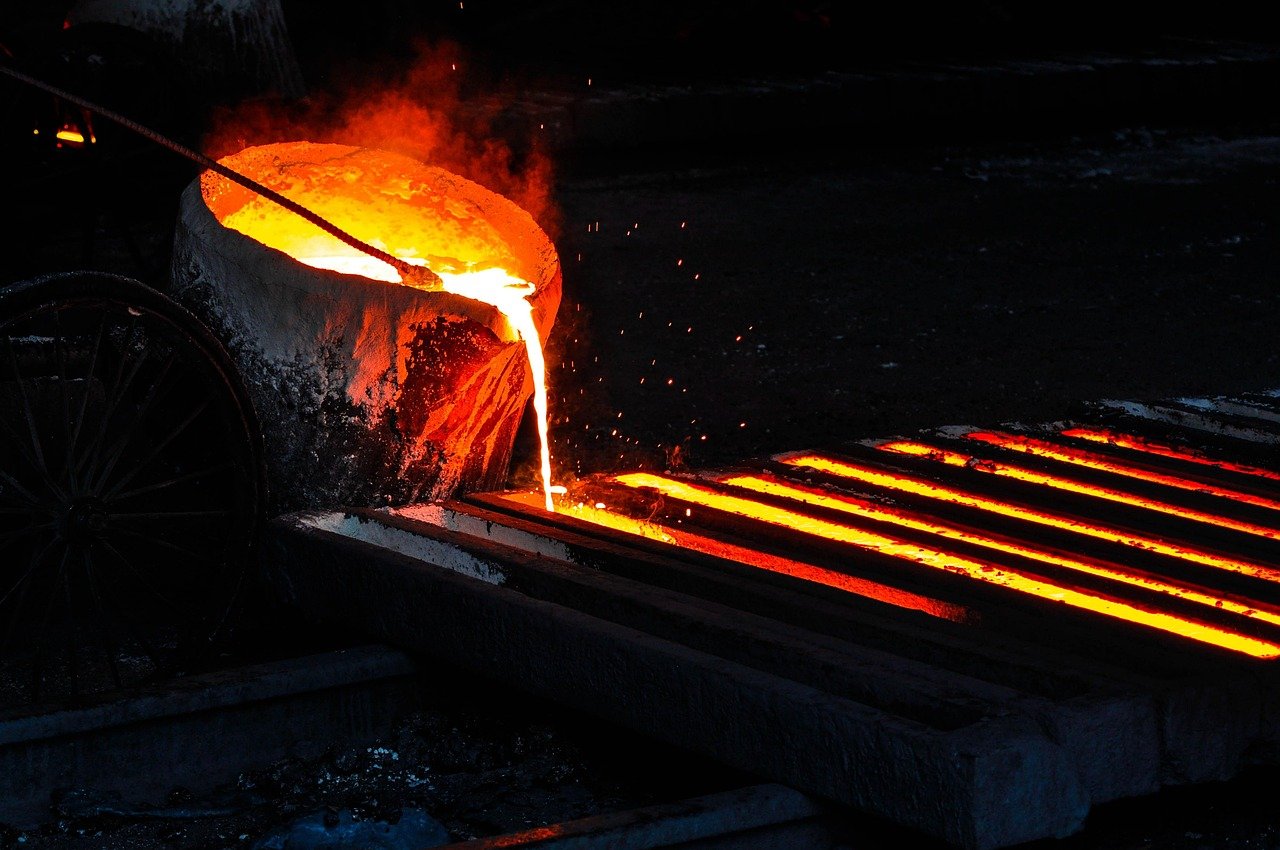
Types of foam used
We pick foam that fits each pattern. Expanded polystyrene (EPS) is our main foam. EPS is light and easy to shape. It disappears cleanly when hot metal is poured. Sometimes, we use polymethyl methacrylate (PMMA) instead. PMMA acts like EPS and is also light. Both foams help me make accurate parts.
Foam Type | Properties |
|---|---|
Expanded Polystyrene (EPS) | Low density, melts away when pouring metal. |
Polymethyl Methacrylate (PMMA) | Like EPS, low density, melts away easily. |
Refractory coatings
We put a special coating on the foam pattern. This coating controls heat between metal and sand. It helps the metal cool at the right speed. This makes the casting strong. We want coatings that are tough and resist fire. The coating should let air pass through. It must stick well and come off easily after casting.
Very strong and stiff
Resists fire well
Lets air move through
Sticks tightly
Covers and hangs well
Sintering and peeling work well
We use powders like zircon, quartz, alumina, graphite, and kyanite. Each powder works for different metals and casting jobs.
Sand and compaction methods
We use dry sand to fill around the foam. To make sand tight, we use vibration. A machine shakes the sand so it fills every gap. This makes the mold strong and helps the casting look better.
Tip: Packed sand keeps the mold steady and gives a smooth finish.
Metals suitable for casting
We cast many metals with this method. Aluminum is common because it is light. Cast iron, carbon steel, alloy steel, stainless steel, brass, bronze, and copper also work. We watch the heat closely, especially with hot metals.
Essential machinery and tools
We need several important tools:
Induction heater or furnace melts the metal
Crucible or pouring tool
Safety gear: gloves, torso cover, goggles, tongs
Foam pattern and its coating
Sand and bucket for the mold
Vibration table packs the sand
Pouring system and assembly for patterns
These tools help me work safely and quickly. Each tool helps me make strong and exact castings.
Lost foam casting: pros and cons
Benefits for complex parts
We find that lost foam casting gives me many advantages when we need to make parts with tricky shapes. Here are some of the main benefits:
We can create parts with complex geometries, including holes and curves that are hard to make with other methods.
Foam patterns cost less than traditional molds, so we save money on tooling.
The process uses materials efficiently, which means less waste.
We get excellent accuracy and a smooth surface finish, so we do not need much extra machining.
The process is simple because we do not need to use cores or parting lines.
Limitations and challenges
We also face some challenges with lost foam casting. Here are a few:
The process works best for small to medium parts. Large castings can be hard to control and may have quality issues.
We must control how the foam vaporizes. If it does not happen evenly, we might see defects like gas bubbles.
Some castings need extra cleaning and finishing, which can take more time.
Packing sand tightly around the foam is tricky. If we do not do it right, the part may not come out as planned.
We must watch the metal temperature closely to avoid cracks or other problems.
Note: Worker safety is very important. We always use protective gear and follow safety rules to handle hot metal and heavy tools.
Cost and efficiency factors
We notice that lost foam casting helps me save money in several ways. Foam patterns are cheaper than metal molds. We use less material, so we cut down on waste. The process also needs fewer steps, which means we spend less time and energy. However, if we need to do a lot of cleaning or testing, costs can go up.
Environmental considerations
We care about the environment when we cast parts. The process creates some gases when the foam burns away. We use special foams and filters to lower emissions. We also recycle sand and leftover materials to reduce waste.
We always look for ways to make our casting process safer and cleaner for everyone.
Applications and industry uses
Automotive and machinery parts
Lost foam casting helps me make car and machine parts. We use it for engine blocks, brackets, and suspension parts. This method lets me shape parts with holes and curves. We can also make thin walls. Thin walls save weight and keep parts strong. Car makers like this process because it needs less extra work. We also make gears and housings that fit together well.
Aerospace and marine components
We cast parts for planes and ships using different alloys. We make turbine blades, engine housings, and brackets. These parts must be light and strong. Lost foam casting helps me cut down on extra work and cost. We make sure every part is the right size and has a smooth finish. In aerospace, we make turbine blades and engine parts. For marine jobs, we cast parts that fight rust and last long.
We always make sure our parts are safe and strong.
Artistic and custom castings
We like using lost foam casting for art and custom jobs. This method lets me make special shapes and detailed designs. Here are some things we have made:
Example | Description |
|---|---|
Marine Exhaust Housing | An aluminum housing that does many jobs and costs less. |
Chain Roll | A ductile iron roll with inserts that can be changed. |
Differential Carrier | A ductile iron carrier that needs less work and has special features. |
Fuel Filter Housing | An iron housing with a tricky design for better fuel flow. |
KEMING’s investment casting services
At KEMING, we offer many casting services. We use lost foam casting to make parts with tricky shapes. Our process makes sure parts are the right size and need less extra work. We help many industries like cars, ships, trains, and farms. We can make engine blocks and suspension parts with great accuracy. Our team uses good tools and checks every part to meet customer needs.
We are proud to give our clients castings they can trust.
Comparing lost foam casting to other methods
Lost foam vs. sand casting
We often compare lost foam casting with sand casting when we choose the best process for a project. Both methods use sand, but the steps and results are different. We use a foam pattern in lost foam casting, coat it, and then pack it in sand. In sand casting, we press a pattern into sand to make a mold. The table below shows the main differences:
Aspect | Lost Foam Casting | Sand Casting |
|---|---|---|
Process Steps | Foam pattern is created, coated, embedded in sand, and filled with molten metal. | Mold made of compacted sand, pattern pressed in, molten metal poured in. |
Final Product Quality | Produces parts with a smooth surface finish and precise dimensions. | Parts may have a rougher surface finish and looser tolerances. |
We notice that lost foam casting gives me a smoother surface finish because the coating captures fine details.
Sand casting often leaves a rougher surface because of the sand’s texture.
Lost foam vs. investment casting
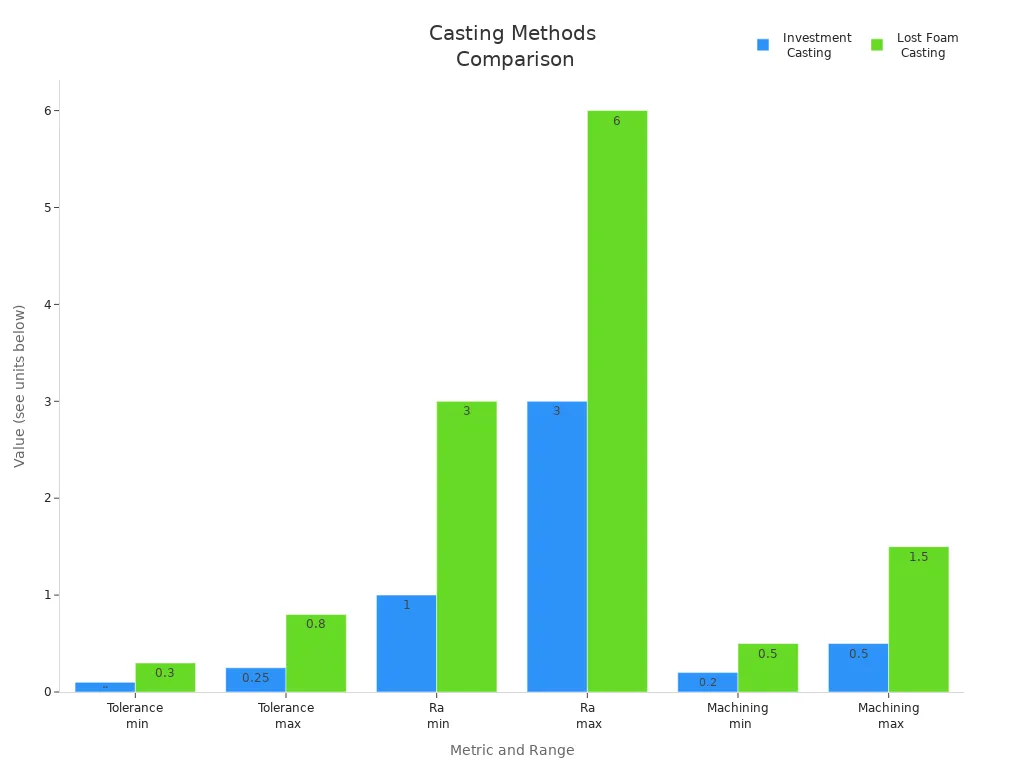
We also use investment casting for high-precision parts. Investment casting uses wax patterns and ceramic molds. Lost foam casting uses foam patterns and sand. Here is how they compare:
Metric | Investment Casting | Lost Foam Casting |
|---|---|---|
Tolerance | ± 0.1–0.25 mm / 100 mm | ± 0.3–0.8 mm / 100 mm |
Ra (As-Cast) | 1–3 µm | 3–6 µm |
Machining Allowance | 0.2–0.5 mm | 0.5–1.5 mm |
Investment casting works well with high-performance alloys like titanium. Lost foam casting fits better with metals like aluminum and gray iron.
When to choose lost foam casting
We look at several factors before we pick a casting method:
We choose lost foam casting when we need complex shapes or hidden spaces.
This method helps me make both simple and tricky parts with fewer defects.
We use it for mass production because the process is compact and easy to control.
Lost foam casting saves energy and cuts down on waste.
We pick it when we want lower costs and easy recycling.
We use it when we need high-quality castings with tight tolerances.
Tip: We always match the casting method to the part’s design, size, and material.
Quality and cost comparison
We compare quality and cost before we start a project. Here is what we find:
Casting Method | Cost Metrics | Quality Metrics |
|---|---|---|
Lost Foam Casting | Lower material and tooling costs | High precision, good dimensional accuracy |
Investment Casting | Higher costs due to expensive materials | Very high precision, excellent surface finish |
Sand Casting | Less expensive but lower precision | Lower precision and surface quality |
Investment casting gives me the best precision and finish.
Lost foam casting lets me make complex shapes with good accuracy at a lower cost.
Sand casting is cheaper but does not match the quality of the other two.
At KEMING, we offer all these casting services. We help our clients pick the right method for their needs, whether they want lost wax, sand, or investment casting. Our goal is to deliver the best quality and value for every project.
We see lost foam casting as a smart way to make strong metal parts with complex shapes. The process uses foam patterns, coatings, sand, and molten metal to create precise castings. We can make parts with tight tolerances and smooth surfaces.
We recommend lost foam casting and KEMING for your next project.
FAQ
What metals can we use in lost foam casting?
We can use many metals, such as aluminum, cast iron, carbon steel, stainless steel, and copper alloys. We choose the metal based on the part’s needs and the final use.
How accurate are lost foam castings?
Lost foam casting gives me good accuracy. We often achieve tolerances of ±0.3–0.8 mm per 100 mm. The surface finish is smooth, so we do not need much extra machining.
Is lost foam casting safe for the environment?
We care about the environment. We use special foams and filters to lower emissions. We also recycle sand and leftover materials to reduce waste.
Can we make large parts with lost foam casting?
We can make small to medium parts easily. For very large parts, we must control the process carefully. Sometimes, we use special equipment to handle bigger castings.
Why should we choose lost foam casting over other methods?
Lost foam casting lets me create complex shapes with fewer steps. We save time and material. The process gives me smooth surfaces and tight tolerances, making it a smart choice for many projects.