EN
EN  DE
DE  ES
ES  FR
FR  PT
PT  RU
RU 

Expanded polystyrene foam is the primary material used in the lost foam casting method. The type of foam you choose significantly impacts the quality and success of the casting services. Many experts prefer this foam because it maintains its shape effectively and burns away cleanly during the casting process. Foam with lower density is ideal for small parts, while higher density foam results in a smoother and stronger surface. Selecting the appropriate foam is crucial to ensure that the casting works efficiently every time.
Key Takeaways
Expanded polystyrene (EPS) foam is often used in lost foam casting. It burns cleanly and keeps its shape well.
Picking the right foam density is very important. Lower density foam is easier to cut and shape. Higher density foam gives a smoother surface.
EPS foam works with many metals and alloys. This makes it useful for many casting jobs.
You must handle and store foam patterns carefully. This helps stop problems and keeps the final castings good.
Always check the quality and density of EPS foam before you start. This helps you avoid problems and get better results.
Expanded polystyrene in lost foam casting

What is expanded polystyrene foam
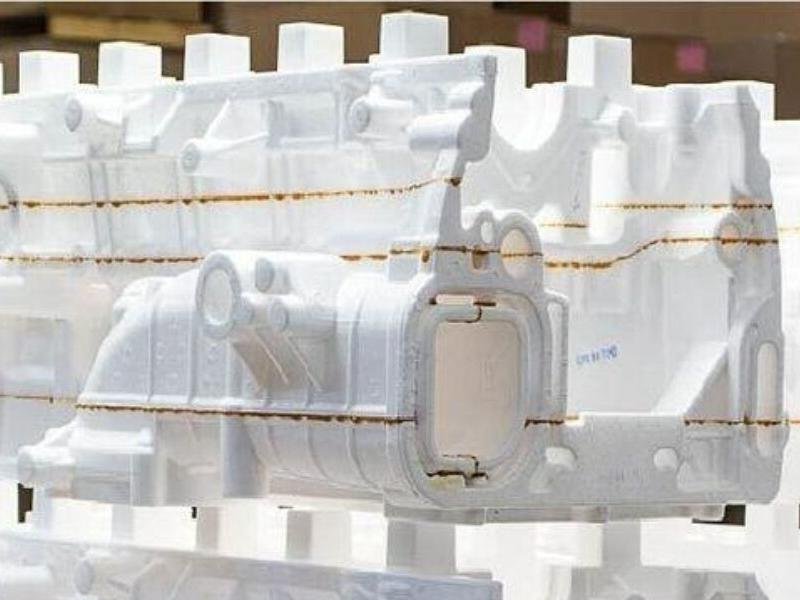
Expanded polystyrene foam is light and stiff. It is made from tiny polystyrene beads. Manufacturers use steam to make the beads bigger. Then, they shape the beads into forms. The foam has a closed-cell structure. This means each small cell is sealed off. This makes the foam strong and helps it keep its shape. It works well during lost-foam casting. Expanded polystyrene is mostly carbon and hydrogen. People like it because it is easy to cut and shape.
Key properties for lost foam casting
Some features of eps make it great for lost-foam casting. The foam needs the right density. This helps it turn to vapor evenly when hot metal is poured. Even vaporization gives the finished part a smooth surface. The way eps fuses is also important. It affects how well the foam pattern stays together before casting. These things help each casting come out the right size and shape.
Why EPS is preferred in lost-foam
Many foundries pick eps for lost-foam casting. It turns to vapor completely when heated. New types of eps, like eps-pmma copolymers, leave nothing behind. This means the metal part will not have flaws like lustrous carbon. That can happen with other materials. The clean burn of eps helps make high-quality castings. There are fewer problems. This is why eps is used for both small and big lost-foam jobs.
Typical density and availability of EPS foam
Eps foam for lost-foam casting usually has a density between 1 and 1.5 pounds per cubic foot (0.016 to 0.024 grams per cubic centimeter). This range gives the right mix of strength and vaporization. Most suppliers have eps in this density. It is easy to get for casting work.
The usual density of eps foam for lost-foam casting is 1-1.5 lbs. per cu.ft. (0.016 g/cm³- 0.024 g/cm³).
Eps foam is easy to find from many suppliers.
Limitations of EPS in lost-foam casting
Eps works well for lost-foam casting, but it has some limits. Making complex foam patterns can cost a lot, especially for small batches. Small changes in the process can cause problems like holes or bits inside the casting. Eps patterns can only be used once. This means more waste. Making big or heavy castings is hard. The foam may not support the weight or size well.
Limitation | Impact on Casting Outcomes |
|---|---|
Pattern Cost and Complexity | Increased production costs, less economically viable for small runs. |
Process Control Challenges | Potential defects such as porosity, inclusions, or dimensional inaccuracies due to minor variations in parameters. |
Foam Degradation and Reusability | Affects repeatability and accuracy, generates waste due to single-use patterns. |
Limited Size and Weight of Castings | Challenges in mold handling, metal filling, and cooling for large and heavy components. |
Tip: Always check the density and quality of eps foam before you start a lost-foam casting project. This helps you avoid problems and get better results.
Why EPS foam for lost foam casting
Clean burnout and residue-free results
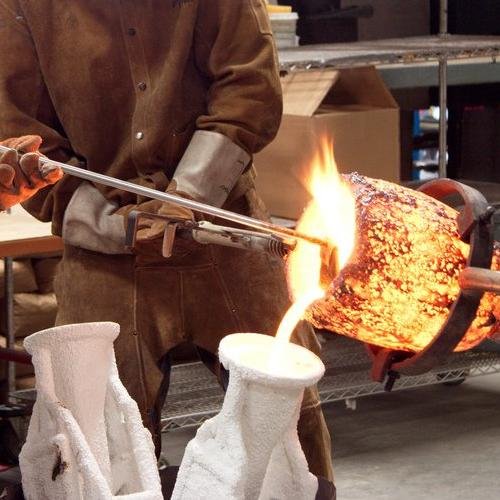
EPS foam is special because it burns away cleanly. When hot metal goes into the mold, the foam turns into vapor. It does not leave any solid pieces behind. This helps make castings with smooth surfaces. There are fewer mistakes in the finished parts. Foundries use EPS foam because it lowers the chance of problems.
Compatibility with casting metals and alloys
EPS foam works with many metals and alloys. Foundries use it for steel, iron, and aluminum parts. The foam keeps its shape during casting, even when it gets very hot. This makes EPS foam a good choice for simple and hard castings.
Cost and ease of shaping EPS foam
EPS foam has many cost and production benefits:
EPS foam costs less than other foams.
It is light, so making patterns is easy.
Workers can shape EPS foam without trouble.
EPS foam does not get squished, so it stays in shape.
These things make EPS foam great for lost-foam casting. It is helpful for making detailed designs.
Environmental and safety aspects of EPS
Using EPS foam can release harmful gases when it burns. Some gases, like benzene and styrene, are bad for health and nature. Foundries need to control these gases and keep fire risks low. Good airflow and safety steps help keep workers safe.
Industry standards for lost-foam casting foam
Companies like KEMING follow strict rules for quality and safety. These rules include:
Standard | Description |
|---|---|
ASTM | Rules from the American Society for Testing and Materials. |
DIN | German rules for making things safe and good. |
JIS | Japanese rules for how things are made. |
KEMING’s casting services meet these world rules. Their team uses new machines and checks quality. They give good lost-foam casting results for many jobs.
Comparing EPS with other foams

EPS vs. extruded polystyrene (XPS) foam
Expanded polystyrene and extruded polystyrene are both used in lost-foam casting. They have different features that change how the process works. EPS is lighter and costs less money. XPS is stronger and keeps out water better. The table below shows how they are different:
Feature | EPS (Expanded Polystyrene) | XPS (Extruded Polystyrene) |
|---|---|---|
Cost | Lower | Higher |
Weight | Lighter | Heavier |
R-value per inch | 3.6 – 4.2 | 5 |
Water absorption | Higher | Lower |
Durability | More fragile | More durable |
Pest resistance | Lower | Higher |
Compressive strength | Lower | Higher |
Recycling | Easier | More difficult |

Most foundries pick EPS because it is easy to shape and burns away cleanly. XPS is not used as much. It is harder to cut and may not burn away as well.
Why polyurethane and other foams are less used
Polyurethane and other foams do not work well for lost-foam casting. These foams often leave stuff behind after burning. This can cause problems in the metal part. Polyurethane foam also costs more and is tough to shape. Because of this, most experts do not use polyurethane or similar foams for lost-foam casting.
Performance and surface finish differences
EPS foam gives a smooth finish in lost-foam casting. XPS and polyurethane foams can make rougher surfaces or leave marks. EPS turns to vapor evenly, so metal fills every detail. This means better results and fewer problems with the finished part.
Practical considerations for foam selection
Picking the right foam for lost-foam casting depends on a few things. The table below lists what to think about:
Factor | Description |
|---|---|
EPS Density | Lower density is easier to fill but can bend. Higher density is stronger but can slow metal flow. |
Balance Requirement | The density should be balanced for good finish and strong patterns. |
Tip: Always check the foam density before starting a lost-foam casting project. This helps stop surface problems and makes sure patterns are strong.
Case examples in lost-foam casting
A foundry used a new Continuous Flow Impregnation process with EPS foam to make cylinder heads and blocks. This made the pressure test pass rate go over 99%. In another project, a big gear was made with lost-foam casting using SAE 1060 steel. This saved nine weeks and cut costs by 20%. In a third case, a mix of 30% EPS and 70% PMMA foam was used to cast stainless steel parts. These parts worked better in tough places. These stories show that picking the right foam can make parts better, save time, and lower costs in lost-foam casting.
Practical tips for lost foam casting success
Choosing the right foam density and grade
Picking the right foam density is very important. Foam with lower density is easy to shape. But it can bend during lost-foam casting. Foam with higher density is stronger and makes smoother parts. Most foundries use foam between 0.015 and 0.020 g/cm³. This helps stop backfire problems and gives good results. KEMING says to check the foam grade before you start. This makes sure you get quality every time.
Cutting and shaping foam patterns
Good foam patterns help make better castings. Workers follow simple steps to shape foam:
Make sure your workspace is clean and has fresh air.
Get tools like a hot wire cutter, foam rasp, sanding blocks, and safety gear.
Draw a clear sketch of your project.
Use a hot wire cutter for straight lines and big pieces.
Shape curves and details with a foam rasp.
Mix cutting and carving for 3D shapes.
Use heat molding if you need to bend foam.
Sand the edges to make them smooth.
Add finishing touches like paint or sealant.
Surface treatments for better casting results
Surface treatments help make lost-foam casting better. The table below lists common treatments and what they do:
Surface Treatment | Description | Benefits |
|---|---|---|
Sanding | Lightly sand the foam pattern | Makes the surface smoother |
Coatings | Add a thin layer of coating | Gives a better finish and more stability |
Refractory Coatings | Add thermal and mechanical support | Makes the foam stronger and last longer |
Permeable Coatings | Let gases escape | Reduces surface problems |
Nanocoatings | Use tiny particles for a thin, even layer | Makes the surface very smooth and strong |
Safe handling and storage of foam
Keep foam in a cool, dry place away from sunlight. Store foam molds flat so they do not bend. Workers should wear gloves and masks to stay safe from dust and fumes. Good airflow keeps the workspace safe during lost-foam casting.
Troubleshooting common foam issues
Lost-foam casting can have problems with foam patterns. Here are some common issues and ways to fix them:
Porosity from foam breaking down
Porosity from foam or coatings not drying well
Backfire from wrong density or not drying enough
To fix these, workers can change the process for better metal flow, dry foam patterns all the way, and control the foaming agent. Keeping foam density between 0.015 and 0.020 g/cm³ helps stop backfire. KEMING checks quality to make sure these steps are done for good lost-foam casting results.
Lost foam casting: Best practices
Key factors in foam selection
Choosing the right foam is very important for lost-foam casting. The foam needs the right density and structure. If the foam is denser, it is stronger. But it can make more leftover stuff when it burns. This leftover stuff can cause problems in the casting. You need to find a good balance between density and quality. This is extra important for thin-walled parts. The foam should also keep its shape and burn away cleanly. It should not leave much behind after casting.
Tips for optimal casting quality
There are steps to help get good lost-foam castings. The coating on the foam must be strong. It has to handle the weight of sand and let gas out. Many foundries use coatings like Foundrylac ZBM/365 because they cost less. Workers dip the foam pattern in the coating. They check how thick the coating is to cover the foam evenly. The coated pattern dries for a whole day. Workers look for any problems and fix them if needed. The way you design the gating is also important. Gating helps the hot metal flow and lets gases escape. Foundries often try different gating designs to see what works best.
Sourcing high-quality casting foam
Using good foam gives better lost-foam casting results. Good foam keeps its shape, burns away clean, and leaves little behind. Companies like Armstrong Brands and BE-CU Foundry sell EPS patterns that meet high standards. These companies help stop contamination and make sure each pattern is the same.
Maintenance and reuse of foam patterns
Foam patterns are usually used only once in lost-foam casting. Workers must be careful when handling and storing them. Keep foam in a cool, dry place and lay it flat. Check each pattern before using it to find cracks or bends. This helps keep the patterns in good shape until casting.
Final checklist for lost-foam casting
A checklist helps make lost-foam casting work well:
Make sure materials can handle heat.
Check that the coating covers well and sticks.
Follow rules for the environment.
The shell should come off easily.
Make sure the foam and shell work together.
Check how long drying and curing take.
Balance the cost with how well it works.
KEMING gives trusted investment casting and lost-foam casting services. Their team uses strict rules and new machines for every job.
EPS foam is the best choice for lost foam casting. Picking and getting the foam ready helps make better castings. Industry rules help keep casting safe and good quality. Many experts trust companies like KEMING for casting jobs. If you need help, these groups can support you:
GDM Technics gives training at your work and helpful tips.
Austin Group, LLC helps with planning and checking quality.
Learning by doing and working with skilled mentors helps projects do well.
FAQ
What is the main foam used in lost foam casting?
Expanded polystyrene (EPS) foam is used most often. EPS burns away and does not leave solid pieces. Foundries like EPS because it is easy to shape. It helps make castings with smooth surfaces.
Can you reuse foam patterns in lost foam casting?
Foam patterns cannot be used again. Each pattern burns up during casting. Workers must make a new pattern for every part. This keeps each casting correct and accurate.
How does foam density affect casting quality?
Foam density changes how strong and smooth the casting is. Lower density foam is easy to shape but can bend. Higher density foam is stronger and gives smoother surfaces. Foundries pick the density based on the part’s size and details.
Is EPS foam safe for workers?
EPS foam can make gases when it gets hot. Workers wear safety gear and use good airflow. Foundries follow safety rules to keep everyone safe.
Where can someone buy high-quality EPS foam for casting?
Many companies sell EPS foam for casting. KEMING offers foam that meets world standards. Buyers should check the foam’s density and quality before buying.