EN
EN  DE
DE  ES
ES  FR
FR  PT
PT  RU
RU 
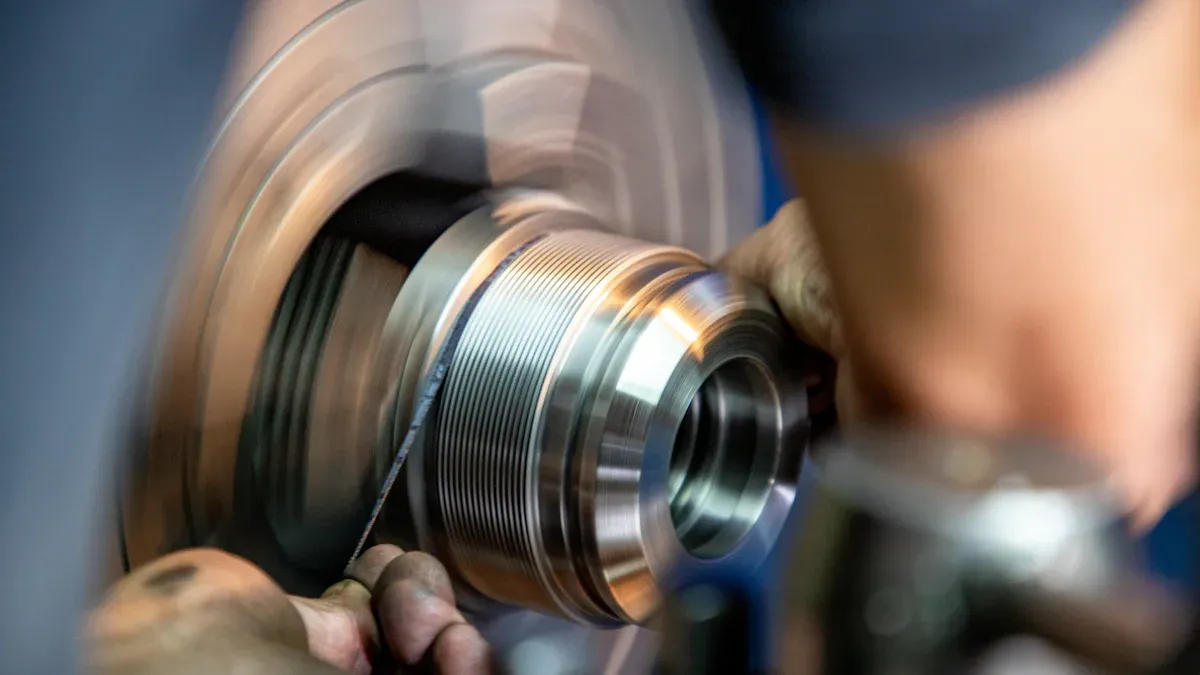
CNC Turning Machining is a precise process that shapes raw materials into exact parts by removing excess material with advanced CNC lathe machines. This automated approach ensures faster production and greater accuracy compared to manual methods. By utilizing CNC Turning Machining, you can minimize errors and consistently produce parts that match your specifications. With a wide selection of materials available—including stainless steel, aluminum, titanium, copper, brass, alloy steel, carbon steel, and plastics—these services are ideal for industries such as aerospace, automotive, medical, and especially Railroad Castings and Parts Manufacturing.
KEMING stands out as a reliable provider of both Custom CNC Turning Machining Services and Custom CNC Milling Machining Services. Their expertise in CNC machining guarantees tight tolerances and repeatable results, making it easy to achieve high-quality products efficiently. Whether you need rapid prototyping or large-scale production, CNC Turning Machining supports quick testing and mass manufacturing. KEMING offers extensive material options and fast turnaround times to meet all your machining requirements.
Key Takeaways
CNC turning machines make parts very exact and fast. They help lower mistakes and make sure parts are good quality.
You should always think about safety first. Wear the right PPE and check the machine for safety before you use it.
Clean and oil the machine often. This helps the CNC turning center work well for a long time.
Set up the workpieces and tools the right way. This helps you get good results and keeps you safe from accidents.
You need to know G-code and M-code. This helps you program CNC turning machines the right way and do your work well.
CNC Turning Machining Safety
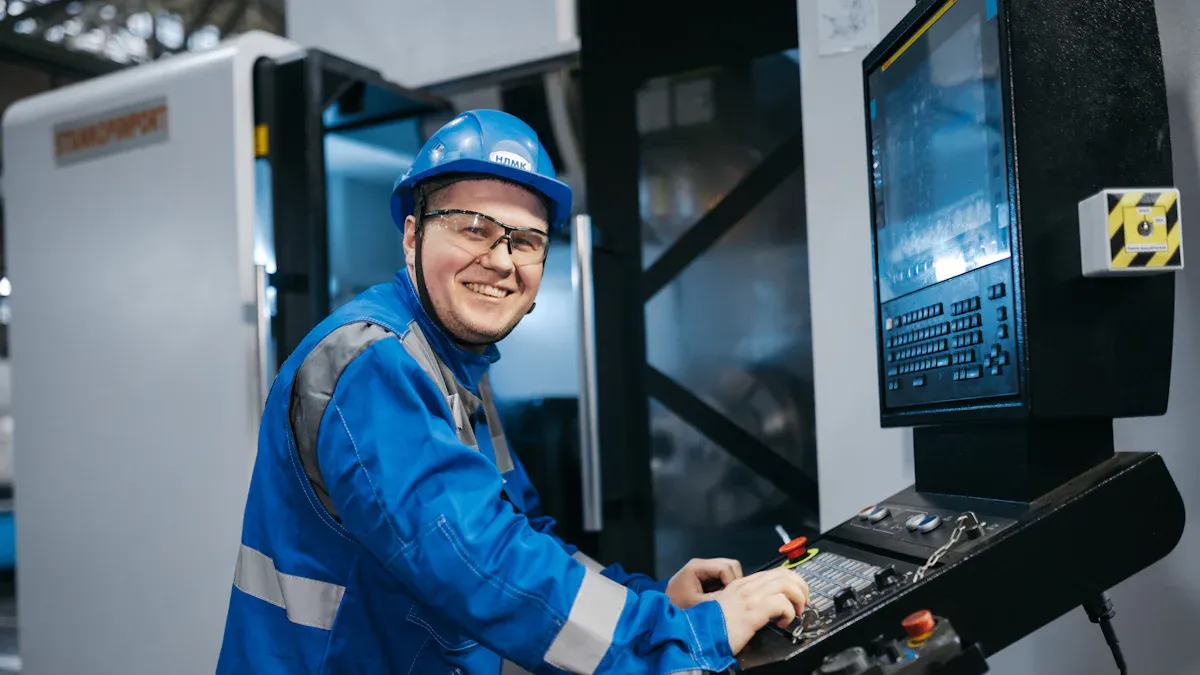
Safety is very important when using cnc turning machines. You must keep yourself and others safe from dangers in the work area. Cnc turning uses fast parts, sharp tools, and sometimes chemicals. You need to follow safety rules to make sure the area stays safe and works well.
PPE for CNC Turning
Always wear the right safety gear when using cnc turning machines. This means you should use safety glasses, gloves, and hearing protection. Safety glasses keep your eyes safe from flying chips and coolant. Gloves protect your hands from sharp edges, but do not wear loose gloves near moving parts. Hearing protection stops loud noises from hurting your ears. If you work with materials that make dust or fumes, you may need a dust mask or respirator.
Safety Checks Before Operation
Check the machine and your workspace before starting any cnc turning job. Make sure all guards and barriers are set up. Test emergency stops to see if they work. Look at the turning machine for loose bolts, worn parts, or oil leaks. Clean up spills or messes around the cnc turning center. Check your machining program and make sure the right tools are ready. These steps help stop accidents and keep the cnc turning process running well.
Here is a table that lists common hazards in cnc turning machining and ways to avoid them:
Hazard Type | Description | Prevention Strategies |
|---|---|---|
Mechanical Hazards | Moving machine parts can cause you to get caught or hurt. | Use barriers, two-hand controls, interlocks, and wear the right PPE. |
Health Hazards | Breathing in bad chemicals or dust can make you sick or burn your skin. | Make sure there is good airflow, wear PPE, and learn how to handle dangerous materials. |
Emergency Protocols
You need to know what to do if something bad happens during cnc turning machining. Find out where the emergency stop buttons are on your cnc turning center. If you see smoke, sparks, or hear weird sounds, stop the machine right away. Tell your supervisor about any accidents or close calls. Practice fire drills and learn the exit routes. KEMING follows ISO 9001 rules, so you get a safe and organized cnc turning area. These rules focus on making customers happy, checking things often, and thinking about risks. They help keep cnc turning safe and steady for everyone.
ISO 9001 works to make customers happy and improve things.
It needs regular checks inside the company to follow the rules.
It helps people think about risks and fix problems early.
If you follow these safety steps, you help make cnc turning safer. You also make sure your machining work is good every time.
CNC Turning Centers Setup
Setting up cnc turning centers is a key step before you start any turning job. You need to make sure your cnc turning center is ready for safe and accurate machining. KEMING uses advanced cnc turning centers that help you get better results with less effort. These machines have features like multi-axis movement, live tooling, and smart control systems. You can trust them to handle complex turning tasks and keep your parts consistent.
Machine Inspection
You should always inspect your cnc turning center before you begin. Start by checking all safety guards and emergency stops. Make sure the work area is clean and free from clutter. Look for loose bolts, worn parts, or oil leaks on the cnc turning centers. Test the power supply and check that all cables are secure. If you see any problems, fix them before you move on. This step helps you avoid accidents and keeps your cnc turning machine running smoothly.
Tip: Always confirm your training before operating any cnc turning center. This keeps you and your team safe.
Cleaning and Lubrication
Clean and lubricate your cnc turning centers to keep them in top shape. Remove chips and dust from the machine bed and tool holders. Check the oil reservoir levels for hydraulic and spindle parts every day. Apply grease to the linear guideways once a week. Change the hydraulic fluids every month. Inspect filters and strainers every three months. This routine helps your cnc turning center last longer and work better.
Interval | Task Description |
|---|---|
Daily | Check oil reservoir levels for hydraulic and spindle components. |
Weekly | Apply grease to linear guideways for moving parts. |
Monthly | Flush and replace hydraulic fluids for power transmission. |
Quarterly | Inspect filters and strainers for contaminants. |
Powering Up CNC Turning Centers
When you power up your cnc turning center, follow a set order. First, turn on the main power and check the control panel. Let the cnc turning centers warm up for a few minutes. This helps the machine reach the right temperature for precise turning. Load your tools and set up the workpiece. Make sure you input the correct program for your turning job. Run a dry test to check for errors. These steps help you get the best results from your cnc turning centers.
Modern cnc turning centers, like those at KEMING, use automation and advanced controls. You get faster production, better part quality, and less risk of mistakes. These cnc turning centers can repeat the same turning process many times, so your parts always meet your standards.
CNC Turning Process: Workpiece & Tool Setup
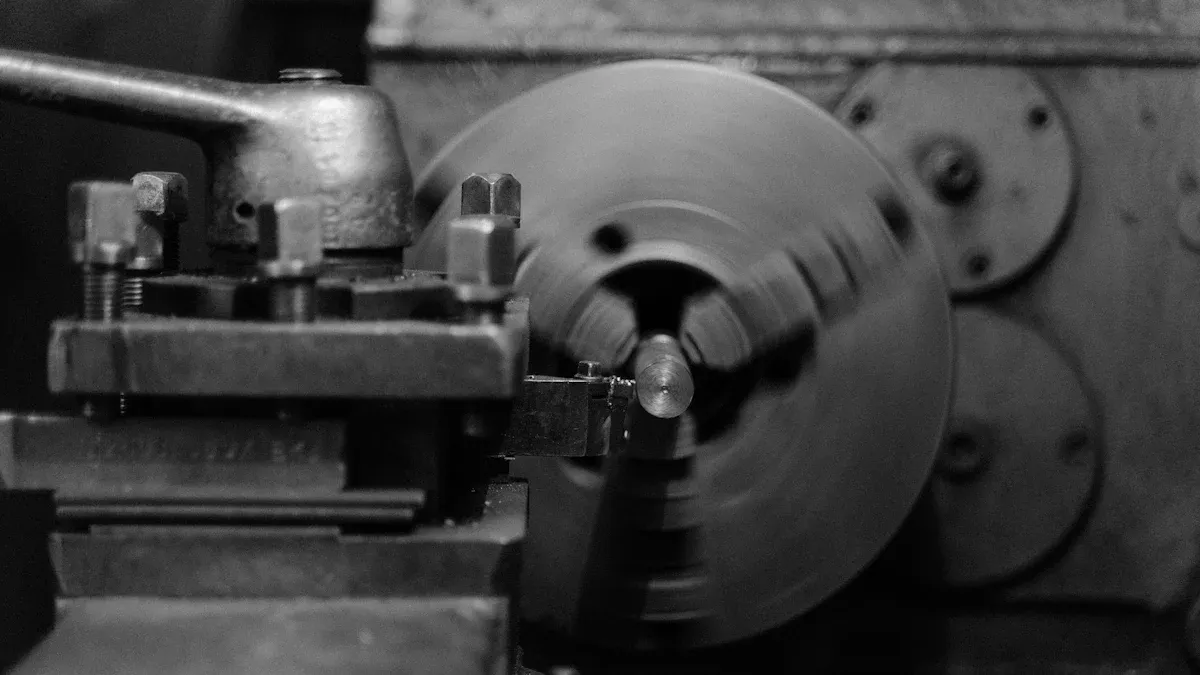
Getting ready for the cnc turning process starts with good planning. You need to check that the workpiece and tools are set up right. This helps you machine parts safely and accurately. It does not matter if you use metal or plastic. KEMING’s cnc turning centers can work with many materials and shapes. This means you can make parts for lots of different jobs.
Loading the Workpiece
You have to hold the workpiece tight before you start. If it moves, mistakes or accidents can happen. Here are some tips for putting your material in place:
Make sure the workpiece fits snug in the chuck or fixture.
Pick the right clamps or jaws for your material’s shape and size.
Check that the workpiece stays still when you touch it.
Learn safe ways to hold your workpiece.
Always check everything again before you turn on the machine.
Doing these things stops tools from breaking and keeps the workpiece from flying out. This makes the cnc turning process safer and more steady.
KEMING’s machines let you use plastics for medical parts. You can carve foam for boats and use phenolics for electric parts. The cnc turning process works with many materials and jobs.
Tool Selection and Installation
Picking the right tool is important for good results. The tool you choose changes how fast, smooth, and exact your job is. Think about what kind of turning you need. Look at the workpiece material and your cnc turning center’s details. Put the tool in the turret or holder tightly. Make sure it lines up with the spindle and does not shake. Tighten all screws and look for damage before you start.
Tool Calibration
Tool calibration helps you cut in the right spot. You need to set the tool’s place and length so the machine knows where to cut. Many industries use rules to make sure calibration is right. Here is a table of common standards:
Standard | Description |
|---|---|
ISO 9001 | Focuses on always getting better and making good products. It needs regular checks for tools and machines. |
AS 9100 | Used in aerospace to make sure parts are safe and high quality. |
ISO 17025 | Sets rules for labs to check tools and make sure measurements are correct. |
ISO 13485 | Used for medical devices to make sure cnc machining is accurate and works well. |
MIL-STD-45662 | A rule from the US military to keep calibration tools working right. |
IATF 16949 | Used in cars to make sure measurements are right and there are fewer mistakes. |
Use the right calibration tools and follow your company’s rules. This keeps your cnc turning process correct and your parts the same every time.
Tip: Write down your calibration steps. This helps you fix problems and keeps your jobs going well.
CNC Programming & Operation
CNC programming and operation are very important for cnc turning. You use computer commands to tell the machine what to do. This step turns your design into real parts. If you know the basics, you can use your cnc turning center well. You will get good results every time.
G-code and M-code Basics
You need to learn about G-code and M-code to use a cnc turning machine. These codes are like a special language for the cnc machine. G-code tells the cutting tool how to move. M-code controls other things, like turning on coolant or changing tools.
Here is a table that shows the main differences:
Code Type | Function | Examples | Purpose |
|---|---|---|---|
G-code | Geometric instructions for tool movements | G00, G01, G02 | Controls cutting tool paths and movements |
M-code | Miscellaneous functions for machine operations | M03, M04, M06, M08 | Manages non-cutting operations like tool changes and coolant activation |
You use both codes together when you do cnc turning. G-code tells the tool where to go and how fast to move. M-code tells the machine when to start the spindle or turn on the coolant. When you write or check a cnc program, you see both codes working together.
Running the CNC Turning Machine
You need to follow steps to run a cnc turning machine. Each step helps keep things safe and makes good parts. Here is a simple order you can use:
Change your CAD design file into a cnc program. Use special software to turn your drawing into instructions for the machine.
Get your cnc turning machine ready. Set up the machine, hold the workpiece tight, load the tool turret, check the tools, and upload your cnc program.
Make your cnc turned parts. Start the machine. Watch the loading time, cutting time, and idle time to keep things running well.
Good programming makes your cnc turning process faster and better. Here are some ways it helps you:
Design parts that are easy to make and put together. This saves time and helps you finish jobs faster.
Learn about the machining process. You can find problems early and stop delays.
Use design for manufacturability. This makes hard jobs easier, so you get your parts sooner.
Make smart design choices. Every choice can make your job easier or harder, so think about setup and programming time.
KEMING uses these ideas to give you fast service and good cnc turning parts. Their team writes clear programs and sets up machines for speed and accuracy.
Monitoring and Adjustments
You need to watch your cnc turning machine while it works. This keeps your parts right and your machine safe. You can use different tools and ways to check the process:
Temperature and humidity sensors help you keep the area just right. Good conditions protect your materials and help you make better parts.
SPC (Statistical Process Control) lets you track the process. You can see if things stay in limits and fix problems before they get big.
Watch the cutting speed, feed rate, and tool wear. If you see something change, you can fix settings right away.
When you make changes while the machine works, you get many good things. Here is a table that explains what you get:
Benefit | Description |
|---|---|
Improved productivity | You have less downtime and cut parts faster. |
Enhanced tool life | You take care of tools, so they last longer. |
Increased accuracy and precision | You keep your parts sharp and exact. |
Handling material inconsistencies | You fix for different materials without losing quality. |
You can also use checks and repairs to keep your cnc turning machine working. Check spindle hours and tool wear. Train yourself and your team to find problems early. These steps help you stop downtime and keep your cnc turning center ready for the next job.
KEMING uses smart ways to watch and adjust machines. Their workers check every detail, so you get good quality and fast delivery for every cnc turning project.
Finishing, Troubleshooting & Maintenance
Unloading and Inspection
After a cnc turning job, you need to take out the part. First, stop the cnc machine and make sure everything is safe. Carefully remove the finished part from the turning center. Wear gloves so you do not cut your hands on sharp edges. Before you put in a new workpiece, look for burrs or rough spots. Use deburring tools to make the edges smooth.
Always check your parts after turning. If the part needs tight tolerance, inspect it at the cnc machine. For more checks, send the part to a quality lab with a CMM. Do a final inspection before you ship the parts. Make sure every part meets your standards. You can get inspection reports if you want them. KEMING can polish, sand, powder coat, anodize, or passivate parts to make them look better and work better.
Tip: Checking quality while loading and unloading helps you find problems early.
Common CNC Turning Issues
You might have some problems during cnc turning. Here is a table to help you see and fix these problems:
Issue | Troubleshooting Steps |
|---|---|
Material Shifting | Make sure the workpiece is clamped and lined up right. |
Vibration or Chatter | Look for things that shake and watch for machine vibrations. |
Chuck Fixture Clamping Problems | Change the chuck if it does not hold the workpiece tight. |
Incompatible Power Supply | Check that the power supply voltage is right and steady. |
Improper Tools or Settings | Use the correct cutting tools and settings for good finishes. |
Overheating | Keep the cnc turning center clean and make sure air moves well. |
You can stop many problems by teaching operators well and doing regular maintenance. Calibrate your cnc turning machine often to keep it working right. Watch for changes in temperature or humidity because these can change how machining works.
Daily Maintenance Tips
Doing daily maintenance helps your cnc turning machine work well. Clean the spindle and take out chips after each job. Check coolant levels and fill them if needed. Make sure the lubrication system works every day. A well-oiled cnc turning center works better and lasts longer. Regular checks help you find small problems before they get big.
Clean the machine bed and tool holders.
Check oil and coolant levels.
Look at the lubrication system.
Take out chips and dust from the turning area.
KEMING uses strict routines to keep their cnc turning centers working great. This helps you get good, high-quality machining results every time.
You can learn cnc turning by following some important steps. Always stay safe when you use cnc machines. First, get training before you use cnc turning equipment. Next, check your tools and settings before each job. Keep your area clean and know where the emergency stops are. Try to be precise and take care of your cnc turning machine. Use good measurements, strong machines, and change tools the right way to get great results. KEMING is known for fast delivery, new cnc technology, and skilled workers. Their team can do hard turning jobs and work with many materials. They always give you good quality. Keep learning about cnc turning by going to classes, workshops, and reading news. You can contact KEMING for your next cnc turning job.
Feature | KEMING’s Services | Competitors’ Services |
|---|---|---|
Delivery Speed | Rapid turnaround with efficient programming | Varies, often slower |
Expertise | High level of craftsmanship and precision | May lack specialized skills |
Technology | Advanced CNC machines | Standard machinery |
Quality Standards | ISO 9001 certified | Certification may vary |
Tip: Keep training and always think about safety. This helps you get better at cnc turning and make better parts every time.
FAQ
What is the difference between cnc turning centers and cnc lathes?
You might see both names used. Cnc turning centers can do more jobs. They have live tooling and can move in more ways. Cnc lathes are for simple turning only. The big difference is that cnc turning centers have more features and can do harder work.
What are the benefits of cnc turning?
Cnc turning is very accurate and can do the same job many times. It makes parts faster than doing it by hand. Cnc turning also makes less waste and smoother parts. You can make hard shapes with this process.
How do you keep a cnc turning machine safe?
You need to wear safety gear every time. Check the machine before you use it. Always know where the emergency stop button is. Clean and look at the machine often. These steps help stop accidents and keep the area safe.
How does cnc turning work?
A computer tells the cutting tool and workpiece what to do. You put your material in and set up the tool. Then you run a program to start the job. The cnc machine cuts away material to make the shape you want. You can use the same program to make many parts.
Why should you choose cnc turning for your project?
Cnc turning is fast and very exact. You can use many kinds of materials. It works for both easy and hard parts. This way is good for making one part or many. You get the same good results every time.