EN
EN  DE
DE  ES
ES  FR
FR  PT
PT  RU
RU 
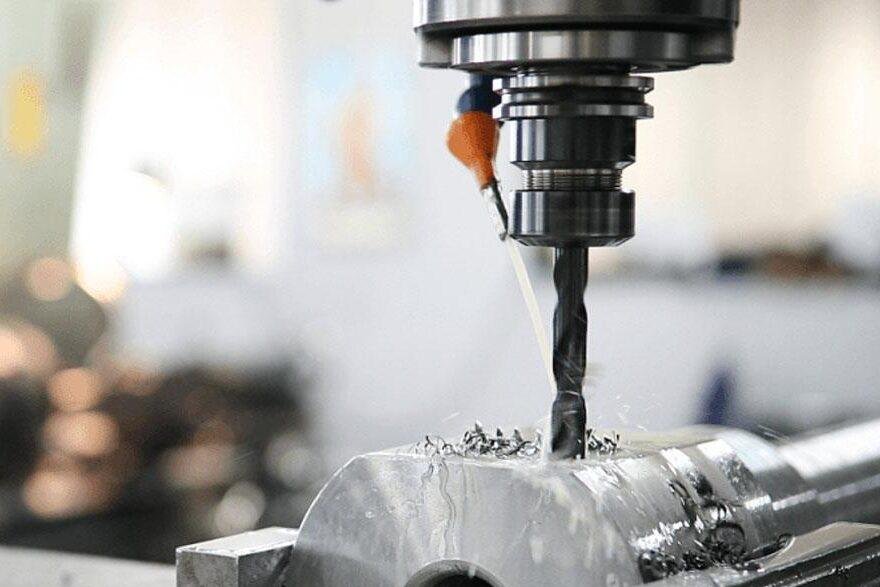
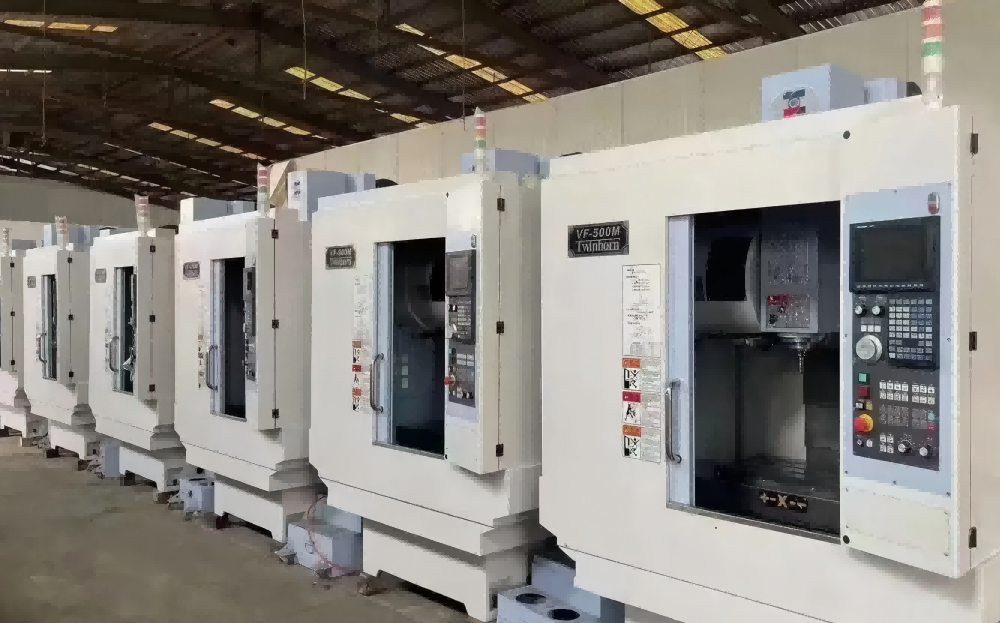
6061 aluminum is an excellent material for CNC machining and has become the preferred option for numerous companies. It features outstanding corrosion resistance to protect components from damage, an ideal strength-to-weight ratio to support reliable performance of critical parts, and excellent machinability that allows fast and precise cutting. KEMING provides professional CNC 6061 aluminum machining services for a wide range of industrial applications.
Key Takeaways
- Because 6061 aluminum alloy is resistant to rust, CNC machining is very common. This makes it ideal for outdoor or underwater environments. This alloy is strong yet lightweight, making it ideal for manufacturing lightweight yet robust parts. It is used in many industries, such as aerospace and automotive. A smooth surface finish can be achieved using appropriate cutting tools and settings. This also helps extend the tool’s lifespan.
6061 Aluminum for CNC Machining
Key Properties
6061 aluminum alloy is a high-strength, versatile alloy. It contains magnesium and silicon, elements that make the metal tough and easy to work with. The main component of this alloy is aluminum, with smaller amounts of magnesium and silicon, which contribute to improving the metal’s strength and machinability.
| Element | Content (% by weight) |
|---|---|
| Aluminum (Al) | 95.85%-98.56% |
| Magnesium (Mg) | 0.8%-1.2% |
| Silicon (Si) | 0.4%-0.8% |
| Copper (Cu) | 0.15%-0.4% |
| Iron (Fe) | 0.7% max |
| Manganese (Mn) | 0.15% max |
| Zinc (Zn) | 0.25% max |
| Titanium (Ti) | 0.25% max |
6061-T6 aluminum alloy is suitable for a variety of applications. T6 heat treatment refers to a process where the metal is heated to increase its strength and hardness. This makes the alloy very tough and capable of withstanding significant forces. Its Brinell hardness is 95 HB. These figures indicate that 6061-T6 aluminum alloy can withstand heavy loads and is durable.
| Properties | Metric | Imperial |
|---|---|---|
| Tensile strength | 310 MPa | 45000 psi |
| Yield strength | 276 MPa | 40000 psi |
| Hardness, Brinell | 95 | 95 |
6061 aluminum alloy has good bending and welding properties and is resistant to rust, making it ideal for outdoor or near-water environments. Magnesium and silicon help prevent rusting.
Reasons for Use
Engineers prefer CNC-machined 6061 aluminum alloy because of its versatility. This alloy cuts smoothly and produces a beautiful finish. T6 heat treatment facilitates high-precision machining of parts. Machinists can use it to machine shapes that are difficult to achieve with other metals. Chips produced during machining are also easy to clean.
6061-T6 aluminum alloy is strong yet lightweight, lighter than many other metals. It still possesses sufficient strength to withstand high-intensity work. While not as strong as 7075 aluminum alloy, it is more convenient to use. It is often referred to as a “universal material” in manufacturing.
6061 aluminum alloy is resistant to rust, making it ideal for outdoor or near-water environments. While 5052 aluminum alloy performs better in saltwater environments, 6061 aluminum alloy still protects most parts. It can be welded without sacrificing strength.
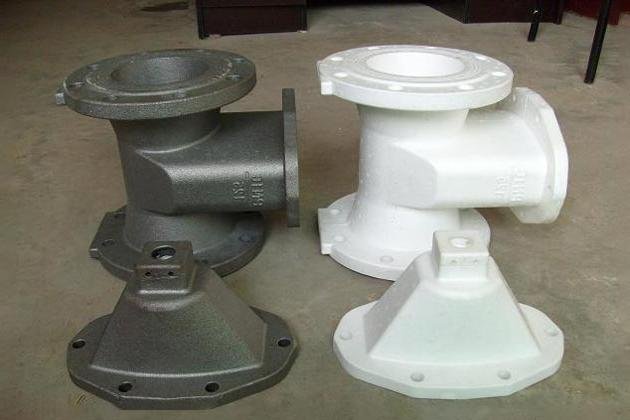
KEMING uses special CNC machines and casting to make good parts from 6061 aluminum. Their workers check each part to make sure it is strong and made right.
Common Applications
CNC-machined 6061 aluminum alloy is widely used in various fields. Its excellent properties enable it to perform a variety of tasks.
| Application Industries | Corresponding Parts |
|---|---|
| Aerospace | Aircraft parts, engine parts |
| Automotive | Engine components, chassis parts |
| Electronics | Heat sinks, housings, connectors |
| Telecommunications | Antennas, equipment housings |
| Medical Equipment | Device casings, surgical tools |
| Industrial Machinery | Mechanical parts, hydraulic parts |
| Mold Making | Injection molds, precision molds |
| Lighting Equipment | Lampshades, housings, heat sinks |
| Sports Equipment | Bicycle parts, skateboard parts |
| Home Furnishings | Furniture accessories, connectors |
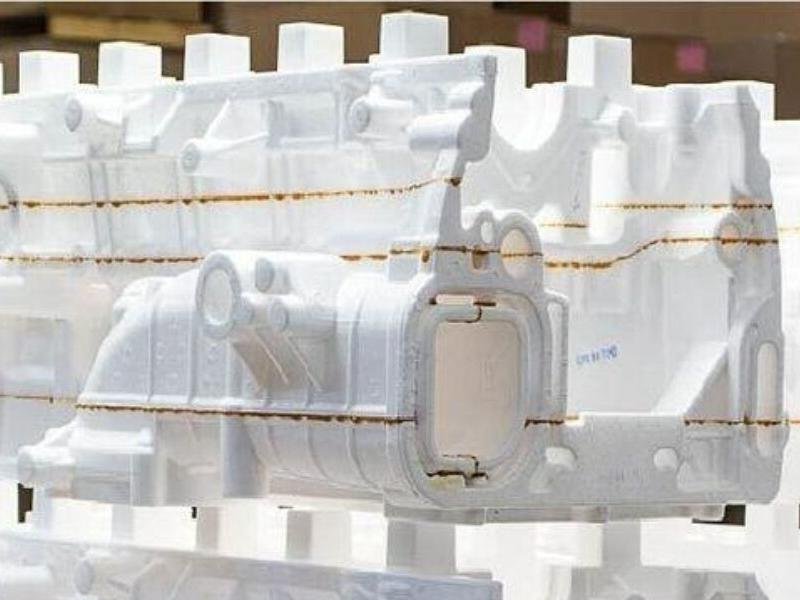
KEMING makes parts for cars, boats, trains, and farms. Their casting helps build engine blocks, transmission cases, and boat parts that last in tough places. The company makes sure every part works well and stays strong.
Key Characteristics for CNC Machining 6061
Machinability
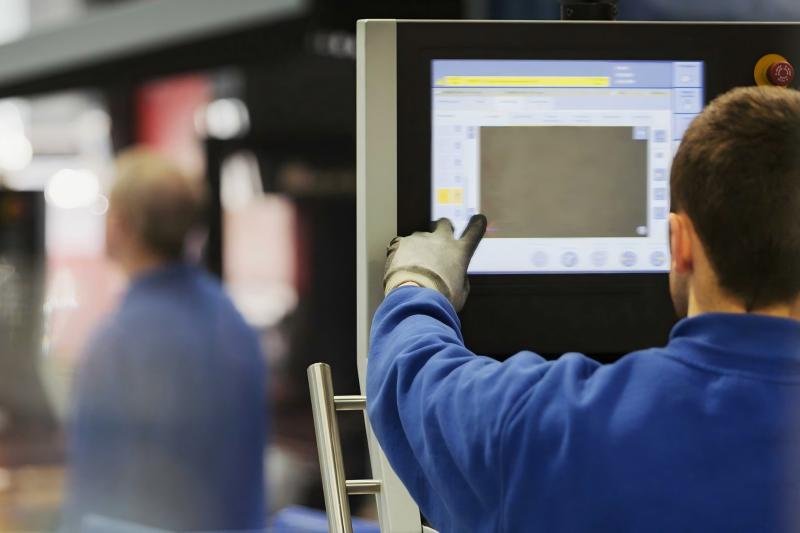
Machinists say that CNC 6061 aluminum alloy is easy to cut and shape. This alloy allows tools to cut easily. High-helix-angle, sharp carbide end mills are best suited for this type of machining. These tools can quickly remove chips and keep the cutting edge sharp. Polished flutes and special coatings help reduce friction and prevent built-up edge formation.
| Tool Type | Advantages | Best Use Case |
|---|---|---|
| 2-Flute End Mills | Maximum chip clearance and smooth cuts | General aluminum machining |
| 3-Flute Cutters | Balances strength and speed for deeper passes | Deeper cuts in aluminum |
| High-Helix Tools | Pull chips upward, preventing packing | High-speed machining |
| Carbide Tools | Maintain sharp edges, resist heat | High-speed production work |
| HSS Tools | Tougher, less brittle for low-volume jobs | Manual setups or softer grades |
Machining settings are important for good results. Operators set spindle speeds and feed rates for each job. The table below shows the best settings for cnc 6061 aluminum:
| Parameter | Recommended Range |
|---|---|
| Cutting Speed (carbide, dry/mist) | 250–450 m/min (820–1,480 ft/min) |
| Cutting Speed (high-speed finish) | Up to 600 m/min with coated carbide |
| Feed Rate (milling, per tooth) | 0.05–0.15 mm/tooth |
| Feed Rate (turning) | 0.15–0.30 mm/rev |
| Depth of Cut (roughing) | 2–5 mm |
| Depth of Cut (finishing) | 0.2–0.5 mm |
| Achievable Tolerance | ±0.01–0.02 mm (standard); ±0.005 mm with thermal compensation |
| Surface Finish (Ra) | 0.4–0.8 µm standard; < 0.2 µm with coated tools |
| Preferred Tooling | AlTiN / TiAlN coated carbide inserts; cobalt HSS for prototypes |
| Coolant | Water-soluble coolant or dry mist |
Worn tools can lead to poor part appearance or inaccurate assembly. Dull tools increase friction, resulting in a rough surface. Operators should regularly inspect tools and use coated tools to extend their lifespan. Keeping tools sharp can prevent unexpected problems.
Surface Finish
Surface finish is crucial to the appearance and performance of parts. With appropriate tools and settings, a smooth surface can be achieved on 6061-T6 aluminum alloy. A water-soluble coolant concentration of 8% to 12% helps maintain surface cleanliness. Micro-volume lubrication (MQL) can lower temperatures and prevent built-up edge formation. Deionized water keeps the coolant clean and extends its lifespan.
Machinists use coated carbide tools for finishing to achieve a fine surface roughness Ra value. A 2015 study showed that MQL machining using TiAlN+TiN coated carbide inserts yielded better surface finishes than machining with uncoated tools. Operators select appropriate tool shapes and pitches based on the part’s shape and pitch to avoid tool marks.
Applications
CNC-machined 6061 aluminum alloy is widely used in numerous industries. Automotive companies use it for cylinder block skid plates, valve covers, wheel hubs, and gear shift levers. Aerospace engineers use it for aircraft and engine components. Electronics manufacturers use it for radiators and housings. Medical device manufacturers use it for surgical instruments and housings.
| Application Industries | Common Parts |
|---|---|
| Automotive | Block guards, valve covers, wheels, shift knobs |
| Aerospace | Aircraft parts, engine parts |
| Electronics | Heat sinks, housings |
| Medical Equipment | Device casings, surgical tools |
| Industrial Machinery | Mechanical parts, hydraulic parts |
6061-t6 aluminum is strong and light. Designers pick it for parts that need to last and not rust. KEMING makes exact parts for cars, boats, trains, and farm machines. Their CNC machines and careful checks make sure every part is made right.
Best Practices
Machinists follow best practice procedures for optimal machining results. They select the appropriate aluminum alloy for each machining task. Sharp cutting edges and polished tool grooves improve tool performance and extend tool life. Operators use coolant or lubricant to prevent parts from deforming due to high temperatures. High-quality machine tools and regular inspections ensure machining accuracy.
- Check raw materials for problems before starting.
- Watch machining settings while making parts.
- Do final checks to see if size and surface are right.
- Design parts with simple shapes to save money and time.
- Plan for chip removal using helical interpolation, peck milling, ramping entry, and chip thinning.
| Common Mistakes | Solutions |
|---|---|
| Burrs formation | Use better tool condition, controlled chip flow, and plan a deburring step. |
| Parts not staying flat | Implement balanced cuts, stress-relief steps, and careful support during machining. |
| Excessive heat during cutting | Lower cutting speed, improve coolant delivery, and use heat-resistant tooling. |
| Chips causing built-up edge | Ensure good chip evacuation, use sharper tools, and maintain lubrication. |
| Toolpath marks | Select appropriate cutter shapes and finishing step-over that suits the geometry. |
| Clamping issues | Use soft jaws, protective pads, and wider support surfaces to distribute pressure. |
| Mis-setting zero points | Conduct dry-runs, simulations, and maintain program sheets to avoid errors. |
| Material behavior understanding | Know how each material reacts to choose appropriate parameters and tooling. |
| Process stability | Plan heat management, fixturing strategy, and tool selection before cutting begins. |
KEMING uses advanced CNC machines and strict checks. Their team looks at every part for hardness, material quality, and size. This makes sure cnc 6061 aluminum parts fit well and work every time.
CNC machining of 6061 aluminum alloy yields excellent results when operators follow proper machining procedures. This alloy is inexpensive, easy to machine, and provides consistent machining results in both test parts and actual products.
Kermin is renowned for its high-precision parts machining, rigorous quality control, and in-depth understanding of 6061 aluminum alloy.
| Benefit | Description |
|---|---|
| High Accuracy | KEMING follows strict rules for each part. |
| Strong Quality Checks | New technology helps get results that are always the same. |
FAQ
Why is 6061 aluminum alloy easy to machine?
6061 aluminum alloy contains magnesium and silicon. These elements help cutting tools cut the metal easily. Chips fall off easily, making cleanup simple.
Can CNC-machined 6061 aluminum alloy parts be welded?
Yes, 6061 aluminum alloy parts can be welded together. After welding, this alloy retains its strength and is not prone to rust.
Which industries use CNC-machined 6061 aluminum alloy parts?
Many industries use CNC-machined 6061 aluminum alloy parts. Manufacturers of automotive, aircraft, shipbuilding, and agricultural equipment use this alloy. Designers choose this alloy because of its high strength, light weight, and rust resistance.