EN
EN  DE
DE  ES
ES  FR
FR  PT
PT  RU
RU 
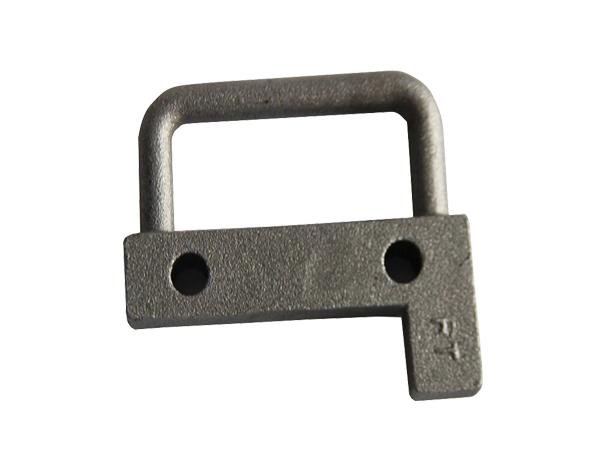
Molding sand is a crucial material in metal casting. Common types of molding sand include wet molding sand, sodium silicate sand, resin sand, and specialty sands such as chromite sand and zircon sand. Wet molding sand accounts for over 70% of all metal casting applications. The quality of molding sand is critical to production. Inferior sand can lead to common defects that increase costs and reduce the final quality of the casting. While the mold determines the shape of the casting, selecting the appropriate molding sand ensures the dimensional accuracy of the final product.
Key Takeaways
- Green sand is the most widely applied and cost-effective molding sand for metal casting.
- Sodium silicate sand produces high-strength molds for intricate components and supports reuse.
- Resin sand delivers smooth surface finishes and rigid molds, ideal for complex geometries.
- Specialty sands such as chromite sand and zircon sand feature excellent heat resistance and help prevent casting defects.
- The selection of molding sand depends on part geometry, casting metal and required surface appearance.
Types of Sand for Casting
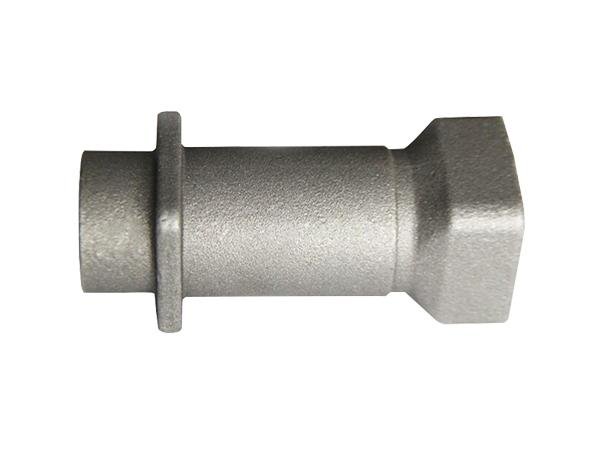
Foundries and foundry manufacturers use different types of sand to create molds for metal parts. Each type of sand has unique properties that affect the casting process and the final product. The table below lists the main types of sand commonly used in sand casting:
| Sand Type | Definition and Characteristics |
|---|---|
| Green Sand | Wet sand mixed with water and binders, easy to reuse, low cost, but can fall apart during casting. |
| Sodium Silicate Sand | Makes strong molds, good for detailed parts, can be reused, but needs careful handling to stop sticking. |
| Resin Sand | Made of quartz sand and resin, makes tough molds, costs more and takes more work, but can be recycled. |
| Specialty Sands | Includes silica, chromite, zircon, and furan resin sands, each giving special benefits for certain casting jobs. |
Wet Sand
Wet sand is the most commonly used material in sand casting. Foundries and suppliers choose wet sand because it is inexpensive and easily reusable. This sand is made from a mixture of silica sand, bentonite, water, and a small amount of additives. Common wet sand formulations are shown below:
| Component | Typical Proportion | Function |
|---|---|---|
| Silica sand | 85–90 wt % | Gives heat resistance and shape support |
| Bentonite clay | 5–10 wt % | Adds flexibility, strength, and easy breaking |
| Water | 2–4 wt % | Activates clay and controls mold softness |
| Additives | 1–3 wt % | Improves surface smoothness and adds shiny carbon |
Wet sand molds are popular due to their quick preparation and ease of recycling. During the casting process, the sand remains “wet,” making it easy to break and reuse after casting. However, wet sand molds can be damaged if not handled properly. Furthermore, compared to other sand molds, wet sand molds produce a rougher surface.
Sodium Silicate Sand
Sodium silicate sand, also known as water glass sand, is another commonly used foundry sand. This type of sand mold is often used to make high-precision molds for complex parts. The steps for preparing sodium silicate sand are as follows:
- Mix sodium silicate with dry, clean sand.
- Shape the mold or core.
- Harden the mold by passing CO₂ gas through it.
- Let the mold air dry or bake if needed.
- Handle the mold carefully and follow safety rules.
Sodium silicate sand molds can produce molds with very precise shapes and are reusable. They are ideal for casting aluminum and its alloys. Factories use these sand molds when fine and precise molds are required.
Resin Sand
Resin sand, also known as resin-coated sand or furan sand, is used in applications requiring high strength and detail. Manufacturers coat sand grains with resin, which hardens during the molding process. This creates a strong and stable mold that can hold complex shapes.
Resin sand molds offer many advantages:
- They are very strong and keep their shape well.
- They let makers create detailed and exact castings.
- They give smoother surfaces and fewer casting problems.
Shell molding uses resin-coated sand to make castings with very smooth surfaces. This is perfect for parts needing a fine finish right from the mold. Many foundries pick resin sand for projects needing high quality and precision.
Other Sands (Silica, Chromite, Zircon, Furan Resin)
Specialty sands offer unique performance advantages for specialized casting applications. Silica sand is the primary material for most casting molds, while other types of sand offer additional functional advantages.
- Ferrochrome sand has strong resistance to slag erosion, making it ideal for casting high-manganese steel and reactive alloys. Its high thermal conductivity ensures uniform cooling of castings.
- Zirconium sand is widely used in the production of gray cast iron and ductile iron. It effectively reduces cracking and improves dimensional accuracy. Mixing zirconium sand with silica sand or ferrochrome sand helps control production costs without compromising product quality.
- Furran resin sand consists of quartz sand and a furan resin binder. It can be made into high-strength, recyclable molds, ideal for manufacturing complex castings.
These sand molds offer diverse casting solutions to meet the production needs of industries such as automotive, shipbuilding, and agriculture.
Sand Casting Methods
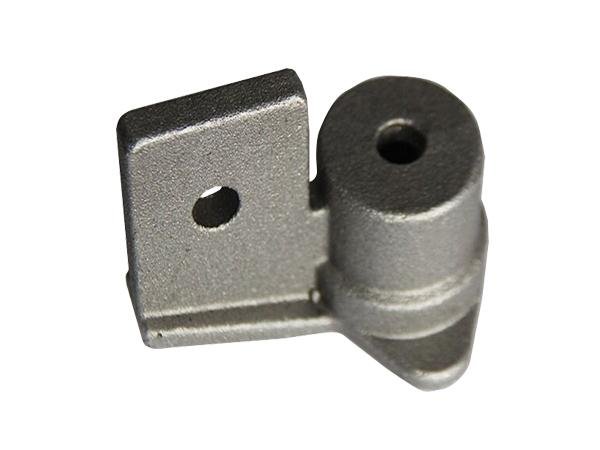
Sand casting helps foundries produce strong and precise parts. Each process uses specific sand molds and procedures to ensure the final part meets requirements.
Wet Sand Casting
Wet sand casting involves mixing sand, clay, water, and additives. This method is popular because it is fast and inexpensive. Keeping the sand mold moist helps the mold retain its shape. Here are the main steps in wet sand casting:
- Workers put the mold pattern in place.
- They set up the gating system.
- They add the cope and sprues, then fill the mold.
- They take out the pattern.
- They vent the cope, put the flask back together, and get ready to pour.
- They pour hot metal into the mold.
- The casting cools down.
- Workers take out the finished part.
Green sand casting is applicable to a variety of sand casting processes. It is an effective method for manufacturing parts quickly and with high quality.
Resin Sand Casting
Resin sand casting uses quartz sand and resin. This method produces hard molds with smooth surfaces. Quartz sand hardens when mixed with resin binder and catalyst. This process has smaller errors and is best suited for manufacturing delicate parts. Resin sand casting is ideal for projects requiring high precision and fine surface finishes.
| Aspect | Resin Sand Casting | Green Sand Casting |
|---|---|---|
| Preparation of Sand | Silica sand mixed with resin binder and catalyst | Mixture of silica sand, clay, water, and additives |
| Molding | Shaped around a pattern made of wood or metal | Packed around a pattern made of wood, metal, or others |
| Hardening | Curing process induced by heat or catalysts | No curing process; moisture content remains |
| Pattern Removal | Pattern is removed after hardening | Pattern is removed after packing |
Water Glass Casting
Water glass casting, also known as sodium silicate casting, employs molding sand bonded with sodium silicate. Molds are cured and hardened by introducing carbon dioxide (CO₂) gas. This process produces rigid molds with excellent dimensional stability.
Eco-friendly and cost-efficient for mass production, water glass casting delivers smoother surface finishes compared to green sand casting.
| Casting Method | Characteristics | Advantages | Disadvantages |
|---|---|---|---|
| Green Sand Casting | Uses wet sand molds; quick and inexpensive; reusable sand. | Cost-effective; reliable process. | Soft mold can collapse or shift. |
| Resin Sand Casting | Solid mold created from resin; smooth surface; requires mixing and burning. | Fewer defects in castings. | Higher cost; slower production rate. |
| Water Glass Casting | Uses sodium silicate; can create solid cores; requires careful mixture. | Useful for creating cavities. | Core can become lodged if mixture is wrong. |
Sand Properties and Selection
Composition and Features
Each type of foundry sand has a unique formulation, and its constituent materials directly determine casting performance. The majority of molding sands consist of silica, clay, water and functional additives, with each component playing a distinct role in mold properties.
Green sand is formulated from silica sand, bentonite clay and water. This combination creates molds with good strength and flexibility.
Resin sand is a blend of quartz sand and resin binder, producing rigid molds with smooth surface quality.
Sodium silicate sand mixes dry base sand with sodium silicate, which hardens rapidly upon exposure to carbon dioxide (CO₂).
The table below outlines the key factors for sand selection in casting processes.
| Property | Description |
|---|---|
| Casting size and complexity | Big or tricky castings need strong sands like resin-coated or ceramic sand. |
| Desired surface finish | Finer sands make smoother parts; rougher sands make rougher parts. |
| Thermal properties | High heat stability is needed for hot metals; ceramic sand is often best. |
| Permeability | Sands like green sand let gas escape and help stop casting problems. |
| Availability and cost | The price and how easy it is to get sand must fit the job. |
Strengths and Limitations
Each sand type has its own good and bad points. The table below shows the main types:
| Type of Sand | Strengths | Limitations |
|---|---|---|
| Green Sand | Cheap and easy to use; molds can be used again. | Soft molds may break or move during casting. |
| Sodium Silicate Sand | Hardens fast; good for making holes in castings. | Needs the right mix; cores can get stuck if mixed wrong. |
| Resin Sand | Makes strong, smooth molds; fewer mistakes in castings. | Costs more; takes longer; each batch must be mixed. |
Choosing the right sand mold significantly impacts the chances of casting failure. The heat resistance, moisture content, and strength of the sand mold are crucial. If the sand mold is not heat-resistant or has excessive moisture content, it can lead to surface scorching or porosity. Closely monitoring the properties of the sand mold helps avoid these problems.
Choosing the Right Sand
The optimal sand mold depends on the specific machining requirements and the type of metal. Wet sand is suitable for simple-shaped parts and can be reused, saving costs. For large or complex shapes, resin sand or sodium silicate sand is a better choice. These sand molds can create stronger molds and reveal richer details. For high-temperature metals, ceramic sand or specialty sand is the best option.
Sand Casting Comparison
Performance Differences
Different types of sand molds affect casting results. Wet sand molds are flexible and easy to use, with convenient venting, resulting in fewer porosity. However, wet sand tends to form rough surfaces and can sometimes shift during casting. Resin sand molds have high strength, can form smooth surfaces, can maintain complex shapes, and help reduce casting errors. Sodium silicate sand molds harden quickly and produce clear details, making them ideal for parts with many shapes. Specialty sands such as ferrochrome sand and zircon sand have better heat resistance, helping to prevent crack formation, and are best suited for casting high-temperature metals.
| Sand Type | Strengths | Surface Finish | Mold Strength | Ideal Use Case |
|---|---|---|---|---|
| Green Sand | Reusable, cost-effective | Rough to medium | Moderate | Simple shapes, large runs |
| Resin Sand | Strong, smooth surface | Smooth | High | Detailed parts, fine finish |
| Sodium Silicate Sand | Fast hardening, precise molding | Medium to smooth | High | Complex cores, aluminum alloys |
| Specialty Sands | Heat resistant, crack reduction | Varies | High | High-temp metals, special alloys |
Cost and Availability
Cost is a primary consideration in the selection of foundry sand. Wet sand is the most economical and readily available option, and therefore foundries typically use it for high-volume production where cost control is crucial.
Resin-bonded sand is more expensive due to its resin content and complex processing. Sodium silicate sand falls between wet and resin-bonded sand in price. It requires specialized CO2 curing equipment but can produce high-strength, reusable molds. Specialty sands such as chromite sand and zircon sand are the most expensive and have limited supply. They are typically used for custom projects with extremely high material performance requirements.
Casting uses many kinds of sand. These include green sand, sodium silicate sand, resin sand, and specialty sands. Each sand type is good for different jobs. Green sand is best for simple shapes. Resin sand makes smooth surfaces and strong molds. Sodium silicate sand is good for making detailed parts. When picking sand, think about the shape, metal, and finish you want. Good companies like KEMING use ISO and AS9100 rules. These rules help make sure the parts are high quality and safe.
FAQ
What are the most commonly used sand molds in metal casting?
Wet sand is the preferred sand mold for metal casting. Most foundries worldwide use wet sand for casting. Wet sand is inexpensive, reusable, and suitable for many simple shapes.
Can ordinary beach sand be used to cast metal parts?
Ordinary beach sand is not suitable for metal casting. It cannot withstand high temperatures and may cause problems. Foundries choose special casting sand molds, such as wet sand, resin sand, or sodium silicate sand, to achieve better casting results.
How does Commin ensure the quality of its sand castings?
Commin employs stringent quality control standards. The team tests for hardness, strength, and any defects. They follow international standards such as ASTM, DIN, and JIS to ensure that every casting meets requirements.
Which sand molds are best suited for intricate or complex castings?
Resin sand and sodium silicate sand are best suited for complex shapes. These sand molds create robust molds that retain fine details and achieve smooth surfaces.
Why do some castings require special sand molds such as chromite sand or zircon sand?
Specialty sands such as chromite sand or zircon sand can withstand high temperatures and help prevent cracking. Foundries use them to process metals with high melting points or parts requiring high-precision machining.