EN
EN  DE
DE  ES
ES  FR
FR  PT
PT  RU
RU 
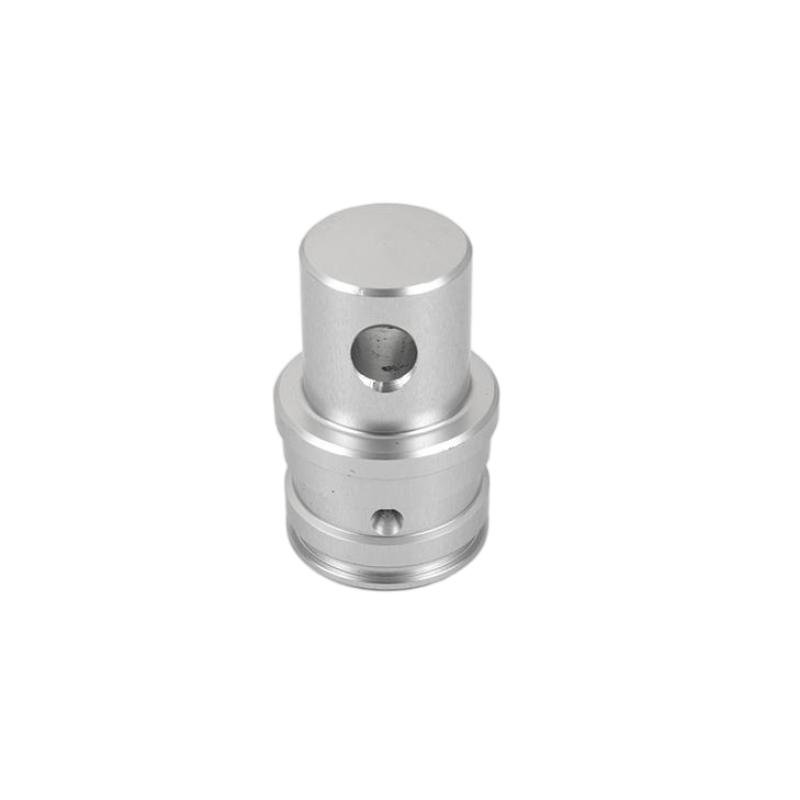
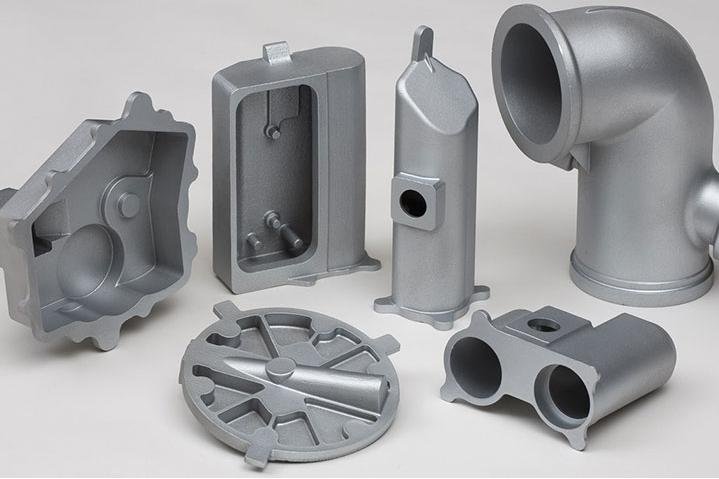
6061 aluminum is fully suitable for CNC machining. It is widely favored across industries due to its good machinability, balanced mechanical strength and versatile performance. Common applications include automotive frames and engine parts, aerospace structural components, and construction framing and window systems. Professional CNC machining and investment casting processes can turn 6061 aluminum into high-precision industrial components.
Key Takeaways
- 6061 aluminum features excellent overall machinability and is widely adopted in automotive and aerospace manufacturing.
- Proper cutting parameters and tool selection improve surface finish and extend tool life.
- It delivers balanced strength at a reasonable cost, supporting diversified customized machining and cost-effective mass production.
Can 6061 Aluminum Be Machined?
6061 Aluminum Properties
6061 aluminum exhibits stable and reliable machinability thanks to its optimized chemical composition and mechanical properties. It is widely selected for its balanced strength, formability and cost advantages. The table below shows the main properties of aluminum 6061-t6, which is the most used type for machining:
| Property | Value (6061-T6) |
|---|---|
| Density | 2.70 g/cm³ |
| Ultimate Tensile Strength | ~290 MPa |
| Yield Strength | ~240 MPa |
| Elongation at Break | ~8–12% |
| Thermal Conductivity | ~167 W/m·K |
| Electrical Conductivity | ~40% IACS |
| Hardness | ~95 HB (Brinell) |
The chemical makeup of 6061 aluminum is also important for machining. The table here lists the main elements:
| Element | Composition (%) |
|---|---|
| Aluminum (Al) | 95.8 – 98.6 |
| Magnesium (Mg) | 0.8 – 1.2 |
| Silicon (Si) | 0.4 – 0.8 |
| Iron (Fe) | ≤ 0.7 |
| Copper (Cu) | 0.15 – 0.4 |
| Chromium (Cr) | 0.04 – 0.35 |
6061 aluminum supports complex profiling and high-speed cutting with clean chip formation. It maintains stable dimensional stability during machining, making high-precision parts achievable. Its typical Brinell hardness of 93–95 HBW enables uniform chip breaking and smooth processing.
Standard manufacturing benchmarks including ASTM B209, ASTM B221 and ISO quality guidelines are commonly followed to guarantee consistent precision and part reliability.
Why 6061 Aluminum Is Machinable
6061 aluminum is easy to machine for a few reasons:
- This alloy can be heat-treated. The T6 temper uses heat and aging to make it stronger but still easy to machine.
- Heat treatment makes Mg₂Si bits, which make it harder and let you cut faster.
- The alloy bends well, so it is good for detailed and tricky parts.
- 6061 aluminum can be welded together without cracking much, so makers can use both machining and welding in one job.
The table below shows how different types change machining:
| Temper | Effect on Strength | Effect on Machinability |
|---|---|---|
| T6 | Maximizes strength | Maintains machinability |
| T651 | Prioritizes stability | Ideal for precision components |
6061 aluminum cuts in a steady way. It makes chips that are easy to control, which helps tools last longer. The alloy’s mix of elements stops the surface from tearing and gives a smooth finish.
Tip: Manufacturers often select 6061 aluminum over free-cutting steel such as 12L14 for many machining projects. Aluminum allows faster cutting speeds, lower tool wear, and better overall cost efficiency in mass production.
6061 aluminum is used for many things, like cars and planes. It is popular because it is easy to machine, weld, and meets strict rules. Professional CNC processing and strict quality control help manufacturers deliver consistent, high-grade 6061 aluminum components for global industrial use.
Machining Aluminum 6061
Machinability Rating and Performance
Aluminum 6061 is a smart pick for makers. It lets factories make parts quickly and get good results. This alloy is strong and easy to cut. Some alloys, like 7075 and 2024, are stronger but harder to cut and cost more. Aluminum 6061 is strong enough for most jobs. It also lets machines work faster, makes smoother surfaces, and costs less to use.
In terms of general machinability among common aerospace-grade aluminum alloys, 6061 offers the best cutting performance, followed by 2024, while 7075 is relatively more difficult to machine.
Aluminum 6061 cuts smoothly and makes neat chips. It is used for milled, turned, and drilled parts in many fields. CNC machines with aluminum 6061 give steady results and can make parts very exact. Its cutting features are good for both small and big batches.
Best Machining Methods
Factories and sellers use different ways to shape aluminum 6061. The best ways are CNC milling, turning, and drilling. Each way uses the alloy’s good cutting features.
| Machining Method | Advantages | Applications |
|---|---|---|
| CNC Milling | Cuts well, works fast, makes clean chips, keeps parts exact | Making samples, detailed shapes, and lots of parts |
| Turning | Makes round parts that are smooth and exact | Shafts, bushings, round pieces |
| Drilling | Makes holes that are exact and repeatable | Putting screws and bolts in parts |
- CNC milling uses spinning tools to shape the part. It is great for tricky shapes and making lots of parts.
- Turning spins the part on a lathe and uses a single tool to cut. It makes round parts that are smooth and exact.
- Drilling uses a spinning drill to make holes in the part. This way makes holes that are exact and the same every time.
Modern CNC milling, turning and drilling equipment, combined with standardized process control, ensure stable output and high-quality finished parts.
Tips for Machining 6061 Aluminum
Machining aluminum 6061 needs careful steps and checks. Makers get the best results by using these tips:
- Use the right cutting speed and feed. For 6061-T6, start at 1000–2000 SFM. Keep a high feed per tooth so the tool cuts, not rubs, and stops hard spots from forming.
- Pick good chip control tricks. Chip-breaker tools, the right speed and feed, tool shape, and coolants help control chips and make work better.
| Technique | Description |
|---|---|
| Chip-breaker tools | Help keep chips small and shaped right while cutting. |
| Optimizing speed and feed | Change settings for the alloy and job to control chips better. |
| Tool geometry | Change tool shape to make chips form well. |
| Coolants and lubricants | Use fluids to control chips and make cutting smoother. |
- Keep parts very exact. CNC machines can hold standard tolerances of ±0.005 inches (±0.127 mm), high-precision tolerances of ±0.001 inches (±0.025 mm), and ultra-precision tolerances of ±0.0005 inches (±0.013 mm).
- Pick the right temper for your job. T6 cuts fast and makes smooth surfaces but can bend during heavy cutting. T651 stays stable, so it is good for exact and big parts. T6511 works best for long shapes and supports.
- Use coolants and lubricants. Lubrication stops parts from getting too hot, helps tools last longer, and makes surfaces look better. Flood cooling or mist lubrication keeps heat down and parts the right size.
- Follow strict checks for quality. Professional manufacturers follow ISO 9001:2015 quality management systems, implementing in-process dimensional inspection, thermal deformation control, and complete documentation including material certifications and full inspection reports.
Surface finishing, like anodizing, makes aluminum 6061 parts look better and last longer. Anodizing helps stop rust and makes the surface harder. It also lets you pick different looks.
Makers and sellers like aluminum 6061 because it cuts well and is reliable. Strict CNC process control and systematic quality inspection ensure 6061 machined components meet industrial specifications with stable repeatability.
Applications of Machined 6061 Aluminum
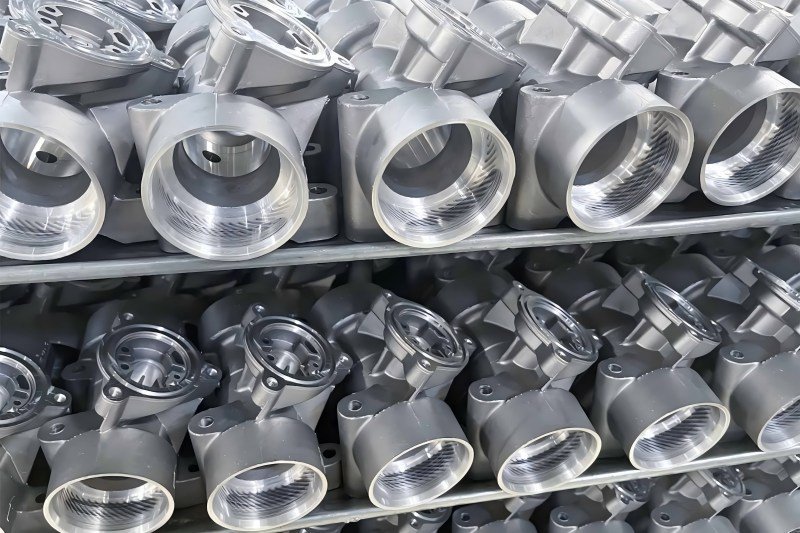
Many factories and sellers pick 6061 aluminum for lots of jobs. This alloy is strong, easy to machine, and not too expensive. Companies use it to make parts that must be light, exact, and work well.
Common End-Use Applications
Lots of industries use machined 6061 aluminum parts. Here are some common ways it is used:
- Aerospace parts like brackets, supports, connectors, and mounting hardware
- Automotive parts such as engine pieces, covers, and custom parts
- Electronics and cases like housings, heat sinks, and special enclosures
- Mechanical parts such as gears, shafts, brackets, and bases
- Frames for machines and conveyor systems
- Custom parts for mold bases, wall systems, and window shapes
- Building parts for bridges and public places
- Medical tools like wheelchair frames and rehab equipment
Makers choose 6061 aluminum because it is strong but still easy to cut. It also fights rust and works well for building and welding.
Industry Comparison and Performance
Different industries use 6061 aluminum in their own ways. The table below shows how aerospace, car, and electronics companies use this alloy and what they need from it:
| Industry | Application Description | Key Performance Requirements |
|---|---|---|
| Aerospace | Used for extra parts in planes, focusing on weight and safety. | Needs to be light and very safe. |
| Automotive | Used for frames and supports, balancing strength and easy building. | Needs to be strong and easy to shape. |
| Electronics | Used for easy cutting and rust fighting in things like laptop frames. | Needs to be easy to cut and not rust. |
Aerospace makers use 6061 aluminum to make planes lighter. This helps save fuel. Car makers use it in frames and parts to help with pollution rules. Electronics factories use it for laptop and phone cases because it cuts well and does not rust.
Real-World Examples
Many big projects use machined 6061 aluminum. The table below shows some good examples:
| Project Type | Description |
|---|---|
| Modern Architectural Facade System | Custom 6061 aluminum panels for building fronts, making them light, rust-proof, and all look the same. |
| Precision-Engineered Machinery Parts | CNC machined 6061 aluminum parts for machines, making sure they fit well and last long. |
| Transportation Frame and Structural Assembly | Strong 6061 aluminum parts for buses or trains, helping them stay strong, light, and steady. |
| Marine-Grade Outdoor Installations | 6061 aluminum used in buildings near the sea, so they do not rust from water or salt. |
Factories and sellers trust 6061 aluminum for jobs that need to look good and work well. For example, building panels made from this alloy stay strong and look nice. Machines use exact parts to work right. Buses, trains, and boats use it for strength and to stop rust.
Cost Advantages
Factories often pick 6061 aluminum because it is strong and easy to cut. This makes it a smart choice for saving money. The table below compares 6061 with another alloy:
| Material | Cost-Effectiveness | Machinability |
|---|---|---|
| 6061 | High | Excellent |
| 7075 | Moderate | Good |
Factories save money with 6061 aluminum. It cuts fast, does not rust, and is easy to weld and build with. These things help lower costs and make work faster.
Many factories and sellers use 6061 aluminum because it works well, lasts long, and is a good deal for machining.
6061 is a great aluminum for machining. Makers and engineers like it because it is strong and reliable. It also helps save money. Some main benefits are:
- It is easy to machine and weld.
- It keeps parts exact and steady.
- It works for many different jobs.
Factories get the best results by using smart machining tips. They can partner with professional casting and CNC machining suppliers for customized solutions and process optimization.
FAQ
Why do people use 6061 aluminum for machining?
Many makers pick 6061 aluminum because it is easy to cut. It is strong and saves money. Factories can make exact parts fast.
Can CNC machines make exact parts with 6061 aluminum?
CNC machines can make parts very exact. They can hold tight sizes, like ±0.001 inches. Makers use good machines to make sure parts fit for cars and planes.
Is 6061 aluminum good for big and custom orders?
Big sellers and factories use 6061 aluminum for many jobs. It works for large orders and special parts. The alloy meets world rules and is flexible for making things.