EN
EN  DE
DE  ES
ES  FR
FR  PT
PT  RU
RU 
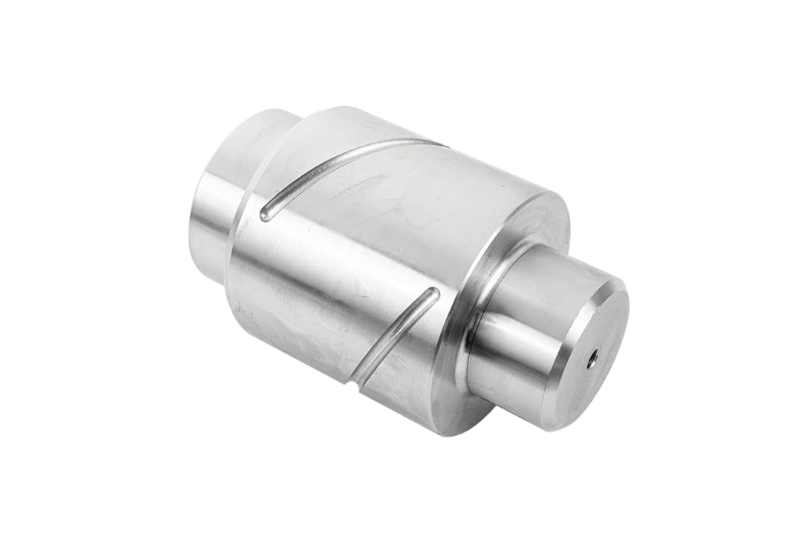
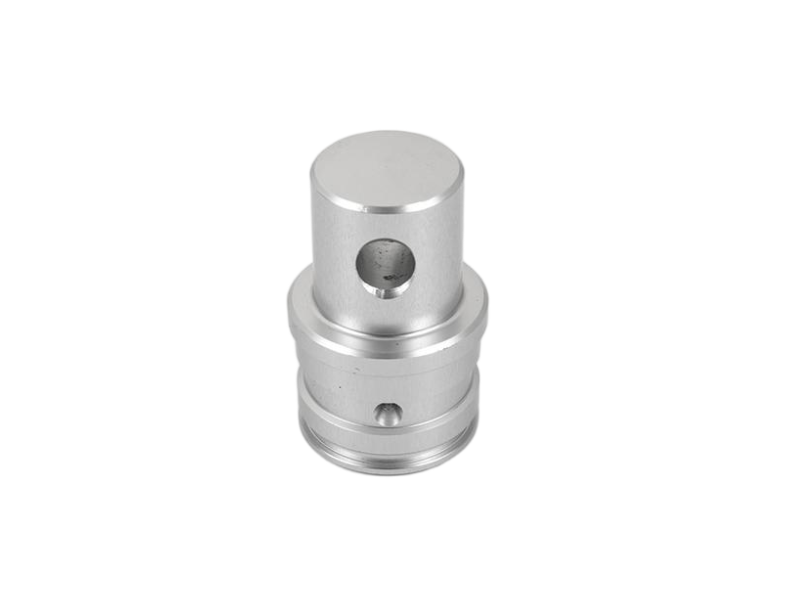
Precision machining utilizes specialized equipment and skilled workers to manufacture extremely precise parts. Companies use this process to produce complex parts, ensuring near-perfect dimensional consistency every time. Precision machining provides immense value to industries such as aerospace and automotive by manufacturing parts that meet specific requirements. High-speed robots and rigorous quality control ensure product quality and reduce unnecessary work. Comming employs investment casting and CNC precision machining technologies to optimize critical dimensions and surfaces, ensuring that every part meets stringent standards. High precision and tight tolerances are critical to product performance, safety, and lifespan.
Key Takeaways
- Precision machining produces parts with extremely high precision. It requires advanced equipment and skilled workers to meet the demands of industries such as aerospace and automotive for high-precision components.
- The precision machining process involves multiple steps, including design and engineering, machine programming, machining, quality control, and surface treatment. Each step is crucial for producing high-quality parts.
- KEMING employs rigorous quality control processes and utilizes advanced technologies to maintain high standards, ensuring that every part meets international standards.
- Choosing the right materials is essential. Understanding costs is equally important for precision machining projects. These choices will affect both the quality and price of the parts.
- Choosing a reputable machining service company is crucial. Look for companies with quality certifications and skilled workers, ensuring they can meet your needs.
Precision Machining Process Steps
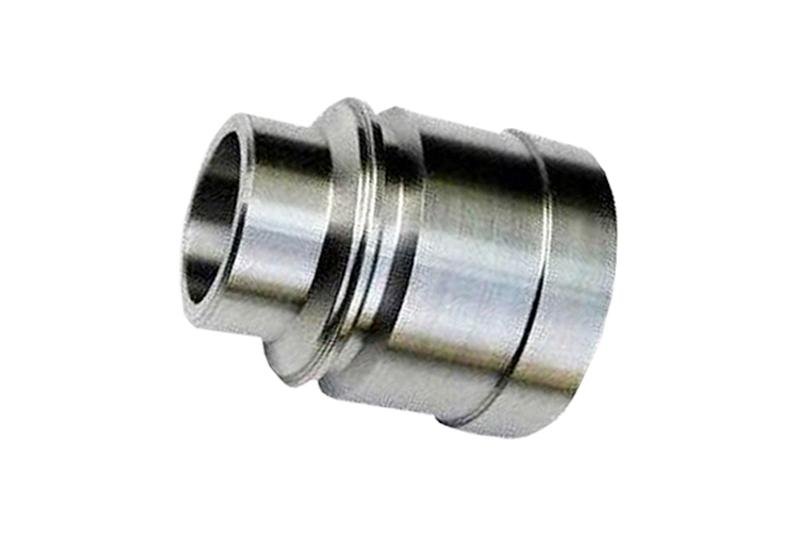
Precision machining requires multiple steps to produce highly accurate parts. Each step is crucial to ensuring the quality of the final part. Commin follows these steps to provide high-quality parts to various industries.
Design and Engineering
Engineers begin by designing the part. They use CAD software to create detailed models. These models accurately represent the part’s dimensions and shape. CAD helps set rules such as tolerances and surface finishes before machining begins. The design process ensures that each part can be correctly installed and function properly. Commin’s team creates models for orders of all sizes. They carefully review each design to ensure it meets the customer’s requirements.
- Engineers use CAD to turn sketches into models.
- They set rules for precision machining for each part.
- The design step helps stop mistakes later.
Machine Tool Programming and Setup
After the design is completed, engineers convert the CAD model into machine tool instructions. CAM software translates the design into toolpaths and code. These instructions guide the CNC machining process. Operators set up the machine tool, calibrate the tools, and hold the workpiece in place. They check the rules to ensure the machine tool correctly processes the parts. Coming utilizes advanced CNC machine tools and skilled workers to reduce errors and increase efficiency.
- Operators calibrate machines to match the design.
- CAM software makes tool paths for cnc machining.
- KEMING’s careful setup checks keep quality high.
Machining and Quality Control
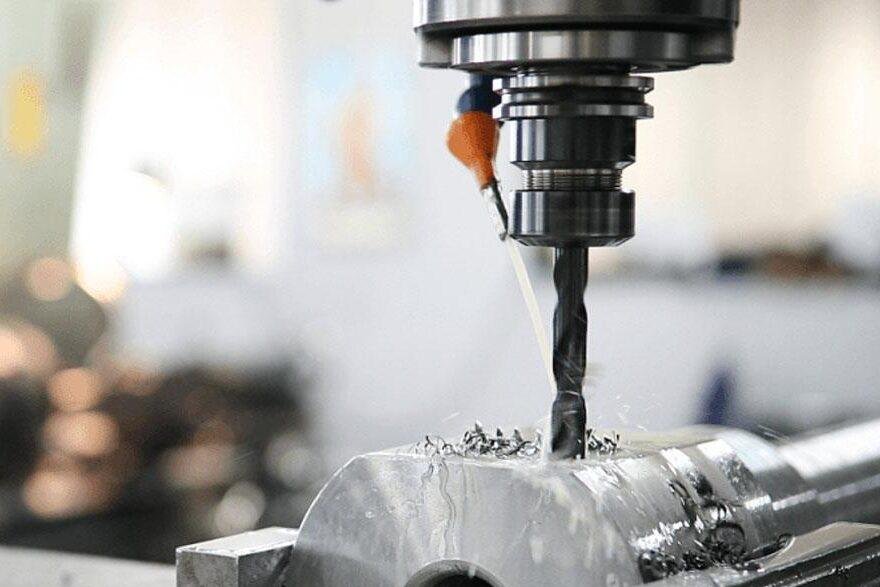
Machining starts when the machine follows the instructions. The CNC machine shapes, cuts, or drills the material to match the design. Operators watch rules during production. KEMING uses quality control like automated inspection and manual checks to find problems early. They also do regular maintenance and calibration to keep machines accurate.
- Machines follow tool paths to make the part.
- Operators check rules during production.
- Quality control uses inspections, calibration, and measurement tools.
| Quality Control Measures | Description |
|---|---|
| Machine Calibration | Keeps machines accurate and reliable |
| In-Process Inspection | Finds defects early in the machining process |
| Final Inspection | Checks finished parts for size and surface finish |
| Advanced Technologies | Uses CMMs and optical comparators for precision |
KEMING’s strict quality control makes sure every part meets international standards. Their skilled team handles small and big orders with care.
Finishing and Delivery
After machining, parts often need finishing to make them better. Finishing like polishing and grinding removes rough spots and makes parts look nice. Heat treatment can make parts stronger and last longer. KEMING picks the best finishing for each part based on what customers want and industry rules.
- Finishing makes surfaces better and lowers defects.
- Good finishing helps parts work well and last longer.
- KEMING delivers finished parts that meet strict rules.
When finishing is done, KEMING checks the parts again. They package and ship products to customers worldwide. They handle small and big orders, so they can meet tight deadlines and deliver on time.
| Scenario | Interpretation |
|---|---|
| High capacity + Short lead time | Shop is ready and quick |
| High capacity + Long lead time | There may be backlog or slow work |
| Low capacity + Short lead time | Shop may take on too much |
| Low capacity + Long lead time | Delays are likely |
KEMING’s experience and strict quality control help them deliver precision machining parts fast and reliably. Their process makes sure every part meets high standards from start to finish.
CNC Precision Machining Methods
CNC Milling and Turning
CNC precision machining primarily employs two methods to manufacture parts: CNC milling and CNC turning. Both can achieve high-precision machining of parts. CNC milling uses a rotary cutting tool for cutting and shaping, making it ideal for machining complex three-dimensional shapes, molds, and special fixtures. CNC turning, on the other hand, rotates the material while the cutting tool is cutting, making it best suited for machining round parts such as shafts and bolts. CNC milling and CNC turning play important roles in fields such as aerospace, automotive, and medical devices.
| CNC Milling | CNC Turning |
|---|---|
| Used for making hard 3D shapes, molds, dies, and special holders. | Mostly used for making round parts like shafts and bolts. |
| Common in aerospace for big parts and in cars for test pieces. | Often used in oil and gas for valve parts and in medical devices for implants. |
| Can make flat and odd shapes easily. | Cheaper for round parts and removes material faster. |
KEMING uses new cnc precision machining for both cnc milling and cnc turning. Their team uses special machines to make sure every part is just right.
EDM and Other Techniques
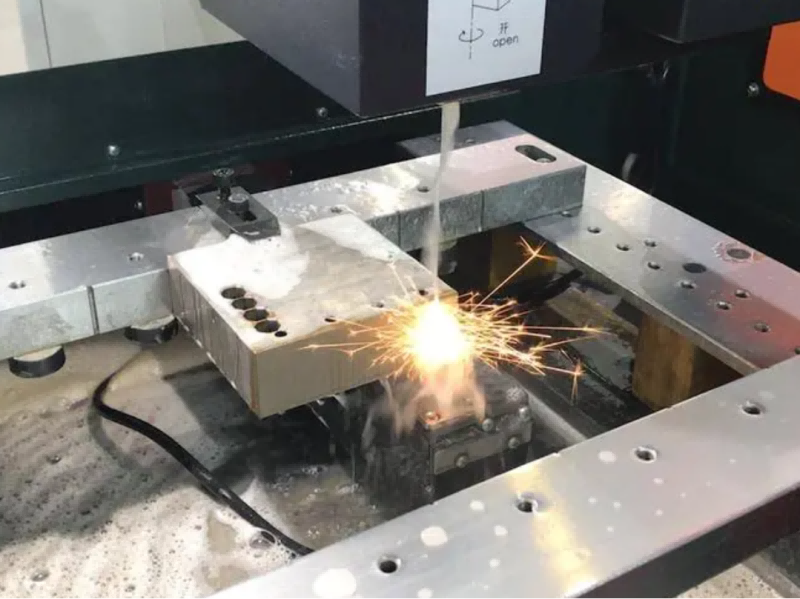
Electrical discharge machining, called EDM, is another key way in cnc precision machining. EDM uses sparks to shape hard materials. The tool does not touch the part. EDM is great for making sharp inside corners and tricky molds. It is slower than cnc milling and cnc turning. But EDM can make shapes that other ways cannot.
| Feature | EDM | CNC Machining |
|---|---|---|
| Process Type | Does not touch the part | Tool touches the part |
| Material Capability | Best for hard materials | Works on many materials |
| Speed | Slower | Faster |
| Complexity of Shapes | Makes hard inside shapes | Tool shape limits what it can make |
| Best Use Case | Sharp corners, tricky molds | Normal materials, test pieces |
EDM is best for parts made from hard tool steel. It is needed for sharp corners in dies and for making deep holes in molds. Cnc machining is faster for most jobs. But EDM is needed for very detailed shapes.
Machining Equipment Overview
Precision machining equipment has many high-tech machines. KEMING uses mill turn centers, cnc lathe centers, and 5-axis cnc machining. These machines help with both cnc milling and cnc turning. Metrology equipment checks if each part is good. Special inspection tools use safe tests to make sure parts are strong.
- 5-axis cnc machining moves a part in five ways at once for high accuracy.
- Cnc milling services give advanced machining for many jobs.
- New cnc precision machining equipment uses IoT devices to watch and control machines.
New technology in precision machining, like fast machining and smart control, helps KEMING make parts quicker and better. These ways let them make tight fits and tricky shapes. KEMING’s two casting lines and precision machining help many industries.
Precision Machining Parts and Materials
Suitable Materials
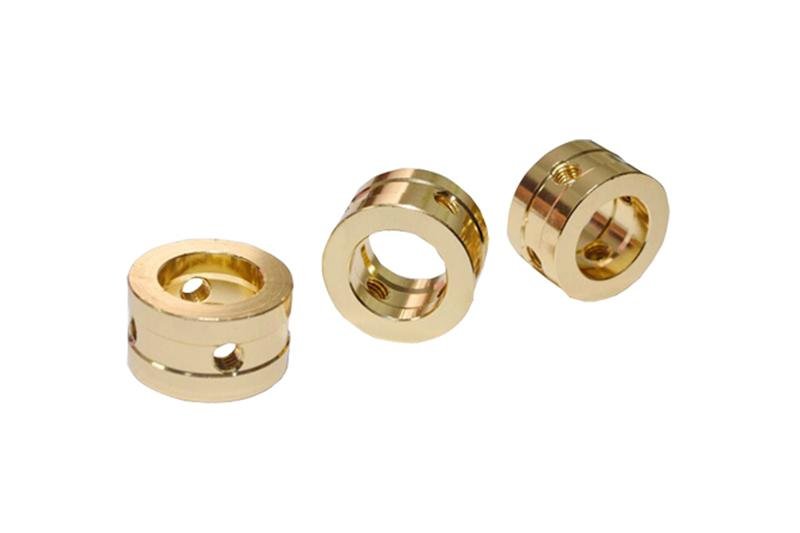
Precision-machined parts require materials with high strength and precision. Different industries select appropriate materials based on the function of the parts. Aluminum is lightweight and strong, suitable for projects requiring lightweight and high strength, and it can be processed quickly. Brass is easy to machine and has a bright appearance, often used for parts requiring aesthetics. Carbon steel is tough and durable, commonly used in machinery manufacturing. Copper has excellent electrical conductivity and is often used in automotive cooling systems. Nickel is rust-resistant and suitable for harsh environments. Titanium is high in strength and lightweight, widely used in the aerospace and medical industries. Stainless steel is rust-resistant and wear-resistant, making it an ideal material for automotive and aircraft manufacturing.
| Material | Properties and Applications |
|---|---|
| Aluminum | Cheap, useful, fast to machine, used in many projects |
| Brass | Shiny, easy to machine, low friction, used for looks and buildings |
| Carbon Steel | Strong, tough, easy to machine, used in machines |
| Copper | Best for electricity, resists rust, used in car cooling |
| Nickel | Hard to machine, strong, resists rust |
| Titanium | High melting point, strong and light, used in planes and medicine |
| Stainless Steel | Resists rust and wear, strong, good for planes and cars |
KEMING uses advanced tools to shape these materials into precision machining parts. Their team follows rules like ASTM, DIN, and JIS. This helps customers get safe and reliable products.
Tolerances and Surface Finish
Precision machining tolerances show how close a part’s size is to the design. Most CNC machined parts reach tolerances of about ±0.005 inches. For tighter tolerances, the process can get to ±0.002 inches or even ±0.0005 inches for special features. Ultra-precision machining can reach as low as ±0.0025 mm. These tight tolerances help parts fit together and work well.
| Tolerance Type | Description | Typical Tolerance Levels |
|---|---|---|
| Unilateral Tolerance | Change allowed in one direction | ±0.005 inches (±0.13 mm) |
| Bilateral Tolerance | Change allowed in both directions | ±0.002 inches (±0.05 mm) |
| Compound Tolerance | Different tolerances for different features | ±0.0005 inches (±0.0127 mm) |
| Limit Dimensions | Biggest and smallest sizes allowed | ±0.0005 inches for some materials |
| Surface Finish | Surface roughness Ra as low as 0.01 micrometers | Very smooth for precision parts |
KEMING’s quality system follows rules like ASTM, DIN, and JIS. Their team uses advanced tests to make sure every part meets what customers want.
Benefits and Drawbacks of Precision Machining
Key Advantages
Precision machining has many good points for making things. Companies use this process to make very exact products with tight tolerances. These benefits help industries like aerospace, cars, and medical devices. The table below shows the main advantages:
| Advantage | Description |
|---|---|
| High Accuracy and Tight Tolerances | The process makes parts very accurate, with tolerances around 0.005 inches. |
| Complexity and Flexibility | It lets people make tricky shapes and parts for many uses. |
| Efficiency and Speed | CNC machines work faster than old machines, so things get made quicker. |
| Improved Quality and Reliability | Computers control the machines, so parts are the same and mistakes are fewer. |
| Cost-Effectiveness | This process saves money for big orders and custom jobs. |
KEMING uses advanced CNC machines and strict checks to make very exact products. Their team checks every part with tools like CMMs and optical comparators. They follow rules like ASTM, DIN, and JIS to keep quality high and make sure parts are the same every time.
Potential Challenges
Precision machining also has some hard parts. The process needs skilled workers and special machines. Companies must buy good equipment and keep quality checks strong. The table below lists common problems:
| Challenge | Description |
|---|---|
| Initial Investment | CNC machines can cost a lot, sometimes over $100,000. |
| Dimensional Limits | Machines can only make parts up to a certain size and shape. |
| Lead Times | Custom setups and tools can make projects take longer. |
| Complex Programming | Skilled workers must write programs for the machines. |
| Chatter | Vibrations can make rough surfaces, so steady tools are needed. |
| Tool Wear/Breakage | Tools can wear out or break, so they need regular care. |
| Thermal Deformation | Heat can change the size of materials, so coolants and temperature checks help. |
| Inaccurate Workholding | Bad holding can make parts crooked, so good systems are important. |
| Programming Errors | Mistakes in programs can cause defects, so testing and checking are needed. |
KEMING solves these problems with advanced testing tools and quality checks. Their inspection uses hardness tests, X-ray checks, and magnetic particle checks. They also use machines that save energy and recycle to help the environment.
Precision machining is a top pick for industries that need parts to be the same and fit well. KEMING’s focus on new ideas and quality checks helps them give good parts to customers all over the world.
Applications, Costs, and Outsourcing of
Industry Applications
Precision machining helps many industries that need exact parts. Companies use this process to keep things safe and working well. The table below lists some main industries and what they use it for:
| Industry | Applications |
|---|---|
| Aerospace | Gyroscopes, navigation system parts, laser covers |
| Medical | Parts for surgery robots, tiny medical tools, implants |
| Electronics | Smartphone casings, PCB fixtures |
| Defense | Weapon components, military vehicles, aerospace parts |
| Oil and Gas | Extraction and processing equipment |
| Industrial Equipment | Machinery and equipment parts |
KEMING makes precision machining parts for cars, boats, trains, farms, and more. Their team gives each industry parts that follow strict rules.
Cost Factors
Many things can change how much a precision machining job costs. The table below shows the main things that affect price:
| Cost Factor | Description |
|---|---|
| Material Selection | Some materials cost more and work better than others. |
| Part Complexity | Hard shapes take more time and skill to make. |
| Machining Time | Jobs that take longer cost more money. |
| Quantity and Volume | Big orders make each part cheaper. |
| Machine Type and Accuracy | Fancy machines for tight fits cost more to use. |
| Surface Preparation and Post-Processing | Extra steps like polishing or coating add to the total cost. |
Picking a hard material can make the job cost more. This is because it is harder to cut or makes more waste. If a part is tricky, it may need special machines or more setup time, which also raises the price.
Choosing a Machining Service
Picking the right shop for precision machining is important for good results. Think about these things:
- Make sure the shop has the right machines for your job.
- Check if the shop follows quality rules like ISO 9001:2015.
- See if the shop can make the number of parts you need.
Other things to look for are skilled workers, strong quality checks, and if they can use different materials. KEMING has advanced CNC machines, strict checks, and custom help for customers everywhere. Their team can handle both small and big orders, so many people trust them for precision machining.
Precision machining uses special machines and skilled workers to make parts very exact. Knowing about this process helps companies pick better ways to make things. The table below shows how precision machining helps important areas:
| Impact Area | Description |
|---|---|
| High Accuracy | Parts fit right and work well. |
| Tight Tolerances | Needed in jobs where size must be exact. |
| Enhanced Product Quality | Products follow strict rules. |
| Improved Efficiency | There is less waste and fewer errors. |
| Complex Design Handling | Makes hard shapes for special needs. |
KEMING uses advanced CNC machines and metal casting to make parts with tight tolerances. Their team makes strong parts for cars, medicine, planes, and electronics. KEMING cares about quality and customers, so people trust them for precision machining jobs.
FAQ
What is the main goal of precision machining?
Precision machining aims to manufacture extremely precise parts. This helps companies obtain parts that are the right size and perform exceptionally well. KEMING uses specialized equipment to ensure the precision of every part.
Which industries most commonly use precision machining?
Many types of companies use precision machining. Aerospace, automotive, medical, and electronics companies all require precise parts. KEMING provides these companies with parts that meet stringent standards.
How does KEMING ensure the quality of every part?
KEMING conducts quality checks at every stage of part manufacturing. Their team uses specialized tools to inspect each part. They follow international standards such as ASTM, DIN, and JIS.
What materials can be used in precision machining?
Precision machining can use a variety of materials. Some common materials include aluminum, stainless steel, carbon steel, brass, and titanium. KEMING selects the optimal material based on each customer’s needs.