EN
EN  DE
DE  ES
ES  FR
FR  PT
PT  RU
RU 
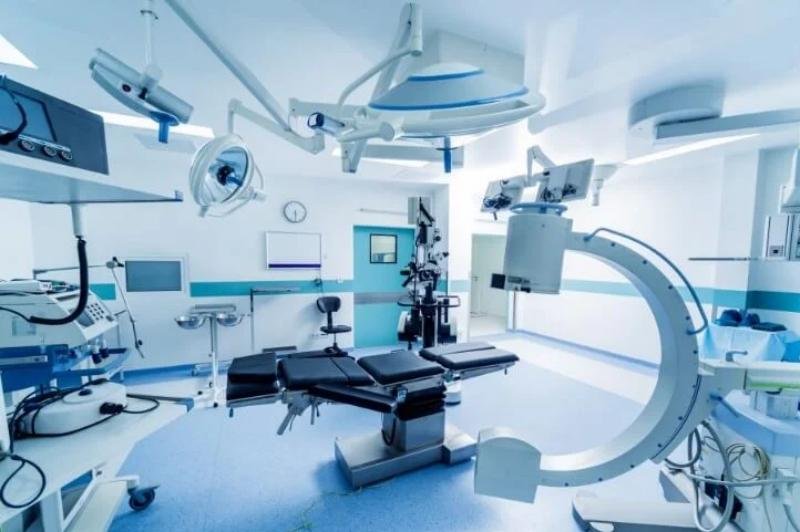
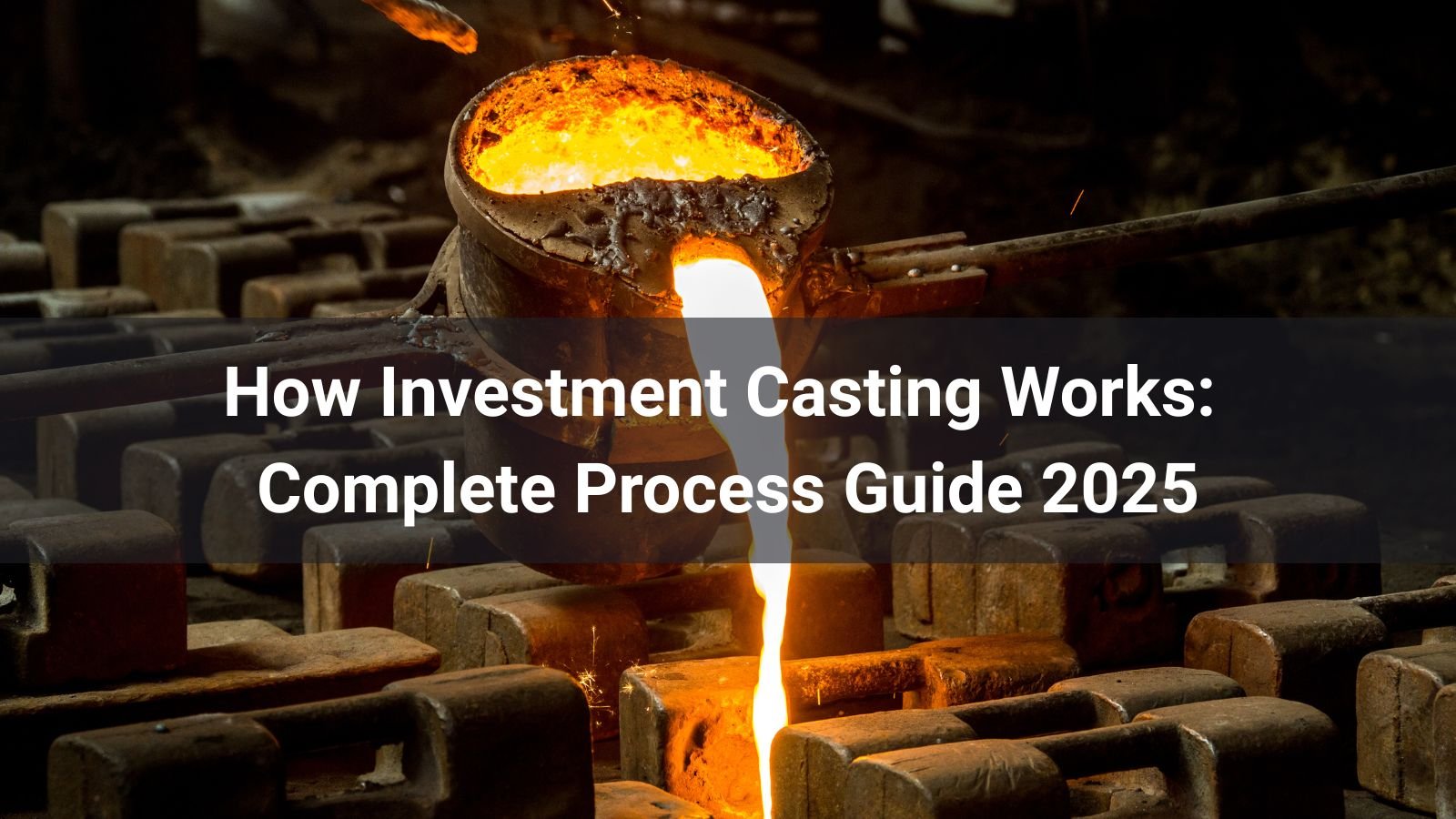
Investment casting is a precision metal forming technology that produces dimensionally accurate parts with superior surface finish, and it is widely applied to manufacture key components across automotive, medical, energy and aerospace industries, meanwhile supporting diversified material selection and flexible structural design for customized production demands.
Key Takeaways
- Investment casting can produce high-precision metal parts with smooth surfaces, which is widely applicable to the automotive and aerospace industries. Featuring multiple production procedures including wax pattern making, ceramic shell forming and molten metal pouring, it guarantees superior product quality. Besides enabling diverse shape designs and the use of various raw materials, this manufacturing method also effectively reduces production waste and shortens production cycles.
Investment Casting Process

Wax Pattern Creation
Investment casting begins with wax pattern fabrication. Professional workers adopt specialized wax materials to replicate finished metal components. Filled wax features high strength and stable performance, while unfilled wax is applied for ultra-precision parts. Runner wax boasts good flexibility and easy meltability, water-soluble wax facilitates the forming of complex internal structures, and adhesive wax secures components firmly during assembly.
The wax pattern determines the overall contour and surface finish of final products. Its precise dimensional consistency enables investment casting to deliver outstanding accuracy, supporting intricate structural designs and smooth surface finishes essential for high-precision industrial applications. KEMING adopts advanced manufacturing equipment to ensure uniform specifications of all wax patterns, steadily maintaining superior product quality and complying with international industry standards.
| Type of Wax | Description |
|---|---|
| Filled Pattern Wax | Contains additives for dimensional stability and strength, ideal for large or detailed parts. |
| Non-Filled Pattern Wax | Offers excellent mechanical properties with less filler, preferred for high-precision castings. |
| Runner Wax | Engineered for high strength and flexibility, with a low melting point for efficient processing. |
| Water Soluble Wax | Allows for complex internal geometries, dissolving after cooling to create intricate designs. |
| Sticky Wax | Used to bond pattern waxes together, ensuring alignment during the assembly process. |
Assembly/Treeing
Once wax patterns are completed, they are assembled into wax trees. This structure enables simultaneous mass casting of multiple components to greatly boost production efficiency. Proper tree assembly ensures smooth molten metal flow during pouring, which is critical for stable product quality, accurate dimensions and qualified finished parts with fewer production defects.
Shell Building (Investment)
Subsequently, the assembled wax trees are coated to form ceramic shells by being dipped in slurry mixed with zircon flour, fused silica and zircon sand. Each coating layer is fully dried before applying the next, forming high-strength shells capable of withstanding high-temperature molten metal. The finished shells are required to retain complete sharp edges and smooth surface texture to avoid common defects such as surface roughness and bulging.
| Material Type | Description |
|---|---|
| Zircon Flour | Extremely fine refractory material used in slurry |
| Fused Silica | A key component in the ceramic slurry |
| Zircon Sand | Preferred for low expansion coefficient |
Dewaxing (Lost Wax)
Once the ceramic shell mold is fully prepared, staff proceed with wax removal. Wax patterns are melted and drained out via thermal heating and steam treatment, forming intact hollow ceramic cavities for subsequent metal casting. The lost wax casting technique enables the fabrication of highly intricate detailed molds. End products boast sleek surface finishes and superior dimensional precision.
Metal Pouring & Casting
Workers preheat the finished ceramic molds before injecting molten metal into the cavities. Applicable raw materials cover stainless steel, carbon steel, aluminum, copper alloy, superalloy and other metallic materials. Rational molten metal flow design is essential to avoid casting defects. Professional engineers adopt computer simulation to optimize metal flow paths, and strictly regulate casting temperature and pouring parameters, so as to ensure finished castings achieve stable mechanical performance and premium overall quality.
Solidification and Cooling
Upon pouring completion, molten metal gradually cools down and solidifies inside the shell mold. Cooling rate directly determines the internal metallographic structure and mechanical strength of castings. Excessively rapid cooling tends to generate massive blocky carbides and alter inherent metal properties. Standardized cooling management effectively eliminates production flaws and maintains consistent stable product quality.
Shell Removal/Shakeout
After the metal cools, workers remove the ceramic shell. They use tools such as welding torches, hammers, saws, and sandblasting machines. Some parts undergo additional treatment to improve their appearance and extend their lifespan. For safety, workers also remove sharp edges and excess metal.
| Technique | Description |
|---|---|
| Oxy-Acetylene Torches | High-temperature torches effectively cut through thick sections of excess metal. |
| Chipping and Hammering | Tools like chipping hammers or sledges are used to physically break off gates and risers. |
| Sawing | Saws with durable blades trim excess stock, especially for precision requirements. |
| Shot Blasting and Sandblasting | Abrasive blasting removes stubborn sand particles and refines the casting’s surface. |
| Surface Treatments | Additional treatments like acid etching and shot peening enhance durability and appearance. |
| Removing Flashing and Burrs | Thin layers of excess metal and sharp protrusions are ground or filed away for safety and functionality. |
| Use of Tumblers and Automated Systems | Castings are cleaned in rotating tumblers or conveyors with abrasives targeting hard-to-reach areas. |
| Final Fettling and Inspection | Detailed inspection and touch-ups are performed using pneumatic hammers or grinders. |
Finishing
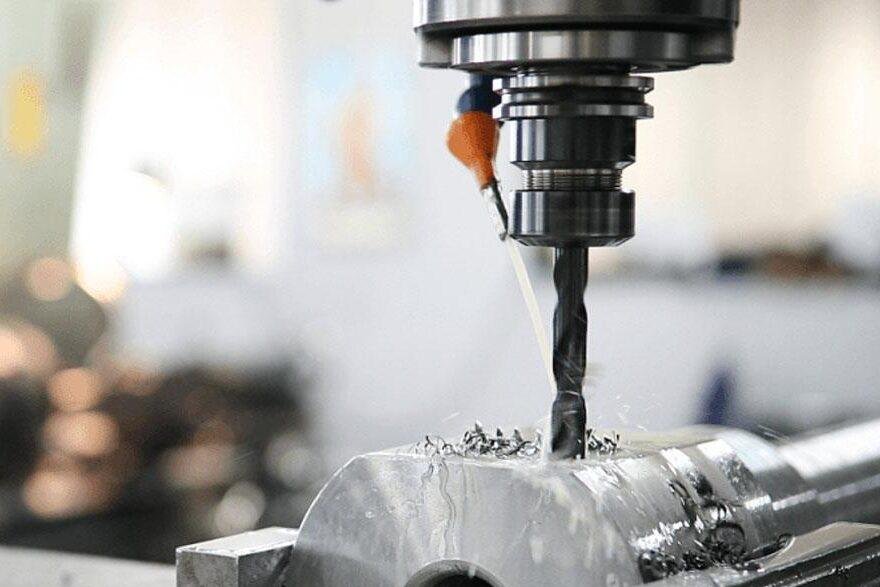
As the final process, finishing refines the cast parts to meet strict requirements. Workers utilize CNC machining centers, precision grinders, and professional polishers to achieve ultra-smooth surfaces and exact dimensional accuracy. This step minimizes post-processing workload significantly, enhancing production efficiency. KEMING employs state-of-the-art finishing equipment and implements 100% part inspection to comply with international standards such as ASTM, DIN, and JIS. Through rigorous finishing, every component is ensured to withstand harsh operating conditions in industrial applications.
Notably, finishing enables tighter tolerance control (achieved via CNC machining, precision grinding, and other advanced techniques), which is indispensable for high-precision component requirements across industries.
Advantages and limitations of investment casting
Advantages of investment casting
Investment casting offers inherent advantages including exceptional dimensional precision, superior surface finish, and a wide range of compatible materials.
| Advantage | Investment Casting | Sand Casting |
|---|---|---|
| Produces complex geometries | Yes | No |
| Achieves thin walls and tight tolerances | Yes | No |
| Provides an excellent surface finish | Yes | No |
| Versatile across various metals | Yes | Limited |
| Facilitates design changes | Yes | No |
Limitations of investment casting
Investment casting also has some limitations. It is best suited for small to medium-sized parts. Larger parts are more expensive and more difficult to manufacture. Compared to sand casting, investment casting has higher initial mold costs, especially for smaller quantities of parts. Due to the numerous steps involved, part manufacturing takes longer.
| Limitation Type | Details |
|---|---|
| Cost | Higher costs compared to sand casting and die casting, especially for low-volume production. |
| Size & Weight | Limited to smaller and medium-sized components; larger castings are less economical. |
Applications of investment casting
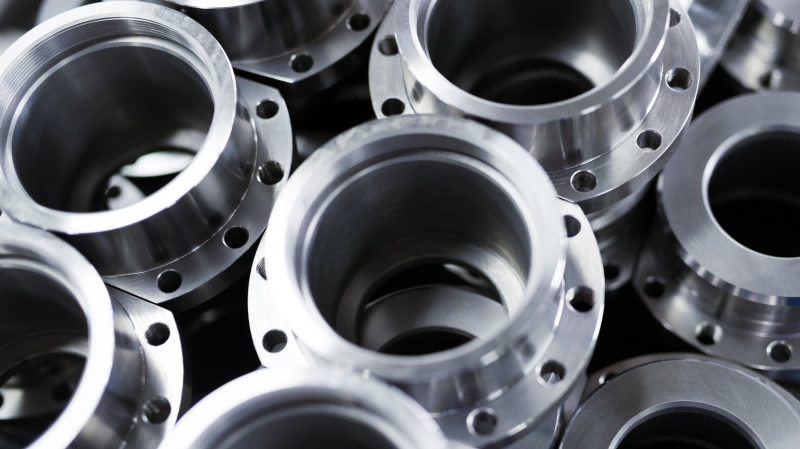
Investment casting helps many industries manufacture high-strength metal parts. Businesses choose this process because it excels at producing parts with complex shapes and consistently high quality. Investment casting is widely used in the automotive, marine, railway, and agricultural sectors.
Marine and railway industries use investment casting to create parts with fine details and smooth surfaces. This process means fewer additional steps are required, saving time and costs. Another reason businesses favor investment casting is the wide range of designs and materials they can choose from. The table below lists the key advantages for these industries:
| Benefit | Description |
|---|---|
| Design Freedom | Lets companies make tricky shapes for boats and trains. |
| Superior Finish | Makes smooth parts, so less extra work is needed. |
| Material Versatility | Many materials can be used, good for tough places. |
| Exceptional Accuracy | Makes parts very close to the right size, so they work well. |
| Enhanced Integrity | The process makes parts stronger, which is important for safety. |
| Cost-Effectiveness | Can help lower costs but still keep good quality. |
| Production Scalability | Makes it easy to make more or fewer parts as needed. |
Investment casting makes exact parts and does not waste much material. Workers build shells around wax patterns, then melt the wax out before pouring metal. People should think about these things:
- You can make hard shapes with design freedom
- Parts have smooth surfaces and fit very well
- Many kinds of metals can be used
- There are fewer mistakes and less wasteInvestment Casting
FAQ
Which industries use investment casting?
Many industries use investment casting, including automotive, shipbuilding, railroad, and agriculture. Companies choose this process to manufacture complex-shaped parts and want them to perform perfectly every time.
How does investment casting improve surface finish?
Parts manufactured using investment casting have smooth surfaces. It uses fine wax patterns and ceramic shells, meaning that a smooth surface is achieved without additional processing steps.
Can investment casting handle large orders?
Manufacturers can use investment casting to produce orders of all sizes. KEMING produces over 5,000 different products annually, shipping over 2,000 tons.