EN
EN  DE
DE  ES
ES  FR
FR  PT
PT  RU
RU 
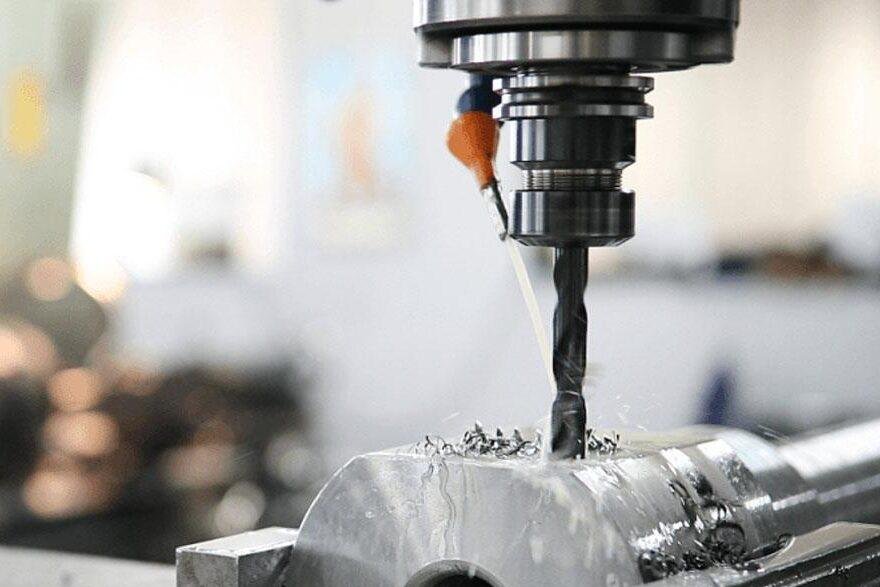
Ultra-precision CNC machining stands as the industry’s most accurate fabrication solution, delivering tight tolerances within ±0.0025 mm and outperforming standard precision CNC processes. This advanced technology crafts high-critical components for optics, semiconductors and medical implant applications. Precision machining underpins modern manufacturing across aerospace, medical and automotive sectors, securing reliable safety and superior product performance.
Key Takeaways
- Ultra-precision CNC machining can produce extremely precise parts with tolerances less than ±0.0025 mm, making it the most precise machining method currently available.
- This technology is crucial for certain industries. The aerospace and medical fields require extremely precise parts because safety and performance depend on them.
- New technologies are making ultra-precision CNC machining even more powerful. The application of multi-axis machine tools and CAD/CAM software further improves machining efficiency.
- To ensure part accuracy, strict control of the work area is essential. Furthermore, skilled workers are also key to ensuring high-quality and high-precision machining.
- KEMING has extensive experience in ultra-precision machining, ensuring customers receive parts that meet stringent specifications and high standards.
Most Precise Type of Machining Explained
What Is Ultra-Precision CNC Machining?
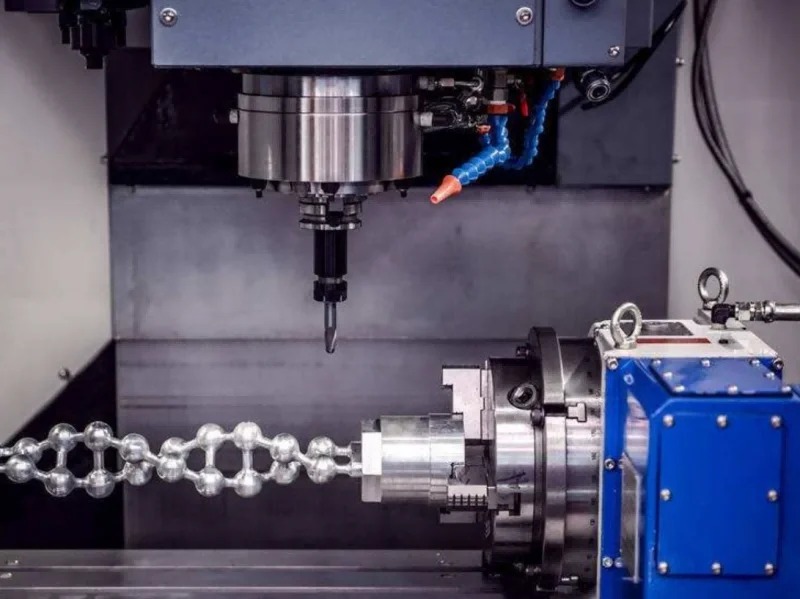
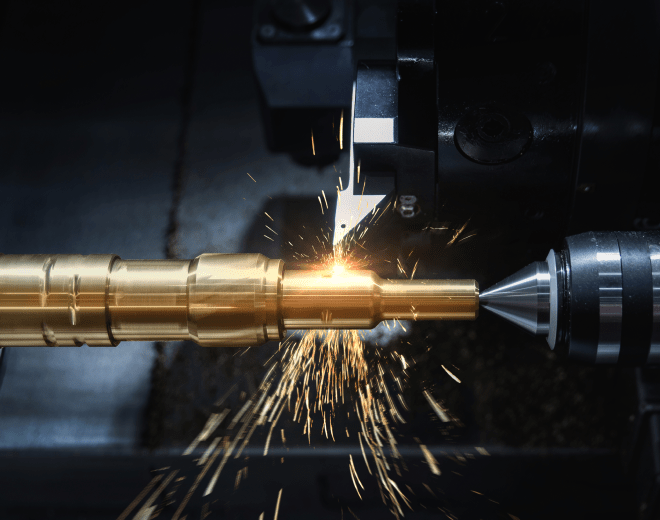
Ultra-precision CNC machining is the most accurate method for manufacturing parts. It uses computer-controlled machines to perform extremely fine machining on materials. These machines are capable of producing parts with extremely small tolerances. Engineers use this method when any error could lead to problems or dangers. Ultra-precision CNC machining is fundamentally different from ordinary machining. It requires specialized machines, high-speed rotating cutting tools, and intelligent software. These devices enable the machines to cut shapes and details that are impossible to achieve using other methods.
| Advancement Type | Description |
|---|---|
| High-speed machine tools | Spindles spin over 10,000 times each minute and move quickly. |
| Super-hard tool materials | Tools last longer and cut better, even tough metals. |
| High-precision CNC systems | Machines stay accurate within ±5 micrometers and make smooth surfaces below 0.8 micrometers Ra. |
| Cutting parameter optimization | Controlling speed and feed rates helps accuracy and productivity. |
| CAD/CAM integration | Digital tools make sure every part matches the design. |
| Multi-axis machining | Fewer setups mean fewer mistakes and tighter tolerances. |
| Real-time data acquisition | Machines change instantly to keep quality high. |
| Closed-loop optimization | Systems watch and fix themselves while making parts. |
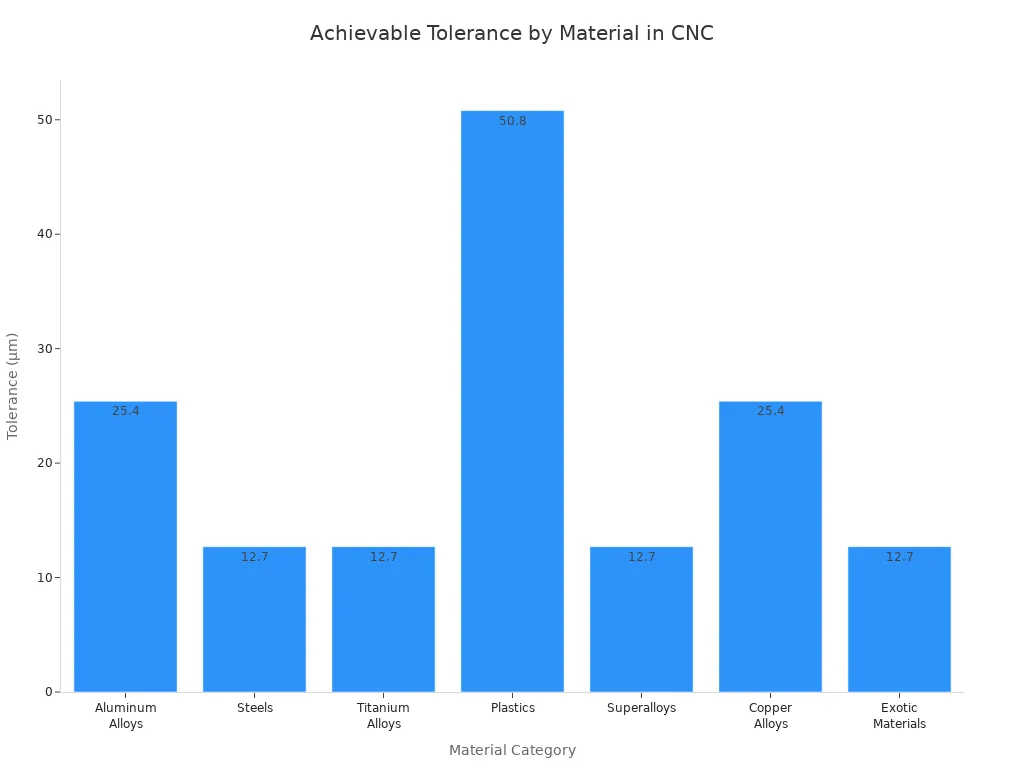
Manufacturers utilize ultra-precision CNC machining technology to produce aerospace, medical, and electronic components. These components often have features smaller than a human hair. KEMING achieves this level of precision through advanced CNC machine tools and skilled workers. Their team processes a variety of materials, including aluminum, steel, titanium, plastics, high-temperature alloys, copper alloys, and specialty metals. Each material is suitable for different machining applications.
Tolerances and Surface Finish
Precision machining achieves tolerance levels unmatched by other methods. Ultra-precision CNC machining can achieve tolerances as low as ±0.0025 mm or even smaller. For certain materials, such as titanium alloys and high-temperature alloys, tolerances can be as low as ±0.0005 inches. This precise tolerance control ensures that every part assembles perfectly and functions correctly.
Surface finish is another major advantage. Ultra-precision CNC machining can give parts extremely smooth surfaces, sometimes with surface roughness Ra as low as 0.01 micrometers. This bright surface reduces friction and wear, which is crucial for moving parts and precision cutting tools. Many industries require this surface finish to ensure the performance and appearance of parts.
Another advantage of precision machining is its ability to ensure part consistency. Even in high-volume production, each part can perfectly match the previous one. This is thanks to intelligent machine control systems, real-time inspection, and skilled workers. Comming carefully inspects each part to ensure it meets customer requirements.
How Precision Machining Achieves Accuracy
Advanced CNC Technology
Precision machining utilizes advanced CNC technology to achieve extremely high precision. Modern machine tools have robust frames to ensure stable movement. These machines use specialized cutting tools with a hard coating. These tools have a longer lifespan and produce cleaner, crisper cuts. This helps to strictly control part dimensions within specified ranges. Fixture systems hold each workpiece in the correct position. This ensures that every cut perfectly matches the design drawings.
The table below illustrates how advanced CNC technology contributes to precision machining:
| Contribution Type | Description |
|---|---|
| Machine Tool Design and Construction | Strong frames and stable shapes keep machines accurate and steady. |
| Cutting Tool Technology | Harder tools and better coatings make cuts more precise. |
| Workpiece Positioning and Fixturing Systems | Special holders keep parts in the right place every time. |
| Process Monitoring and Control | Sensors check for errors and adjust the process right away. |
| Environmental Control and Monitoring | Machines work best in rooms with steady temperature and humidity. |
| Simulation and Modeling | Computer models help plan the best way to cut each part. |
| Integration and Automation | Automated steps reduce mistakes and keep quality high. |
Precision machining employs real-time monitoring. Sensors monitor the machining process and make adjustments when problems occur. This ensures that the precision of each part meets requirements.
Controlled Environment and Expertise
A controlled environment is crucial for precision machining. Even minute changes in temperature can cause metal parts to expand or contract. Humidity also affects the performance of machines and materials. The workshop maintains a stable environment by controlling temperature and humidity. This helps machines maintain tight tolerances and achieve smooth surfaces.
Operators are critical to precision machining. Skilled workers are responsible for setting up the machines and inspecting every detail. They use tools such as micrometers, calipers, and surface testers to measure parts. The table below illustrates how skilled operators help improve precision:
| Role | Contribution to Precision |
|---|---|
| Machine Setup and Calibration | Operators make sure machines and tools are ready and set to the right numbers. |
| Reading Blueprints | They read plans to make sure every part matches the design. |
| Attention to Detail | Careful checks prevent mistakes and keep quality high. |
| Quality Control and Inspection | Regular checks catch problems before parts leave the shop. |
The factory implements quality assurance measures. They regularly inspect machines and keep cutting tools sharp. Workers receive training to ensure they are competent in their jobs. Reliable measurement and regular calibration help keep each part within specified limits. Precision machining requires technology, skilled personnel, and a stable environment to achieve optimal results.
CNC Machining vs. Other Methods
Tolerances and Surface Finish Comparison
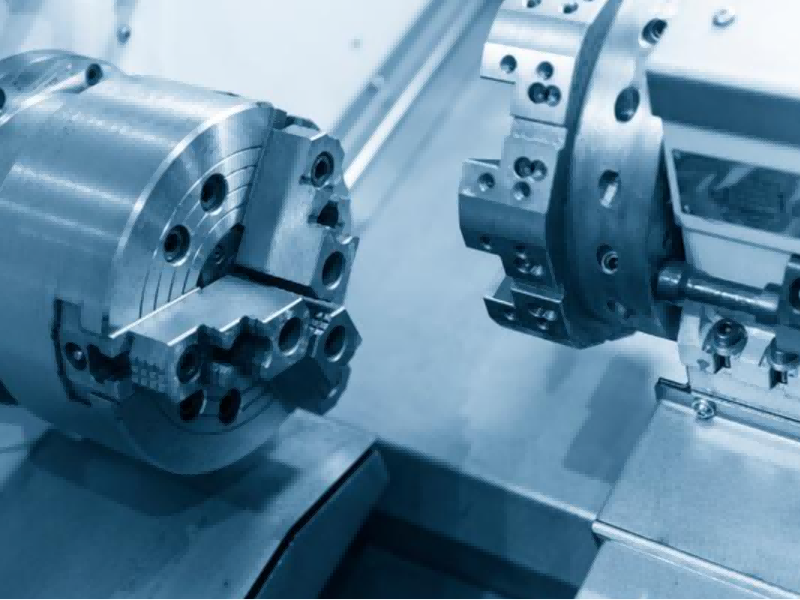
Precision machining is superior to many other parts manufacturing methods. CNC machining, especially ultra-precision CNC machining, offers the best accuracy. Many companies choose this process to manufacture parts that require precise fits. The table below compares precision machining with investment casting, electrical discharge machining, and CNC milling:
| Method | Typical Tolerance | Surface Finish (Ra) | Best For |
|---|---|---|---|
| CNC Machining | ±0.0005 inches | 0.01–0.8 micrometers | Prototypes, tight tolerances, small batches |
| Investment Casting | ±0.005 inches | 1.6–6.3 micrometers | Complex shapes, high volumes |
| EDM | ±0.0001 inches | 0.2–1.6 micrometers | Exceptional accuracy, hard materials |
| CNC Milling | ±0.001 inches | 0.8–3.2 micrometers | General parts, moderate precision |
CNC machining is ideal for jobs requiring precise dimensions and rapid prototyping. Investment casting is suitable for mass production of complex-shaped parts. Electrical discharge machining (EDM) is best suited for machining extremely hard materials and performing ultra-high precision cutting. CNC milling is suitable for a variety of projects with acceptable precision.
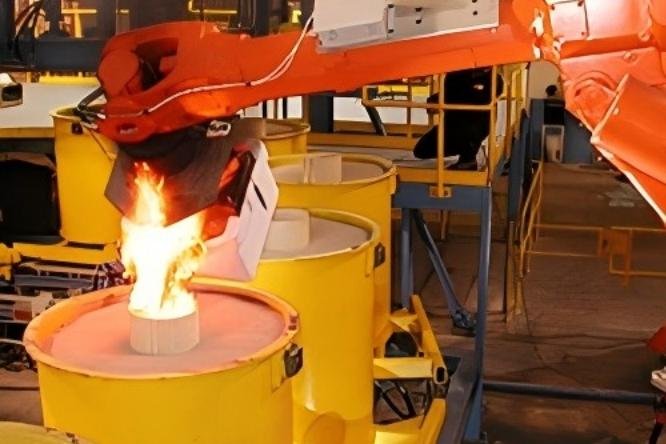
KEMING offers both investment casting and CNC machining services. Their team uses advanced CNC milling machines to produce highly precise and smooth-surfaced parts. They also provide castings for industries requiring special shapes and high-strength parts.
Cost and Feasibility
Precision machining is suitable for projects of all sizes. For small-batch orders, CNC machining, while more expensive per part, offers extremely high precision. This is crucial for products such as medical devices or aircraft parts. For large-batch orders, automated CNC milling can save costs and time.
Micromachining is a special type of CNC milling. It can achieve precision of ±2 micrometers. This is crucial for products such as semiconductors and medical implants. Precision machining helps avoid errors and ensures that every part is flawless.
Applications of Precision Machining
Key Industries and Uses
Precision machining helps numerous industries manufacture reliable parts. Companies in industries such as automotive, shipbuilding, railroad, and agriculture are using this technology to ensure the proper functioning of their machinery. The table below illustrates how different industries use ultra-precision CNC machining and the benefits they derive from it:
| Sector | Applications | Benefits |
|---|---|---|
| Marine | Propellers, shafts, engines, hull parts | Better fuel use, stronger parts, and good work in tough places. |
| Agriculture | Tractors, harvesting equipment, irrigation systems | Strong parts, fast testing, and making many parts the same. |
| Railroad | Hydraulic manifolds, mounting plates, enclosures | More accuracy, less waste, and better work for big projects. |
KEMING has a lot of experience in these areas. The company is very good at marine work. They make both test parts and lots of finished casting parts. Their team makes strong parts that can take high heat and stress. KEMING makes engine parts, propeller shafts, flanges, pumps, and valves. They make over 2,000 tons of parts each year. They can change their work to fit what customers need.
KEMING has important certificates like CE, ISO9001, and ISO13485. Their casting methods stop rust and make parts last longer. This is important for marine and factory jobs. The company sends most parts to Europe, America, and Japan. They help customers from the first idea to delivery. They make sure customers are happy at every step.
Critical Components
Precision machining makes many important parts for advanced industries. Some common parts are:
- Optics and photonics: laser lenses, mirrors, infrared optics, and special optical shapes
- Medical and life sciences: parts for surgery robots, tiny medical tools, and devices put inside the body
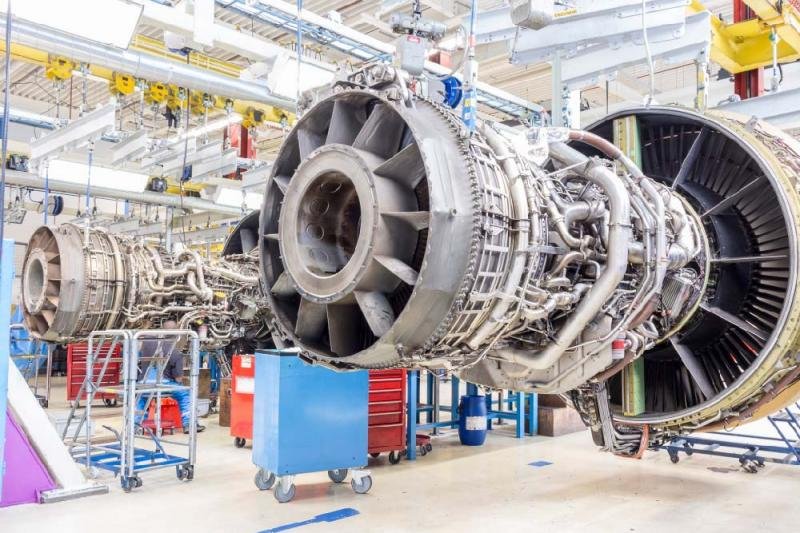
- Aerospace and defense: gyroscopes, navigation system parts, and laser covers
- Semiconductor manufacturing: wafer holders, vacuum chamber parts, and inspection tool parts
These parts need very tight tolerances and smooth surfaces. Precision machining makes sure every part is safe and works well.
Choosing the Right Machining Process
When to Use Ultra-Precision
Ultra-precision CNC machining is used for projects needing top accuracy. Many industries, like aerospace, medical, and automotive, need parts that fit just right. These parts must have very tight tolerances. Precision machining makes sure each piece meets strict rules. If a part must be exactly sized and have a smooth surface, ultra-precision is needed. Small and tricky parts, such as those in medical devices or electronics, also use this process. High-value parts, where mistakes cannot happen, need this careful work.
Ultra-precision machining happens in clean rooms with steady temperature. Keeping things clean and cool stops mistakes from heat or dust.
Factors to Consider
Picking the best machining process depends on a few key things. The list below can help you decide:
- The part must do an important job.
- The design has tiny or tricky features.
- The cost of mistakes is much higher than making the part.
- The project needs a clean and steady place for best results.
The table shows how different tolerance levels change the process:
| Tolerance Level | Common Use | Production Impact |
|---|---|---|
| ±.005″ | General industrial parts | Normal cost and time |
| ±.001″ | Moving assemblies, fixtures | More setup, slower work |
| ±.0001″ | Aerospace, medical, lab-grade | Special tools, strict checks |
KEMING helps customers pick the best process for their needs. Their team gives advice about materials, design, cost, quality, and timing. By working with KEMING, customers get expert help at every step of their project.
Ultra-precision CNC machining is the most accurate way to make parts. It can create parts with very tight tolerances. The surface finish is very smooth. It can also make complicated shapes. The table below shows the main benefits:
| Feature | Ultra-Precision CNC Machining |
|---|---|
| Tolerances | ±1 micron (±0.001 mm) |
| Surface Finish | Ra as low as 0.01 µm |
| Geometrical Complexity | Intricate components |
Aerospace and medical industries use this process for safety. KEMING uses advanced machines and skilled workers. You should think about what your project needs. Contact KEMING if you want a quote or more information.
FAQ
What are the differences between ultra-precision CNC machining and standard machining?
Ultra-precision CNC machining utilizes highly advanced equipment and intelligent software. This equipment can produce parts with smaller tolerances and achieve smoother surfaces than conventional machining processes. Engineers choose this machining method when parts require extremely high precision and quality.
Which industries benefit most from ultra-precision CNC machining?
The aerospace, medical, automotive, and electronics industries all use ultra-precision CNC machining. These industries require dimensionally accurate and safe-operating parts. KEMEN helps these companies by manufacturing reliable parts for them.
How does KEMING ensure the quality of precision machining?
KEMING meticulously inspects each part using specialized tools. Experienced workers inspect each part individually to ensure it meets standards. The company follows standards such as ASTM, DIN, and JIS. The final parts received by customers perfectly match their needs.
Can ultra-precision CNC machining handle complex shapes?
Yes. Multi-axis CNC machine tools can machine extremely fine shapes and features. Designers use CAD software to plan every detail in the design. The KEMING team manufactures complex-shaped parts for a wide range of applications.
What materials can KEMING machine with ultra-high precision?
KEMING can machine aluminum, steel, titanium, high-temperature alloys, copper alloys, and plastics. Each material is suitable for different applications. The KEMING team helps customers select the most suitable material for their projects.