EN
EN  DE
DE  ES
ES  FR
FR  PT
PT  RU
RU 
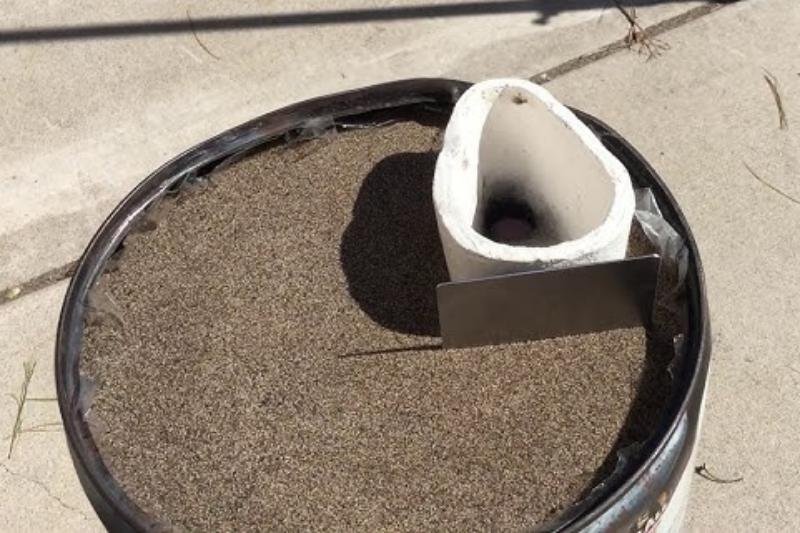
For international trade and overseas markets, the commercial price of lost foam casting is quoted in US dollars by weight. Standard carbon steel and gray iron castings cost $1.50 – $4.50 per kilogram, while complex aluminum alloy and high-alloy steel components are priced at $4.50 – $8.00 per kilogram.
A major cost driver is one-time aluminum tooling for foam molds, with costs between $2,500 and $8,000, varying according to part size and structural complexity. Compared with conventional sand casting, lost foam casting has higher upfront tooling costs for new projects. However, it removes the need for complex sand cores and split molds, so it delivers obvious cost advantages for high-volume production and parts with irregular, intricate geometries.
| Casting Method | Tooling & Pattern Cost Characteristics |
|---|---|
| Lost Foam Casting | Higher cost and longer lead time for custom foam patterns; no extra cost for complex molds and sand cores. |
| Sand Casting | Low-cost patterns for basic parts; total cost rises sharply for complex components requiring multiple sand cores. |
Key Takeaways
- Lost foam casting is cost-efficient for large-size and geometrically complex castings, cutting expenses on auxiliary molds and manual labor.
- Raw material prices (polystyrene foam, casting metals) and custom tooling fees directly affect the overall cost of lost foam casting.
- Unit cost decreases significantly as production volume increases, making this process ideal for mass production orders.
Lost Foam Casting Price Factors
Material and Mold Costs
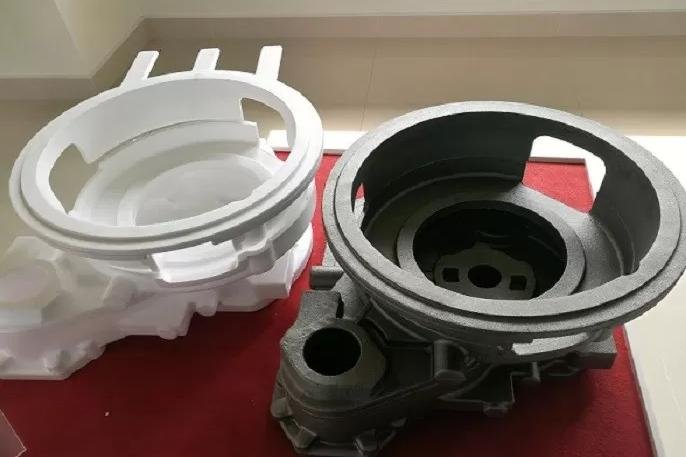
Raw materials and custom tooling are two core cost components of lost foam casting. Expandable polystyrene (EPS) pellets are the main raw material for foam patterns, and their unit price fluctuates by supplier and procurement volume. The selection of casting metal also dominates the final quotation: aluminum alloy is more affordable than carbon steel, while ductile iron and gray cast iron show better cost performance in mass production.
| Material Type | Description | Key Cost Influencing Factors |
|---|---|---|
| Polystyrene Pellets | Raw material for manufacturing foam patterns | Supplier, bulk purchase quantity |
| Aluminum Alloy | Widely used lightweight casting metal | Lower material cost than steel products |
| Carbon Steel | High-strength structural casting material | Higher cost due to material performance |
| Ductile Iron | Balanced strength and toughness | Moderate price, affected by raw material market |
| Gray Cast Iron | Universal casting material | Most cost-effective for large-batch production |
The cost of foam patterns depends on production methods (data based on China domestic market, RMB pricing). In-house production of foam patterns costs around 0.02 RMB per gram, while outsourced finished patterns cost 0.03 to 0.05 RMB per gram.
In actual production, approximately 3,000 grams of EPS foam are consumed per ton of finished castings. Calculated accordingly, the foam pattern cost ranges from 60 RMB to 150 RMB per ton. Refractory coating and surface paint add an extra 100 RMB per ton of castings.
The foam and coating cost of lost foam casting is higher than traditional sand casting. However, the process eliminates investment in complex sand molds and cores, which offsets the extra material cost in medium and large-batch production.
Part Complexity and Size
Part dimension and structural complexity are critical factors affecting quotation. Lost foam casting is highly suitable for large, hollow components, as well as parts with undercuts, reinforcing ribs and irregular structures. Since it requires no separate sand cores, the manufacturing difficulty and comprehensive cost for complex parts are effectively reduced. Its high dimensional accuracy also cuts the workload of post-processing for detailed structures.
- Scenarios where lost foam casting shows cost advantages:
- Large-sized or hollow castings
- Parts with undercuts and dense reinforcing ribs
- Components that require multiple sand cores in conventional casting processes
Production Volume Impact
Production volume directly affects the unit price of lost foam casting. For small-batch orders, fixed costs such as mold setup and foam pattern production are allocated to fewer products, leading to a higher unit price. As production volume increases, the average cost per part drops obviously, so this process is most competitive for mass orders.
The table below shows the reference unit price (USD per piece) of lost foam casting and investment casting under different production volumes (prices vary by material and part size):
| Production Volume | Lost Foam Casting Unit Price | Investment Casting Unit Price |
|---|---|---|
| Small Runs (< 100 pcs) | $150–$300 | $250–$500 |
| Medium Runs (100–1,000) | $120–$250 | $100–$200 |
| High Volumes (> 1,000) | $100–$200 | $80–$150 |
In long-term mass production, lost foam casting delivers stable precision and fewer post-processing procedures. It also reduces labor input and production waste, bringing continuous cost savings for manufacturers and purchasers.
Finishing and Labor
Post-processing and labor expenses account for a large share of total casting cost. Lost foam casting produces castings with smooth surface and high dimensional precision, which greatly reduces subsequent finishing work and cuts overall labor costs.
The following labor saving data are industry average statistics based on actual production lines:
| Cost Factor | Savings Percentage |
|---|---|
| Labor costs (styling workers) | 40%-60% |
| Cleaning man-hour savings | 90% |
| Mechanical processing man-hours | Reduced significantly |
- This process generates less metal waste, lowering raw material consumption and waste disposal fees. The unbonded dry sand used in production can be recycled repeatedly, realizing both cost control and environmental protection.Engineering Insight: Based on practical production data from KEMING Machinery (1st mention), an experienced casting manufacturer with fully automated production lines, automated shake-out equipment and high-performance refractory coatings can cut post-casting grinding workload by up to 90%, effectively reducing the final unit price of finished castings.
Lost Foam Casting Price Comparison
Cost Structure Overview
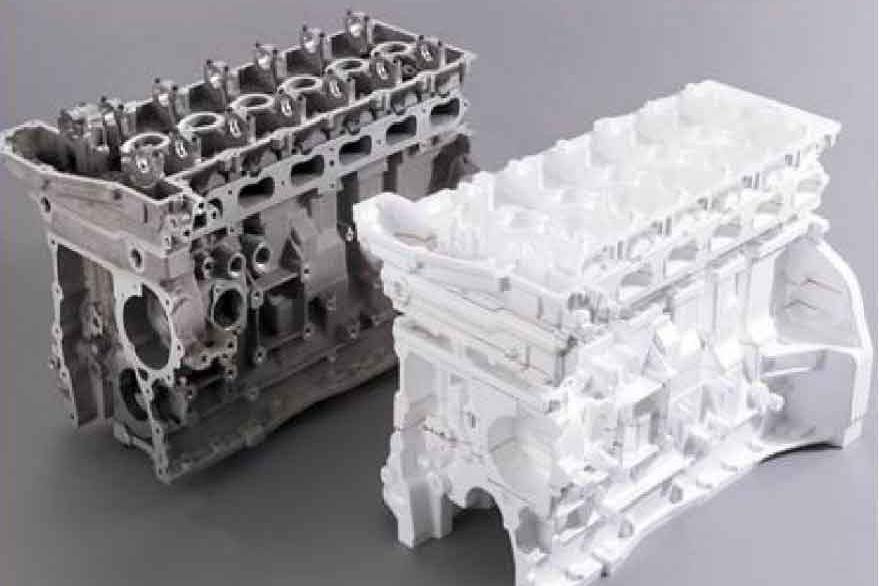
The main cost components of lost foam casting include custom foam patterns, refractory coatings, labor and equipment depreciation. The upfront investment is relatively high due to customized foam molds and special coating materials. The following cost analysis adopts China domestic RMB pricing and industry average data:
| Cost Factors | Description |
|---|---|
| Cost Increase Factors | Higher initial costs for foam patterns and special coatings |
| Foam Model Cost | Homemade foam models cost about 160 RMB per ton; purchased models cost 200-250 RMB |
| Paint Consumption | Paints and other ingredients add 500-1000 RMB per ton |
| Cost Reduction Factors | Savings in labor and materials over time |
| Labor Savings | Labor can be reduced by 40%-60% due to better efficiency |
| Yield Increase | Molten iron yield increases by 10-30%, especially for ductile iron parts |
| Precision Improvement | Better casting precision reduces the need for extra processing |
Lost foam casting saves money over time. It uses less labor and fewer materials. The process also makes more good metal, so there is less waste. The high accuracy means less extra work is needed.
Lost Foam Casting vs. Other Methods
Lost foam casting is different from other casting ways like sand casting, investment casting, and shell mold casting. Each way has its own costs and best uses.
| Cost Factor | Lost Foam Casting | Investment Casting | Sand Casting | Shell Mold Casting |
|---|---|---|---|---|
| Material Costs | Lower, less waste | Higher, pricier | Low, more waste | Moderate |
| Tooling and Setup | Lower, simple patterns | Higher, complex molds | Low, simple patterns | Moderate |
| Labor and Processing | Less labor needed | More hands-on work | More labor | Moderate |
| Precision | High | Very high | Moderate | High |
| Best For | Complex, large parts | Small, precise parts | Simple, large parts | Thin-walled parts |
Lost foam casting uses a foam pattern that goes away when metal is poured. This lets people make tricky shapes and smooth surfaces. Sand casting is good for easy shapes but needs more workers and makes more waste. Investment casting is very exact but costs more for molds and materials. Shell mold casting is best for thin parts and costs a medium amount.
Evaluating these trade-offs requires thorough project analysis. Technical teams at KEMING analyze part geometry, weight tolerances, and annual usage volumes to help buyers determine whether lost foam or investment casting offers the optimal total cost of ownership (TCO).
Typical Price Ranges
Lost foam casting usually costs between Rs. 8,49,000 and Rs. 11,49,000 for each unit. The real price depends on how big, tricky, and how many parts you order. Here are some times when lost foam casting is a good deal:
- Energy jobs need parts that can handle high pressure, heat, and rust. Lost foam casting makes hard inside shapes and smooth paths, which helps machines in power plants and chemical places work better.
- Farm and mining machines need big, strong parts that last a long time. Lost foam casting can make huge and tricky shapes, so you can use one strong part instead of many welded pieces.
- Factory parts often need special shapes with lots of details. Lost foam casting is flexible for both normal and custom orders, so it is smart for parts that need to be strong and exact.
Lost foam casting gets cheaper when you order more. It works best for big or tricky parts made in large numbers.
Estimating and Reducing Costs
People can guess lost foam casting costs by doing a few easy things:
- Split up the costs for materials, making, and other times to find the price for each part.
- Think about how much of the factory is being used. Using more of the machines lowers the price for each part.
- Remember to count missed chances when planning for profit.
Some things make guessing costs hard. These are the quality of foam patterns, how the metal flows, and keeping the right temperature. Changes in the process can also change the final price.
To save money, companies can:
- Use polystyrene to keep costs close to sand casting.
- Use design freedom to stop shrinking and fix fewer parts.
- Pick fired ceramic molds to lower mistakes and make things run smoother.
Working with experts like KEMING helps even more. Their team teaches customers about lost foam casting and shares smart tips. Training from pros helps workers make fewer mistakes and work faster. Picking a good supplier means better help and steady progress.
Tip: Always work with suppliers who know lost foam casting well. They can help make the process better, cut waste, and give you good castings for a better price.
Lost foam casting is a smart way to make tricky and big metal parts for less money. By learning about the costs and using smart steps, companies can get great results and keep prices low.
The price of lost foam casting is influenced by a variety of factors, including materials, molds, the complexity and quantity of the parts, and surface treatment. Typically, the price per part ranges from Rs 849,000 to Rs 1,149,000. This method can be cost-effective when producing large or complex parts. Consulting an expert can help you estimate costs and reduce them.
FAQ
Why is lost foam casting cost-effective for bulk orders?
Factories can save costs when producing large quantities of parts using lost foam casting. This allows them to reduce labor and post-processing expenses required for mass production.
How does the complexity of the part affect the casting price?
If the part has a complex shape, the mold cost will be higher. Lost foam casting can easily produce complex shapes, so factories do not need to purchase additional molds and cores.
Does lost foam casting reduce post-processing work?
Lost foam casting can produce parts with smooth surfaces. Workers do not need to spend a lot of time cleaning or finishing parts after they are formed.