EN
EN  DE
DE  ES
ES  FR
FR  PT
PT  RU
RU 
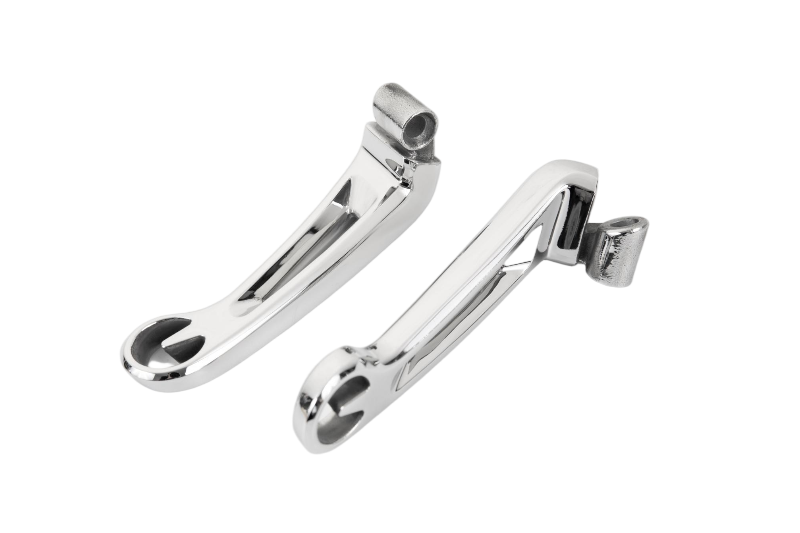
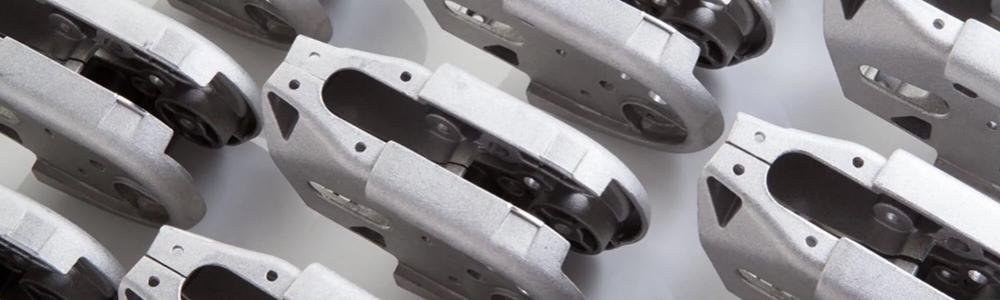
Many businesses require precision parts, such as ball bearings, gears, medical implants, and electronic connectors—all typical examples. Commin utilizes specialized equipment and precision testing tools to produce custom-made parts. These parts meet international standards and are therefore crucial in fields such as automotive, electronics, and medical devices.
| Type of Precision Part | Applications |
|---|---|
| Automotive | Systems that need to be safe and work well |
| Medical Devices | Implants, tools for surgery, and equipment for tests |
| Electronics | Small devices, strong structure, and correct alignment |
Key Takeaways
- Precision components, such as ball bearings and gears, are crucial for mechanical components in automobiles, medical devices, and electronics.
- These components are manufactured with precise measurements to ensure a perfect fit and efficient operation.
- High-precision machining helps companies reduce errors, resulting in safer and higher-quality products.
- Chem uses modern equipment and rigorous testing processes to produce custom-made precision components that meet international standards.
- Industries such as aerospace and medical devices require precision components to ensure safety and performance.
Precision Parts Overview
Definition of Precision Parts
The manufacture of precision parts requires extremely precise measurements. Manufacturers use specialized machines and follow rigorous procedures. These parts must be dimensionally identical every time; the dimensions of each part must be perfectly consistent. This helps companies produce high-performance products. Precision engineering sets the standard for quality, which is especially important in fields with extremely high precision requirements.
The difference between precision parts and ordinary parts is:
- They fit perfectly with other parts.
- Their dimensional constraints are extremely strict.
- Their dimensions, shape, and surfaces must be accurate.
- Manufacturers use precision machining to ensure the high quality and consistency of parts.
- This process minimizes errors, which is crucial for mass production of parts.
Precision machining enables companies to produce large quantities of identical parts. This is essential for products that need to work together seamlessly and without failure.
Importance in Manufacturing
Precision parts are very important in factories today. They help companies make products faster and better. Many fields, like aerospace, medical devices, and cars, need these parts for tough jobs. Small size limits and detailed shapes are needed for safety and good performance.
Examples of Precision Parts
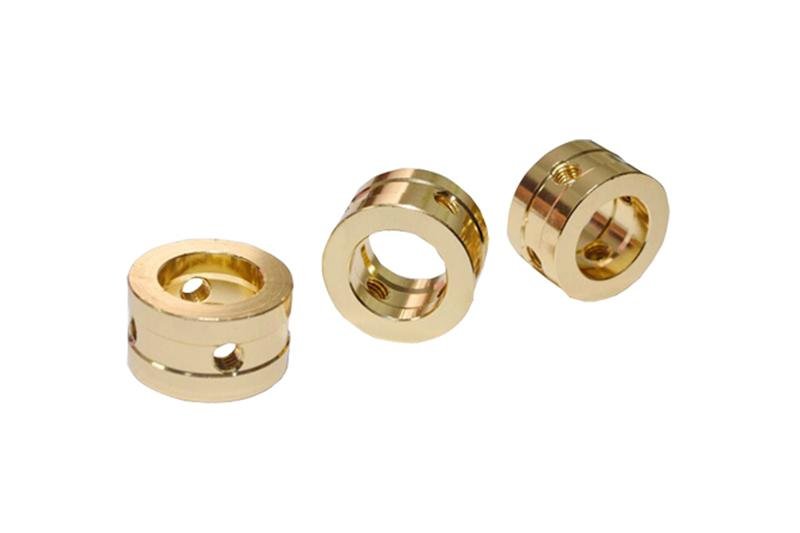
Precision parts are crucial in many fields. They help machines operate safely and smoothly. Below are some common precision parts and their manufacturing and applications.
Ball Bearings
Ball bearings reduce friction between moving parts. They support rotating shafts in engines, motors, and wheels. Manufacturers use materials such as aluminum, steel, titanium, copper, and plastics. Each material has its own advantages, such as high strength, light weight, or resistance to rust.
| Material | Description | Common Applications |
|---|---|---|
| Aluminum | Light, strong, does not rust, easy to shape | Aerospace, electronics |
| Steel | Strong, useful, resists damage and rust | General manufacturing |
| Titanium | Light, strong, does not rust | Aerospace, medical devices |
| Copper | Carries electricity, does not rust | Electronic components |
| Plastics | Light, resists chemicals, good for small designs | Medical devices, consumer goods |
Specialized machines manufacture ball bearings. CNC lathes and milling machines are responsible for shaping ball bearings. Electrical discharge machining (EDM) and micromachining are used to manufacture tiny parts. These methods help ball bearings maintain proper dimensions and operate efficiently.
Gears
Gears transmit force and motion in machines. They are widely used in automobiles, watches, and large equipment. Precision gears must fit precisely. In critical fields such as aerospace or medical devices, gear precision requirements are extremely high, such as ±0.002 inches. This precision avoids problems such as backlash or component friction.
- Good fit keeps machines working well.
- Same process makes every gear work the same.
- Less fixing saves time and money.
- Fewer failures mean machines last longer.
- Careful checks lower risks.
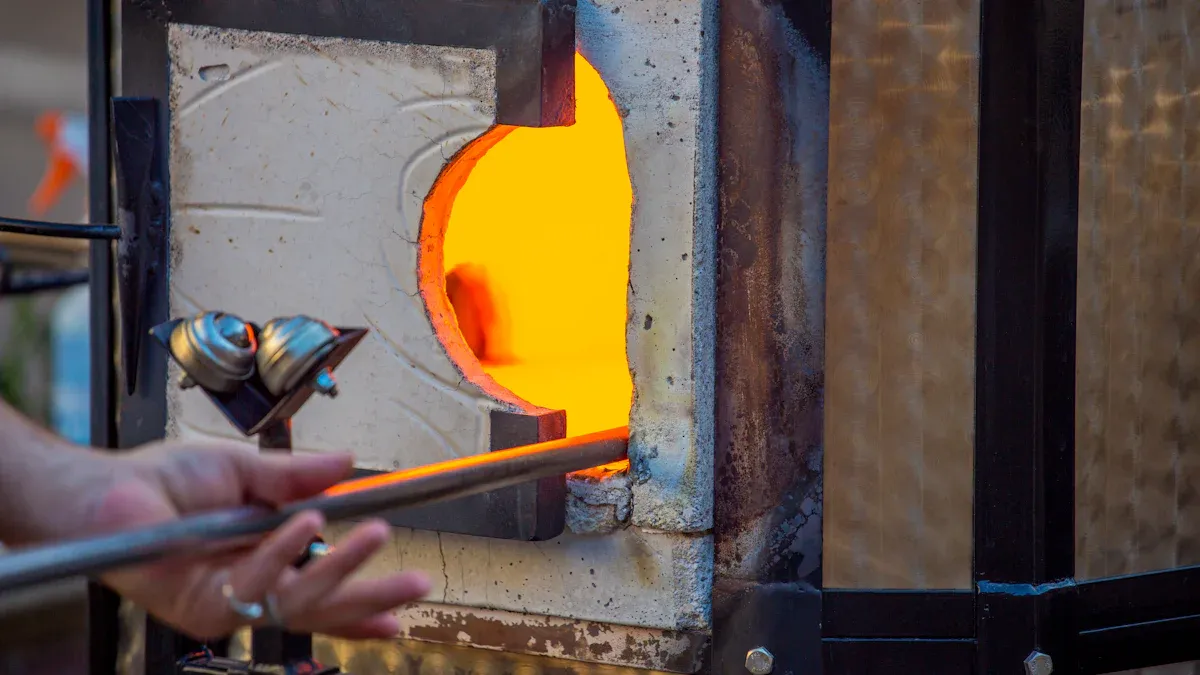
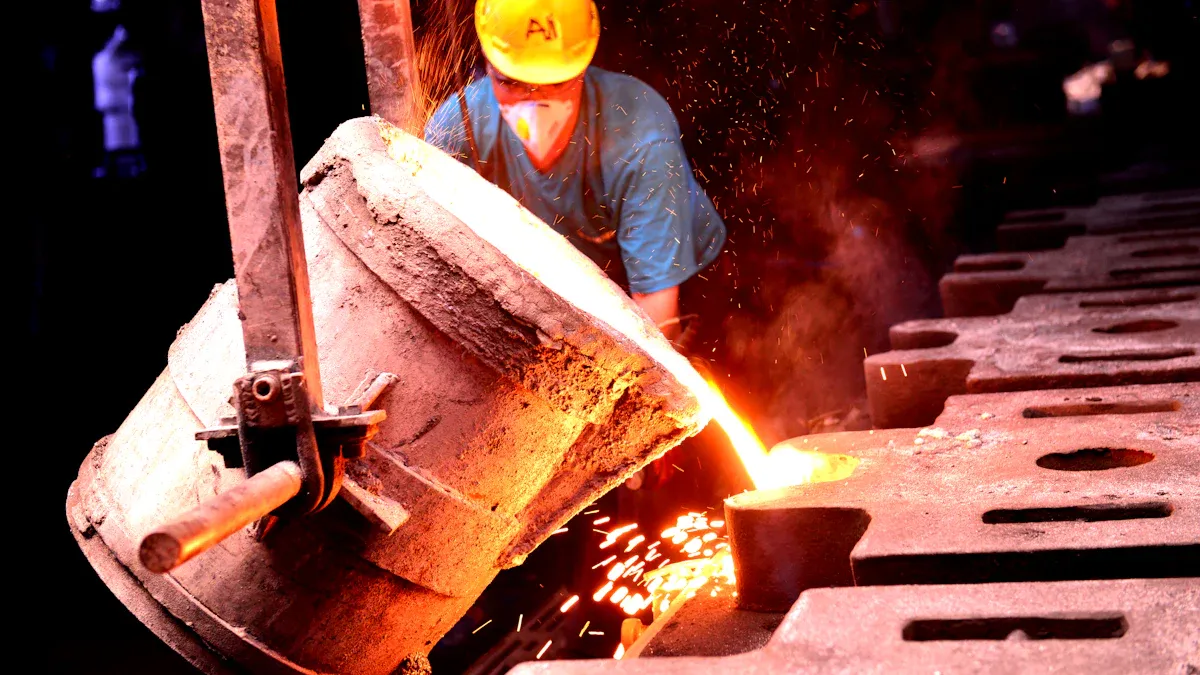
KEMING uses investment casting and CNC machining to make gears for cars, boats, trains, and farms. Their quality checks make sure each gear is good.
Medical Implants
Medical implants, such as hip replacements and dental screws, must fit the body perfectly. Precision machining technology allows for customization of the implant’s shape and size, thereby improving fit and lifespan. Key types include orthopedic implants, dental implants, and spinal implants.
| Type of Implant | Regulatory Standards |
|---|---|
| Orthopedic Implants | FDA QSR, ISO 13485, ISO 10993 |
| Dental Implants | FDA QSR, ISO 13485, ISO 10993 |
| Spinal Implants | FDA QSR, ISO 13485, ISO 10993 |
KEMING uses advanced CNC machines and investment casting to make implants that meet world standards. Their team checks each part for safety and quality.
Electronic Connectors
Electronic connectors are used to connect wires and circuits in devices. They must ensure a robust connection in automobiles, computers, and medical devices. These connectors come in various shapes and sizes to meet different application requirements.
| Industry | Description |
|---|---|
| Automotive | Connects car systems for safe and steady work. |
| Medical | Makes sure devices connect well for patient care. |
| Telecommunications | Links parts in systems for smart devices. |
| Electronics | Used in computers and phones for complex jobs. |
KEMING makes electronic connectors with high precision. They use CNC machining to meet strict rules for reliability and strength.
Valves and Sensors
Valves control how liquids and gases move. Sensors measure things like position, pressure, or temperature. Both need careful making to work well in tough places.
| Valve Type | Description | Critical Applications |
|---|---|---|
| Gate Valves | Low resistance, turns flow on or off | Pipelines, fluid management |
| Globe Valves | Controls how much flows | Fluid management systems |
| Ball Valves | Quick shut-off, tight seals | Sealing applications |
| Butterfly Valves | Small, good for big pipes | HVAC, water treatment |
| Check Valves | Stops flow from going backward | Oil and gas, safe flow direction |
Precision manufacturing ensures the accuracy and reliability of valves and sensors. Commin employs advanced measuring tools and carefully selected materials to guarantee stable operation of valves and sensors even under harsh conditions.
These case studies vividly demonstrate how meticulous design and advanced manufacturing processes create safe and reliable products. Commin is committed to providing high-quality solutions to customers worldwide.
High-Precision Machining Applications
Aerospace Components
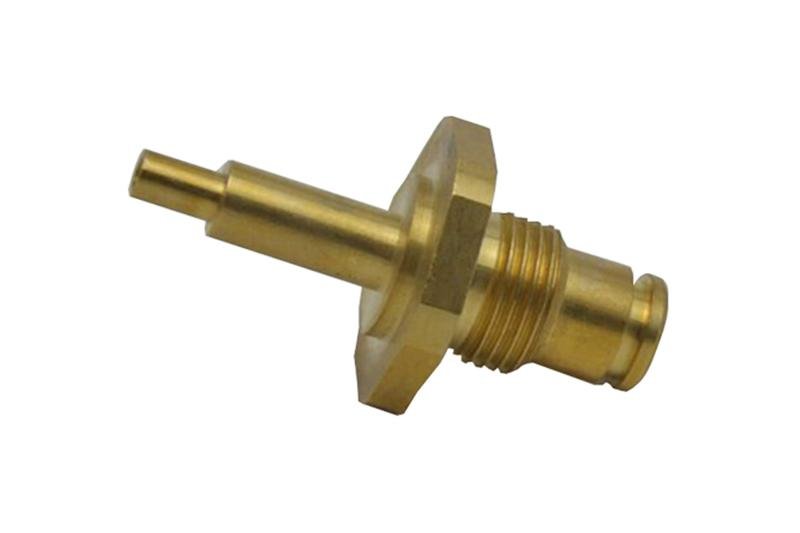
High-precision machining is crucial in the aerospace industry. Engineers use CNC milling and CNC turning to manufacture many aircraft components, including control panels, instrument panels, seat frames, ejection seat side panels, and aircraft seats. These components must be manufactured with extreme precision. Sometimes, dimensional tolerances are as low as 0.0002 inches. This ensures that each component can be precisely assembled and operate safely. The table below lists some common aerospace components and their functions:
| Component Type | Application Description |
|---|---|
| Control Panels | Used in fixed wing, rotary wing, and simulator applications, often with night vision. |
| Instrument Panels | Internally illuminated panels for aerospace applications. |
| Seat Frames | Aluminum rails for airline seating systems. |
| Ejector Seat Side Panels | Machined for fighter jets, needing large work areas. |
| Airplane Seats | Milled for business class seating, improving production speed. |
High-precision machining helps stop mistakes in parts. This keeps airplanes safe and working well. It also helps save fuel and follow safety rules.
Automotive Components
Automotive components, such as engines, gears, and shafts, require high-precision machining. CNC milling and CNC turning produce parts with extremely precise dimensions, ensuring that the shape and size of each part meet the requirements of mass production. Quality inspection uses Mitutoyo indicators and coordinate measuring machines to check dimensions and fits. Process inspection and statistical process control help identify problems early. These measures contribute to improving the safety and performance of automobiles.
Medical Devices
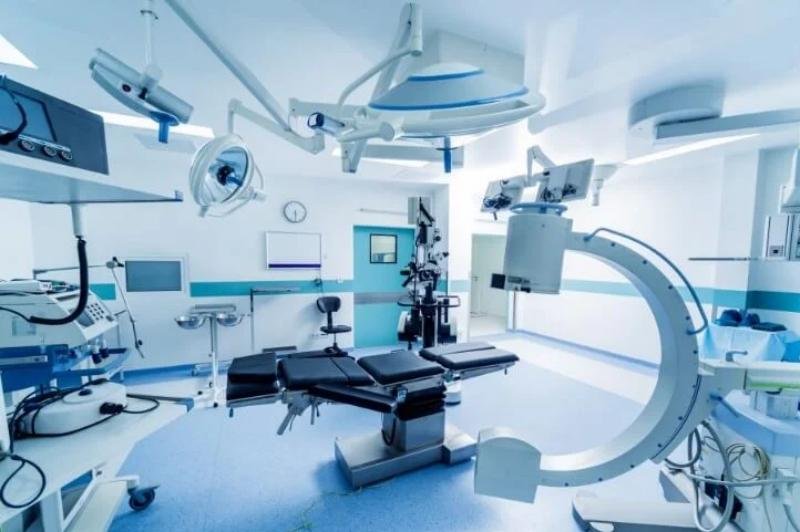
Medical devices require high-precision machining to ensure safety and optimal performance. CNC milling and CNC turning are used to manufacture surgical instruments, implantable devices, and diagnostic equipment. These parts must be dimensionally accurate and safe for human use. Quality system standards such as ISO 13485 and FDA guide their manufacturing processes. Advanced CNC machine tools and non-destructive testing technologies ensure that every part is safe for the patient. This fine machining helps extend the lifespan of medical devices and maintain good performance.
Industrial Machinery
Gears, shafts, and housings in industrial machinery also require high-precision machining. CNC milling and CNC turning can manufacture parts with extremely high dimensional accuracy, sometimes down to ±0.0001 inches. Automation and advanced inspection technologies, such as 3D scanning, help maintain high quality. Statistical process control ensures stable production and prevents errors. These methods contribute to smooth machine operation and extended service life.
FAQ
What are the uses of precision parts?
Precision parts ensure the proper functioning of machines. They are widely used in automobiles, aircraft, medical devices, and electronic products. These parts help ensure the safety and reliable operation of equipment.
How does KEMING manufacture precision parts?
KEMING manufactures parts using CNC machine tools and precision casting processes. Their employees control quality at every stage of production. They use specialized tools to measure and test each part.
Why are tight tolerances required in various industries?
Tight tolerances ensure precise assembly of parts. This reduces errors and extends the lifespan of machines. Industries such as aerospace and medical devices have extremely high precision requirements.
What materials can KEMING use to manufacture precision parts?
KEMING can use carbon steel, stainless steel, iron, aluminum, and other metals. They select the optimal material based on the part’s application and operating environment.
How do customers order custom precision parts from KEMING?
Customers send CAD files to KEMING. KEMING reviews the design and provides a quote. Once the customer agrees, KEMING will produce and ship the parts.